

What is the Camden story?
What is the importance of the Camden story? What is the relevance of the Camden story?
These appear to be simple questions. But are they really?
I have posed these questions in response to the theme of History Week 2020, which asks History: What is it good for?
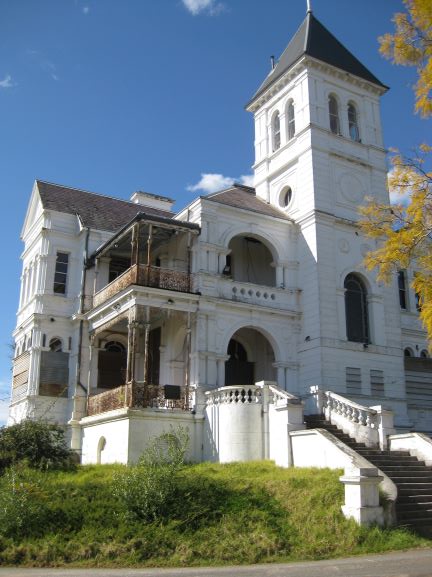
So, what is the Camden story?
What is the Camden story?
The Camden story is a collection of tales, memories, recollections, myths, legends, songs, poems and folklore about our local area. It is a history of Camden and its surrounding area. I have created one version of this in the form of a 1939 district map.
Camden’s storytelling is as old as humanity, dating back to the Dreamtime.
The latest version of the European story started with The Cowpastures in 1795.
The Camden story is about the Camden community.
The Camden story encompasses a diverse range of narratives, including dreamtime stories, family histories, community tales, settler accounts, local stories, business anecdotes, and personal accounts.
These stories are created by the people and events with which they were involved over centuries, up to the present.
Since its 1997 inception, History Week has been an opportunity to tell the Camden story.
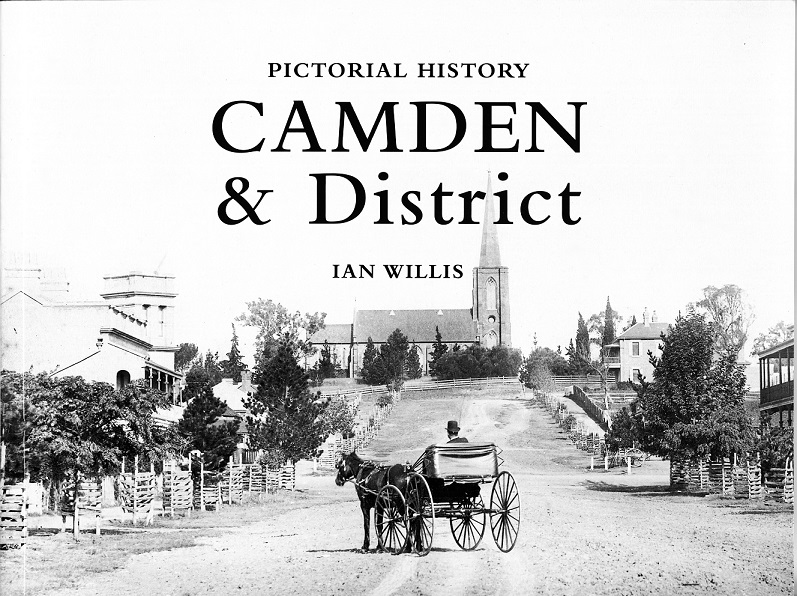
What is the relevance of the Camden story?
The relevance of the Camden story explains who is the local community, what they stand for, their values, attitudes, political allegiances, emotional preferences, desires, behaviour, and much more.
The Camden story explains who we are, where we came from, what we are doing here, our values and attitudes, hopes and aspirations, dreams, losses and devastation, destruction, violence, mystery, emotions, feelings, and more. The Camden story enables us to understand ourselves and find meaning in our existence.
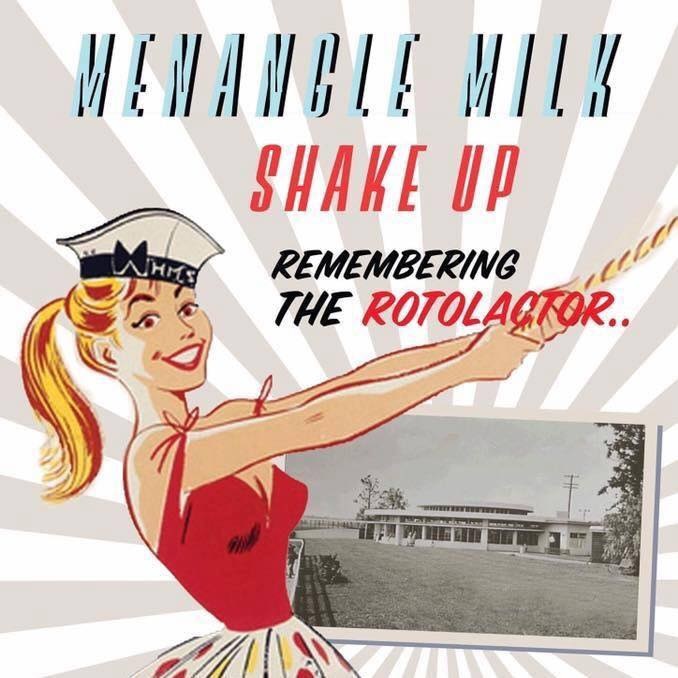
Local businesses use the Camden story as one of their marketing tools to sell local residents a wide range of products. There is the use of images, logos, branding, slogans, objects, window displays, songs, pamphlets, newspapers, magazines, and other marketing tools.
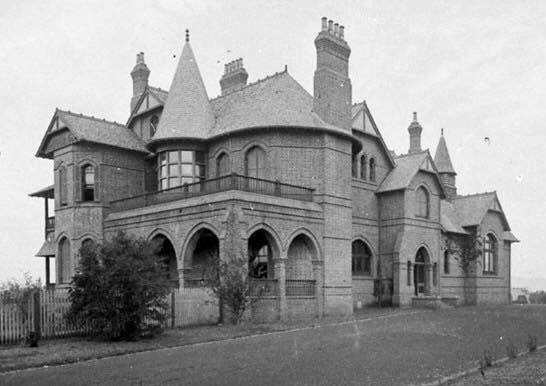
What is the use of the Camden story?
The Camden story enables us to glimpse the past in ways that can impact our daily lives. They include:
- The past is merely a series of events and people that do not significantly impact daily life.
- The past is the source of the values, attitudes, and traditions that shape the way we live our daily lives.
- The past is a way of seeing the present and being critical of contemporary society, that it is better or worse than the past;
- The present is part of the patterns that have developed over time from the past – some things remain the same (continuity), while others change.
![Camden & Laura Jane & Debbie photoshoot epicure store History Videos CRET 2019[1] lowres](https://camdenhistorynotes.com/wp-content/uploads/2019/11/camden-laura-jane-debbie-photoshoot-epicure-store-history-videos-cret-20191-lowres.jpg)
History offers a different approach to a question. Historical subjects often differ from our expectations, assumptions, and hopes.
The Camden storyteller will decide which stories are considered important enough to tell. Which stories are marginalised, forgotten, or ignored – silent stories from the past.

The historian is well-equipped to unpack and peel back the layers of the Camden story.
The tools the historian uses to unravel the Camden story might include historical significance, continuity and change, progress and decline, evidence, historical empathy, and hope and loss.
An understanding of this process is called historical consciousness and has been examined in Anna Clark’s Private Lives Public History.
I feel that the themes of History Week 2020 provide a convenient way to wrap up all of this.
The History Council of NSW has recast this in its Value of History Statement and its components: identity; engaged citizens; strong communities; economic development; critical skills, leadership, and legacy.
Just taking one of these component parts is an interesting exercise to ask a question.

Does the Camden story contribute to making a strong community?
The Camden story helps build a solid and resilient community by sharing stories about our community’s past crises and disasters. These examples serve as models for the community to draw upon for inspiration and guidance.
A strong, resilient community can bounce back and recover after a setback or disaster. It could be a natural disaster, market failure or social crisis.
The Camden story can inform citizens about past examples of active citizenship and volunteerism within Camden’s democratic processes. There are stories about our local leaders from the past who helped shape today’s community in many ways.
The Camden story tells stories about family and social networks that crisscross the district and are the glue that holds the Camden community together in a crisis – social capital.
Active citizenship contributes to community identity, a sense of belonging and stories about others who have contributed to their area contribute to placemaking and strengthening community resilience.
Updated on 22 April 2025. Originally posted on 27 February 2020 as ‘The Camden story: some reflections’.
Discover more from Camden History Notes
Subscribe to get the latest posts sent to your email.


3 thoughts on “Understanding the Camden Story: History, Community, and Identity”
Comments are closed.