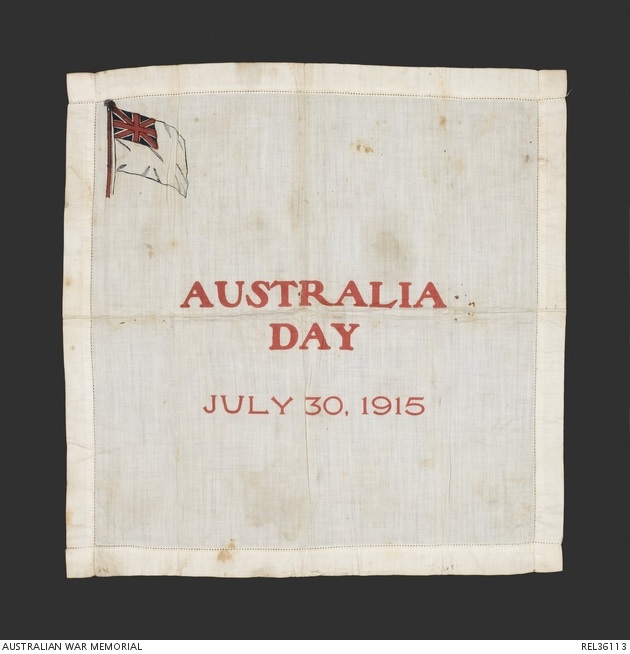
Australian women played a crucial role in the first Australia Day on July 30, 1915, which aimed to support sick and wounded soldiers from World War I. Originally suggested by Ellen Wharton-Kirke, the day centered on fundraising for the Red Cross. Women's contributions towards Australia Day remain overlooked in historical narratives surrounding Australia Day and the Anzac story.
Category: Anzac

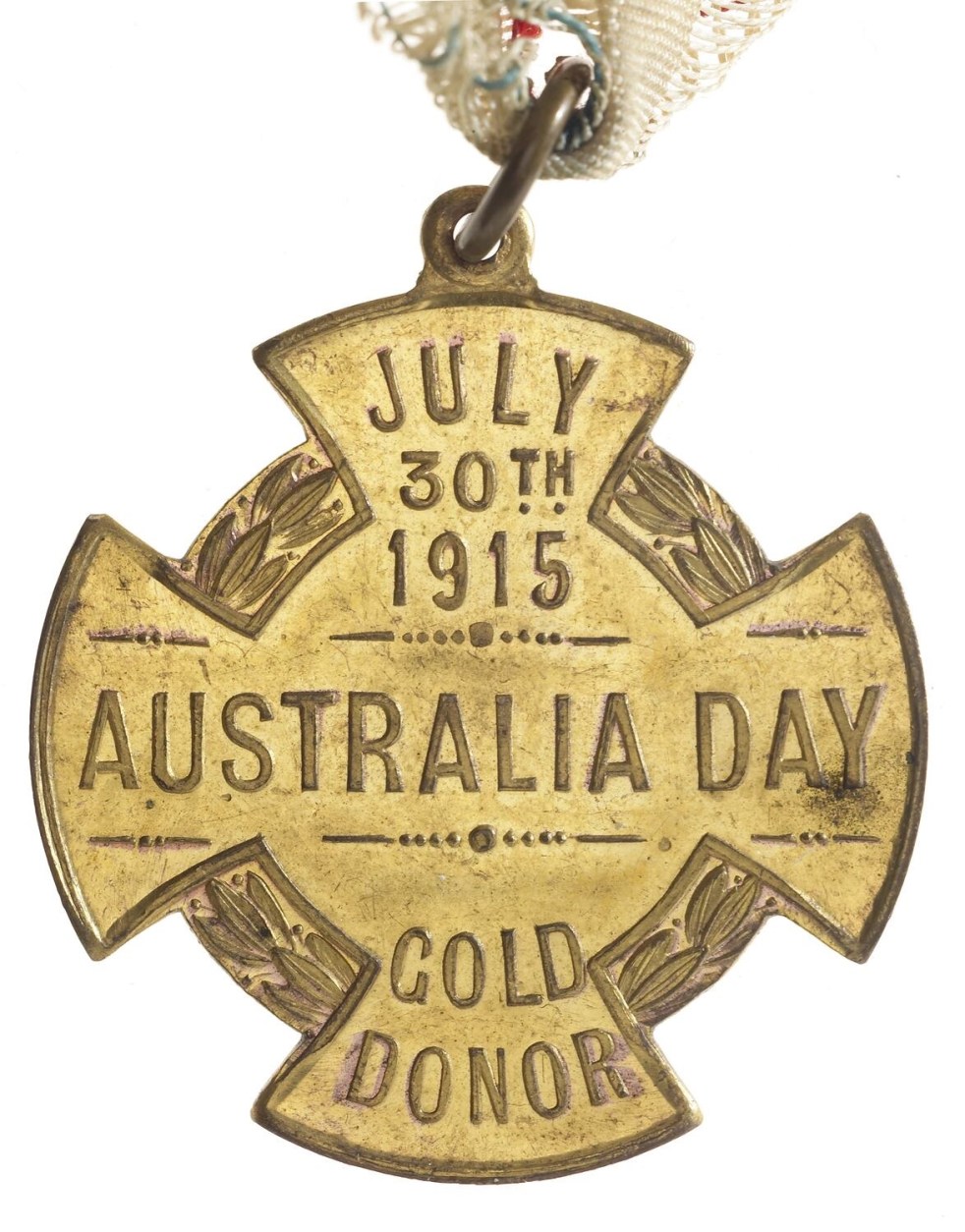
Australia Day 1915 in Camden: Record-breaking Wartime Fundraiser
In mid-1915, the Camden Patriotic Fund took over fundraising for the first Australia Day appeal directing proceeds to the Red Cross for Australian wounded. The patriotic fund raised a substantial amount of money through various events. Meanwhile, on a national scale, the significance of the first Australia Day evolved from an idea initiated by Mrs. Elle Warton-Kirke of Manly NSW to an important Red Cross day. In Camden, the 1915 Australia Day activities were a significant wartime fundraiser, demonstrating the community's support for the war effort.
Share this:

Share this:
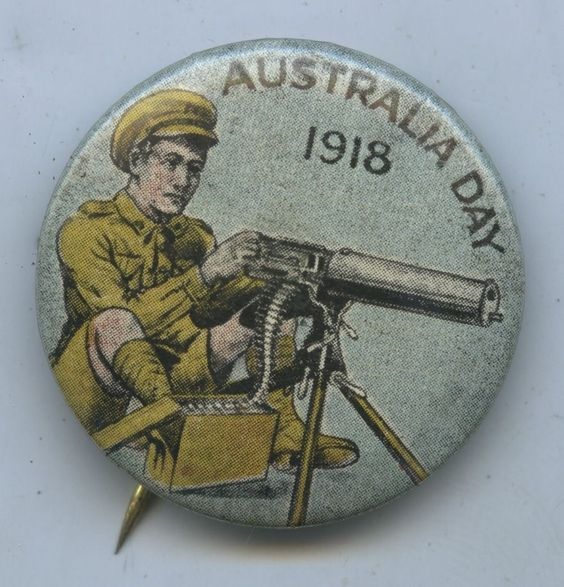
Australia Day 1918, Red Cross Fundraising Activities in Camden
Australia Day fundraisers in 1918 played a crucial role in supporting the war effort, with various activities such as selling badges, public subscriptions, prayer services, lectures, and door-knocks. The Camden Red Cross raised a significant amount, as did Menangle and Narellan branches. The total effort amounted to £748, a substantial sum for the time.
Share this:

Share this:
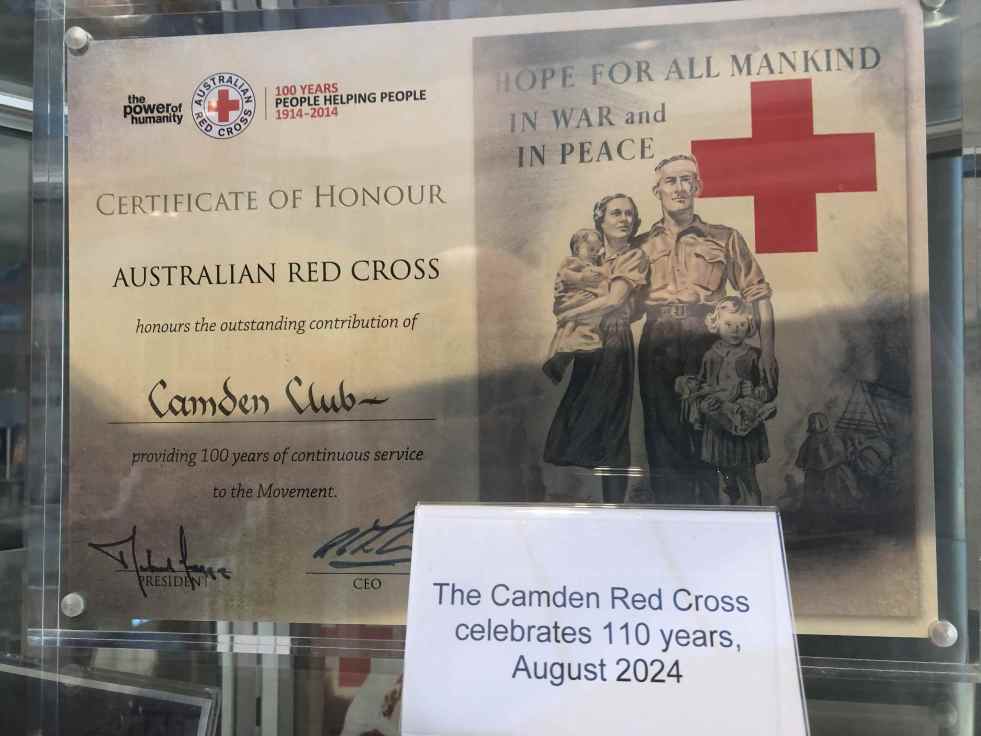
Camden Red Cross 110 Years Display: Objects and Ephemera Exhibition 2024
The Camden Red Cross exhibition at Camden Library in August 2024 showcased the historical contributions of local women to the Red Cross during World Wars I and II. Women from the Camden district played a pivotal role in supporting soldiers and shaping the narrative of the Australian Red Cross, creating over 20,300 articles in 40,000 volunteer hours during WWI.
Share this:

Share this:
Local historian talks at an international conference in Adelaide
Dr Ian Willis OAM challenges myths of WWI in his talk at the 2024 Australian Historical Association conference. He examines the Australian military's response to sick and wounded soldiers and the role of the British Red Cross. The conference aims to uncover home truths and dispel historical myths. Dr Willis's research focuses on the Red Cross's role in soldier recovery.
Share this:

Share this:

Red Flanders poppies, a field of memories
The red poppy carries a lot of symbolism in cultural mythologies from remembrance to sacrifices. The simple flower triggers outpouring of emotion, memories and commemorations on Anzac Day and Remembrance Day every year.
Share this:

Share this:

Waley Convalescent Home at Mowbray Park
In 1919 Mowbray Park, five kilometres west of Picton, was handed over to the Commonwealth Government to be converted to a convalescent home for invalided soldiers from the First World War. The home was called Waley after its philanthropic benefactors.
Share this:

Share this:

Camden War Cemetery
Camden War Cemetery has the graves of a number of service personnel from the Second World War who were killed while based in the local area.
Share this:

Share this:
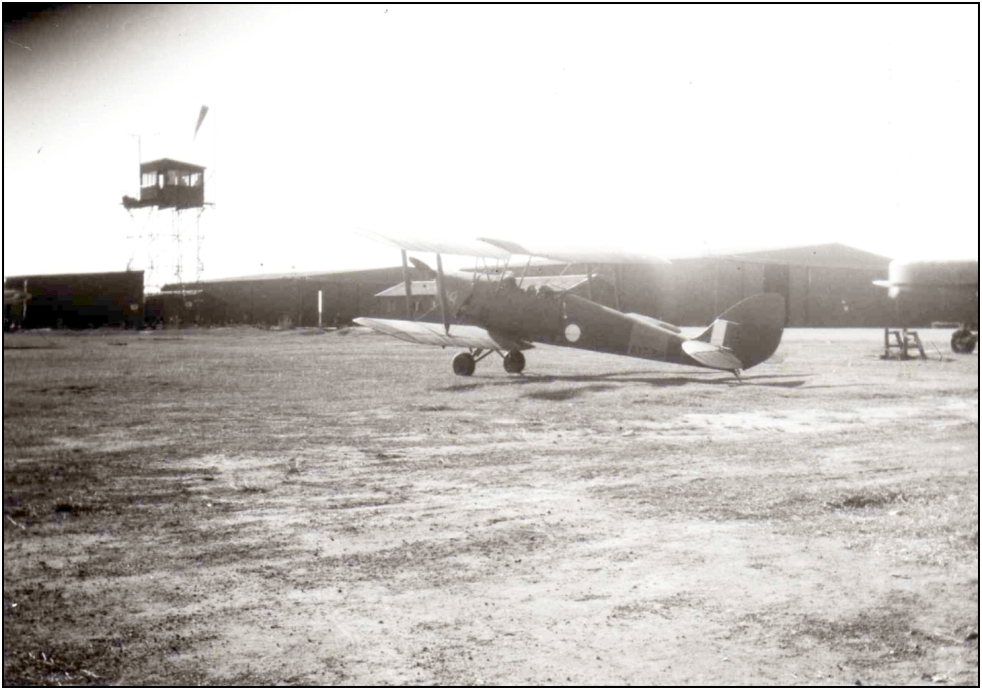
Understanding Bellman Hangars: Camden’s WWII Heritage
Camden Airfield's Bellman hangars, erected during World War II, served as transportable structures for the RAAF Central Flying School under the Empire Air Training Scheme. British-designed by NS Bellman in 1936, these hangars represent Australia's aviation heritage and were crucial for pilot training. Over 280 were supplied across Australia and New Guinea and are part of the country's aviation archaeology.
Share this:

Share this:
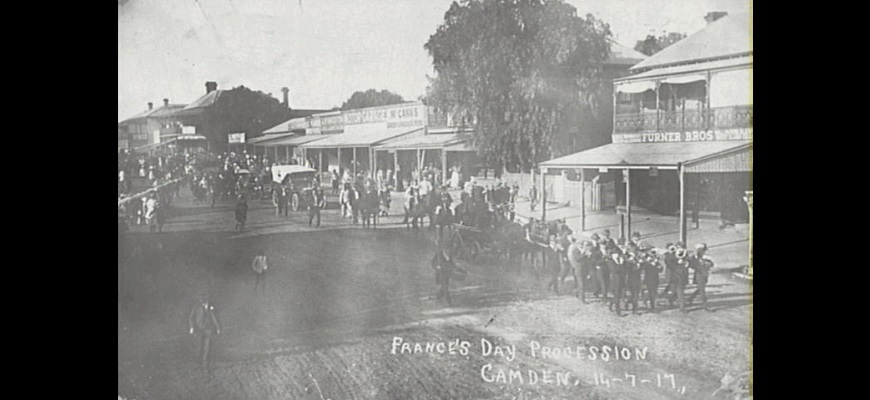
Camden and its French Connections
Camden had a number of connections with France during the First World Ward and they have been recorded on the pages of the Camden News. They included Bastille Day celebrations and the memoirs of William Sidman in Paris in 1870 at the outbreak of the Franco-Prussian war.

