Aesthetics · Agricultural heritage · Art · Artists · Attachment to place · Belonging · British colonialism · Burragorang Valley · Camden · Camden Hospital · Camden Story · Church History · Coal mining · Colonial Camden · Community identity · Cultural Heritage · Cultural icon · Dairying · Dharawal · Farming · Heritage · Historical consciousness · Historical thinking · History · Living History · Local History · Local Studies · Macarthur · Memorial · Memorialisation · Memorials · Memory · Mid-century modernism · Modernism · Monuments · Pioneers · Place making · Public art · Sense of place · Settler colonialism · Settler Society · Social History · Stereotypes · Storytelling · Tourism

Camden Rotary Pioneer Mural: public art, a mural, a memorial wall and a wishing well

The Camden Pioneer Mural is an example of public art. The Camden mural depicts the Camden story as interpreted in 1962 by ceramic artist Byram Mansell.

1930s · Agricultural heritage · Agriculture · Attachment to place · Australia · Belgenny Farm · British colonialism · Camden Festivals · Camden Park Estate · Camden Park House and Garden · Camden Story · Colonial Australia · Colonial Camden · Colonial frontier · Colonialism · Cowpastures · Cowpastures district · Cowpastures Estates · Cowpastures Gentry · Cowpastures Region · Cultural Heritage · Cultural icon · Dairying · Elizabeth Farm · England · Family history · Farming · Farming history · Governor Macquarie · History · Interwar · Johm Macarthur · Legends · Local History · Local Studies · Macarthur · Macarthur family · Memory · Monuments · Myths · Pioneers · Place making · Placemaking · Ruralism · Sense of place · Settler colonialism · Storytelling

John Macarthur, Father of Australia’s Wool Industry, fact or fiction

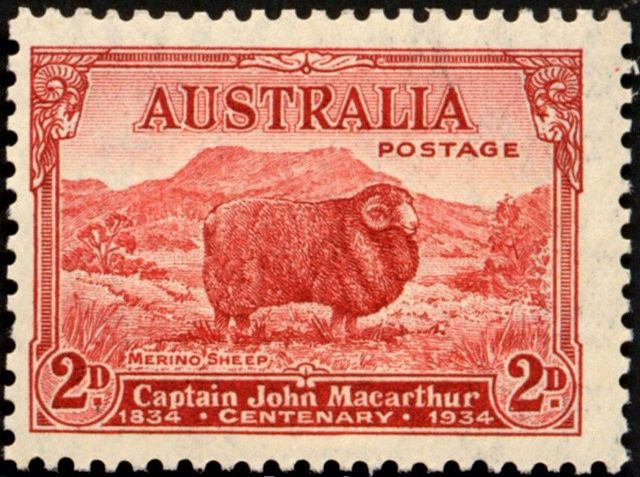
John Macarthur is credited with establishing fine wool as a key industry in New South Wales. During the interwar period, it was claimed that he was the father of the Australian wool industry. While significant, his contributions are part of a larger narrative involving many key figures in the industry. His legacy includes commemorative postage stamps, as well as his portrayal in literature and festivals celebrating wool production.