19th Century · Aesthetics · Art · Artists · Artworks · Camden Story · Community Health · Disease · Health and Medical History · Health History · History · Hope and loss · Medical history · Medical Humanities · Paintings · Public art · Scarlet fever · Sense of place · Social History · Storytelling · The Arts · Trauma

The Role of Scarlet Fever in Literature and Film

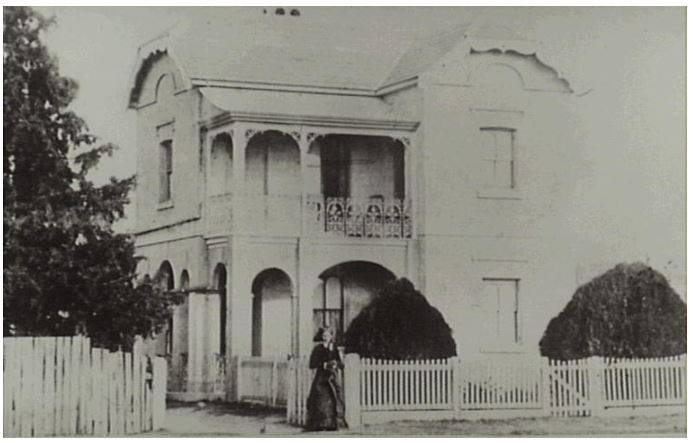
Scarlet fever, the disease, historically depicted in literature and film, caused widespread fear and hardship, significantly impacting dairy farming communities. Numerous works illustrate its societal ramifications and personal tragedies. Notable figures who contracted scarlet fever included Thomas Edison and members of the Darwin family. Scarlet fever emerged in Camden in the late 1890s, prompting the establishment of a cottage hospital due to its severe impact on dairy farmers.

20th century · Built Heritage · Camden Hospital · Health and Medical History · Health History · Heritage · Historian · History · Local History · Medical history · Place · Place making · Placemaking · Stories · Storytelling · Urban growth · Urban history

Camden’s First Hospital: A Historical Insight

Camden historian Dr. Ian Willis will present a paper on the origins of Camden Cottage Hospital at the 2025 Australian Historical Association Annual Conference. His paper, focusing on the hospital's role in rural health from 1899-1902, highlights community resilience and offers insights into local history and heritage in New South Wales.

19th Century · Architecture · Attachment to place · Built heritag · Built Heritage · Camden Built Heritage · Camden Cottage Hospital · Camden Hospital · Camden Story · Community · Community building · Community Health · Country town · Cultural Heritage · Family history · History of a building · History of a house · House history · Humanitarianism · Local History · Local newspapers · Local Studies · Medical history · Medical Humanities · Place making · Placemaking · Sense of place · Small town · Social History · Stories · Storytelling · Transport · transport history · Trauma · Women's agency · Women's history · Women's stories

Camden Cottage Hospital, from accidents to amputations and early patient experiences

The Camden Cottage Hospital, opened in April 1899, initially struggled with low patient admissions due to community reluctance. Early cases included accidents and serious conditions, leading to treatments and surgeries like amputations. By early 1900, there was increasing community trust and the permanent facility opened in May 1902.

Built Heritage · Camden Cottage Hospital · Camden Hospital · Camden Story · Camden Town Centre · Community Health · Health and Medical History · Health History · Heritage · History · History of a house · Local History · Medical history · Medical Humanities · Nursing · Place · Regionalism · Sense of place · Small town · Stories · Storytelling

Camden Cottage Hospital – foundation and early days

By the 1890s, Camden's economy depended on dairy, but health concerns arose due to contaminated water and infectious diseases like scarlet fever. In response, the community pushed for a cottage hospital, leading to its opening in 1899. Local efforts highlighted the crucial link between health and the dairy industry's sustainability.

Anzac · Attachment to place · Australia Day · Camden Red Cross · Camden Story · Collective Memory · Community Health · Community identity · Cultural Heritage · Festivals · First World War · Heritage · Historical consciousness · History · Local History · Local Studies · Macarthur · Medical history · Menangle Army Camp · Modernism · Myths · Narellan Military Camp · Philanthropy · Place making · Red Cross · Ruralism · Second World War · Sense of place · Storytelling · Volunteering · Volunteerism · War · War at home · Women's Writing

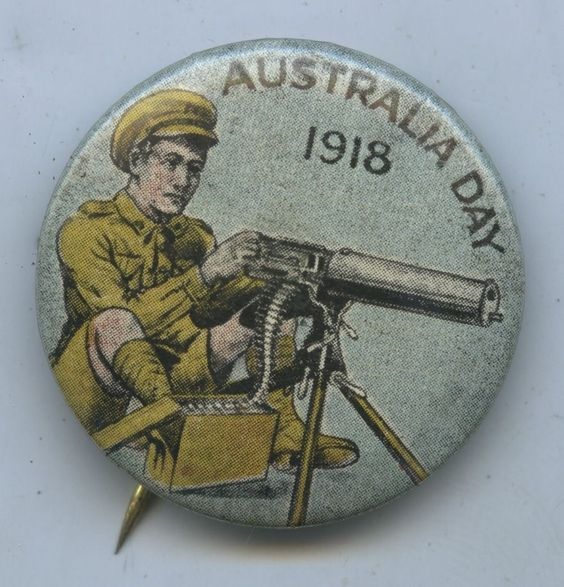
Australia Day 1918, Red Cross Fundraising Activities in Camden

Australia Day fundraisers in 1918 played a crucial role in supporting the war effort, with various activities such as selling badges, public subscriptions, prayer services, lectures, and door-knocks. The Camden Red Cross raised a significant amount, as did Menangle and Narellan branches. The total effort amounted to ยฃ748, a substantial sum for the time.

Active citizenship · Agency · Anzac · Australian Red Cross · British Red Cross · Camden Red Cross · Camden Story · Community Health · Community identity · Community organisations · Community work · Country town · Craft · Cultural Heritage · First World War · History · Interwar · Lady Helen Munro Ferguson · Local Studies · Lost Camden · Medical history · Medical Humanities · Military history · Nationalism · Not-for-profit · Nursing · Patriotism · Place making · Political history · Red Cross · Red Cross Humanitarianism · Red Cross Movement · Second World War · Sense of place · Small town · Social History · Stories · Storytelling · Trauma · VAD · Voluntary Aid Detachment · Volunteering · War · War at home · Wartime · Women's agency · Women's history · Women's stories · World War One

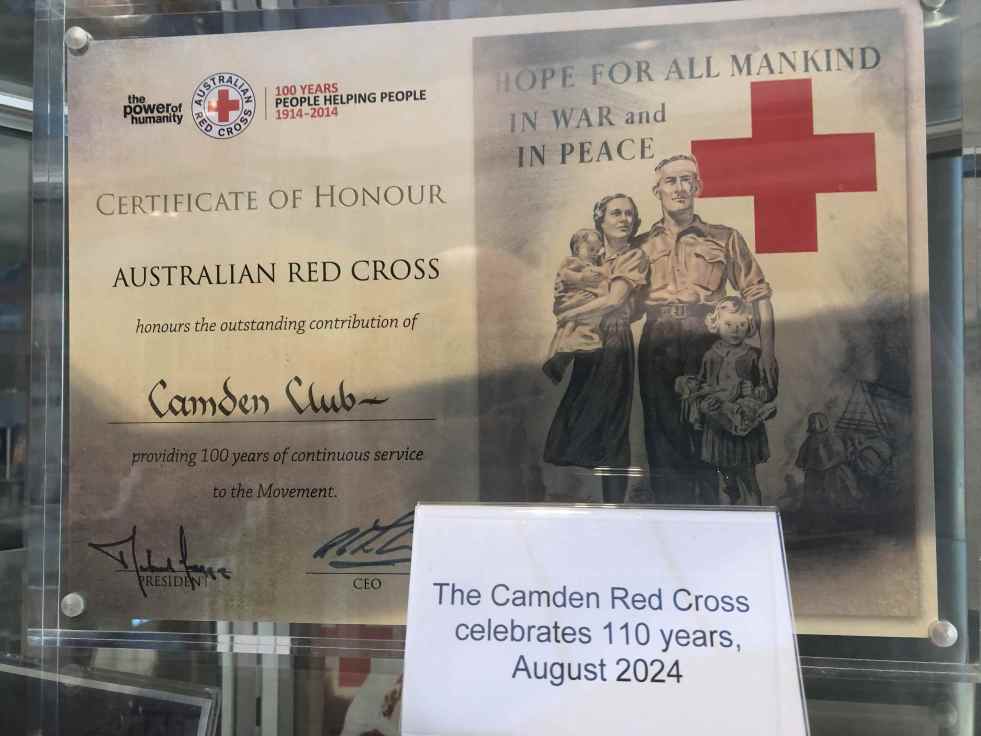
Camden Red Cross 110 Years Display: Objects and Ephemera Exhibition 2024

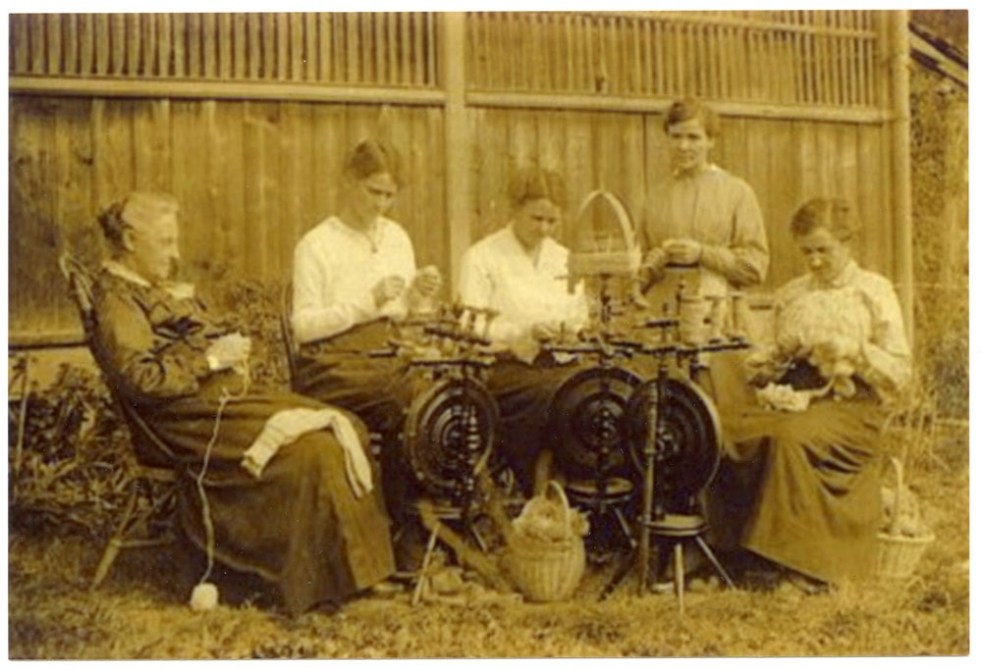
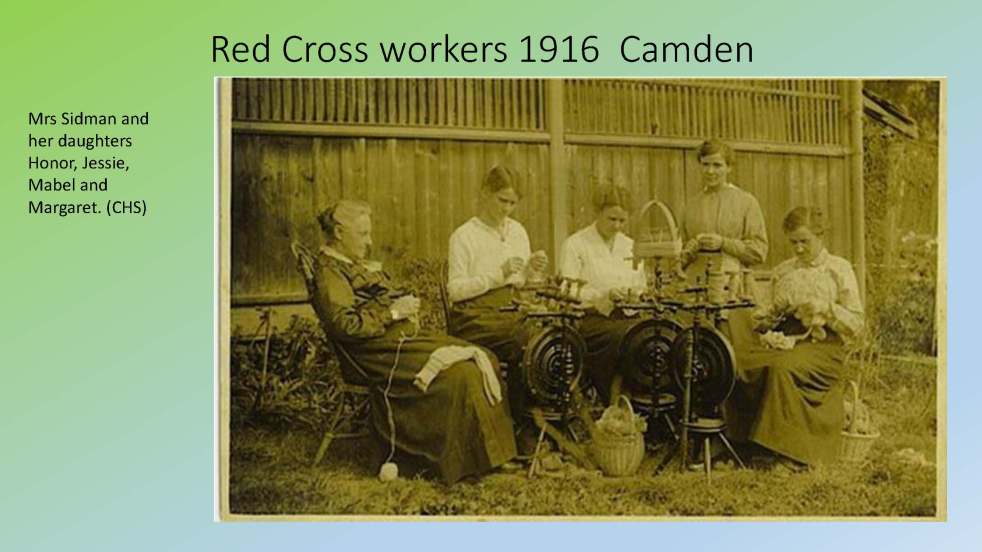
The Camden Red Cross exhibition at Camden Library in August 2024 showcased the historical contributions of local women to the Red Cross during World Wars I and II. Women from the Camden district played a pivotal role in supporting soldiers and shaping the narrative of the Australian Red Cross, creating over 20,300 articles in 40,000 volunteer hours during WWI.

Attachment to place · Belonging · British Heritage · British Red Cross · Camden · Camden Red Cross · Camden Story · Collective Memory · Community Health · Community organisations · Community work · Cultural Heritage · First World War · Health History · Helen Munro Ferguson · Heritage · History · Humanitarianism · Ideology of Motherhood · Local Studies · Medical history · Medical Humanities · Memory · Metaphor · Motherhood · Myths · Nationalism · Patriotism · Placemaking · Red Cross · Red Cross Humanitarianism · Red Cross Movement · Social History · Stereotypes · Stories · Storytelling · Symbolism · Trauma · VAD · Voluntary Aid Detachment · Volunteering · Volunteerism · War · War at home · Wartime · Women's history · Women's stories · World War One

Ministering Angels, Myth and the Red Cross on the Australian Wartime Homefront

The paper presented at the 33rd Annual Conference of the Australian Historical Association at the University of Queensland in 2014 explored the role of Australian country women in supporting the Red Cross during the First World War. The paper focused on the Camden District Red Cross, emphasizing the conservative womenโ€™s empowerment in embracing the Red Cross, serving as ministering angels, and upholding patriotic values. Total words: 78

20th century · Active citizenship · British Heritage · British Red Cross · Collective Memory · Community identity · Cultural Heritage · First World War · Gender · Humanitarianism · Ideology of Motherhood · International Relief · Lady Helen Munro Ferguson · Living History · Medical history · Medical Humanities · Memory · Metaphor · Modernism · Motherhood · Nationalism · Propaganda · Red Cross · Red Cross Humanitarianism · Red Cross Movement · Second World War · Sense of place · Sewing · Small communities · Small town · Social History · Stories · Storytelling · Symbolism · Trauma · Voluntary Aid Detachment · Volunteering · Volunteerism · War · War at home · Wartime · Women's agency · Women's history · Women's stories · World War One

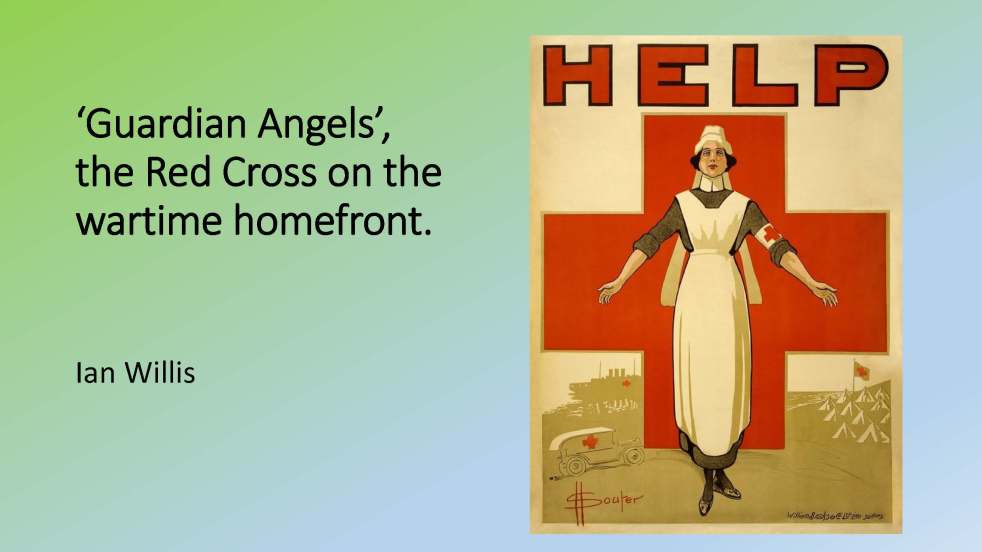
โ€˜Guardian Angelsโ€™, the Red Cross on the wartime homefront

During the First World War, Australian women independently joined the Red Cross to support the war effort. The Red Cross provided a space for women to express agency and contribute to the war through practical activities and fundraising. The organization's local branches established a sense of community and played a significant role in the homefront war effort.

Active citizenship · Australian Red Cross · British Red Cross · Collective Memory · Cultural Heritage · Health History · Humanitarianism · Ideology of Motherhood · International Relief · Medical history · Medical Humanities · Modernism · Motherhood · Nationalism · Philanthropy · Poster Art · Propaganda · Public art · Red Cross · Red Cross Humanitarianism · Red Cross Movement · Trauma · Volunteering · Volunteerism · War · War at home · Wartime · Women's agency · Women's history · Women's stories · World War One

โ€˜Angels Of Mercyโ€™, The Red Cross On the Homefront During the First World War

During World War I, the Australian Red Cross mobilized women as 'Angels of Mercy' and 'ministering angels' to provide aid with strong moral overtone. The organization used motherhood imagery to rally support, portraying itself as the 'Greatest Mother in the World'. This approach effectively garnered community backing and positioned Red Cross workers as soldiers' guardian angels.

Agency · Australian Red Cross · British Red Cross · Bushfires · Community · Community organisations · Community work · Cultural Heritage · Health History · Helen Munro Ferguson · History · History of Emotion · Humanitarianism · Ideology of Motherhood · International Relief · Living History · Medical history · Medical Humanities · Motherhood · Nationalism · Patriotism · Red Cross · Red Cross Humanitarianism · Red Cross Movement · Social History · Storytelling · Trauma · Voluntary Aid Detachment · Volunteering · Volunteerism · War · War at home · Wartime · Women's history · Women's stories · World War One

Red Cross humanitarianism and female volunteers in Australia

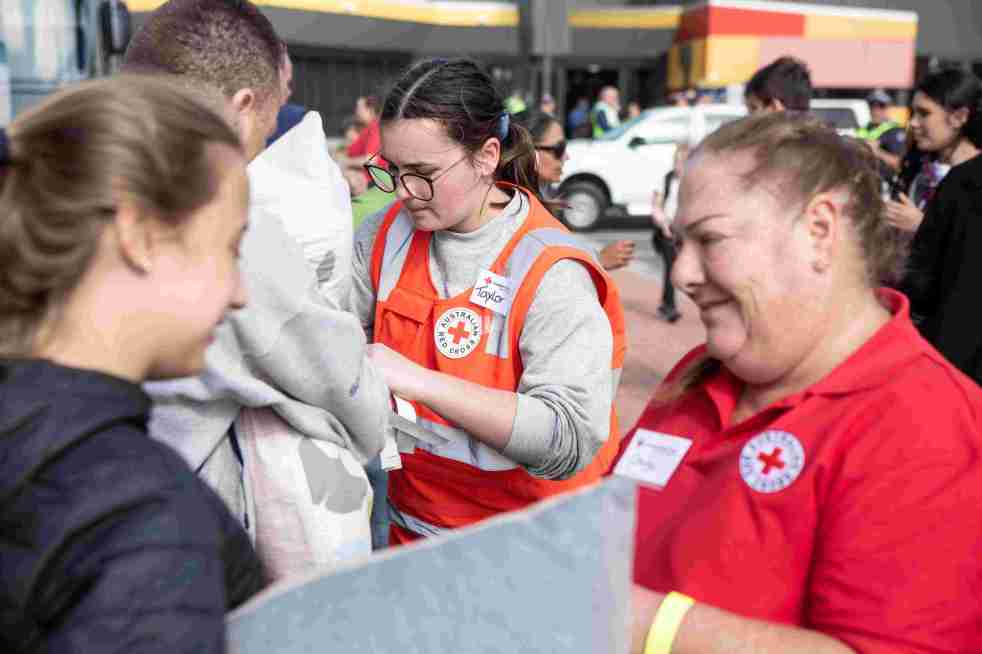
The Australian Red Cross has a long history of female volunteers providing aid to disaster victims. These women, often undervalued, found opportunities for social and political agency within the organization. Through fundraising and volunteering, they significantly contributed to the welfare of soldiers during the First and Second World Wars, yet their achievements have often been overlooked.