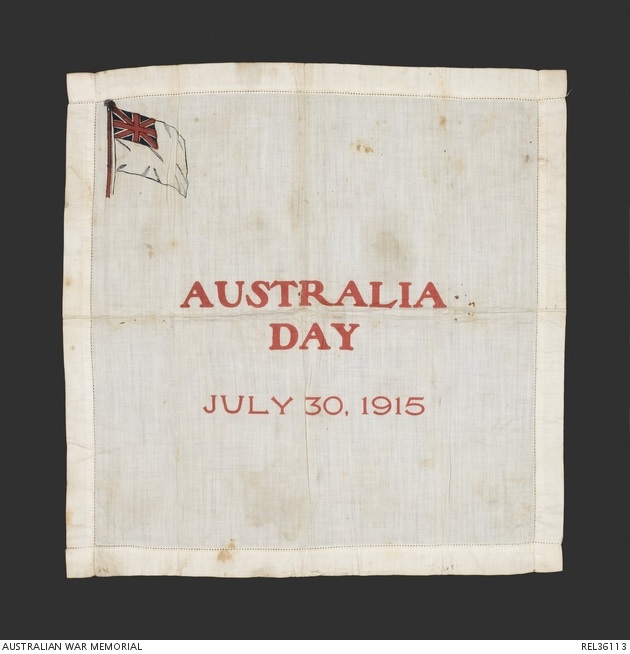
Australian women played a crucial role in the first Australia Day on July 30, 1915, which aimed to support sick and wounded soldiers from World War I. Originally suggested by Ellen Wharton-Kirke, the day centered on fundraising for the Red Cross. Women's contributions towards Australia Day remain overlooked in historical narratives surrounding Australia Day and the Anzac story.
Category: Patriotism

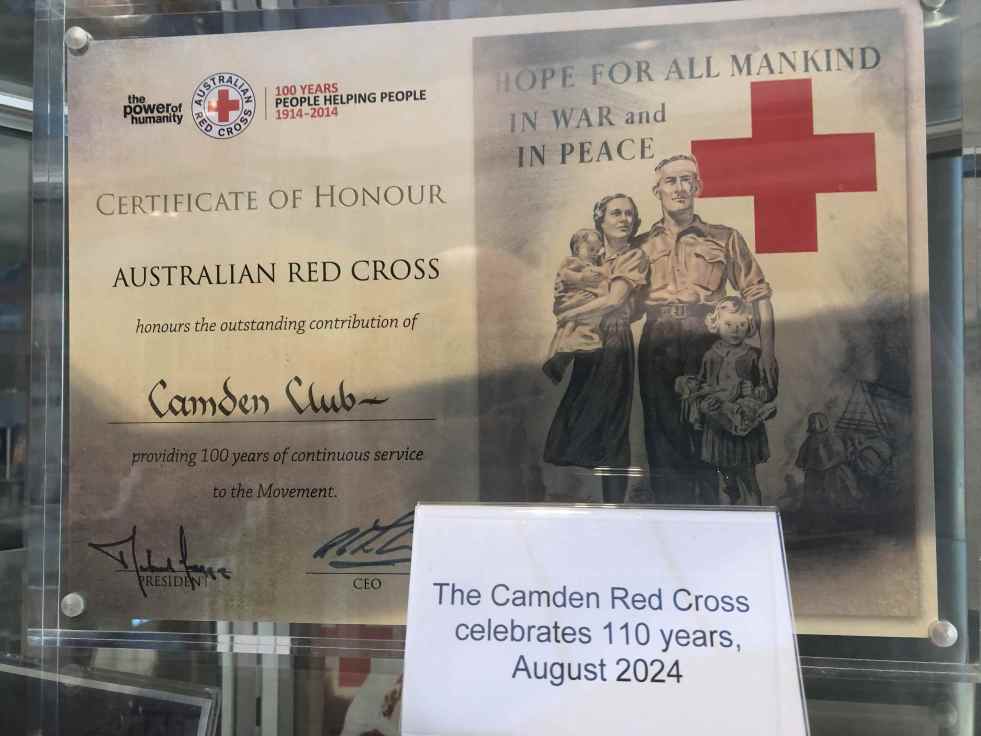
Camden Red Cross 110 Years Display: Objects and Ephemera Exhibition 2024
The Camden Red Cross exhibition at Camden Library in August 2024 showcased the historical contributions of local women to the Red Cross during World Wars I and II. Women from the Camden district played a pivotal role in supporting soldiers and shaping the narrative of the Australian Red Cross, creating over 20,300 articles in 40,000 volunteer hours during WWI.
Share this:

Share this:
Ministering Angels, Myth and the Red Cross on the Australian Wartime Homefront
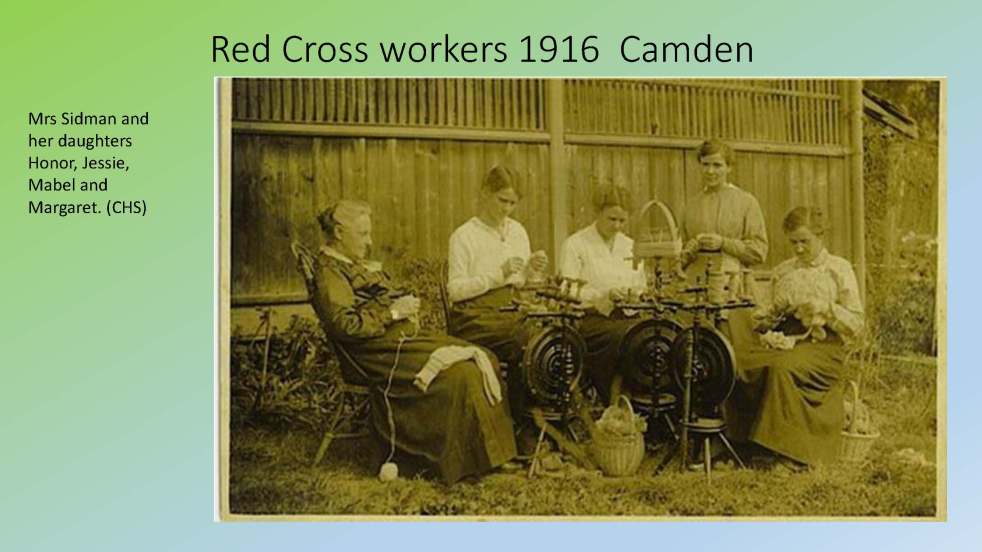
The paper presented at the 33rd Annual Conference of the Australian Historical Association at the University of Queensland in 2014 explored the role of Australian country women in supporting the Red Cross during the First World War. The paper focused on the Camden District Red Cross, emphasizing the conservative women’s empowerment in embracing the Red Cross, serving as ministering angels, and upholding patriotic values. Total words: 78
Share this:

Share this:
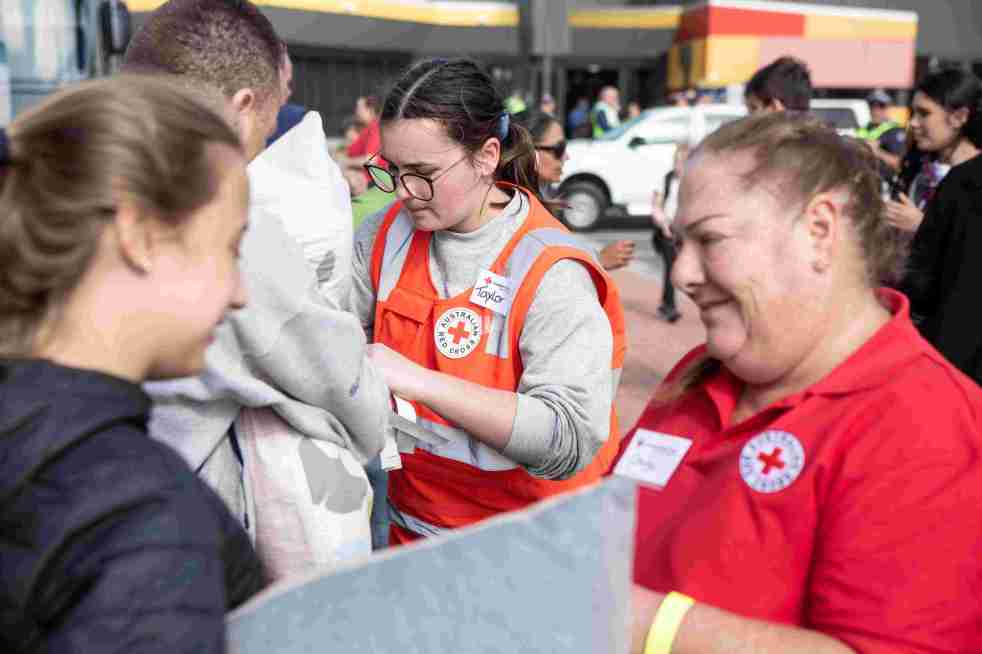
Red Cross humanitarianism and female volunteers in Australia
The Australian Red Cross has a long history of female volunteers providing aid to disaster victims. These women, often undervalued, found opportunities for social and political agency within the organization. Through fundraising and volunteering, they significantly contributed to the welfare of soldiers during the First and Second World Wars, yet their achievements have often been overlooked.
Share this:

Share this:
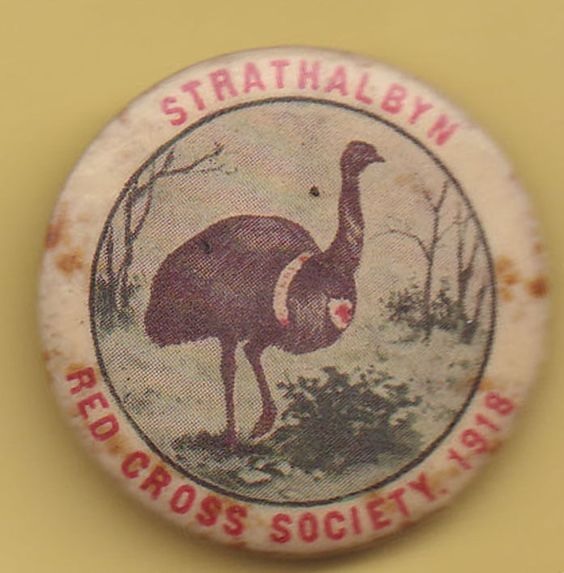
New South Wales Women and the Red Cross: A Noble Cause
During the First World War in Australia, the Red Cross organization saw enthusiastic support from New South Wales women, spurred on by Lady Helen Munro Ferguson and the state's elite. The movement mobilized thousands for war support, with both urban and rural branches contributing countless hours and funds to provide comfort and aid to soldiers.
Share this:

Share this:

Menangle School of Arts hall, the heart of a village, under redevelopment
The Menangle Community Association is leading a project to replace the former Menangle School of Arts with a modern community hall.
Share this:

Share this:

Red Flanders poppies, a field of memories
The red poppy carries a lot of symbolism in cultural mythologies from remembrance to sacrifices. The simple flower triggers outpouring of emotion, memories and commemorations on Anzac Day and Remembrance Day every year.
Share this:

Share this:

Waley Convalescent Home at Mowbray Park
In 1919 Mowbray Park, five kilometres west of Picton, was handed over to the Commonwealth Government to be converted to a convalescent home for invalided soldiers from the First World War. The home was called Waley after its philanthropic benefactors.
Share this:

Share this:
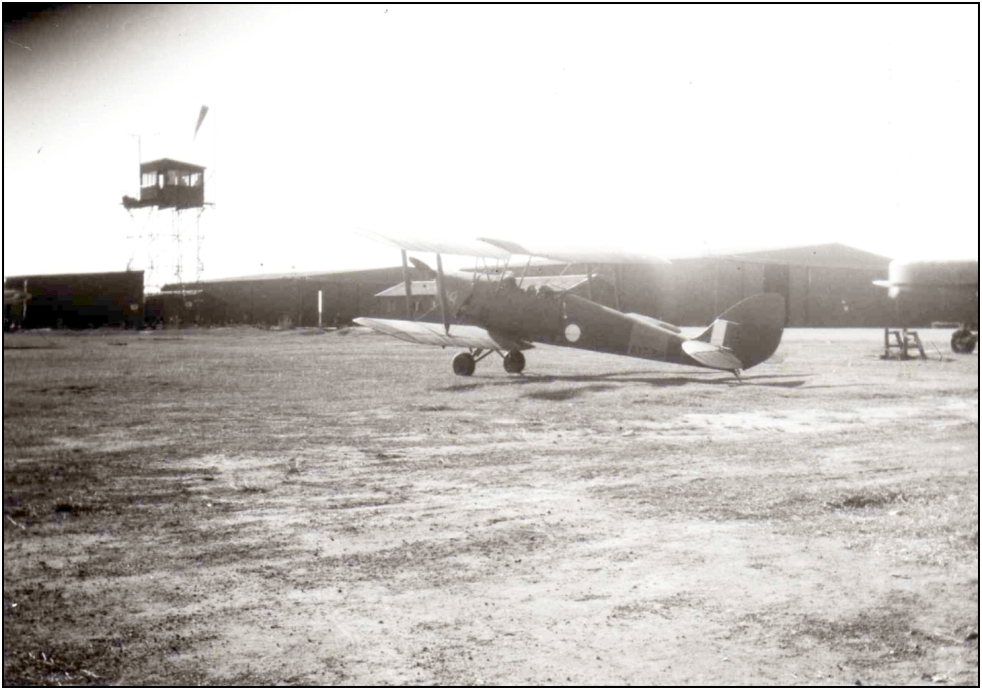
Understanding Bellman Hangars: Camden’s WWII Heritage
Camden Airfield's Bellman hangars, erected during World War II, served as transportable structures for the RAAF Central Flying School under the Empire Air Training Scheme. British-designed by NS Bellman in 1936, these hangars represent Australia's aviation heritage and were crucial for pilot training. Over 280 were supplied across Australia and New Guinea and are part of the country's aviation archaeology.
Share this:

Share this:
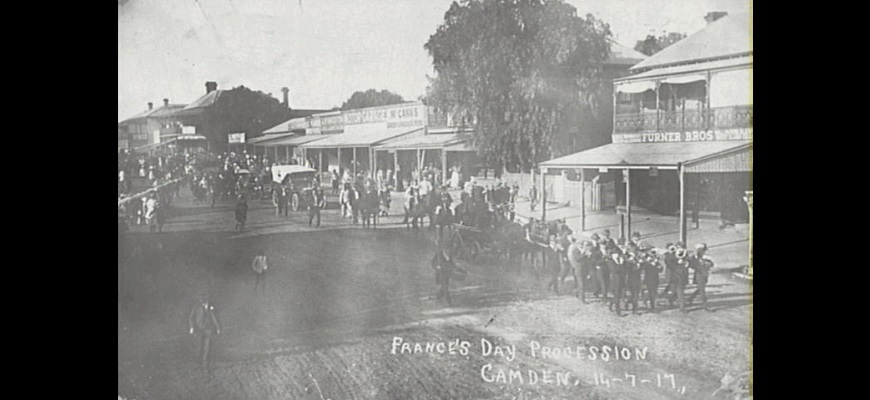
Camden and its French Connections
Camden had a number of connections with France during the First World Ward and they have been recorded on the pages of the Camden News. They included Bastille Day celebrations and the memoirs of William Sidman in Paris in 1870 at the outbreak of the Franco-Prussian war.

