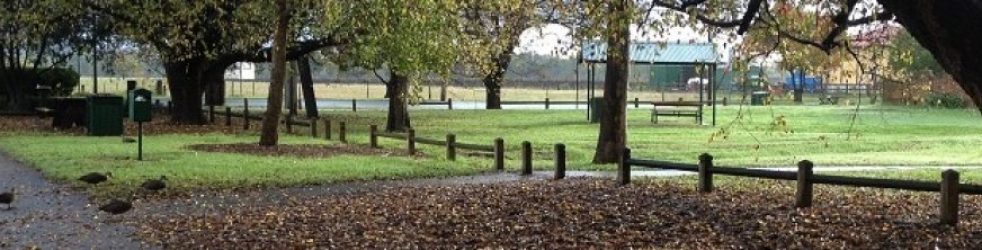

This article discusses the concept of a "country town idyll" in Camden, an idealised version of a country town from an imagined past that uses history to construct imagery based on Camden's heritage buildings and other material fabrics. The paper delves into the origins of the idyll, examines its development, and investigates its validity in its contemporary context. It shows how its supporters have used history as a community asset to remake Camden's identity and explore how the 'country town idyll' has been used variously as a political weapon, a marketing tool, and a tourist promotion.
Category: Stories

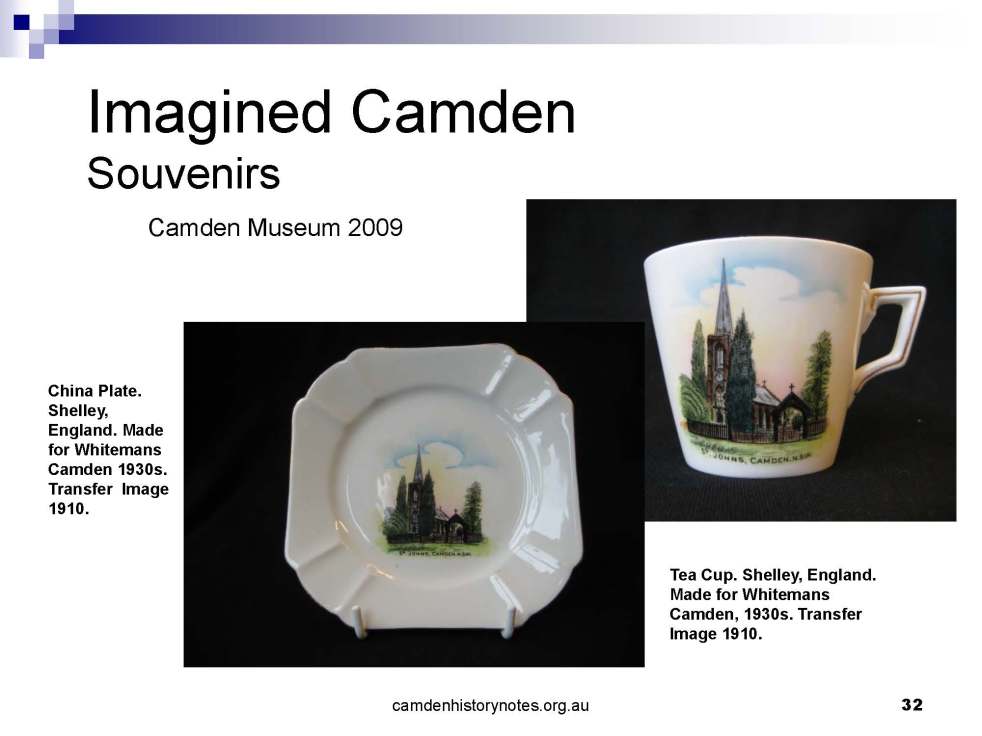
Camden, the making and re-making of familiar places
This presentation at the WEA-RAHS Seminar Series on 28 October 2009 at History House, Sydney, explores the conflict between urban expansion and the desire to preserve Camden's identity as a country town. It delves into the tension between nostalgic ideals and the reality of modern development in the area.
Share this:

Share this:
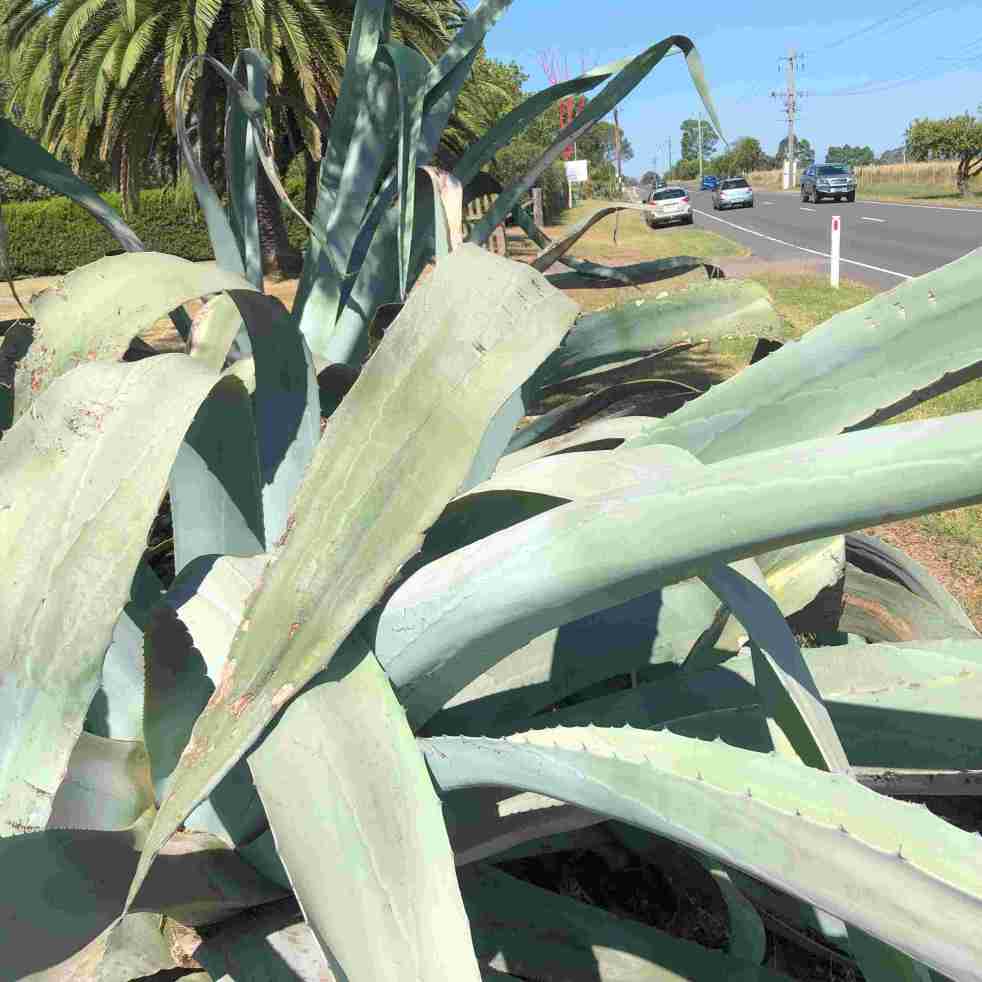
Agave on Cawdor Road, a part of local folklore
The agave plants near Cawdor Road, Camden, have become part of local folklore, with stories spanning murder, historical colonial gardens, and Indigenous conflict. These slow-growing succulents have sparked controversy and conjecture, with their true history and significance remaining a mystery. Despite attempts to uncover the truth, the agave's legend endures across generations.
Share this:

Share this:
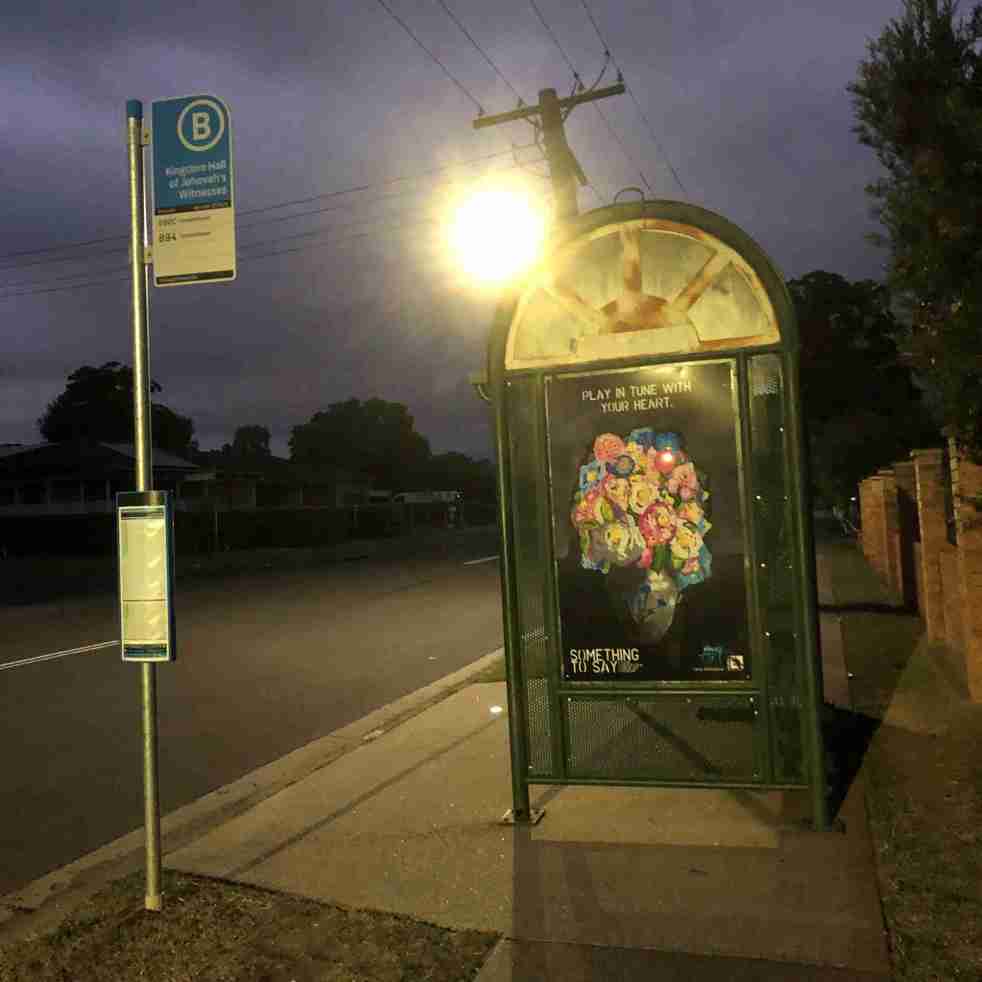
Public Art, Young Women Artists Have Something to Say
Young women artists from the Camden area have had their artworks on public display in a program called Something to Say. The art installations were located outside the Camden Council administration building at Oran Park NSW from late 2023 to early 2024..
Share this:

Share this:
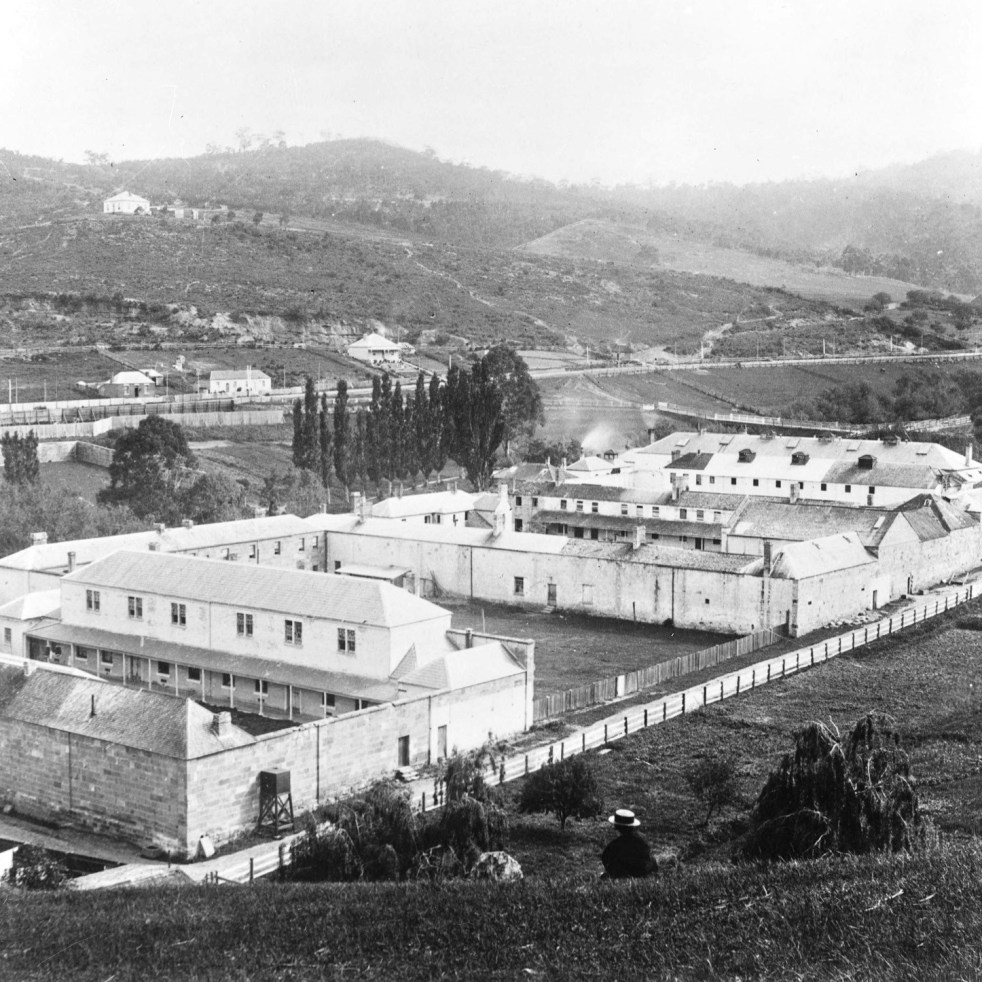
Public art in Hobart tells the story of female convicts in Van Diemen’s Land
Public art has been used in Hobart to reveal stories of female convicts that have been hidden in the shadows for decades on the Hobart waterfront and at the Cascades Female Factory.
Share this:

Share this:
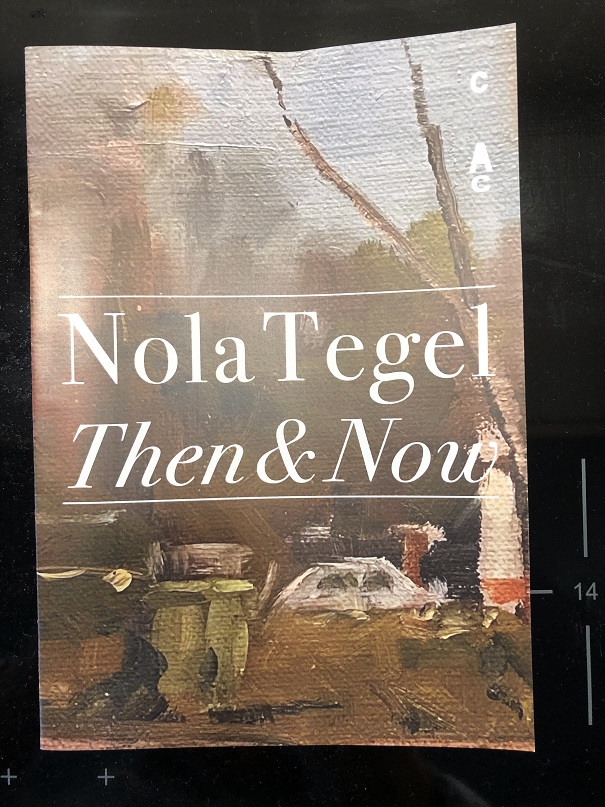
Exploring Camden Realism: Art as storytelling
Camden Realism is an art style emerging in the Macarthur region, characterized by storytelling through representational artworks. Artists like Nola Tegel and Patricia Johnston, influenced by Alan Baker, capture local history and change. Exhibitions at Campbelltown Arts Centre showcase their work, reflecting the evolving landscape and community identity.
Share this:

Share this:
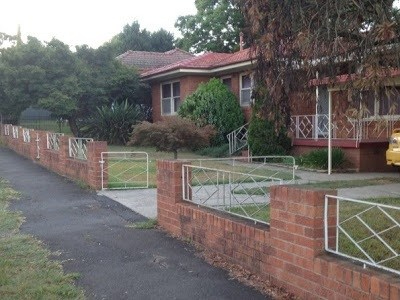
Mid-Century Modernist Homes in Elderslie
In the 1960s, modernism significantly influenced the community of Elderslie, where miners sought contemporary homes. Innovative house designs reflected mid-20th-century trends, including American Ranch styles. Australian architects, like Robin Boyd, contributed to housing projects across the country, merging modern aesthetics with traditional Federation-style homes. These trends influenced the design of local mid-century housing style, resulting in a unique urban landscape.
Share this:

Share this:
Westies, Bogans and Yobbos. What’s in a name?
The article explores regional identity in Sydney's Macarthur district, focusing on the communities of Campbelltown, Camden, and Picton. It discusses the strong local attachment to identity, which is challenged by perceptions of western Sydney as a cultural wasteland. Jeff McGill’s criticism of regional labeling sparked significant community response, revealing a conflict over identification and stereotypes. While Macarthur's regionalism reflects urban expansion, it struggles for acceptance amidst historical, cultural, and emotional ties that residents hold with their distinct localities.

