20th century · Adaptive Re-use · Aesthetics · Architecture · Attachment to place · Belonging · Burra Charter · Camden Story · Church History · Churches · Collective Memory · Commemoration · Community identity · Cultural Heritage · Elderslie · Families · Family history · Farming · First World War · Genealogy · Heritage · History · Living History · Local History · Local Studies · Memorial · Place making · Placemaking · Sense of place · St Mark's Church Elderslie · Urban development · Urban growth · Urbanism · Village · Wartime

St Mark’s Church Elderslie, the little church on the hill

St Mark's Church Elderslie tells the story of a small farming community that has disappeared through the mists of time. The history of St Mark’s church is the history of Elderslie, and the church was a special place of community celebrations and commemorations along with family celebrations, traditions, and events. The church has been a gathering place, a sacred site.

1920s · 20th century · Adaptive Re-use · Architecture · Attachment to place · Burra Charter · Camden · Camden Council · Camden Historical Society · Camden Story · Camden Town Centre · Colonial Camden · Community identity · Cultural Heritage · Education · Heritage · Historical Research · Historical thinking · History · History of a house · House history · Housing · Lifestyle · Living History · Local History · Local Studies · Macarthur · Mid-century modernism · Modernism · Place making · Sense of place · Storytelling · Town planning · Urban Planning · Urbanism

Camden’s heritage inventory

The Camden Heritage Inventory has a list of Camden properties of local and state significant to the district. The formation of the Camden Council Heritage Advisory Committee has assisted the promotion of heritage in the Camden LGA.

Adaptive Re-use · Aesthetics · Architecture · Attachment to place · Burra Charter · Business · Business History · Camden · Camden Town Centre · Collective Memory · Colonial Camden · Community identity · Country town · Cultural Heritage · Cultural icon · Economy · Edwardian · Entertainment · Family history · First World War · Heritage · Historical consciousness · Historical Research · History · Interwar · Living History · Local History · Local Studies · localism · Memory · Modernism · Place making · Placemaking · Retail history · Retailing · Ruralism · Sense of place · Shopping · Small communities · Stereotypes · Storytelling · Streetscapes · Tourism · Urban development · Urban growth · Victorian

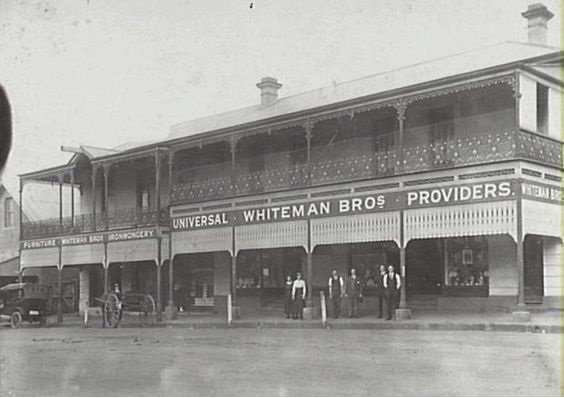
Whiteman commercial buildings in Camden, an example of adaptive re-use

The Whiteman's General Store, a historic Victorian colonial building in Camden, has been successfully repurposed through the Burra Charter principles of adaptive reuse, maintaining its architectural integrity. Operating continuously for over 135 years, it now houses various retail and professional outlets, contributing significantly to the town's charm and community identity.