19th Century · Agricultural heritage · Agriculture · Agriculture history · Attachment to place · Australian History · Belonging · British colonialism · Business History · Colonial Australia · Colonial Camden · Colonial frontier · Colonial garden · Colonial NSW · Colonial Settler Community · Colonialism · Cowpastures · Cowpastures district · Cowpastures Estates · Cowpastures Gentry · Cowpastures Region · Cowpastures River · Cultural Heritage · Dairying · Economy · England · Families · Family history · Farming · Heritage · John Hawdon · Letters · Local Studies · Place · Place making · Placemaking · Regionalism · Settler colonialism · Settler Society · Social History · Uncategorized

Insights from the Hawdon Letters: Colonial Life in NSW, Part 3, 1833-1837

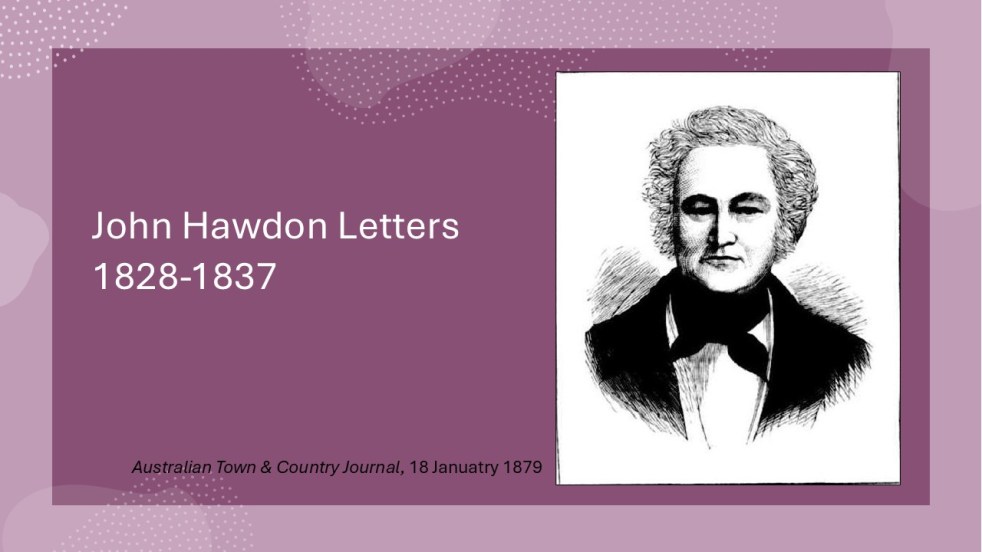
The letters of John Hawdon and others from 1828 to 1837, preserved in the State Library of NSW, provide insights into colonial life in New South Wales. They highlight themes of isolation, communication challenges, economic struggles, and attitudes toward gender and Indigenous populations, alongside Hawdon's farming experiences and family connections.

1930s · Aesthetics · Agricultural heritage · Agriculture history · British Heritage · Camden Park Estate · Camden Park House and Garden · Camden Story · Canberra · Colonial garden · Commemoration · Cowpastures Gentry · Elizabeth Farm · Elizabeth Macarthur · Garden history · Gardening · Gender · Heritage · History · History of wool industry · Johm Macarthur · Landscape aesthetics · Living History · Macarthur family · Memorial · Memorialisation · Memorials · Memory · Nationalism · Philanthropy · Roses · Sibella Macarthur Onslow · Social History · Uncategorized · Volunteering · Volunteerism · Women's history · Women's stories

Canberra’s Macarthur Garden: a tribute to Australia’s wool pioneers and their contribution to the foundation of the nation

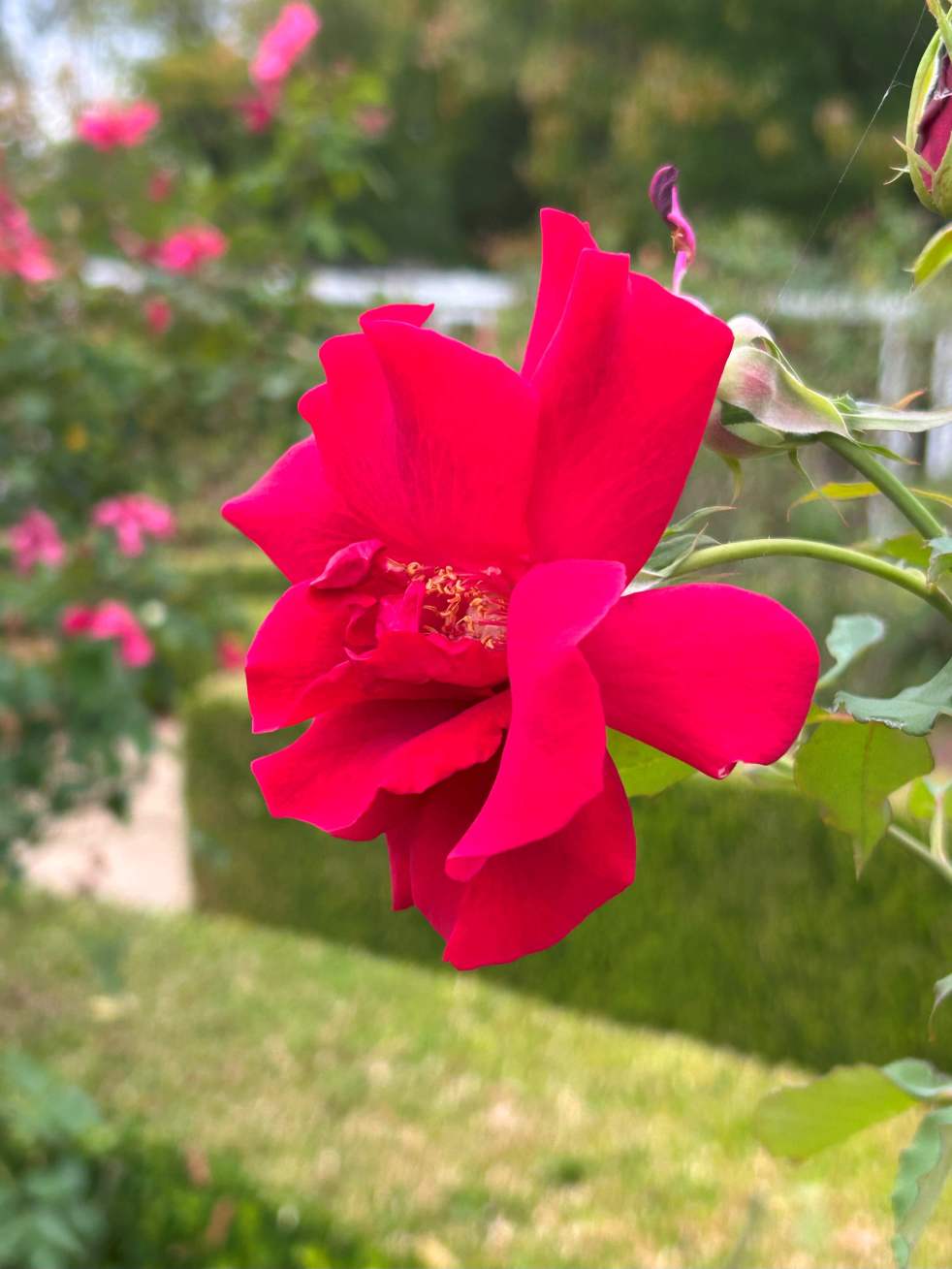
The Macarthur Rose Garden in Canberra commemorates John and Elizabeth Macarthur's pivotal role in Australia's fine wool industry. Donated by their great-granddaughter, Sibella Macarthur Onslow, the garden features roses symbolizing hope and gratitude. Established from 1937-1938, it reflects the connection between the Macarthurs and Australiaโ€™s early nationalism.

19th Century · 20th century · Aesthetics · Architectural History · Architecture · Art · Artists · Artworks · Book · Built Heritage · Colonial Architecture · Colonial Australia · Colonial Camden · Colonial frontier · Colonial garden · Community identity · Cowpastures · Cowpastures district · Cowpastures Gentry · Cowpastures Region · Cultural Heritage · Gardening · Georgian · Heritage · History · House history · Housing styles · Interwar · Landscape aesthetics · Local History · Local Studies · Narellan Built Heritage · Place making · Placemaking · Regionalism · Residential Housing Style · Sense of place · Settler colonialism · Settler Society · Storytelling · Uncategorized · Victorian · William Hardy Wilson

Unveiling Hardy Wilson’s architectural legacy and his influence on Camden’s aesthetics

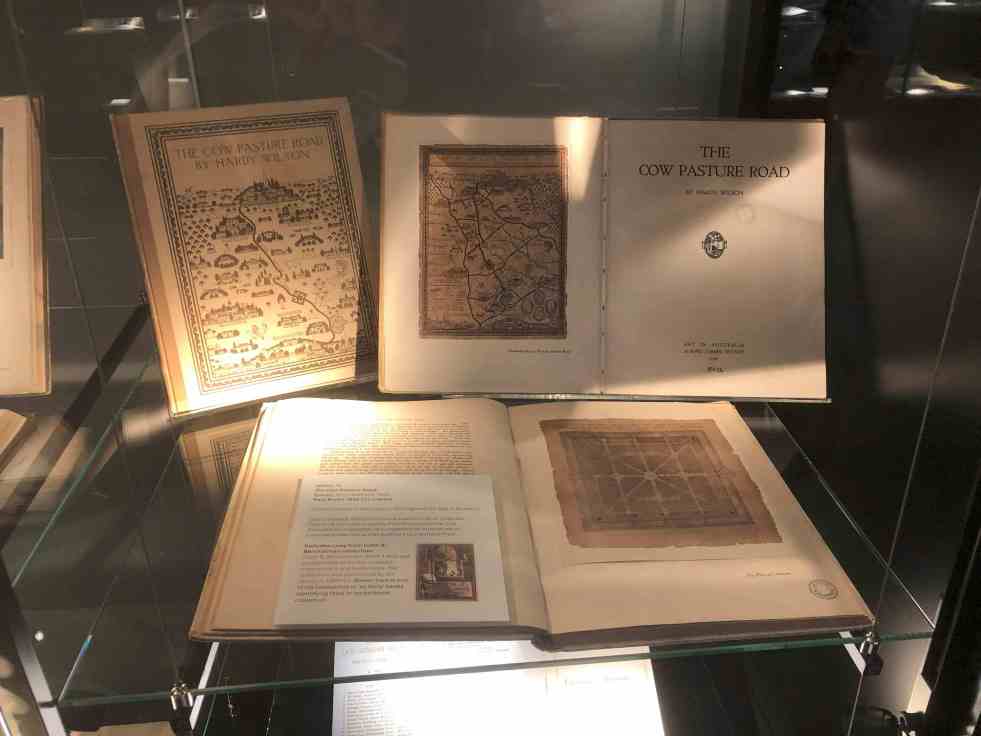
William Hardy Wilson, a largely unrecognized architect and artist, authored The Cow Pasture Road in 1920, impacting Camden's cultural narrative. His work celebrates colonial architecture and aesthetics, leading to a recent exhibition at the University of Sydney Library, which explores his dual legacy as both a visionary artist and controversial figure in Australian history.