1920s · 1930s · 20th century · Advertising · Aesthetics · Agricultural heritage · Agricultural modernism · Agriculture · Agriculture history · Architectural History · Architecture · Business History · Cafes · Camden Built Heritage · Camden Interwar · Camden Modernism · Camden Park Estate · Camden Red Cross · Camden Vale · Camden Vale Inn · Camden Vale Special Milk · Community identity · Country Charm · Country town idyll · Cultural Heritage · Cultural memory · Dairy Farmers Cooperative · Dairying · England · English style aesthetics · Englishness · Interwar · Macarthur family · Medical history · Medical Humanities · Milk · Milk-borne disease · Place · Place making · Placemaking · Red Cross · Retail history · Retailing · Shopping · Stories · Storytelling · Tourism · Tuberculosis

Camden’s Unique Interwar Tudor Revival Milk Bar

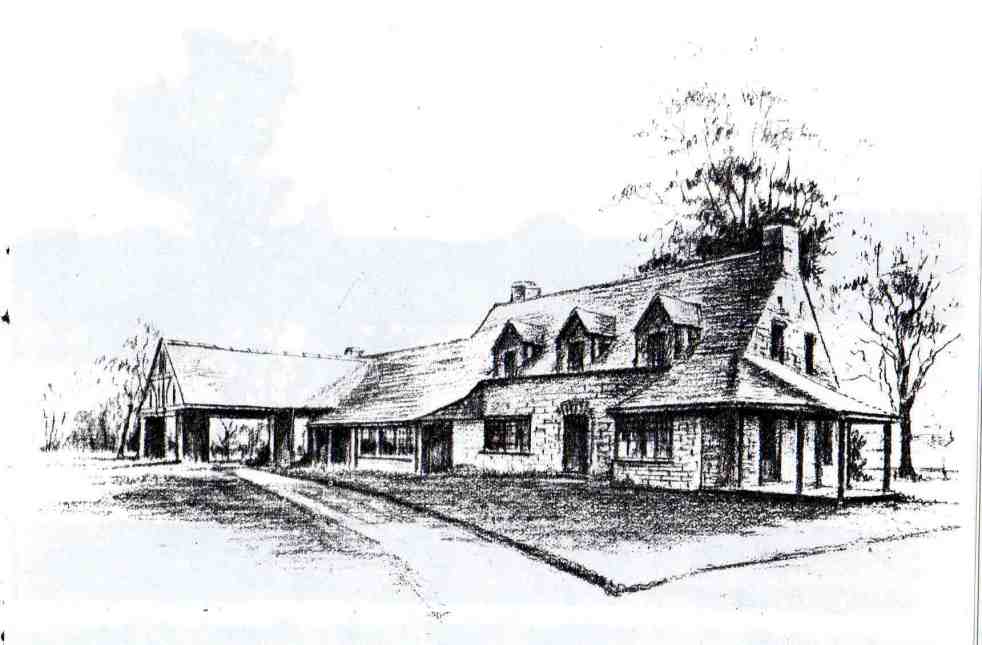
The Camden Vale Inn Milk Bar, opened in 1939, was created to promote disease-free milk from Camden Park Estate during a period of health awareness. Designed in an 'Old English' style by architect Cyril Ruwald, it featured drive-through service and supported the Red Cross during WWII. It later evolved into a restaurant and hotel.

Aesthetics · Art · Attachment to place · Australia · Belonging · Camden · Camden Airfield · Camden Park House and Garden · Community identity · Cultural Heritage · Cultural icon · Denbigh · England · Entertainment · Farming · Fashion · Festivals · Gothic · Heritage · Historical consciousness · Historical Research · Historical thinking · History · Interwar · Landscape aesthetics · Leisure · Lifestyle · Living History · Local History · Local Studies · Macarthur · Memorials · Memory · Modernism · Monuments · Moveable Heritage · Movies · Myths · Place making · Public art · Re-enactments · Ruralism · Sense of place · Stereotypes · Streetscapes · Sydney · Sydney's rural-urban fringe · Technology · Theatre · Tourism · Travel · TV Series Shows · Victorian · Volunteerism · War

Movie making Camden style

Filmmakers have long been drawn to Camden's English countryside setting for movie backdrops. The area has hosted various films, including silent movie Silks and Saddles (1921), wartime drama The Rats of Tobruk (1944), series like A Place to Call Home (2012), and modern productions like Peter Rabbit (2018, 2020). It continues to attract filmmakers seeking a classic English aesthetic for their productions.

Aesthetics · Art · Attachment to place · British colonialism · Camden · Camden Community Garden · Camden Park House and Garden · Camden Produce Market · Camden Town Farm · Campbelltown Art Centre · Colonial Camden · Colonialism · Community Health · Community identity · Cultural Heritage · Cultural icon · England · Entertainment · Fashion · Festivals · Heritage · Historical consciousness · History · Landscape aesthetics · Leisure · Living History · Local History · Macarthur · Memorials · Memory · Monuments · Moveable Heritage · Parks · Picton · Place making · Public art · Sense of place · Settler colonialism · War

Gardens: a special place

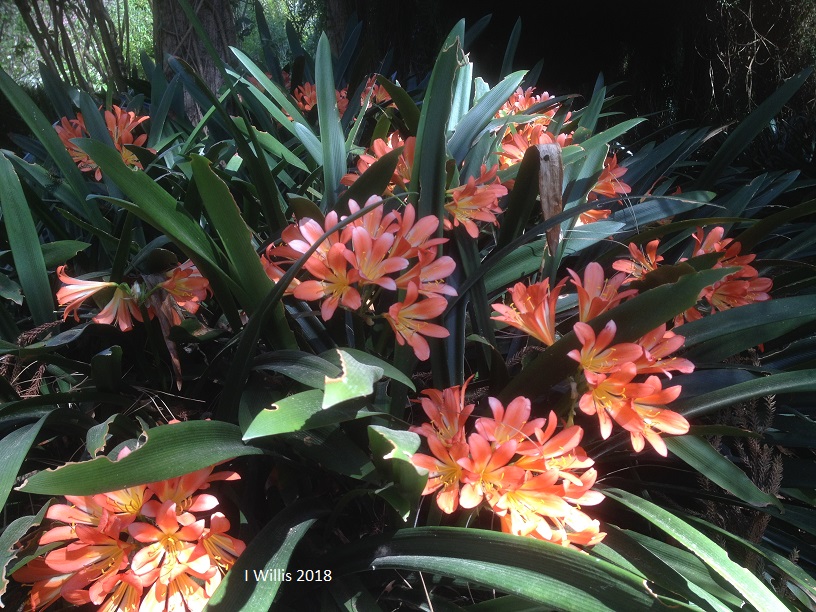
The gardens of the Macarthur region are a special place for wellness and wellbeing. The provide a quiet and contemplative landscape for relaxation and thought.

Aesthetics · Agriculture · Attachment to place · Australia · Belonging · British colonialism · Colonial Camden · Colonial frontier · Colonialism · Community identity · Convicts · Cowpastures · Cultural Heritage · Cultural icon · Curtilage · Economy · Elderslie · England · Farming · Frontier violence · Georgian · Gothic · Heritage · Historical consciousness · Historical Research · Historical thinking · History · Landscape · Landscape aesthetics · Local History · Local Studies · Macarthur · Narellan · Place making · Ruralism · Sense of place · Settler colonialism · Storytelling · Stuart Park Wollongong

John Hawdon of Elderslie in a settler society

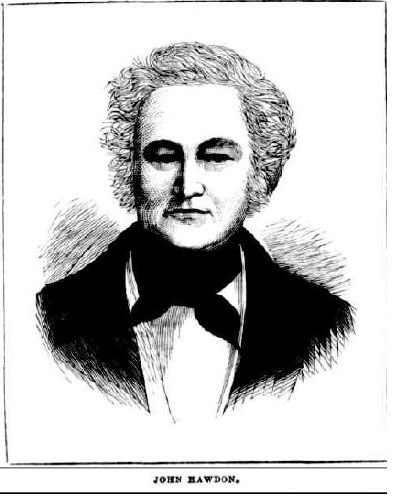
John Hawdon of Elderslie was part of the story of settler colonialism in New South Wales in the early 19th century.