
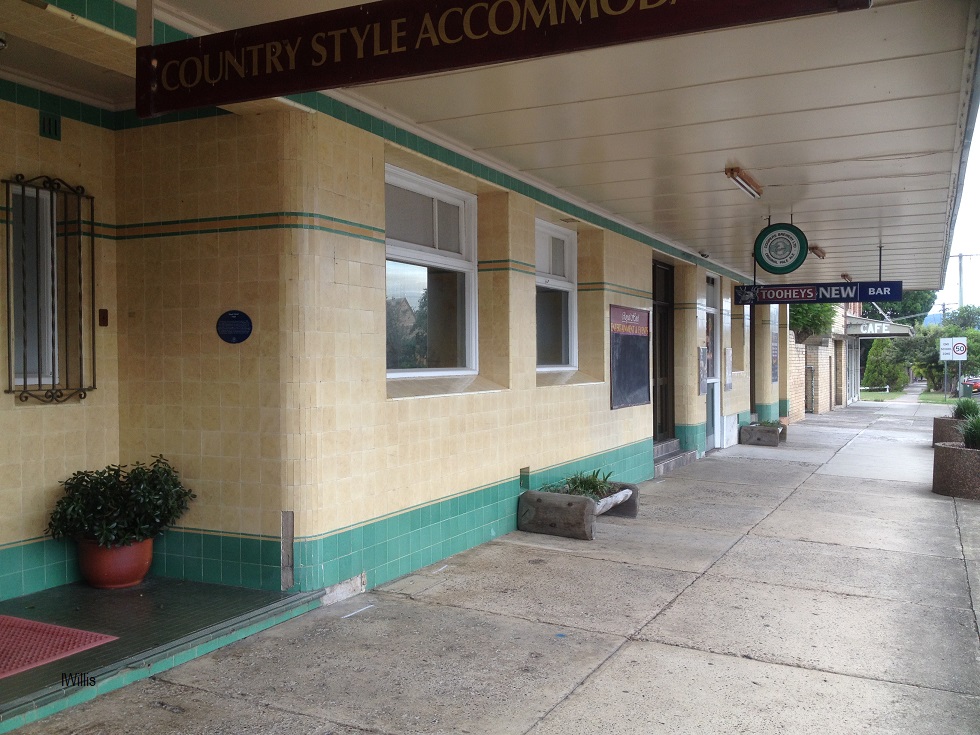
The Dungog Royal Hotel is an example of an Interwar Art Deco style hotel in an Australian country town
Tag: Interwar

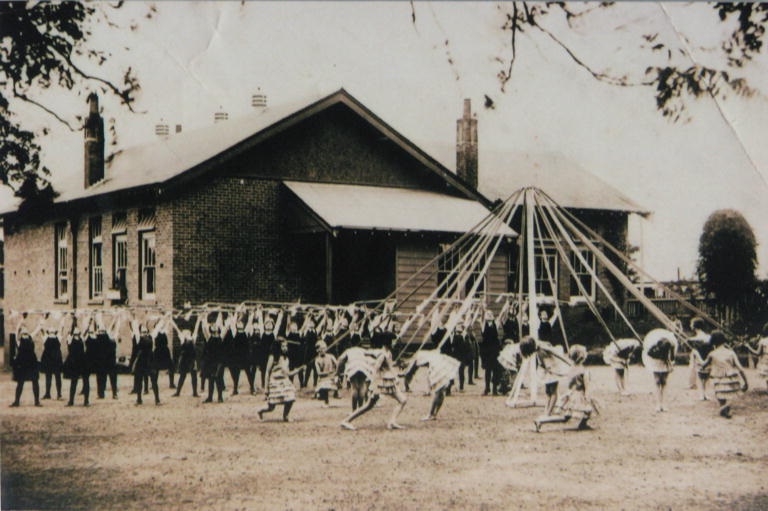
Memories of Cec Smith, bare feet and the adventures of flight in Camden
The memories of Cec Smith as a small boy in Camden vividly recall many events in the area. Flying pageants and parachuting practice at Macquarie Flying School along with other adventures were part of growing up in the area.
Share this:

Share this:
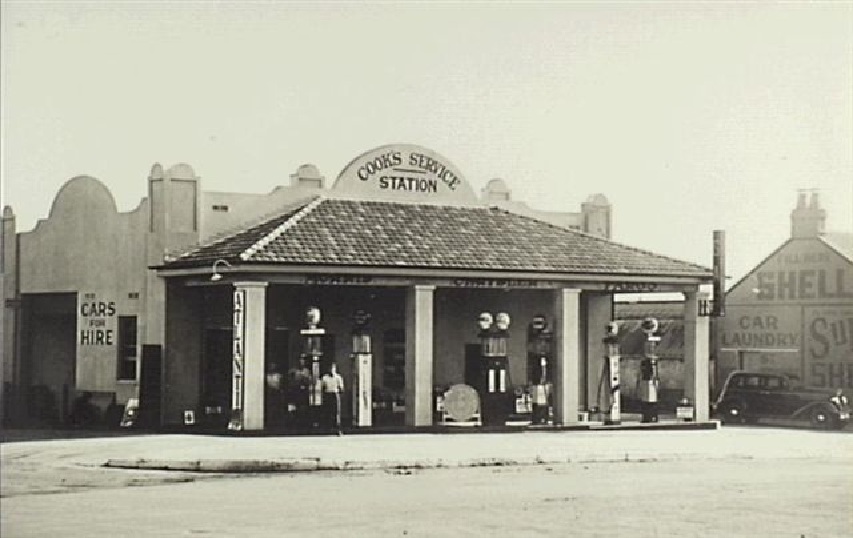
Camden modernism
Camden Modernism One of the hidden parts of the history of Camden is the influence of modernism. Few in the community know much about it at all. Yet it has an important influence on the town in a variety of ways from domestic and commercial architecture to host of other areas. Modernism is a vague… Continue reading Camden modernism
Share this:

Share this:
Interwar Camden, the heritage of a country town
During the interwar period, Camden experienced economic growth driven by dairy and coal industries. The town's population grew by over 35%, making it a vital commercial and administrative center. The Hume Highway and railway brought modern influences, leading to developments such as motor industry, cinemas, and the airfield. Camden has maintained its bucolic charm, but has also experienced urbanization pressure. The town centre has many buildings from the interwar period.
Share this:

Share this:
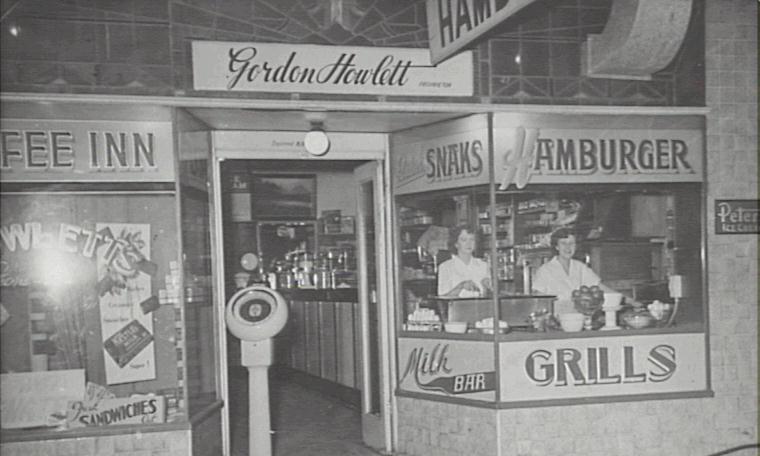
Discover Camden’s Iconic Milk Bars and Cafes
Camden's milk bars, established by Australian-Greek immigrants in the Interwar period, significantly influenced local food culture. With Art Deco designs, these cafes blended American food trends with Australian cuisine, offering various refreshments and meals. They served as social hubs, fostering community connections and breaking down social barriers, with lasting cultural nostalgia today.
Share this:

Share this:
Lady Street visited Camden in 1934
The Red Cross drew many important people to visit Camden during the Inter-war period. One of those was Lady Belinda Street, a member of the Street family, a dynasty of important Sydney barristers and judges. Lady Belinda Street was part of the influential network of friends and contacts that formed the circle that swirled around… Continue reading Lady Street visited Camden in 1934

