19th Century · Aesthetics · Art · Artists · Artworks · Camden Story · Community Health · Disease · Health and Medical History · Health History · History · Hope and loss · Medical history · Medical Humanities · Paintings · Public art · Scarlet fever · Sense of place · Social History · Storytelling · The Arts · Trauma

The Role of Scarlet Fever in Literature and Film

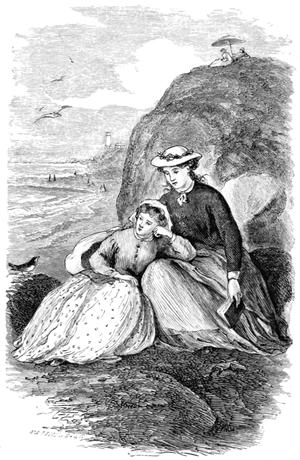
Scarlet fever, the disease, historically depicted in literature and film, caused widespread fear and hardship, significantly impacting dairy farming communities. Numerous works illustrate its societal ramifications and personal tragedies. Notable figures who contracted scarlet fever included Thomas Edison and members of the Darwin family. Scarlet fever emerged in Camden in the late 1890s, prompting the establishment of a cottage hospital due to its severe impact on dairy farmers.

20th century · Built Heritage · Camden Hospital · Health and Medical History · Health History · Heritage · Historian · History · Local History · Medical history · Place · Place making · Placemaking · Stories · Storytelling · Urban growth · Urban history

Camden’s First Hospital: A Historical Insight

Camden historian Dr. Ian Willis will present a paper on the origins of Camden Cottage Hospital at the 2025 Australian Historical Association Annual Conference. His paper, focusing on the hospital's role in rural health from 1899-1902, highlights community resilience and offers insights into local history and heritage in New South Wales.

19th Century · 20th century · Active citizenship · Anniversary Day · Australia Day · British colonialism · British Heritage · Camden · Camden Cottage Hospital · Camden Story · Community Health · Community work · Country town · Friendly Societies · Health and Medical History · Health History · History · Humanitarianism · Local History · Local newspapers · Newspaper history · Newspapers · Philanthropy · Place making · Placemaking · Sense of place · Small communities · Small town · Stories · Storytelling · Volunteering · Volunteerism

1901 Anniversary Day sports and other amusements on January 26 in aid of the Camden Cottage Hospital.

On January 26, 1901, a sports day organized by the Combined United Friendly Societies raised funds for the Camden Cottage Hospital. The event featured various competitions and attracted around 1,000 attendees, earning £60. Despite mixed reviews from the local editor, the day represented community unity and historical significance in celebrating European settlement.

19th Century · Australian History · British colonialism · British Heritage · Camden Built Heritage · Camden Cottage Hospital · Camden Story · Camden Town Centre · Colonialism · Community building · Community Health · Community identity · Country town · Health and Medical History · Health History · Heritage · History of a house · Local History · Nursing · Place making · Sense of place · Small communities · Small town · Social History · Stories · Storytelling · Uncategorized · Village

Camden Cottage Hospital – early English influences and the cottage hospital movement

The Camden Cottage Hospital, inspired by the English cottage hospital movement, was established in 1899 in New South Wales. This model provided the community with a small, welcoming healthcare facility, funded by donations and subscriptions. Over time, cottage hospitals became integral to the healthcare landscape in rural Australia, adapting local characteristics.

Built Heritage · Camden Cottage Hospital · Camden Hospital · Camden Story · Camden Town Centre · Community Health · Health and Medical History · Health History · Heritage · History · History of a house · Local History · Medical history · Medical Humanities · Nursing · Place · Regionalism · Sense of place · Small town · Stories · Storytelling

Camden Cottage Hospital – foundation and early days

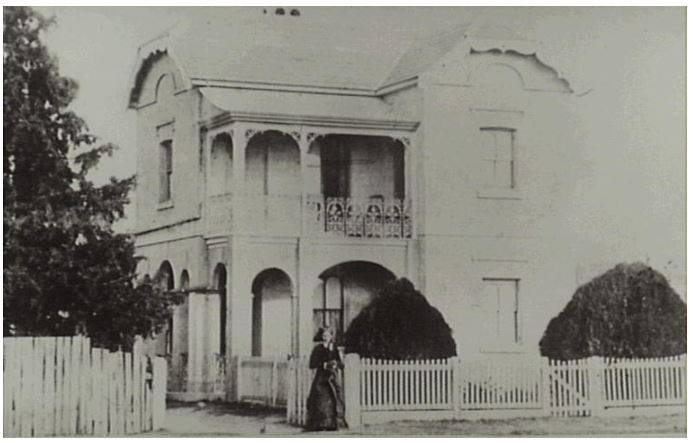
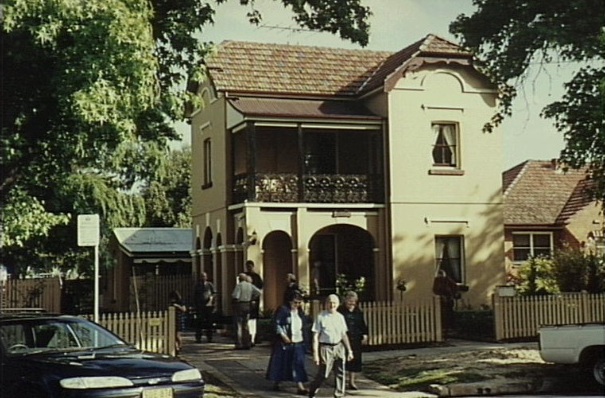
By the 1890s, Camden's economy depended on dairy, but health concerns arose due to contaminated water and infectious diseases like scarlet fever. In response, the community pushed for a cottage hospital, leading to its opening in 1899. Local efforts highlighted the crucial link between health and the dairy industry's sustainability.

20th century · Agricultural heritage · Agriculture history · Art · Attachment to place · Camden · Camden District · Camden Show · Camden Story · Church History · Collective Memory · Commemoration · Community · Community celebrations · Community Health · Community identity · Community organisations · Community work · Cultural Heritage · Disasters · Engineering Heritage · Engineering History · Families · Family history · Farming · Festivals · Floods · Folklore · Genealogy · Health History · Heritage · Historian · Historical consciousness · Historical Research · Historical source · Historical thinking · History of a house · History of Emotion · Hotel History · House history · Housing · Landscape · Landscape aesthetics · Legends · Living History · Local History · Local Studies · Macarthur region · Memorial · Memorialisation · Memorials · Monuments · Myths · Paintings · Photographs · Photography · Pictures · Placemaking · References · Small communities · Small town · Social History · Stereotypes · Stories · Storytelling · Urban growth · Women's agency · Women's art · Women's history · Women's stories

Exploring Historical Themes: Pictorial History Camden & District Presentation Summary

This presentation examined the role of the historian and researcher and presented the importance of history and the role of a historian. Dr Ian Willis discussed the significance of historical consciousness and collective memory, emphasising the role of a historian as a researcher, analyst, interpreter, and storyteller. The presentation also highlighted "Pictorial History Camden & District," a book by Kingsclear Books, and covered aspects such as structure, select bibliography, index of names, and district maps. Additionally, various related sources and themes, such as the Whiteman and Macarthur families, were explored. The presentation concluded with suggestions for experiencing the past through community festivals, local studies, and living libraries.

Attachment to place · Belonging · British Heritage · British Red Cross · Camden · Camden Red Cross · Camden Story · Collective Memory · Community Health · Community organisations · Community work · Cultural Heritage · First World War · Health History · Helen Munro Ferguson · Heritage · History · Humanitarianism · Ideology of Motherhood · Local Studies · Medical history · Medical Humanities · Memory · Metaphor · Motherhood · Myths · Nationalism · Patriotism · Placemaking · Red Cross · Red Cross Humanitarianism · Red Cross Movement · Social History · Stereotypes · Stories · Storytelling · Symbolism · Trauma · VAD · Voluntary Aid Detachment · Volunteering · Volunteerism · War · War at home · Wartime · Women's history · Women's stories · World War One

Ministering Angels, Myth and the Red Cross on the Australian Wartime Homefront

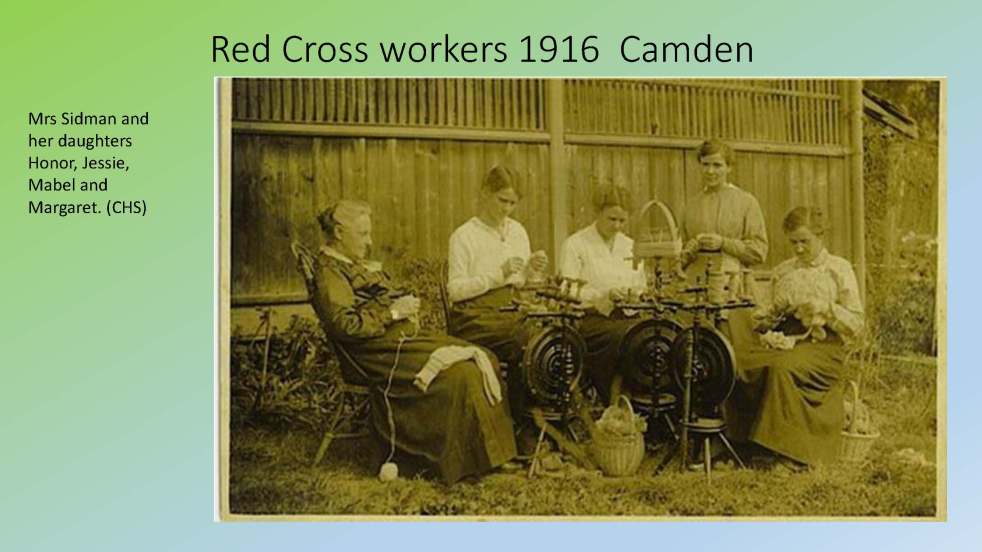
The paper presented at the 33rd Annual Conference of the Australian Historical Association at the University of Queensland in 2014 explored the role of Australian country women in supporting the Red Cross during the First World War. The paper focused on the Camden District Red Cross, emphasizing the conservative women’s empowerment in embracing the Red Cross, serving as ministering angels, and upholding patriotic values. Total words: 78

Active citizenship · Australian Red Cross · British Red Cross · Collective Memory · Cultural Heritage · Health History · Humanitarianism · Ideology of Motherhood · International Relief · Medical history · Medical Humanities · Modernism · Motherhood · Nationalism · Philanthropy · Poster Art · Propaganda · Public art · Red Cross · Red Cross Humanitarianism · Red Cross Movement · Trauma · Volunteering · Volunteerism · War · War at home · Wartime · Women's agency · Women's history · Women's stories · World War One

‘Angels Of Mercy’, The Red Cross On the Homefront During the First World War

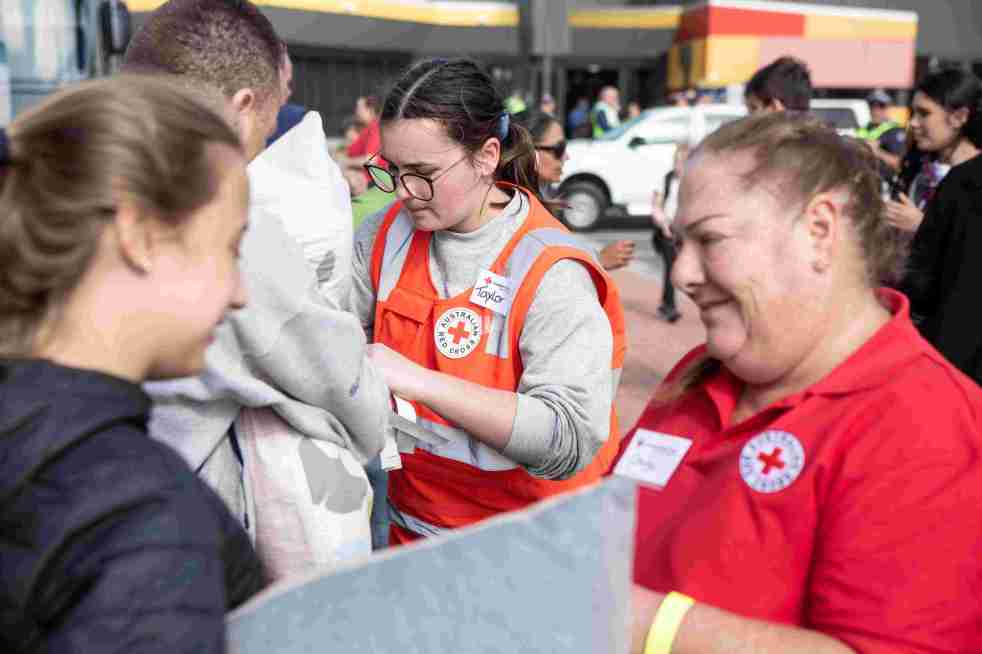
During World War I, the Australian Red Cross mobilized women as 'Angels of Mercy' and 'ministering angels' to provide aid with strong moral overtone. The organization used motherhood imagery to rally support, portraying itself as the 'Greatest Mother in the World'. This approach effectively garnered community backing and positioned Red Cross workers as soldiers' guardian angels.

Agency · Australian Red Cross · British Red Cross · Bushfires · Community · Community organisations · Community work · Cultural Heritage · Health History · Helen Munro Ferguson · History · History of Emotion · Humanitarianism · Ideology of Motherhood · International Relief · Living History · Medical history · Medical Humanities · Motherhood · Nationalism · Patriotism · Red Cross · Red Cross Humanitarianism · Red Cross Movement · Social History · Storytelling · Trauma · Voluntary Aid Detachment · Volunteering · Volunteerism · War · War at home · Wartime · Women's history · Women's stories · World War One

Red Cross humanitarianism and female volunteers in Australia

The Australian Red Cross has a long history of female volunteers providing aid to disaster victims. These women, often undervalued, found opportunities for social and political agency within the organization. Through fundraising and volunteering, they significantly contributed to the welfare of soldiers during the First and Second World Wars, yet their achievements have often been overlooked.

Architecture · Attachment to place · Built heritag · Camden · Camden Airfield · Camden Hospital · Camden Story · Collective Memory · Community Health · Community identity · Cultural Heritage · Gender · Health History · Heritage · Historical consciousness · History · Interwar · Local History · Local Studies · localism · Medical history · Modernism · Nurses Quarters · Nursing · Place making · Placemaking · Regionalism · Sense of place · Stereotypes · Storytelling · Women's history

Camden Hospital Nurses’ Quarters: cloistered veils

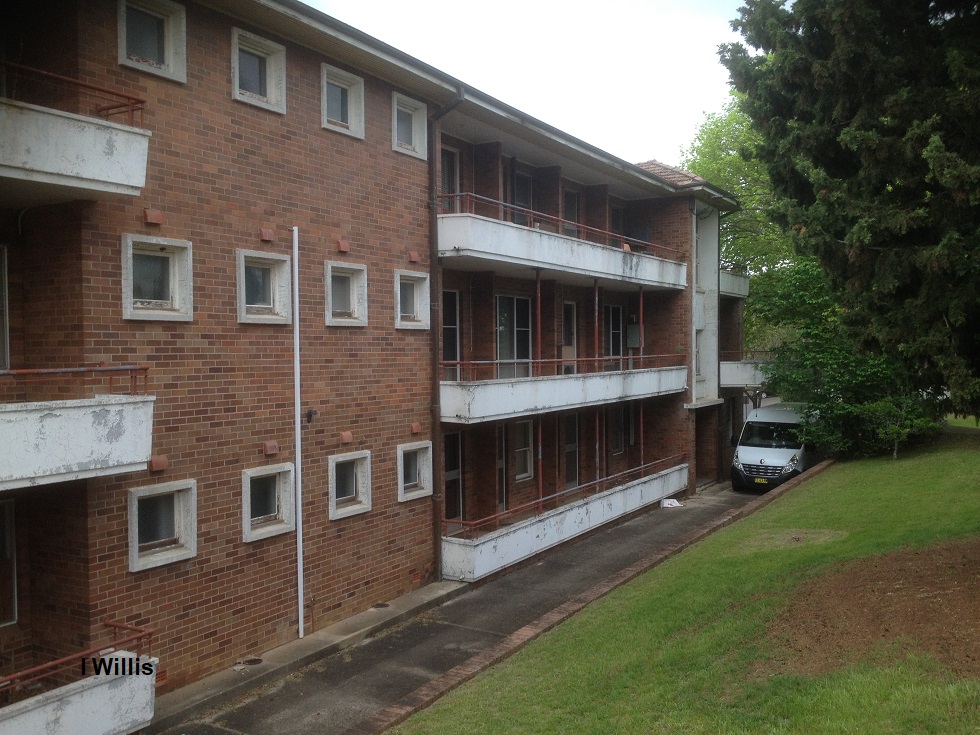
Over 700 people witnessed the opening of the Camden Hospital Nurses’ Quarters were opened in 1962 by the NSW Health Minister WF Sheahan.