1920s · 1930s · Architecture · Art · Attachment to place · Business · Business History · Collective Memory · Communications · Community identity · Cultural Heritage · Entertainment · Fashion · Goulburn · Heritage · Historical consciousness · Historical Research · Historical thinking · History · Interwar · Local History · Local newspapers · Local Studies · Media History · Memory · Modernism · Newspapers · Place making · Placemaking · Sense of place · Storytelling · Tourism · Urban history · Victorian

Goulburn Evening Penny Post and its Art-Deco newspaper office and printery

In 1935 a moderne Art-Deco style office was opened for the Goulburn Evening Penny Post

Architecture · Attachment to place · Built heritag · Camden · Colonial Camden · Colonialism · Community Health · Community identity · Consumption · Convalescent Home · Convalescent hospital · Cultural Heritage · First World War · Heritage · Historical consciousness · Historical Research · History · Interwar · Local History · Medical history · Modernism · Philanthropy · Place making · Placemaking · Sense of place · Storytelling · Tuberculosis · Volunteering

Carrington Centennial Hospital for Convalescents and Incurables, Camden

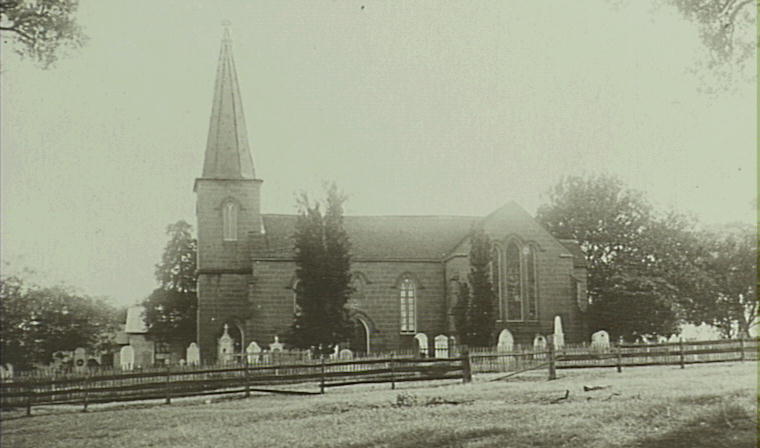
Carrington Centennial Hospital for Convalescents, opened in 1890 in Camden, NSW, embodied Florence Nightingale’s principles, emphasizing fresh air and proper ventilation for recovery. Established by philanthropist WH Paling, it was the first major convalescent facility in New South Wales, providing a restorative environment away from the urban pollution.

20th century · Advertising · Architecture · Attachment to place · Built heritag · Business · Business History · Camden · Camden Story · Camden Town Centre · Community identity · Country town · Cultural Heritage · Cultural icon · Fashion · Food · Heritage · Historical consciousness · Historical thinking · History · Lifestyle · Local History · Local Studies · localism · Memory · Modernism · Place making · Placemaking · Retailing · Sense of place · Shopping · Storytelling · Supermarkets · Urban growth · Urban Planning · Urbanism · Women's history

Supermarkets come to Camden, consumerism and modernism

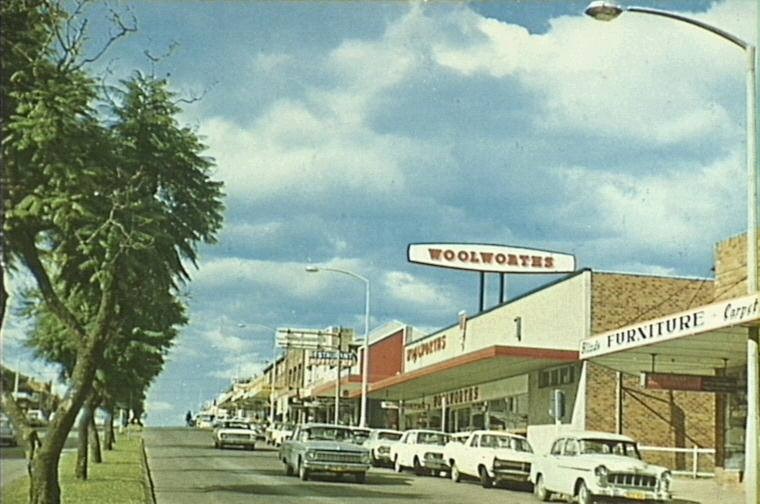
Self-service supermarkets were one expression of consumerism and modernism in Camden NSW

1920s · 1930s · Advertising · Aesthetics · Architecture · Attachment to place · Built heritag · Business · Business History · Community identity · Country town · Cultural and Heritage Tourism · Cultural Heritage · Cultural icon · Design · Dungog · Economy · Fashion · Heritage · Historical consciousness · Historical Research · History · Hotel History · Hotels · Interwar · Lifestyle · Local History · Local Studies · Modernism · Place making · Placemaking · Royal Hotel Dungog · Sense of place · Storytelling · Urban growth · Urban history

Dungog’s Royal Hotel, an Art Deco Bush Pub

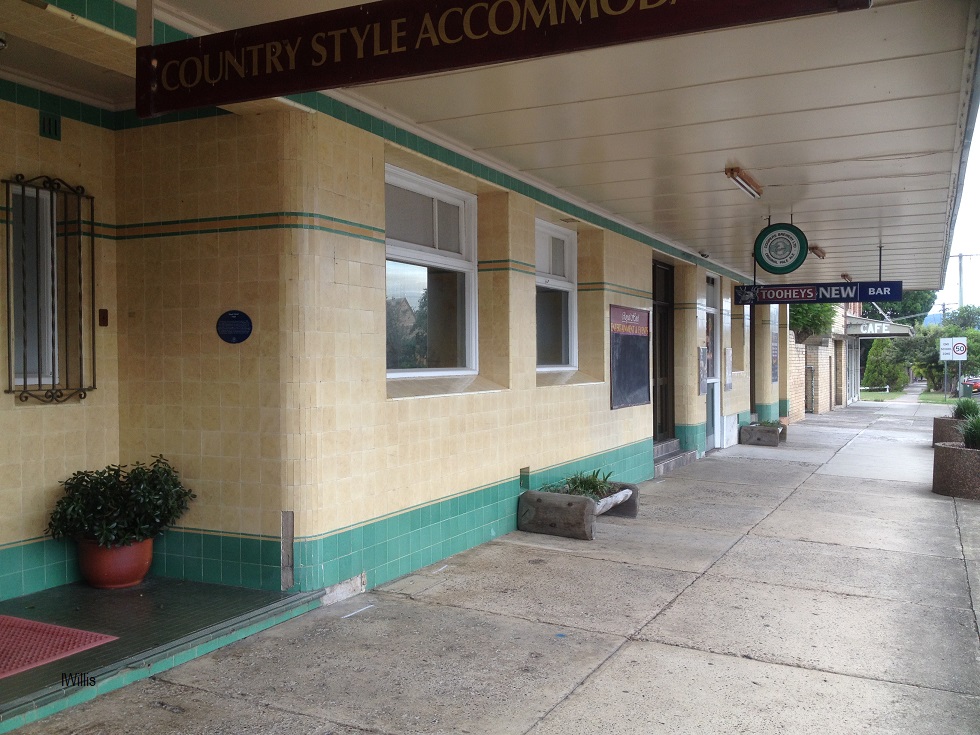
The Dungog Royal Hotel is an example of an Interwar Art Deco style hotel in an Australian country town

Aesthetics · Attachment to place · Cafes · Camden · Communications · Community identity · Cultural Heritage · Cultural icon · Entertainment · Festivals · First World War · Food · Heritage · Historical consciousness · Historical Research · History · Leisure · Living History · Local History · Macarthur · Memory · Modernism · Music · Place making · Red Cross · Retailing · Ruralism · Sense of place · Tourism · Women's history

A local treat at The Argyle Affair

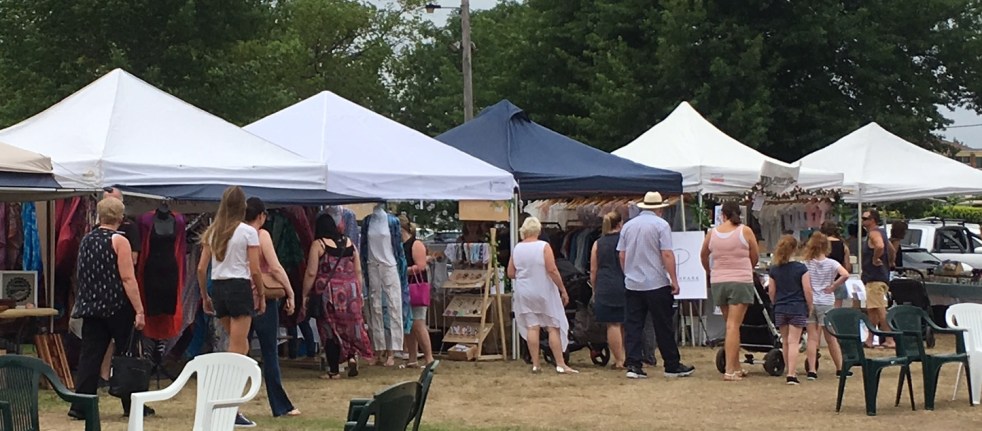
One Camden festival held recently was The Argyle Affair at the Camden showground.

Camden · Fashion · Interwar · Local History · Modernism · Sense of place · Weddings

A wedding and a little bit of 1920s modernism

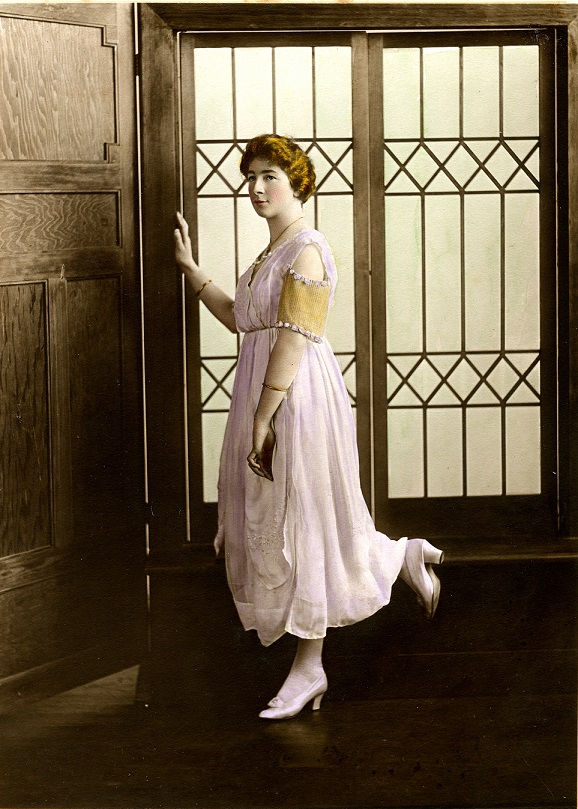
The 1925 wedding of Frank Duesbury to Ethel Burford was a touch of modernism.

Anzac · Attachment to place · Camden · Camden Airfield · Camden Story · Community identity · Cultural Heritage · Floods · Heritage · Historical consciousness · Historical Research · Historical thinking · History · Landscape · Local History · Local Studies · Macarthur · Macquarie Grove · Memory · Menangle RAAF Airfield · Modernism · Nationalism · Patriotism · Place making · Second World War · Sense of place · Storytelling · War · War at home · Wartime

Camden Airfield and No 32 Squadron RAAF

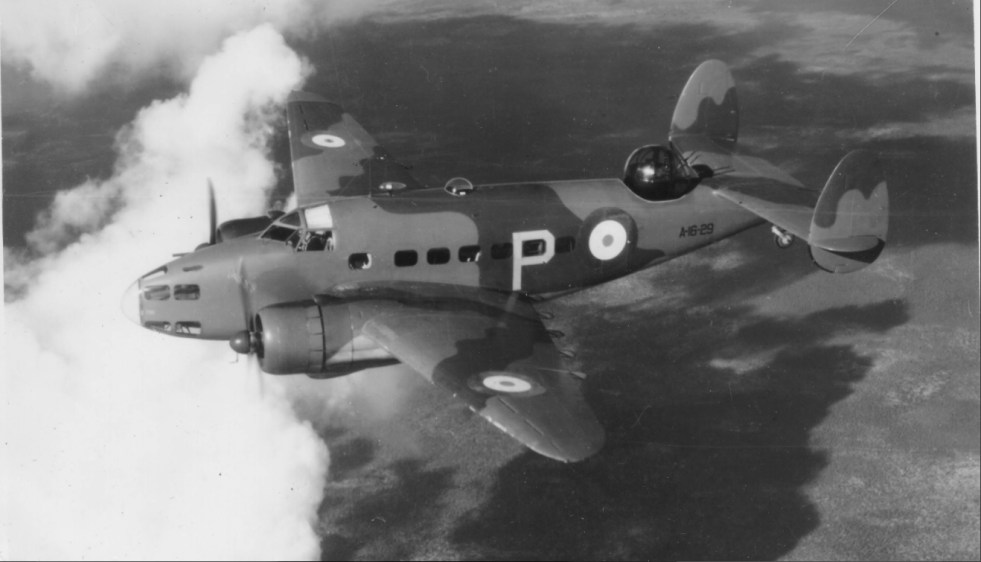
The RAAF Base Camden at Camden Airfield was the home of 32 Squadron during the Second World War. The members of the squadron have developed a special relationship with the local community that has been marked by tragedy and celebrations.

1920s · 20th century · Attachment to place · Business History · Camden · Camden Story · Church History · Churches · Cobbitty · Costume History · Cultural Heritage · Cultural icon · Denbigh · Dress history · Family history · Farming · Festivals · Heritage · History · Interwar · Lifestyle · Local History · localism · Modernism · Place making · Retailing · Ruralism · Sense of place · Sewing · Social History · Storytelling · Uncategorized · Weddings

Whiteman & McIntosh, Camden Colonial Families Celebrate a Moderne Wedding at Cobbitty

A modern Cobbitty wedding for two important colonial families, the McIntosh family and the Whiteman family was an important social event in the district calendar.

Advertising · Architecture · Attachment to place · Business · Business History · Cafes · Camden · Cultural Heritage · Economy · Entertainment · Food · Heritage · History · Leisure · Lifestyle · Local History · Lost Camden · Modernism · Place making · Restaurant · Sense of place · Storytelling · Urban growth · Urban history · Urban Planning · urban sprawl

The White House Farm, a lost Camden mid-20th century icon

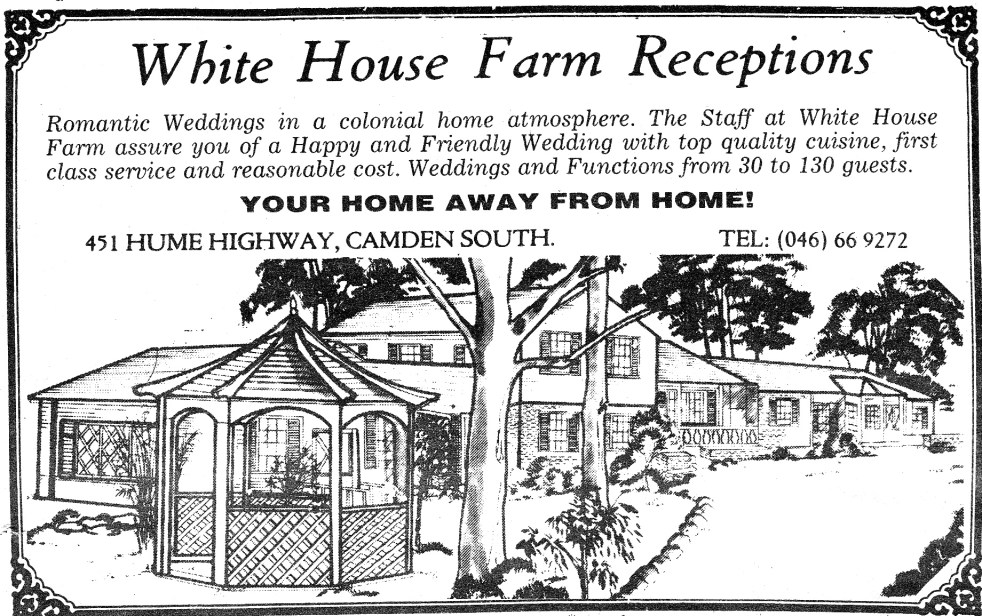
The White House Farm is a lost part of the heritage of Camden NSW from the mid-20th century

1920s · 1930s · Adaptive Re-use · Architecture · Attachment to place · Belonging · Built heritag · Communications · Community identity · Cultural Heritage · Design · Heritage · History · Industrial Heritage · Interwar · Local History · Local Studies · Memory · Modernism · Place making · Placemaking · Railway · Railway history · Sense of place · Social History · Storytelling · Transport · transport history · Urban history · Utilities

Civic Railway Station, revealing part of Newcastle modernism

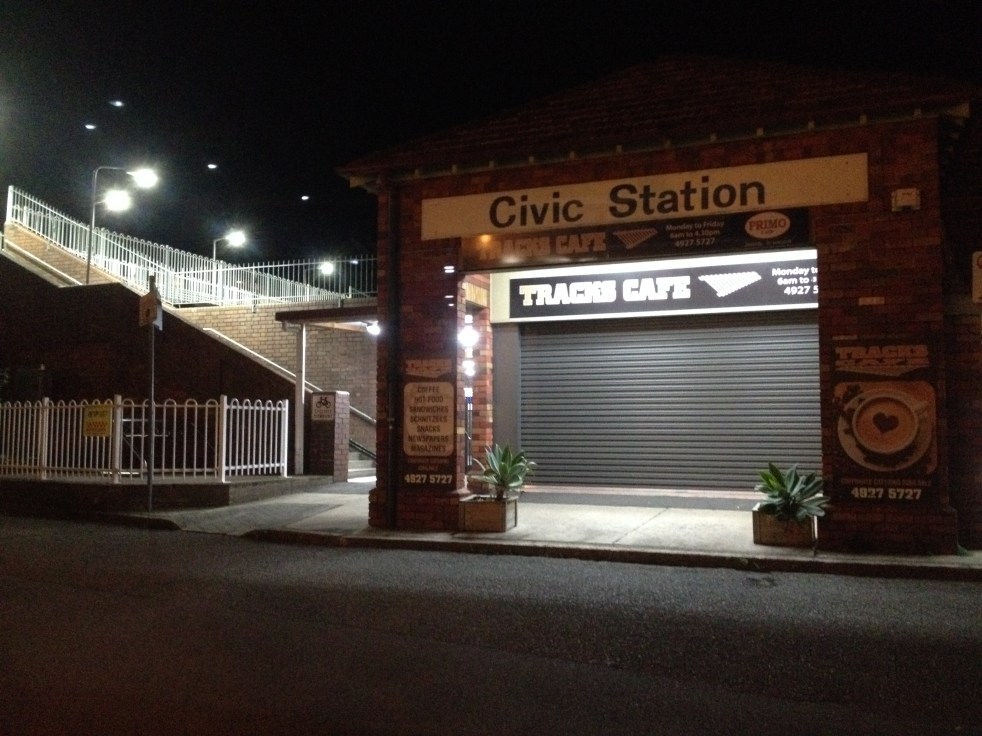
Civic Railway Station, now closed, reveals some of the aesthetics of Newcastle modernism.