1960s · 20th century · Alan Baker Art Gallery Camden NSW · Artworks · Built Heritage · Camden Cottage · Camden Mid-century Modernism · Camden Modernism · Camden Realism · Camden Story · Community work · Cultural Heritage · Domestic Architecture · Families · Family history · Heritage · House history · Housing · Housing styles · Local History · Local Studies · Lost Camden · Mid-century modernism · Modernism · Place making · Placemaking · Sense of place · Stories · Storytelling

Exploring Elderslie’s Ranch-Style Homes, lost mid-century Camden

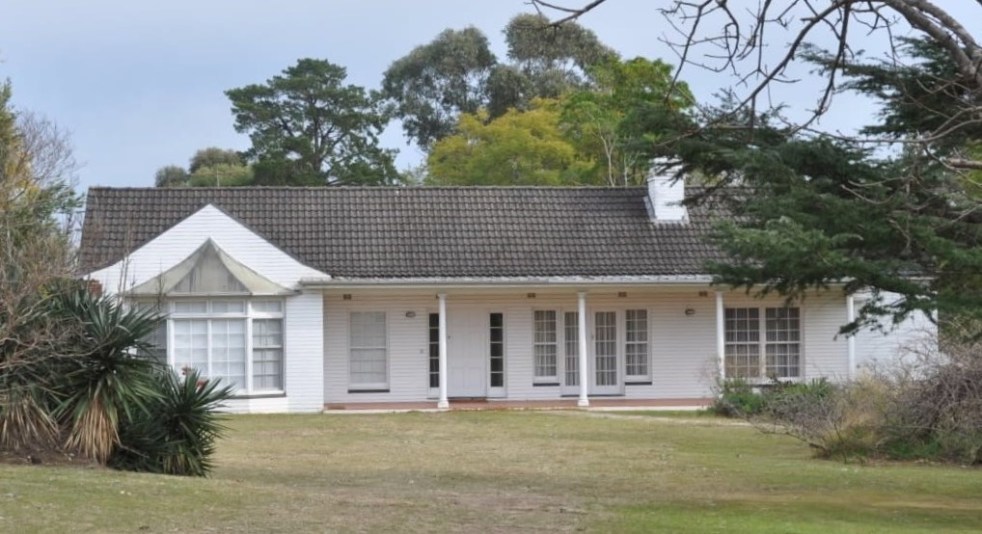
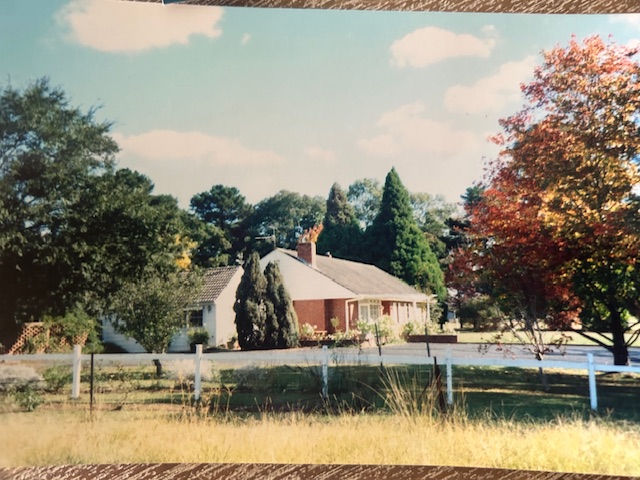
Tarn House, a ranch-style residence built in 1963 by Dr. Gordon Clowes in Elderslie, represents Camden's mid-century modern architecture. Clowes, an influential community figure and surgeon, lived there with his family. The house, now lost, was part of a broader trend of ranch-style homes in the area during the 1960s.

19th Century · 20th century · Architectural History · Architecture · Camden Story · Colonial Camden · Elderslie · Hilsyde Elderslie · History · History of a building · History of a house · House history · Housing · Housing styles · Local History · Place making · Placemaking · Sense of place · Stories · Storytelling · Uncategorized · Urban history · Victorian

Exploring Hilsyde: A Look at Elderslie’s Historic Home

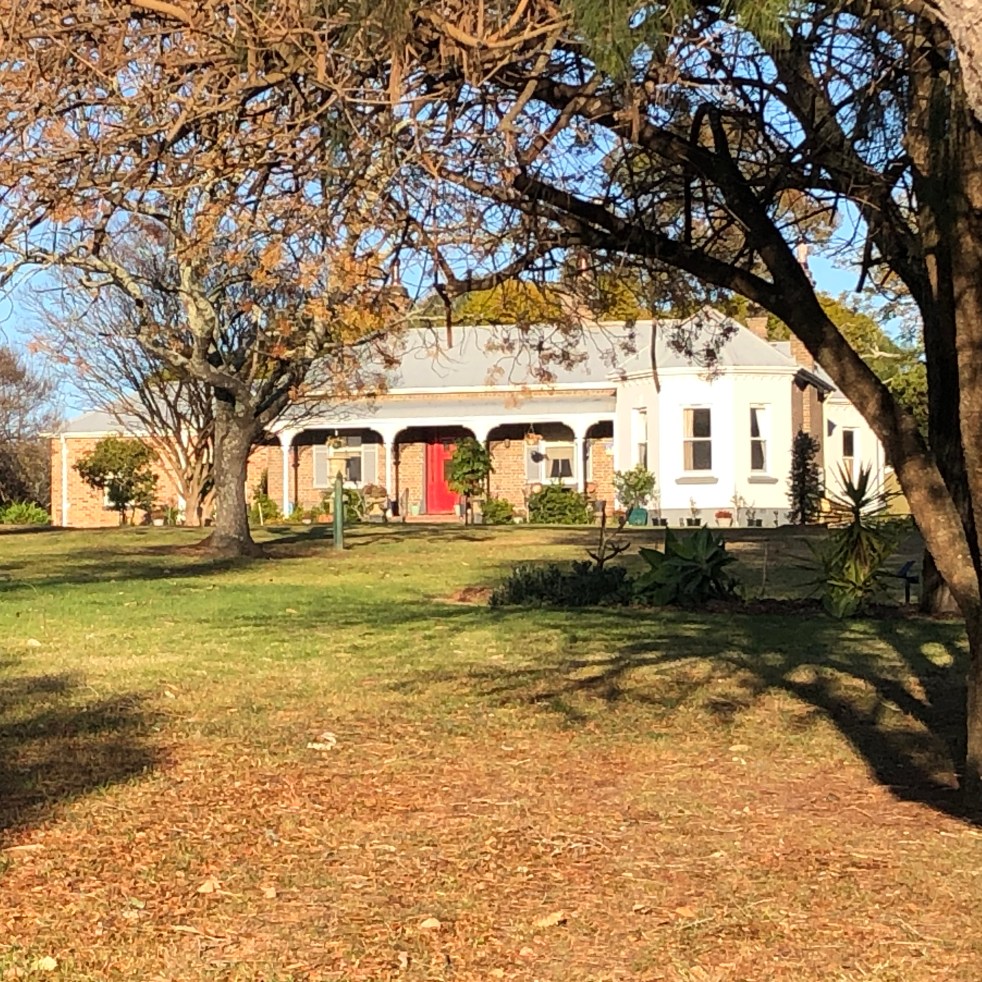
Hilsyde, originally known as Pammenter, is a Victorian single-storey brick residence built in 1888 by WC Furner in Elderslie. The property features a galvanised iron roof, bay windows, and retains good integrity. It served as Hilsyde Lodge from 1978 to 2003, catering to Christian women workers, and is heritage-listed.

Aesthetics · Architecture · Attachment to place · Australian History · Built heritag · Built Heritage · Camden Built Heritage · Camden Modernism · Camden Story · Community identity · Country town · Cultural Heritage · Domestic Architecture · Elderslie · Heritage · History of a building · History of a house · Hope and loss · House history · Housing · Housing styles · Landscape · Landscape aesthetics · Living History · Lost Camden · Mid-century modernism · Modernism · Narellan · Nostalgia · Place making · Placemaking · Small town · Stories · Storytelling · Uncategorized · Urban development · Urban growth · Urban history · Urban Planning · Urbanism

A Journey Through Camden’s Mid-Century Housing Architecture

Camden's mid-century housing, developed between the 1940s and 1970s, reflects a worldwide modernism movement. Characterized by simple lines and open spaces, these homes arose amid urban growth linked to the new jobs created by the Burragorang coalfields. Unfortunately, many of these historic structures are disappearing, necessitating greater recognition and appreciation of their significance.

Built Heritage · Camden Cottage Hospital · Camden Hospital · Camden Story · Camden Town Centre · Community Health · Health and Medical History · Health History · Heritage · History · History of a house · Local History · Medical history · Medical Humanities · Nursing · Place · Regionalism · Sense of place · Small town · Stories · Storytelling

Camden Cottage Hospital – foundation and early days

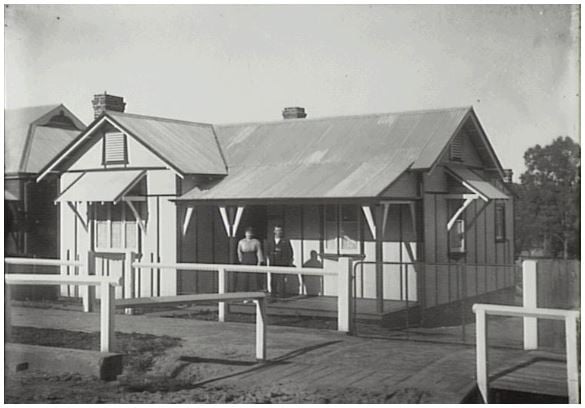
By the 1890s, Camden's economy depended on dairy, but health concerns arose due to contaminated water and infectious diseases like scarlet fever. In response, the community pushed for a cottage hospital, leading to its opening in 1899. Local efforts highlighted the crucial link between health and the dairy industry's sustainability.

19th Century · Adaptive Re-use · Adaptive Reuse · Architecture · Attachment to place · Australian History · Built Heritage · Camden · Camden Built Heritage · Camden John Street · Camden Story · Camden Town Centre · Community identity · Cultural and Heritage Tourism · Cultural Heritage · Domestic Architecture · Dr Crookston · Economy · History of a house · House history · Housing · Housing styles · Local History · Local Studies · Macarthur family · Place making · Placemaking · Residential Housing Style · Sense of place · Stories · Storytelling · Tourism · Uncategorized

Dr Crookston’s Estate: A New Chapter in Camden’s Heritage

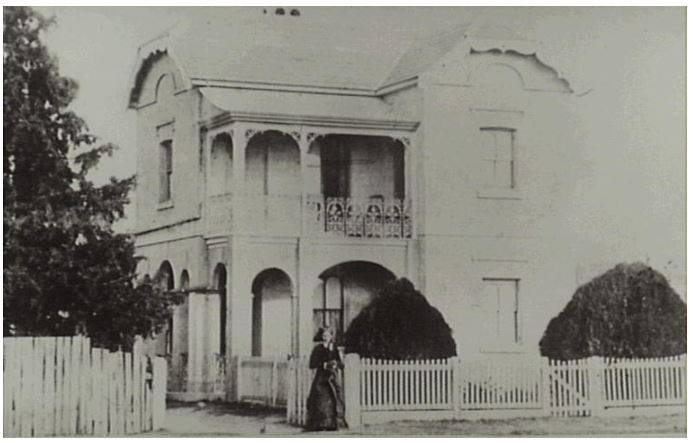
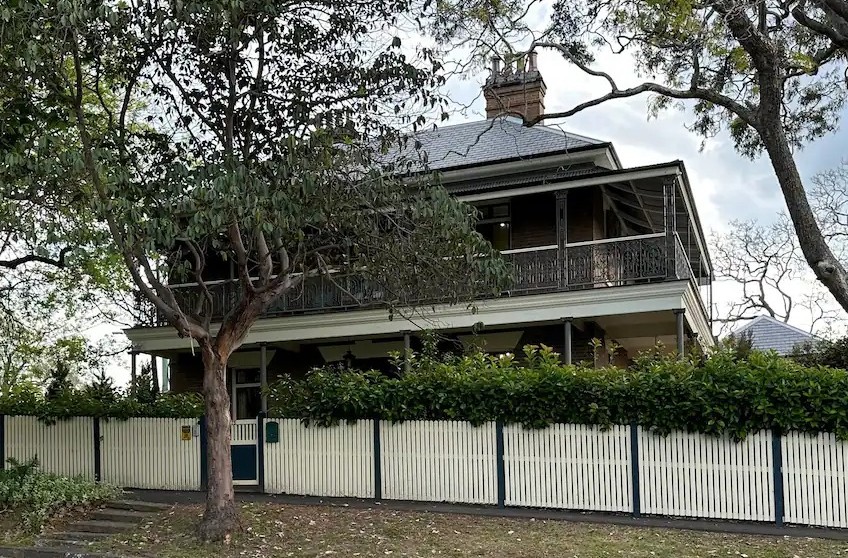
Dr Crookston's house and garden in Camden has been revitalized into an entertainment venue, preserving its rich history. New owners Shane and Rhiannon Smith manage this adaptive reuse, offering various activities that enhance heritage tourism. The estate now fosters local pride while contributing to economic growth, transforming the once-closed site into a vibrant community asset.

Aesthetics · Architecture · Attachment to place · Built heritag · Built Heritage · Camden · Camden Built Heritage · Camden Modern · Camden Modernism · Community building · Community identity · Cultural Heritage · Cultural icon · Elderslie · Heritage · Historical consciousness · History · History of a building · History of a house · House history · Housing · Housing styles · Landscape aesthetics · Local History · Lost Camden · Modernism · Place making · Placemaking · Sense of place · Social History · Stories · Storytelling · Town planning · Urban development · Urban growth · Urban history · Urban Planning · urban sprawl · Urbanism

Mid-Century Modernist Homes in Elderslie

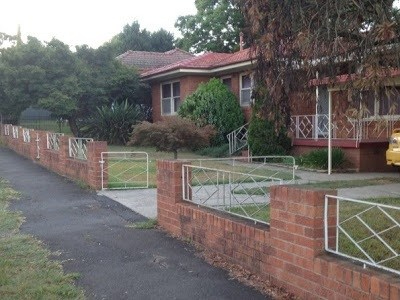
In the 1960s, modernism significantly influenced the community of Elderslie, where miners sought contemporary homes. Innovative house designs reflected mid-20th-century trends, including American Ranch styles. Australian architects, like Robin Boyd, contributed to housing projects across the country, merging modern aesthetics with traditional Federation-style homes. These trends influenced the design of local mid-century housing style, resulting in a unique urban landscape.

1920s · 20th century · Adaptive Re-use · Aesthetics · Architecture · Attachment to place · Built heritag · Camden · Camden Cottage · Camden Modern · Camden Modernism · Camden Story · Coal mining · Cultural Heritage · Cultural icon · Design · Elderslie · Heritage · History · History of a house · Holidays · House history · Housing · Housing styles · Interwar · Lifestyle · Living History · Local History · Local Studies · Macarthur · Memory · Mid-century modernism · Modernism · Place making · Placemaking · Sense of place · Storytelling · Streetscapes · Uncategorized · Urban development · Urban growth · Urban history · Urban Planning · Urbanism

The Camden Fibro Cottage and its connection to mid-century housing styles

The Camden fibro cottage symbolizes the mid-20th century's affordable housing solution, catering to the working class in a post-war Australia. Representing nostalgia and simplicity, these homes were practical yet modern. Although their popularity declined due to issues like poor insulation and asbestos risks, they remain a significant aspect of Camden's architectural heritage.