Attachment to place · Belonging · Camden · Cultural Heritage · England · Fashion · Heritage · Historical consciousness · History · Holidays · Leisure · Lifestyle · Living History · Local History · Memory · Modernism · Movies · Place making · Retailing · Sense of place · Stereotypes · Tourism · Travel · Women's diaries · Women's history · Women's Writing

A 1950s country girl goes to London

A 1950s country girl from Camden goes to London to have the adventure of her life.

Aesthetics · Architecture · Attachment to place · Built heritag · Built Heritage · Camden · Camden Built Heritage · Camden Modern · Camden Modernism · Community building · Community identity · Cultural Heritage · Cultural icon · Elderslie · Heritage · Historical consciousness · History · History of a building · History of a house · House history · Housing · Housing styles · Landscape aesthetics · Local History · Lost Camden · Modernism · Place making · Placemaking · Sense of place · Social History · Stories · Storytelling · Town planning · Urban development · Urban growth · Urban history · Urban Planning · urban sprawl · Urbanism

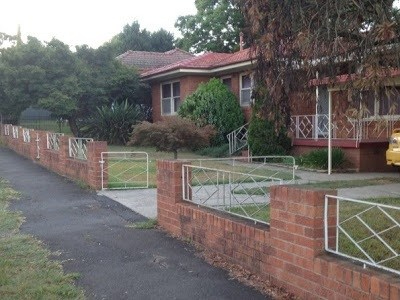
Mid-Century Modernist Homes in Elderslie

In the 1960s, modernism significantly influenced the community of Elderslie, where miners sought contemporary homes. Innovative house designs reflected mid-20th-century trends, including American Ranch styles. Australian architects, like Robin Boyd, contributed to housing projects across the country, merging modern aesthetics with traditional Federation-style homes. These trends influenced the design of local mid-century housing style, resulting in a unique urban landscape.

Advertising · Architecture · Attachment to place · Business · Business History · Cafes · Camden · Cultural Heritage · Economy · Entertainment · Food · Heritage · History · Leisure · Lifestyle · Local History · Lost Camden · Modernism · Place making · Restaurant · Sense of place · Storytelling · Urban growth · Urban history · Urban Planning · urban sprawl

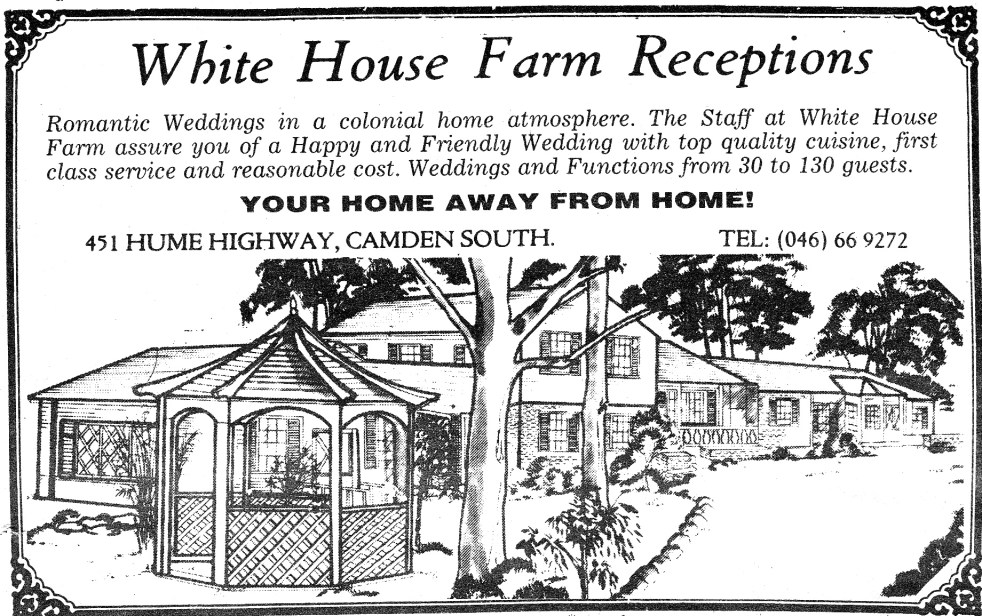
The White House Farm, a lost Camden mid-20th century icon

The White House Farm is a lost part of the heritage of Camden NSW from the mid-20th century

Architecture · Cafes · Camden · Community identity · Cultural Heritage · Cultural icon · Entertainment · Food · Heritage · Historical consciousness · Historical Research · History · Holidays · Interwar · Leisure · Local History · Macarthur · Memory · Modernism · Place making · Retailing · Sense of place

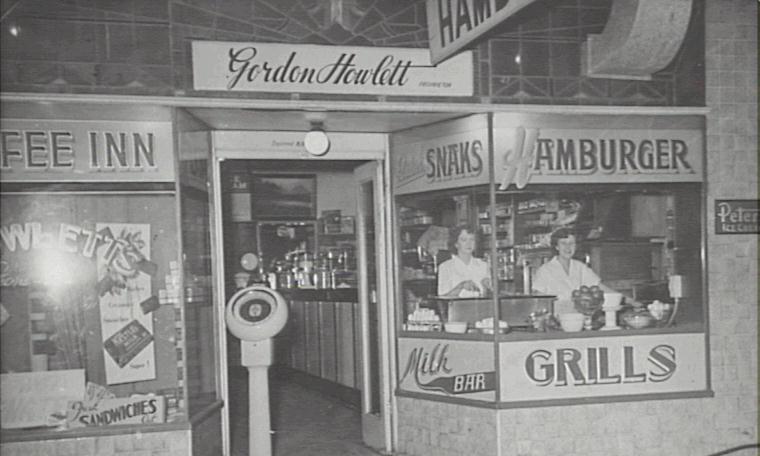
Discover Camden’s Iconic Milk Bars and Cafes

Camden's milk bars, established by Australian-Greek immigrants in the Interwar period, significantly influenced local food culture. With Art Deco designs, these cafes blended American food trends with Australian cuisine, offering various refreshments and meals. They served as social hubs, fostering community connections and breaking down social barriers, with lasting cultural nostalgia today.

1920s · 20th century · Adaptive Re-use · Aesthetics · Architecture · Attachment to place · Built heritag · Camden · Camden Cottage · Camden Modern · Camden Modernism · Camden Story · Coal mining · Cultural Heritage · Cultural icon · Design · Elderslie · Heritage · History · History of a house · Holidays · House history · Housing · Housing styles · Interwar · Lifestyle · Living History · Local History · Local Studies · Macarthur · Memory · Mid-century modernism · Modernism · Place making · Placemaking · Sense of place · Storytelling · Streetscapes · Uncategorized · Urban development · Urban growth · Urban history · Urban Planning · Urbanism

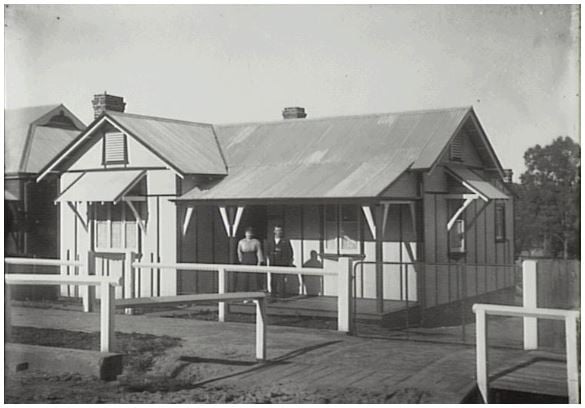
The Camden Fibro Cottage and its connection to mid-century housing styles

The Camden fibro cottage symbolizes the mid-20th century's affordable housing solution, catering to the working class in a post-war Australia. Representing nostalgia and simplicity, these homes were practical yet modern. Although their popularity declined due to issues like poor insulation and asbestos risks, they remain a significant aspect of Camden's architectural heritage.