Aesthetics · Architecture · Attachment to place · Australian History · Built heritag · Built Heritage · Camden Built Heritage · Camden Modernism · Camden Story · Community identity · Country town · Cultural Heritage · Domestic Architecture · Elderslie · Heritage · History of a building · History of a house · Hope and loss · House history · Housing · Housing styles · Landscape · Landscape aesthetics · Living History · Lost Camden · Mid-century modernism · Modernism · Narellan · Nostalgia · Place making · Placemaking · Small town · Stories · Storytelling · Uncategorized · Urban development · Urban growth · Urban history · Urban Planning · Urbanism

A Journey Through Camden’s Mid-Century Housing Architecture

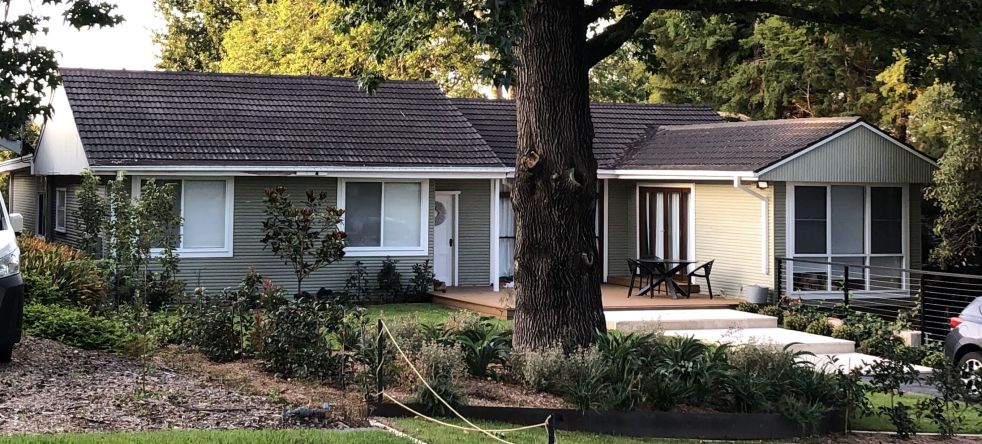
Camden's mid-century housing, developed between the 1940s and 1970s, reflects a worldwide modernism movement. Characterized by simple lines and open spaces, these homes arose amid urban growth linked to the new jobs created by the Burragorang coalfields. Unfortunately, many of these historic structures are disappearing, necessitating greater recognition and appreciation of their significance.

20th century · Architecture · Burragorang Valley · Camden Cottage · Camden High School · Camden Modern · Camden Modernism · Camden Story · Coal mining · Community identity · Heritage · History · History of a house · House history · Housing · Housing styles · Local History · Lost Camden · Mid-century modernism · Modernism · Placemaking · Sense of place · Social History · Uncategorized · Urban development · Urban growth · Urban history · Urban Planning · urban sprawl · Urbanism · USA

Types of Mid-Century Modernist Housing in Camden

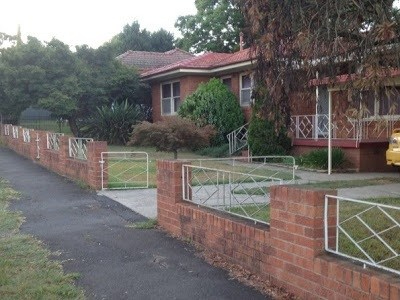
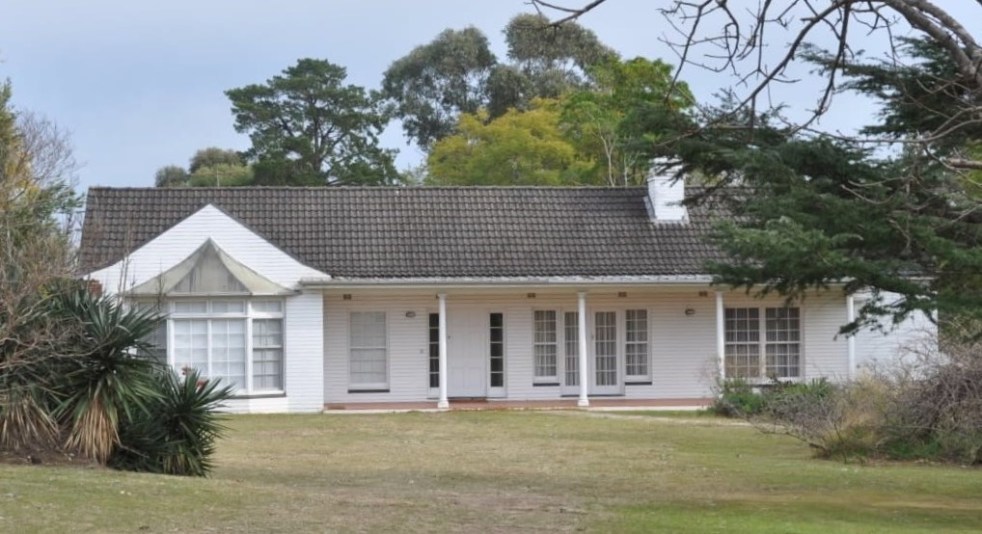
This blog post discusses the types mid-century houses of the Camden NSW area that were built as part of the economic growth and development created by the Burragorang coalfields. These houses were built between the Second World War and the early 1970s, have a variety of residential architectural styles are located south of the town centre, in Elderslie and at Narellan.

20th century · Aesthetics · Architecture · Attachment to place · Belonging · Biography · Built heritag · Camden Cottage · Camden Story · Campbelltown Art Centre · Campbelltown Mid-century modernism · Campbelltown Modern · Campbelltown Modernism · Collective Memory · Community identity · Cultural Heritage · Cultural icon · Domestic Architecture · Family history · History · History of a house · Hope and loss · House history · Housing · Housing styles · Lifestyle · Living History · Local History · Local Studies · Macarthur · Macarthur region · Memory · Mid-century modernism · Modernism · Peri-urban region · Placemaking · rural-urban fringe · Social History · Stereotypes · Storytelling · Symbolism · Urban development · Urban growth · Urban history · Urbanism

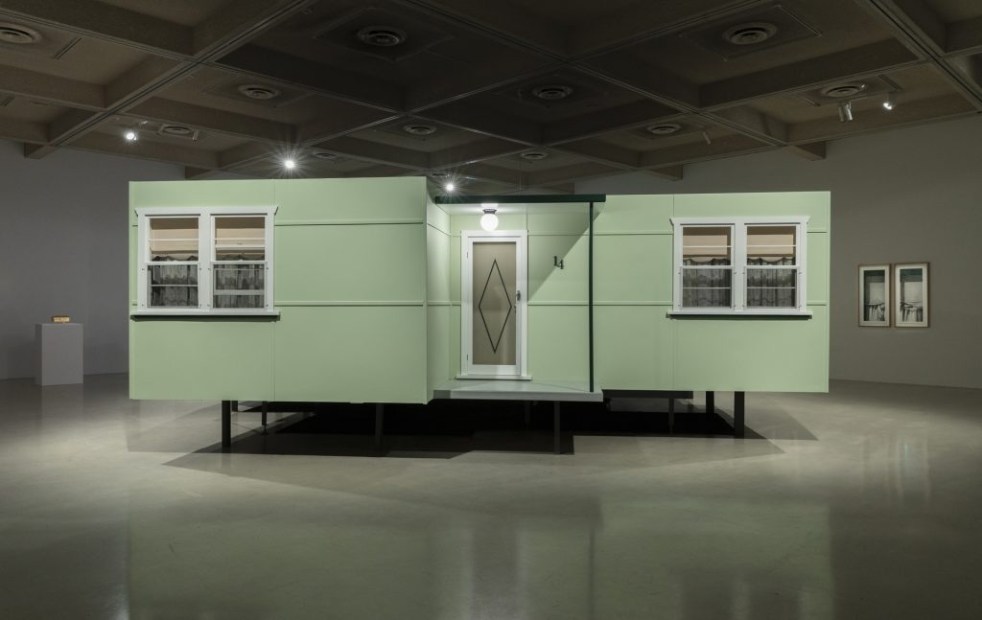
‘Fibro Majestic’: A Celebration of Mid-Century Housing at Campbelltown Arts Centre by Catherine O’Donnell

The "Fibro Majestic" exhibition at Campbelltown Arts Centre celebrates the historical significance of fibro housing in Australia, highlighting its role in post-war society. Artist Catherine O'Donnell's work reflects on the nostalgia, memories, and social contexts surrounding these humble structures, transforming perceptions of an architecture once deemed unattractive.

1968 Sydney Region Outline Plan · 1973 New Cities Campbelltown Camden Appin Structure Plan · Aesthetics · Architecture · Attachment to place · Business · Campbelltown · Campbelltown Council · Campbelltown Mid-century modernism · Campbelltown Modern · Campbelltown Modernism · Campbelltown Municipal Council · Community building · Community identity · Cultural Heritage · Cultural icon · Design · Economy · Heritage · Historical consciousness · Historical Research · Historical thinking · History · Living History · Local History · Local Studies · Macarthur · Macarthur region · Mid-century modernism · Modernism · Place making · Placemaking · Sense of place · Storytelling · Urban development · Urban growth · Urban history · Urban Planning · urban sprawl · Urbanism

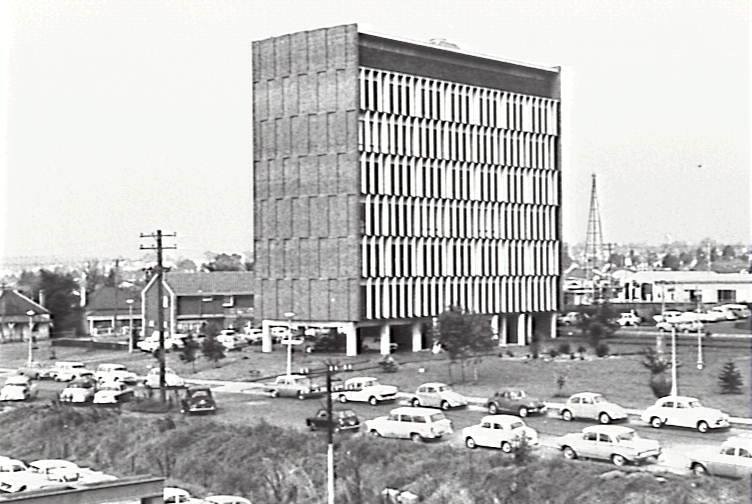
Exploring Campbelltown’s Mid-Century Modern Administration Building

The Campbelltown Council office building, completed in 1964, serves as an unrecognized icon of mid-century modernism, symbolizing the town's optimistic vision as a satellite city. Despite its structural significance and initial hopes for community development, later planning challenges undermined this vision, leaving the building's legacy complex and often overlooked.

Aesthetics · Architecture · Attachment to place · Built heritag · Built Heritage · Camden · Camden Built Heritage · Camden Modern · Camden Modernism · Community building · Community identity · Cultural Heritage · Cultural icon · Elderslie · Heritage · Historical consciousness · History · History of a building · History of a house · House history · Housing · Housing styles · Landscape aesthetics · Local History · Lost Camden · Modernism · Place making · Placemaking · Sense of place · Social History · Stories · Storytelling · Town planning · Urban development · Urban growth · Urban history · Urban Planning · urban sprawl · Urbanism

Mid-Century Modernist Homes in Elderslie

In the 1960s, modernism significantly influenced the community of Elderslie, where miners sought contemporary homes. Innovative house designs reflected mid-20th-century trends, including American Ranch styles. Australian architects, like Robin Boyd, contributed to housing projects across the country, merging modern aesthetics with traditional Federation-style homes. These trends influenced the design of local mid-century housing style, resulting in a unique urban landscape.