20th century · Built Heritage · Camden Hospital · Health and Medical History · Health History · Heritage · Historian · History · Local History · Medical history · Place · Place making · Placemaking · Stories · Storytelling · Urban growth · Urban history

Camden’s First Hospital: A Historical Insight

Camden historian Dr. Ian Willis will present a paper on the origins of Camden Cottage Hospital at the 2025 Australian Historical Association Annual Conference. His paper, focusing on the hospital's role in rural health from 1899-1902, highlights community resilience and offers insights into local history and heritage in New South Wales.

19th Century · Architecture · Attachment to place · Built heritag · Built Heritage · Camden Built Heritage · Camden Cottage Hospital · Camden Hospital · Camden Story · Community · Community building · Community Health · Country town · Cultural Heritage · Family history · History of a building · History of a house · House history · Humanitarianism · Local History · Local newspapers · Local Studies · Medical history · Medical Humanities · Place making · Placemaking · Sense of place · Small town · Social History · Stories · Storytelling · Transport · transport history · Trauma · Women's agency · Women's history · Women's stories

Camden Cottage Hospital, from accidents to amputations and early patient experiences

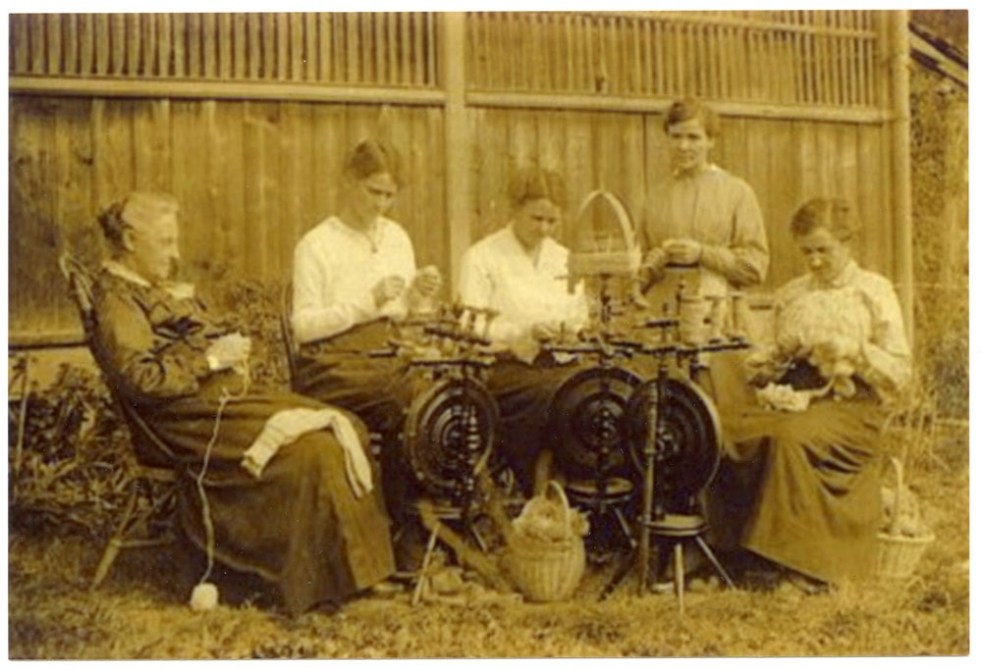
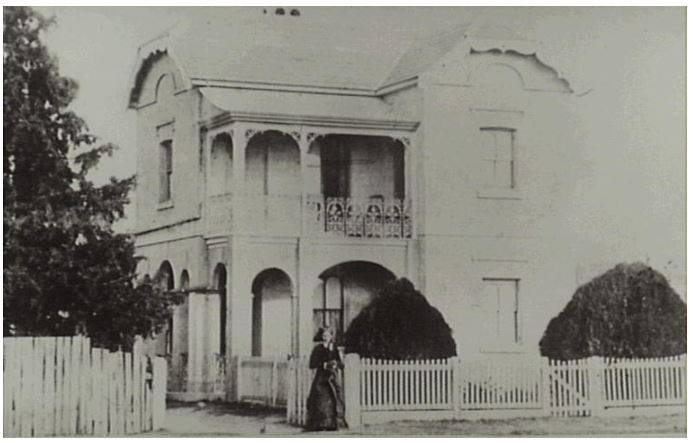
The Camden Cottage Hospital, opened in April 1899, initially struggled with low patient admissions due to community reluctance. Early cases included accidents and serious conditions, leading to treatments and surgeries like amputations. By early 1900, there was increasing community trust and the permanent facility opened in May 1902.

Built Heritage · Camden Cottage Hospital · Camden Hospital · Camden Story · Camden Town Centre · Community Health · Health and Medical History · Health History · Heritage · History · History of a house · Local History · Medical history · Medical Humanities · Nursing · Place · Regionalism · Sense of place · Small town · Stories · Storytelling

Camden Cottage Hospital – foundation and early days

By the 1890s, Camden's economy depended on dairy, but health concerns arose due to contaminated water and infectious diseases like scarlet fever. In response, the community pushed for a cottage hospital, leading to its opening in 1899. Local efforts highlighted the crucial link between health and the dairy industry's sustainability.

Argyle Street · Attachment to place · Camden · Camden Hospital · Camden Story · Community building · Community identity · Community organisations · Cultural Heritage · Cultural icon · Entertainment · Farming · Festivals · Heritage · Historical consciousness · Historical Research · History · Leisure · Living History · Local History · Local newspapers · Memory · Modernism · Newspapers · Place making · Ruralism · Sense of place · Social History · Volunteering · Volunteerism

Camden Rose Festival 1968: history and festivities

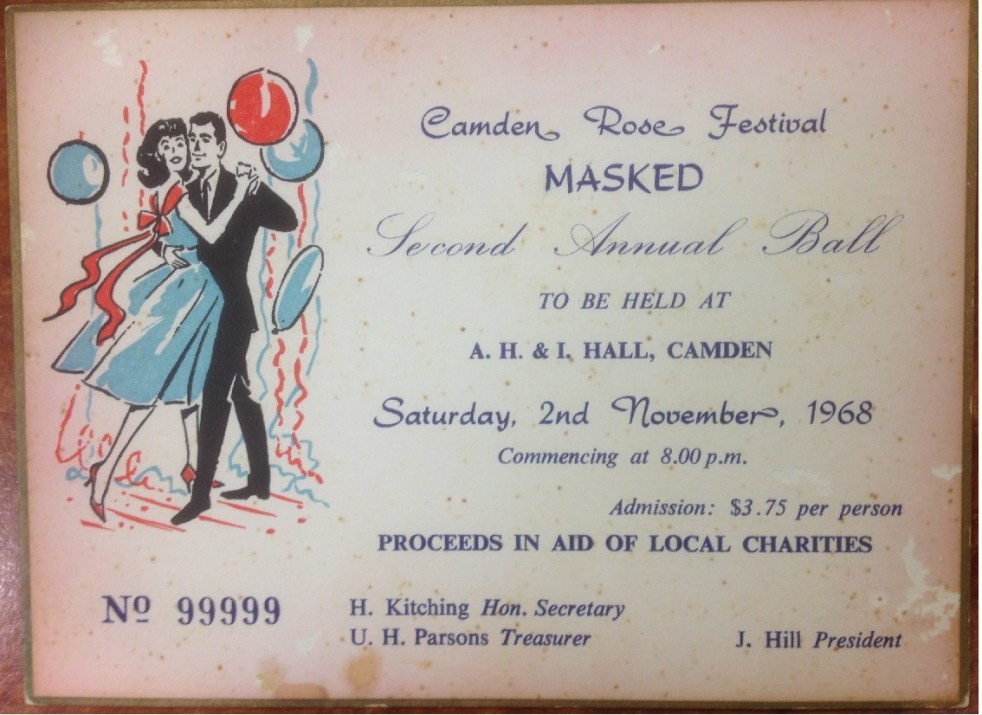
The Camden Rose Festival, founded by JW Hill, celebrated the 1960s' prosperity and optimism. The festival included a street parade, wheelbarrow derby, art exhibition, and a masked ball. The event attracted significant community participation and raised funds for Camden District Hospital. The festival reflected the spirit of the post-war years and local community engagement.

Aesthetics · Agricultural heritage · Art · Artists · Attachment to place · Belonging · British colonialism · Burragorang Valley · Camden · Camden Hospital · Camden Story · Church History · Coal mining · Colonial Camden · Community identity · Cultural Heritage · Cultural icon · Dairying · Dharawal · Farming · Heritage · Historical consciousness · Historical thinking · History · Living History · Local History · Local Studies · Macarthur · Memorial · Memorialisation · Memorials · Memory · Mid-century modernism · Modernism · Monuments · Pioneers · Place making · Public art · Sense of place · Settler colonialism · Settler Society · Social History · Stereotypes · Storytelling · Tourism

Camden Rotary Pioneer Mural: public art, a mural, a memorial wall and a wishing well

The Camden Pioneer Mural is an example of public art. The Camden mural depicts the Camden story as interpreted in 1962 by ceramic artist Byram Mansell.

Architecture · Attachment to place · Built heritag · Camden · Camden Airfield · Camden Hospital · Camden Story · Collective Memory · Community Health · Community identity · Cultural Heritage · Gender · Health History · Heritage · Historical consciousness · History · Interwar · Local History · Local Studies · localism · Medical history · Modernism · Nurses Quarters · Nursing · Place making · Placemaking · Regionalism · Sense of place · Stereotypes · Storytelling · Women's history

Camden Hospital Nurses’ Quarters: cloistered veils

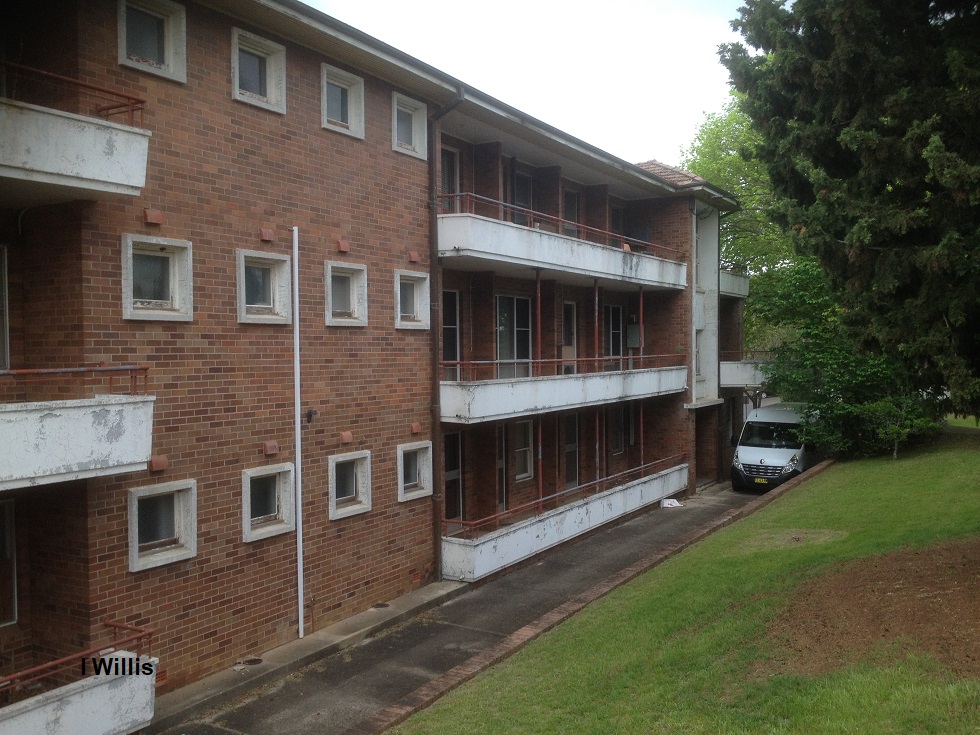
Over 700 people witnessed the opening of the Camden Hospital Nurses’ Quarters were opened in 1962 by the NSW Health Minister WF Sheahan.

1920s · 1930s · Aesthetics · Architecture · Argyle Street · Belonging · Cafes · Camden · Camden Hospital · Camden Modern · Camden Modernism · Camden Story · Camden Town Centre · Country town · Country town idyll · Cultural Heritage · Heritage · House history · Housing · Housing styles · Interwar · Local History · Local Studies · Modernism · Narellan · Place making · Placemaking · Sense of place · Small town · Storytelling · Urban growth · Urban history

Interwar Camden, the heritage of a country town

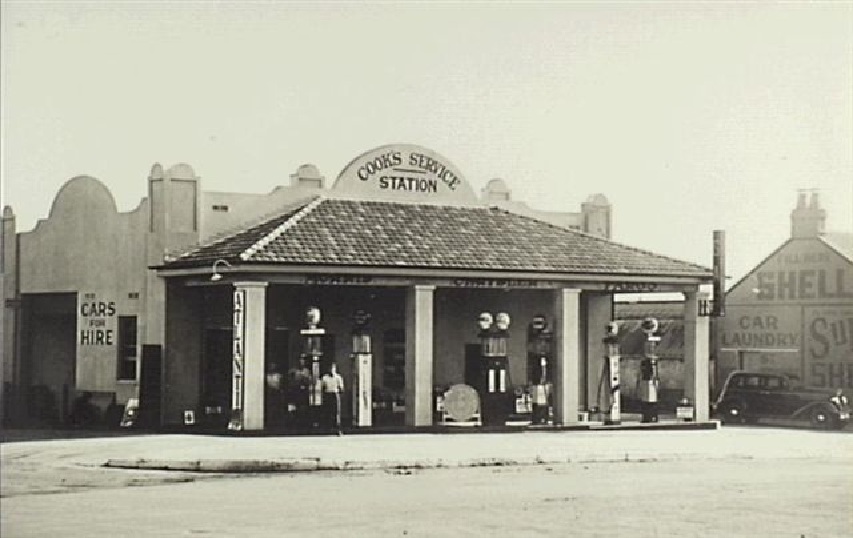
During the interwar period, Camden experienced economic growth driven by dairy and coal industries. The town's population grew by over 35%, making it a vital commercial and administrative center. The Hume Highway and railway brought modern influences, leading to developments such as motor industry, cinemas, and the airfield. Camden has maintained its bucolic charm, but has also experienced urbanization pressure. The town centre has many buildings from the interwar period.