
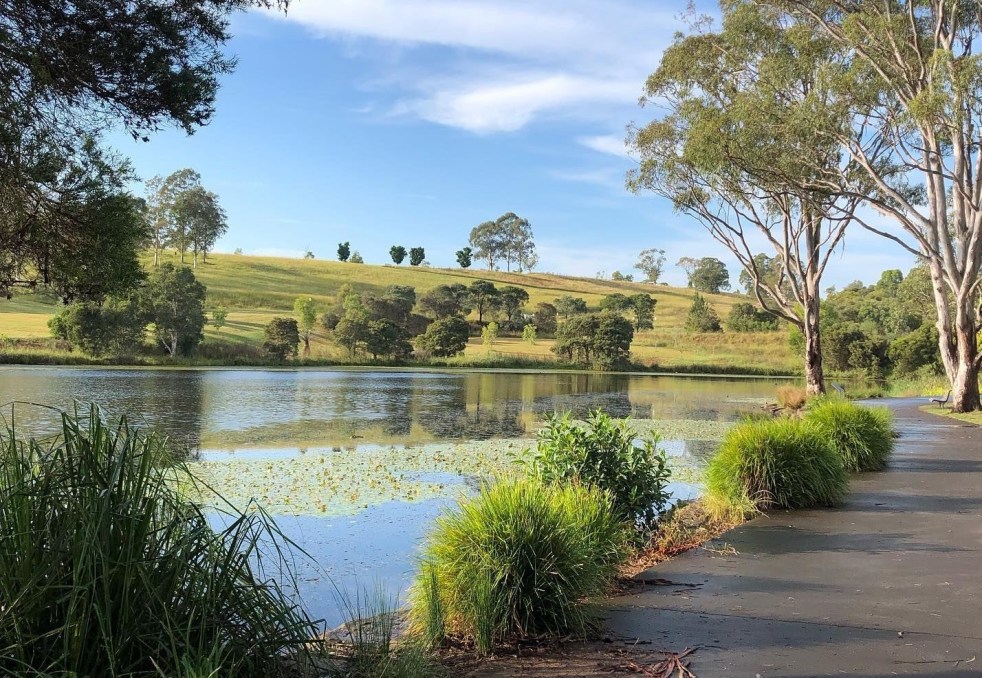
Western Sydney is a complex, diverse region with numerous communities, recognized by various government levels for planning and investment. Historically significant, it faces socio-economic disparities highlighted by the "Latte Line" and "Red Rooster Line." Recent developments, including the Western Sydney International airport, aim to enhance its identity and economic growth, fostering a sense of place.
Category: Parramatta

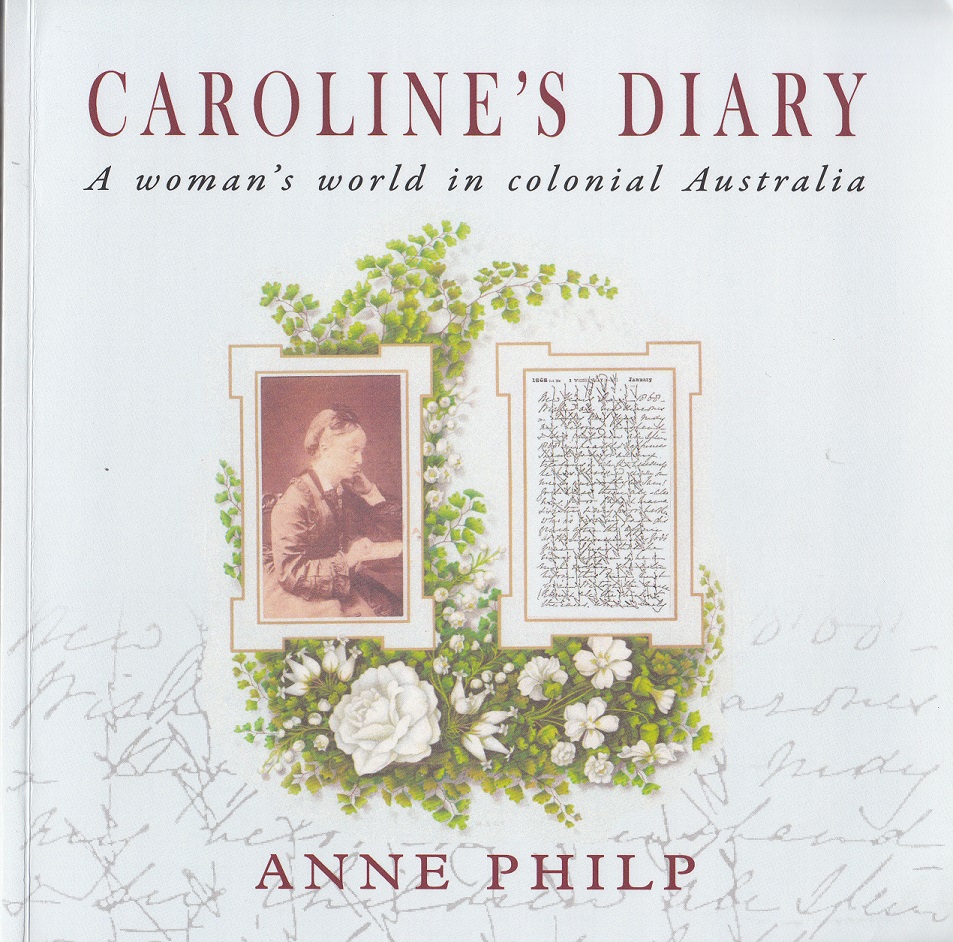
Exploring Caroline’s Diary: A Women’s Perspective on Colonial Australia
Anne Philp's "Caroline’s Diary" narrates the life of Caroline Husband, an Englishwoman who migrated to colonial Australia in the mid-19th century. Through her personal diaries, readers explore her adventures, social life, and experiences from England to New South Wales, providing insights into women's roles and societal dynamics during this period.
Share this:

Share this:
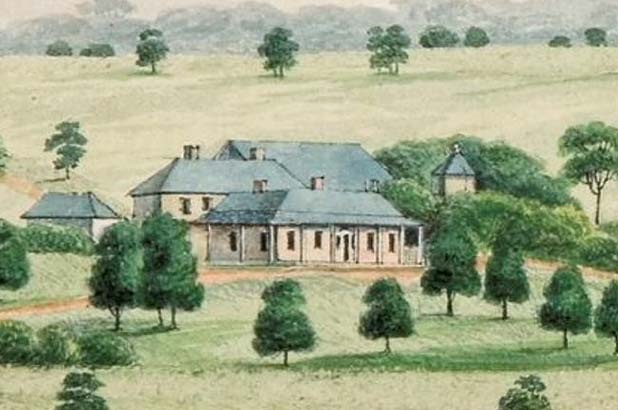
Elizabeth Farm, the foundation story of the Macarthur rural empire
Elizabeth Farm was the home of John and Elizabeth Macarthur for over 35 years, playing a central role in Australia's wool industry. Following years of neglect, it was transformed into a house museum in 1984. With extensive gardens and historical significance, it stands as one of the oldest surviving constructions in Australia.

