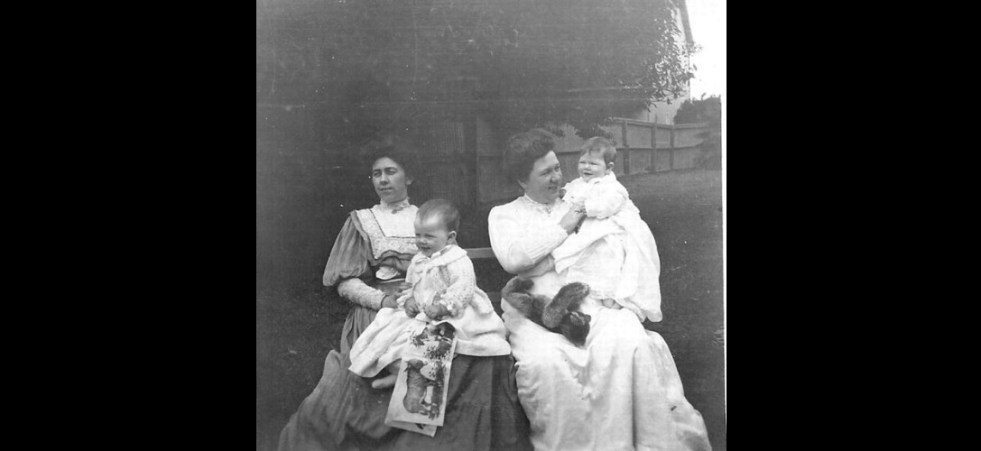
Around the turn of the century a direct link was made between infant welfare, motherhood, patriotism and nationalism. Motherhood and mothering were expressed in terms of patriotism and a national priority. All driven by European exceptionalism.
Category: Uncategorized


Fall of Singapore and the Camden response
The Fall of Singapore in February 1942 was a disastrous military defeat for the British Imperial forces and a defining point of the Second World War for Camden.
Share this:

Share this:
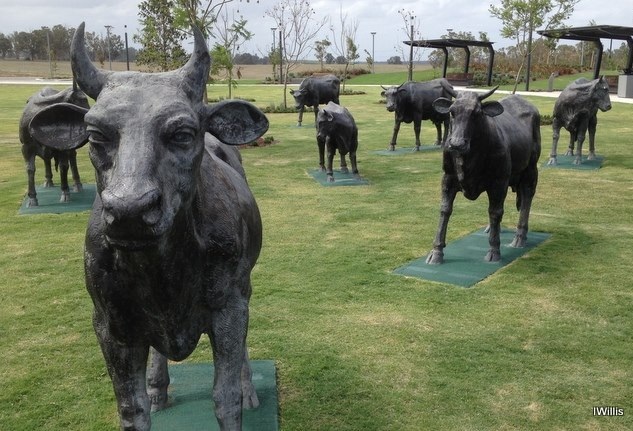
Macarthur FC: Symbolism, Regional History, and Nationalism
Macarthur FC, the newest A-League team, represents the Macarthur region in soccer. The club's identity is rooted in regional symbols and colors, including ochre to honor the local Dharawal Aboriginal people. Their use of the Macarthur name signifies the colonial and regional history. The club's presence is expected to shape Macarthur's identity and visibility nationally and internationally.
Share this:

Share this:
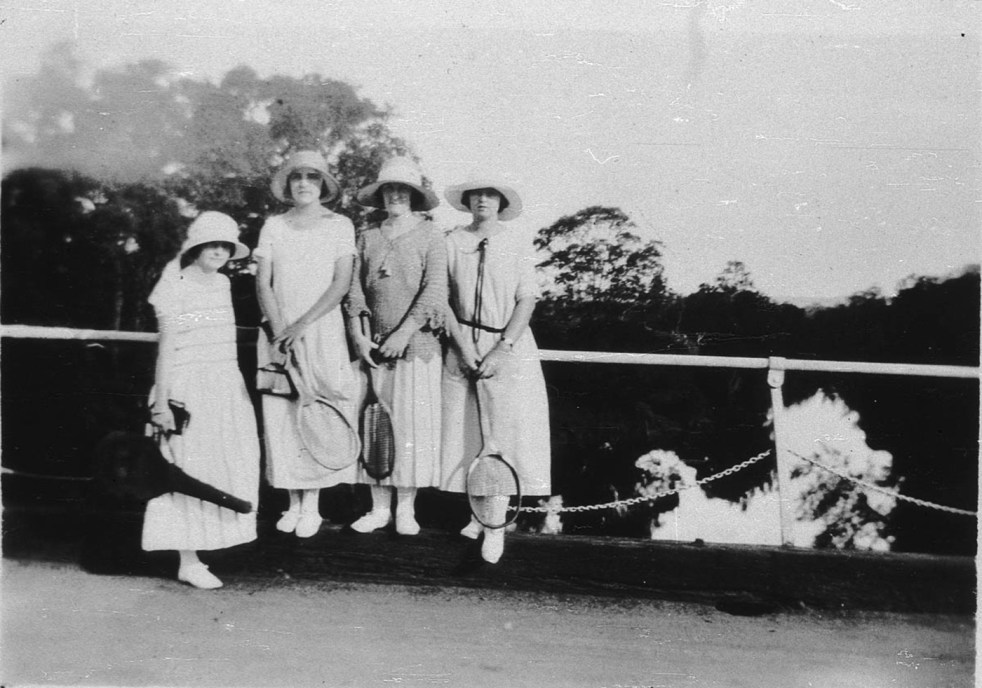
The Camden News affronted by Sydney ‘flappers’ and the appearance of the modern girl.
The modern girl appeared in Camden in the 1920s as she did elsewhere in the world. One representation of the modern girl was the 'flapper' who had a variety of responses in the town.
Share this:

Share this:
Take a stroll through the past
The past is all around us and has created the present. The present would not exist without the past. We need to understand the past to understand the present.
Share this:

Share this:
Local Newspapers and a Regional Setting in New South Wales
UOW historian Dr Ian Willis has recently published an article in Media History (UK) about the role of local newspapers in the creation of Macarthur regional identity and the mythology surrounding New South Wales colonial identity John Macarthur.
Share this:

Share this:
Neither “Middle Ground” nor “Native Ground”: Reading the Life of Goggey, an Aboriginal Man on the Fringes of Early Colonial Sydney
via Neither “Middle Ground” nor “Native Ground”: Reading the Life of Goggey, an Aboriginal Man on the Fringes of Early Colonial Sydney
Share this:

Share this:
The Authenticity of Landscape
Some thought on how landscape in understood and idealised.
On Thursday, October 11, at 4:00pm – 6:00pm (Australian Hearing Hub, Level 5, Room 212, Macquarie University) the Markers of Authenticity Seminar Series will continue with two speakers, Dr Alicia Marchant (ARC Centre of Excellence for the History of Emotions: Europe 1100–1800, University of Western Australia) and Dr Emily O’Gorman (Department of Geography & Planning, Macquarie University).
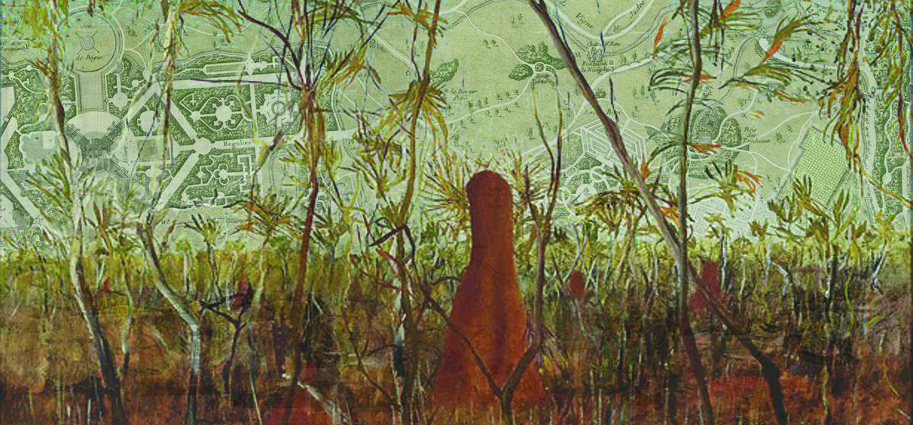
Our theme for this seminar is the Authenticity of Landscape. Our speakers will be discussing the way that landscape is understood and idealised, as well as how particular configurations of and stages in the development of a landscape are held up as authentic, original, and desirable. The speakers will address these issues in the following papers.
Alicia Marchant, ‘John Hardyng’s Scotland: Landscape, Heritage and Authenticity in the Fifteenth Century’
In 1457, Northumbrian knight John Hardyng (d. c.1465) employed a cartographer to create a map of Scotland for inclusion in his recently completed…
View original post 256 more words
Share this:

Share this:
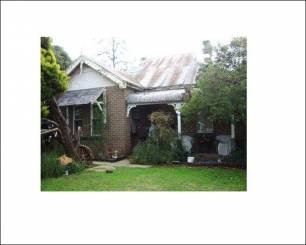
Carinya homestead, part of lost Camden
Camden Council voted to demolish the 1890 Carinya Cottage in Harrington Park, based on reports that it lacked local significance and associative value. This decision reflects a larger issue of neglect for heritage in New South Wales, with a lack of protection for historic sites and a conflict of interest in the assessment process. The political climate prioritizes development over heritage protection.
Share this:

Share this:
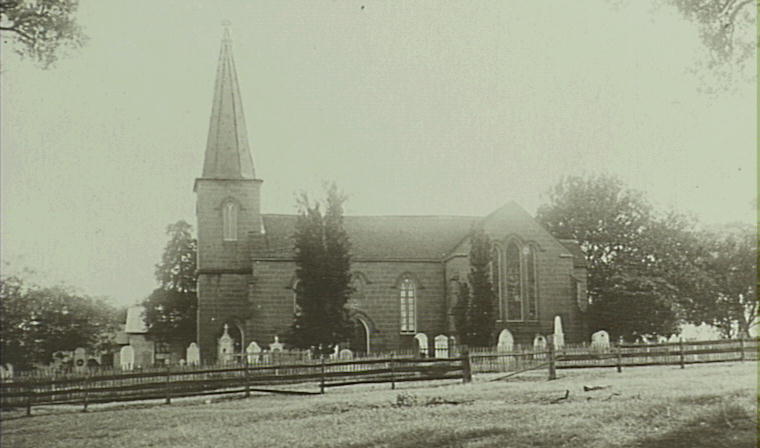
Whiteman & McIntosh, Camden Colonial Families Celebrate a Moderne Wedding at Cobbitty
A modern Cobbitty wedding for two important colonial families, the McIntosh family and the Whiteman family was an important social event in the district calendar.

