19th Century · Aesthetics · Art · Artists · Artworks · Camden Story · Community Health · Disease · Health and Medical History · Health History · History · Hope and loss · Medical history · Medical Humanities · Paintings · Public art · Scarlet fever · Sense of place · Social History · Storytelling · The Arts · Trauma

The Role of Scarlet Fever in Literature and Film

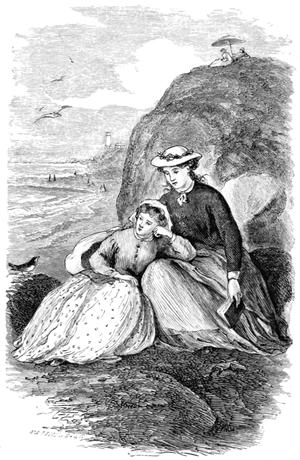
Scarlet fever, the disease, historically depicted in literature and film, caused widespread fear and hardship, significantly impacting dairy farming communities. Numerous works illustrate its societal ramifications and personal tragedies. Notable figures who contracted scarlet fever included Thomas Edison and members of the Darwin family. Scarlet fever emerged in Camden in the late 1890s, prompting the establishment of a cottage hospital due to its severe impact on dairy farmers.

20th century · Built Heritage · Camden Hospital · Health and Medical History · Health History · Heritage · Historian · History · Local History · Medical history · Place · Place making · Placemaking · Stories · Storytelling · Urban growth · Urban history

Camden’s First Hospital: A Historical Insight

Camden historian Dr. Ian Willis will present a paper on the origins of Camden Cottage Hospital at the 2025 Australian Historical Association Annual Conference. His paper, focusing on the hospital's role in rural health from 1899-1902, highlights community resilience and offers insights into local history and heritage in New South Wales.

19th Century · Architecture · Attachment to place · Built heritag · Built Heritage · Camden Built Heritage · Camden Cottage Hospital · Camden Hospital · Camden Story · Community · Community building · Community Health · Country town · Cultural Heritage · Family history · History of a building · History of a house · House history · Humanitarianism · Local History · Local newspapers · Local Studies · Medical history · Medical Humanities · Place making · Placemaking · Sense of place · Small town · Social History · Stories · Storytelling · Transport · transport history · Trauma · Women's agency · Women's history · Women's stories

Camden Cottage Hospital, from accidents to amputations and early patient experiences

The Camden Cottage Hospital, opened in April 1899, initially struggled with low patient admissions due to community reluctance. Early cases included accidents and serious conditions, leading to treatments and surgeries like amputations. By early 1900, there was increasing community trust and the permanent facility opened in May 1902.

19th Century · Australian History · British colonialism · British Heritage · Camden Built Heritage · Camden Cottage Hospital · Camden Story · Camden Town Centre · Colonialism · Community building · Community Health · Community identity · Country town · Health and Medical History · Health History · Heritage · History of a house · Local History · Nursing · Place making · Sense of place · Small communities · Small town · Social History · Stories · Storytelling · Uncategorized · Village

Camden Cottage Hospital – early English influences and the cottage hospital movement

The Camden Cottage Hospital, inspired by the English cottage hospital movement, was established in 1899 in New South Wales. This model provided the community with a small, welcoming healthcare facility, funded by donations and subscriptions. Over time, cottage hospitals became integral to the healthcare landscape in rural Australia, adapting local characteristics.

Built Heritage · Camden Cottage Hospital · Camden Hospital · Camden Story · Camden Town Centre · Community Health · Health and Medical History · Health History · Heritage · History · History of a house · Local History · Medical history · Medical Humanities · Nursing · Place · Regionalism · Sense of place · Small town · Stories · Storytelling

Camden Cottage Hospital – foundation and early days

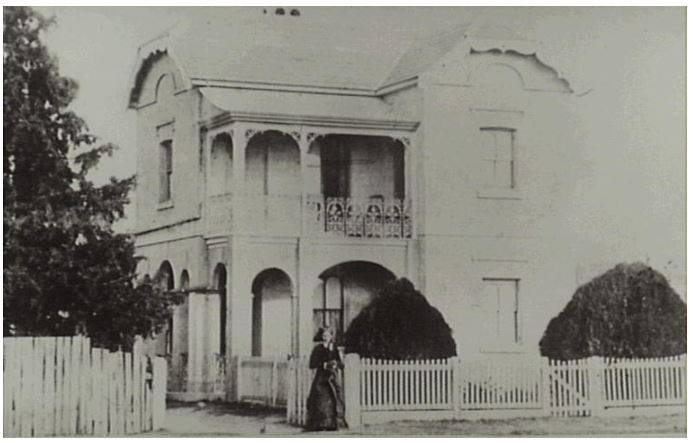
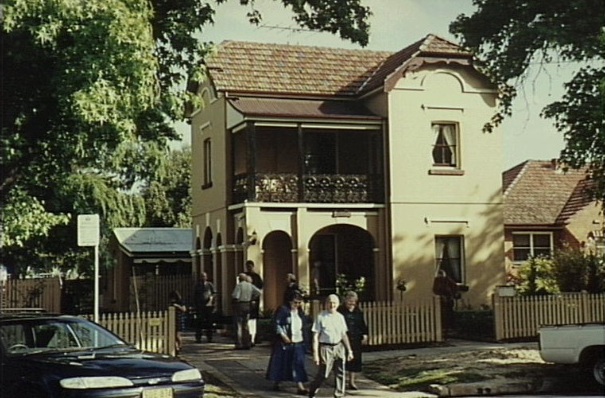
By the 1890s, Camden's economy depended on dairy, but health concerns arose due to contaminated water and infectious diseases like scarlet fever. In response, the community pushed for a cottage hospital, leading to its opening in 1899. Local efforts highlighted the crucial link between health and the dairy industry's sustainability.

Active citizenship · Argyle Street · Attachment to place · Business · Camden · Camden Museum · Camden Story · Community identity · Country Women's Association · Cultural Heritage · Cultural icon · Economy · Families · Family history · Genealogy · Heritage · Historical Research · History · Local History · Local Studies · Medical history · Memory · Place making · Sense of place · Shopping · Storytelling · Uncategorized · Volunteering · Volunteerism · Women's history

Local identities, Colin and Dorothy Clark

The life and times of Colin and Dorothy Clark were examples of active citizenship. Together they shaped a future for themselves in Camden and served their community, church and family.

Adaptive Re-use · Anzac · Architecture · Attachment to place · Belonging · Community Health · Convalescent Home · Convalescent hospital · Cultural Heritage · First World War · Heritage · Historical consciousness · Historical Research · Historical thinking · History · Job creation · Living History · Local History · Medical history · Memory · Place making · Red Cross · Second World War · Sense of place · Storytelling · Tourism · Travel · Volunteering · Volunteerism · War · War at home · Women's history

A scholarly visit to the harbour city

A scholarly visit to the harbour city of Auckland New Zealand by UOW historian Dr Ian Willis was an opportunity to learn more about medical history.

Architecture · Attachment to place · Built heritag · Camden · Camden Airfield · Camden Hospital · Camden Story · Collective Memory · Community Health · Community identity · Cultural Heritage · Gender · Health History · Heritage · Historical consciousness · History · Interwar · Local History · Local Studies · localism · Medical history · Modernism · Nurses Quarters · Nursing · Place making · Placemaking · Regionalism · Sense of place · Stereotypes · Storytelling · Women's history

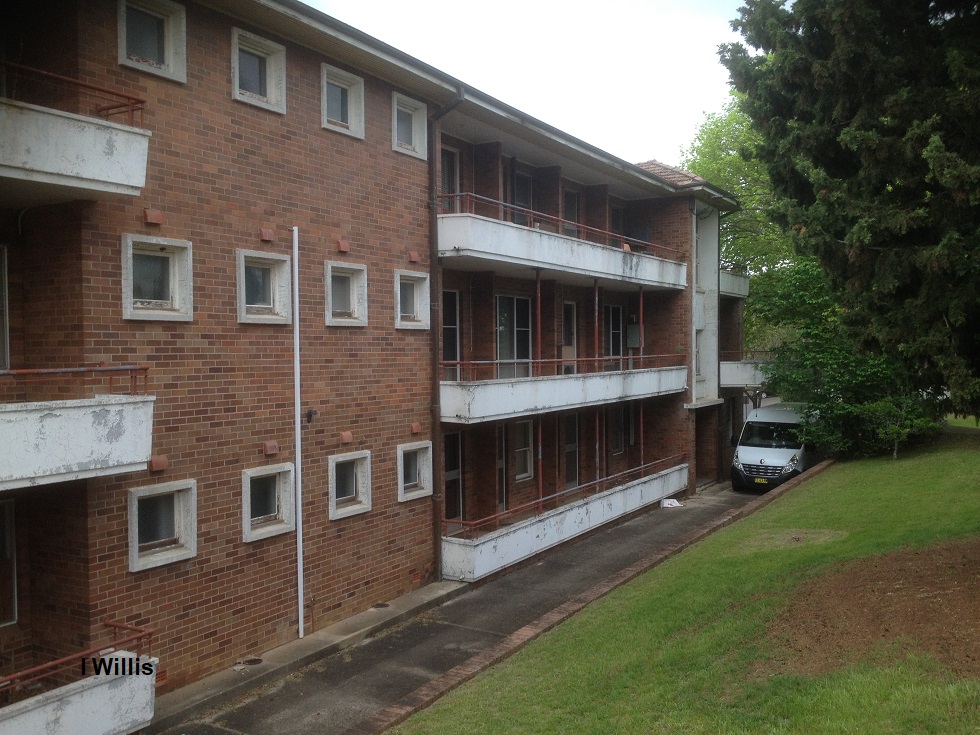
Camden Hospital Nurses’ Quarters: cloistered veils

Over 700 people witnessed the opening of the Camden Hospital Nurses’ Quarters were opened in 1962 by the NSW Health Minister WF Sheahan.

Architecture · Attachment to place · Built heritag · Camden · Colonial Camden · Colonialism · Community Health · Community identity · Consumption · Convalescent Home · Convalescent hospital · Cultural Heritage · First World War · Heritage · Historical consciousness · Historical Research · History · Interwar · Local History · Medical history · Modernism · Philanthropy · Place making · Placemaking · Sense of place · Storytelling · Tuberculosis · Volunteering

Carrington Centennial Hospital for Convalescents and Incurables, Camden

Carrington Centennial Hospital for Convalescents, opened in 1890 in Camden, NSW, embodied Florence Nightingale’s principles, emphasizing fresh air and proper ventilation for recovery. Established by philanthropist WH Paling, it was the first major convalescent facility in New South Wales, providing a restorative environment away from the urban pollution.

Convalescent hospital · Edwardian · First World War · Historical consciousness · History · Interwar · Local History · Medical history · Red Cross · Second World War

Thomas Walker Convalescent Hospital Concord NSW

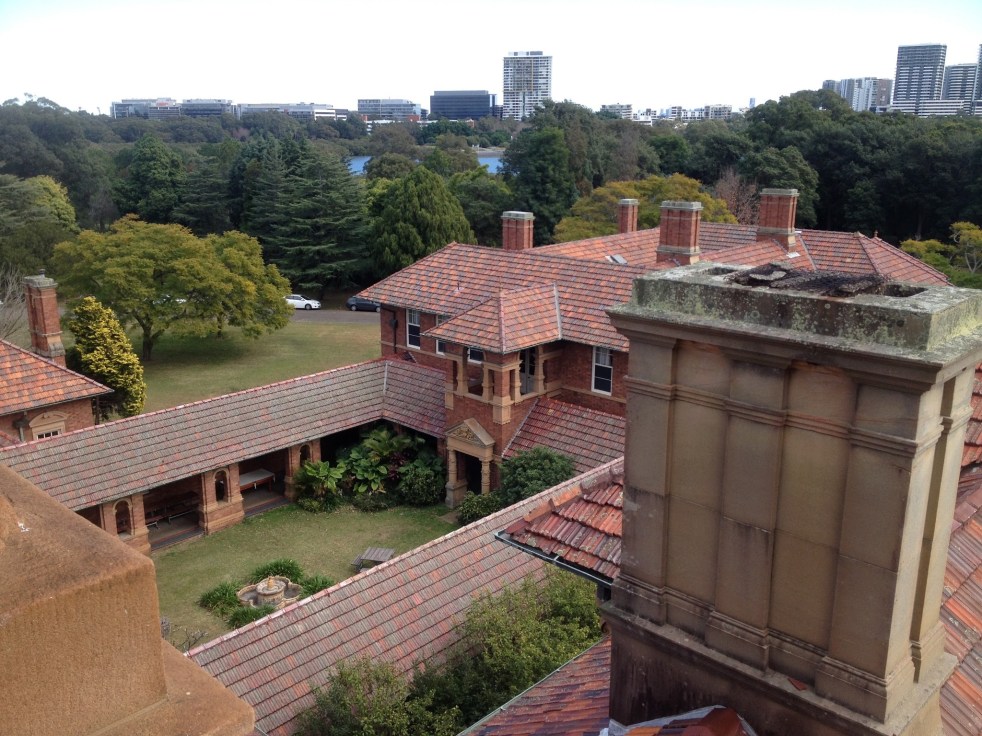
Out at Concord, located in Sydney's inner west, is the magnificent building of the former Thomas Walker Memorial Hospital for Convalescents, that is now the school Rivendell. It was recently open for inspection by the City of Canada Bay Heritage Society. The heritage society organises regular open days to continually raise public awareness of this… Continue reading Thomas Walker Convalescent Hospital Concord NSW