19th Century · 20th century · Aesthetics · Architecture · Attachment to place · Belonging · Built Heritage · Camden Built Heritage · Camden Story · Camden Town Centre · Community building · Country Charm · Country town · Country town idyll · Cultural and Heritage Tourism · Cultural Heritage · Cultural memory · Cultural Symbols · culture · Domestic Architecture · Historical consciousness · Historical thinking · History · Local History · Local Studies · Marketing · Memory · Nostalgia · Place making · Placemaking · Ruralism · Tourism · Urban development · Urban growth · Urban history · Urban Village · Village

Is Camden a Village? Unpacking History and Marketing

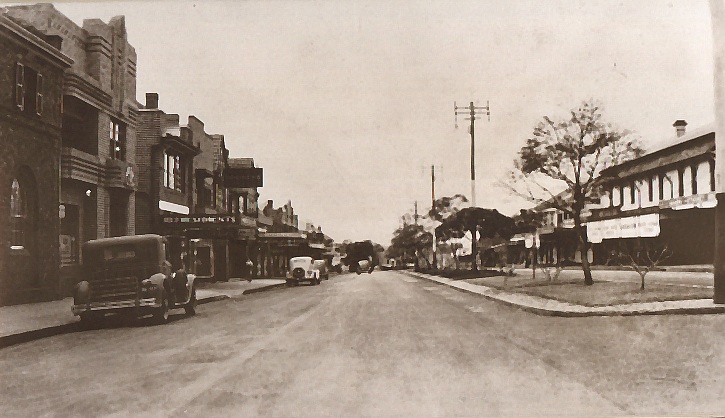
The 'Camden Village' marketing strategy leverages nostalgia and historical authenticity to promote its charm as a getaway near Sydney. It celebrates Camden's heritage, exploring themes of community and continuity, while questioning the true nature of its village identity. This strategy taps into sentimental longings for simpler times, appealing emotionally to potential visitors.

Architecture · Attachment to place · Belonging · Ben Linden · Built heritag · Business History · Camden Story · Colonial Camden · Colonial frontier · Community identity · Country town · Cowpastures · Cultural and Heritage Tourism · Cultural Heritage · Domestic Architecture · Edwardian · Heritage · Heritage Walking Tours · History · Interwar · Local History · Local Studies · Macarthur region · Memory · Narellan · Narellan Built Heritage · Narellan Story · Place making · Regionalism · Residential Housing Style · rural-urban fringe · Sense of place · Storytelling · Sydney's rural-urban fringe · Tourism · Town planning · Urban development · Urban growth · Urban history · urban sprawl

Explore Narellan’s History: Heritage Walking Tour and Historic Sites

The Narellan Heritage Walking Tour, curated by local photographers Kylie and Peter Lyons, provides a fascinating exploration of the historical and architectural legacy of Narellan. This tour offers insights into the original villages predating Camden's establishment in 1840, featuring notable sites like The Old St Thomas Chapel and the Narellan Public School.

Aesthetics · Agricultural heritage · Agricultural modernism · Architecture · Attachment to place · Australia · Belgenny Farm · Business · Camden Park House and Garden · Community identity · Cowpastures · Cultural Heritage · Cultural icon · Dairying · Engineering Heritage · Engineering History · Farming · Food · Heritage · Historical consciousness · Historical Research · Historical thinking · History · Industrial Heritage · Lifestyle · Living History · Local History · Local Studies · Lost Sydney · Macarthur · Memory · Menangle · Mid-century modernism · Modernism · Monuments · Myths · Place making · Placemaking · Ruralism · Sense of place · Sydney · Sydney's rural-urban fringe · Tourism · Town planning · Urban growth · Urban Planning · urban sprawl · Urbanism · USA · Utilities

The Rotolactor, a Menangle milking marvel

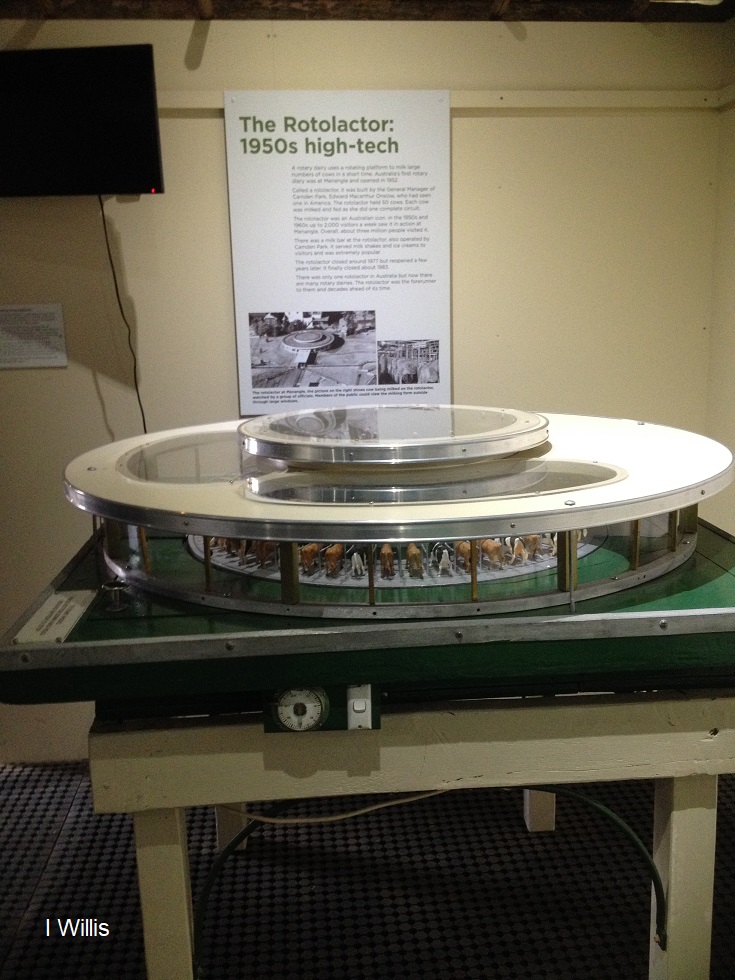
The Rotolactor was Menangle's milking marvel. A rotating dairy that was a tourism attraction and an example of industrial modernism on the colonial property Camden Park estate.

Aesthetics · Architecture · Attachment to place · British colonialism · Built heritag · Church History · Churches · Cobbitty · Colonialism · Commemoration · Community identity · Cowpastures · Cultural Heritage · Cultural icon · Denbigh · England · Fashion · Festivals · Heritage · Historical consciousness · Historical thinking · History · Landscape aesthetics · Living History · Local History · Local Studies · Macarthur · Memorialisation · Memorials · Memory · Monuments · Moveable Heritage · Myths · Place making · Placemaking · Regionalism · Ruralism · Sense of place · Settler colonialism · Settler Society · Small communities · St Paul's Church Cobbitty · St Pauls Church Cobbitty · Storytelling · Urban development · Victorian · Village

Cobbitty Anglican Church, a little bit of England celebrates 190 years

The English-style village of Cobbitty celebrates 190 years of the presence of the Anglican church.