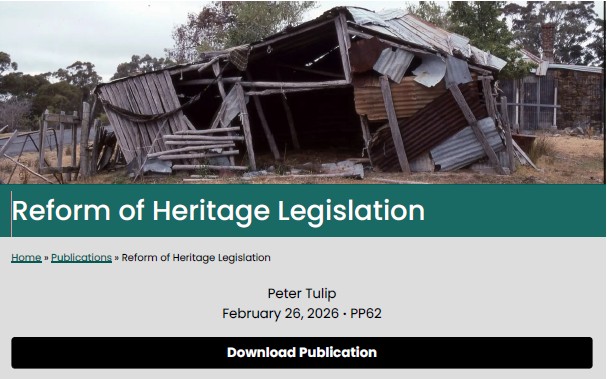
The Centre for Independent Studies argues that NSW heritage laws exacerbate the housing affordability crisis by preserving unremarkable buildings, thus restricting development. It critiques a narrow economic view of heritage that neglects community values, highlighting that a broader understanding of heritage's social and economic benefits is essential for sustainable urban planning.
Category: Built Heritage

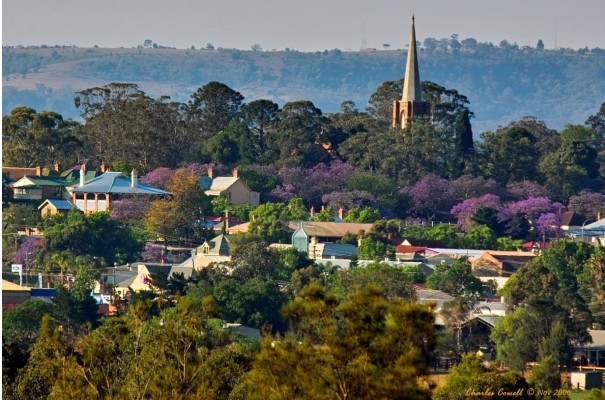
HERITAGE STUDY CAMDEN NEW SOUTH WALES Documentary Evidence addressing criteria for statutory heritage listing
The Camden Township Heritage Study highlights Camden's unique historical and cultural significance, being an unofficial town established in 1836. Its intact colonial architecture, exceptional planning, and connection to influential figures like John Macarthur contribute to its character. The study emphasizes the need to protect Camden's heritage from inappropriate development for economic and cultural sustainability. In 2023 the Camden Residents Action Group prepared a document to assist is application to address the criteria for heritage listing in New South Wales, authored by Glenda Davis.
Share this:

Share this:
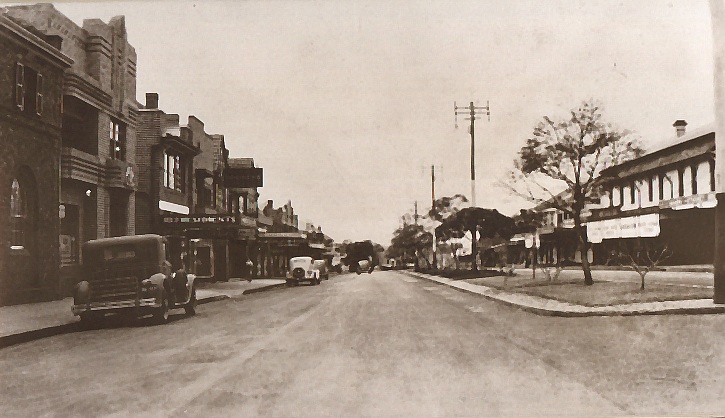
Is Camden a Village? Unpacking History and Marketing
The 'Camden Village' marketing strategy leverages nostalgia and historical authenticity to promote its charm as a getaway near Sydney. It celebrates Camden's heritage, exploring themes of community and continuity, while questioning the true nature of its village identity. This strategy taps into sentimental longings for simpler times, appealing emotionally to potential visitors.
Share this:

Share this:
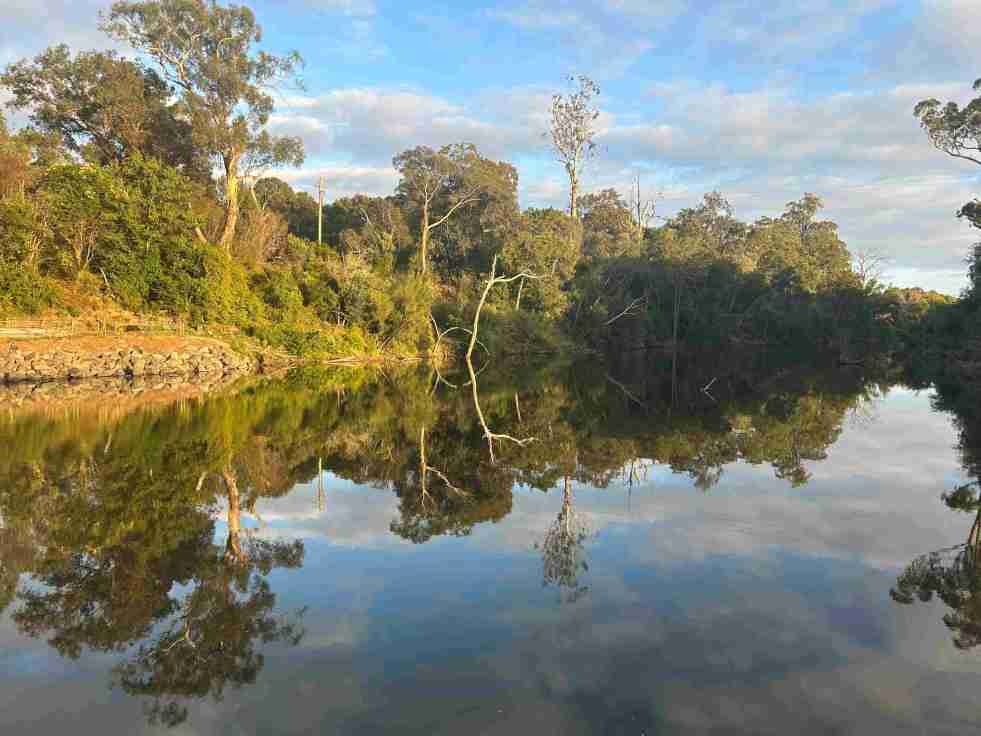
Upper Nepean River: Cultural and Environmental Insights
The Upper Nepean River is the upper catchment of the Hawkesbury-Nepean system, extending over 470 km from Goulburn to the Hunter Valley. Named in 1789, it has a complex history shaped by floods, droughts, and the settlements of Indigenous peoples and Europeans, significantly influencing the region's culture and land use.
Share this:

Share this:
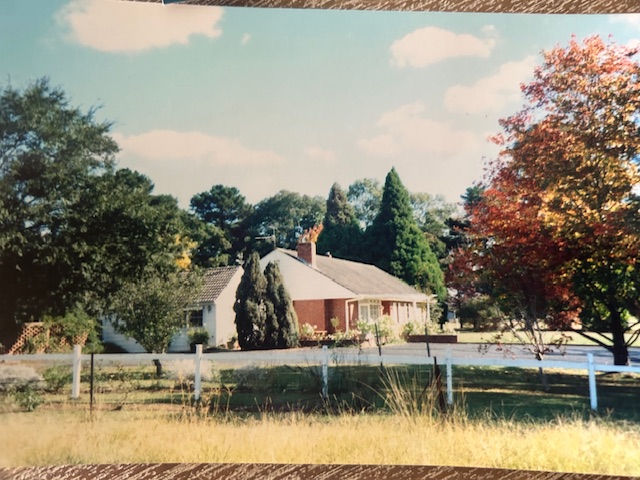
Exploring Elderslie’s Ranch-Style Homes, lost mid-century Camden
Tarn House, a ranch-style residence built in 1963 by Dr. Gordon Clowes in Elderslie, represents Camden's mid-century modern architecture. Clowes, an influential community figure and surgeon, lived there with his family. The house, now lost, was part of a broader trend of ranch-style homes in the area during the 1960s.
Share this:

Share this:
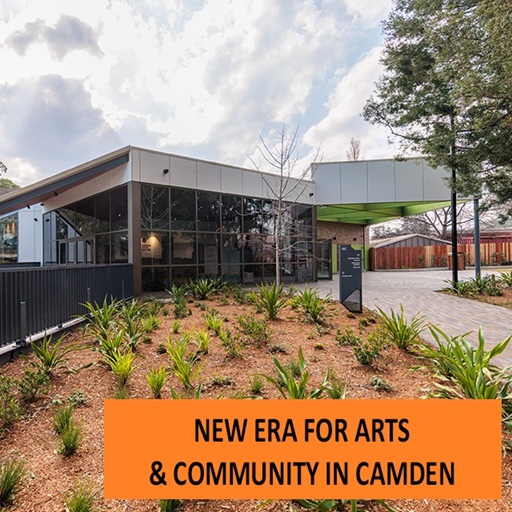
Community Hub Revitalization: Camden Civic Centre’s New Look
The Camden Civic Centre was officially reopened after a $9.9 million upgrade, enhancing its facilities as a modern, multi-purpose venue. The project included improved workspaces, public art installations, and a new grand piano. The council and government funding ensured a functional space for community events, strengthening local cultural support.
Share this:

Share this:

The Role of Historians in an AI World
A Microsoft study suggests historians are among jobs most at risk from AI, particularly due to AI's ability to gather data. However, historians play a crucial role in interpretation, analysis, and narrative construction, capabilities AI lacks. Therefore, while AI may assist, it cannot replace historians, ensuring their continued relevance in understanding the past.
Share this:

Share this:
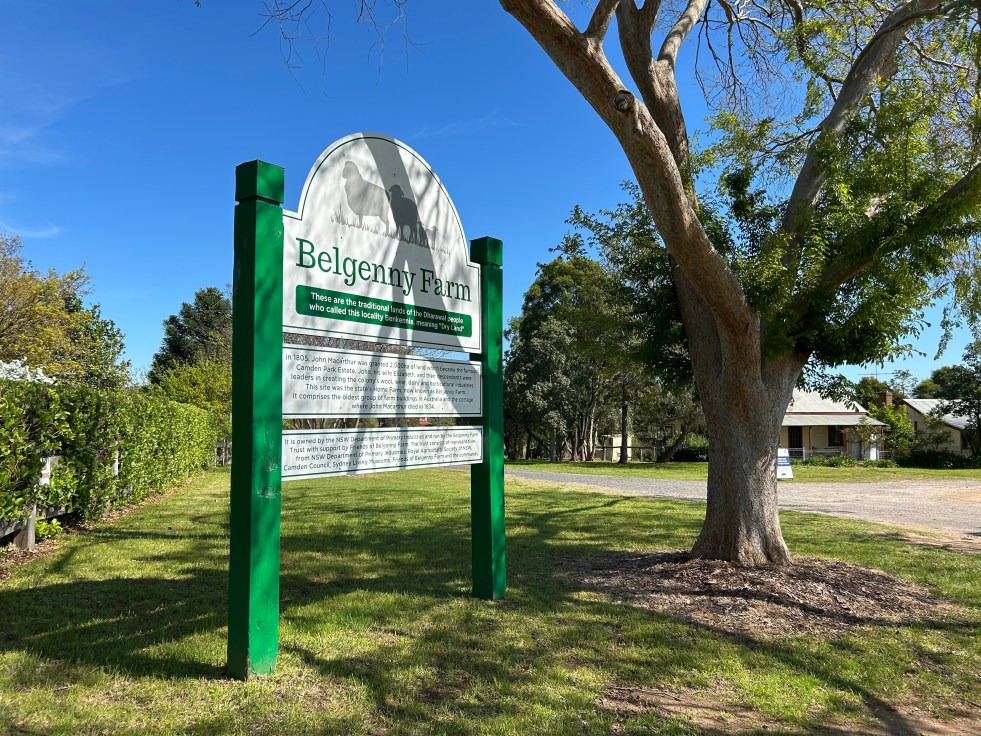
Exploring Belgenny Farm: Australia’s Oldest Farm Complex
Belgenny Farm, located in Camden, NSW, is Australia’s oldest surviving group of farm buildings, dating back to the 1820s. This historical site includes significant structures like stables, a coach house, and a community hall. It holds cultural importance through its association with the Macarthur family and continues to serve educational purposes.
Share this:

Share this:
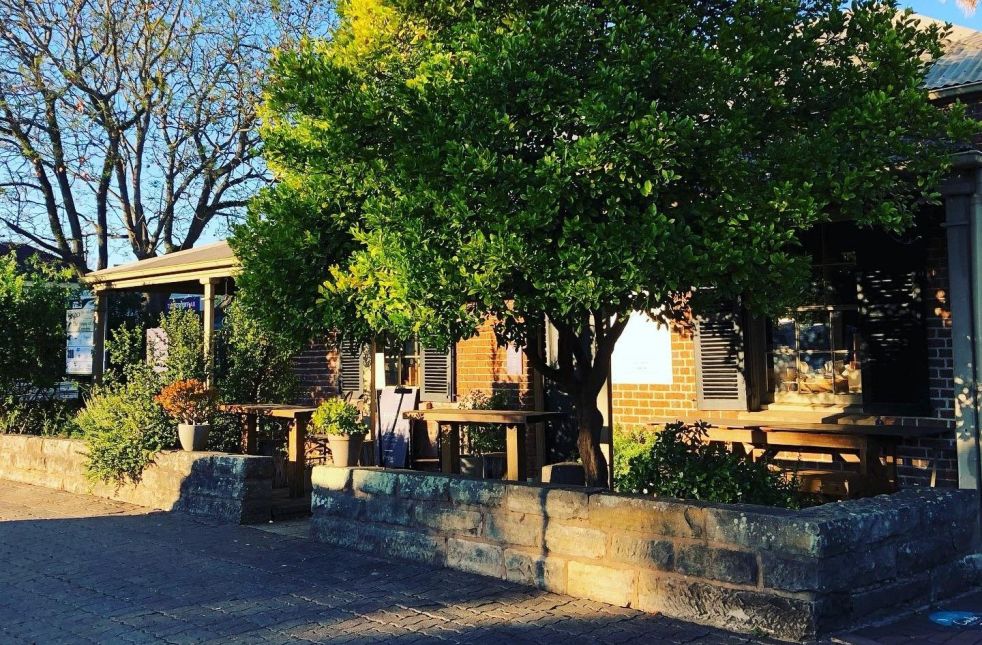
Addressing Australia’s Heritage Skills Crisis
The Australian Garden History article by Yolanda Cool discusses a crisis in heritage skills training in Australia, highlighting a lack of formal education and accreditation for tradespeople. The Heritage Skills Association emphasizes the urgent need for skilled workers to preserve heritage properties, advocating for solutions and initiatives to address this ongoing shortage. The article explores how the shortage of traditional trades skills in not new in Australia.
Share this:

Share this:

Understanding NSW’s 2025 Draft Heritage Strategy
The NSW Government has unveiled the NSW Heritage Strategy, marking a significant update in over twenty years. Aiming to broaden the understanding of heritage, it includes Aboriginal culture, historic structures, and natural heritage. Public feedback is welcomed until July 13, 2025, to shape the final strategy guiding future heritage policies.

