
The closure of Liddell Power Station in 2023 sparked artistic creations in the Hunter Valley. Sixteen artists generated artworks exploring the station's legacy. The power station, operational since the early 1970s, contributed significantly to the region's industrial landscape. The artworks aim to help local communities cope with the loss of jobs and the power station's impact on Australia's energy supply.
Category: Local Studies

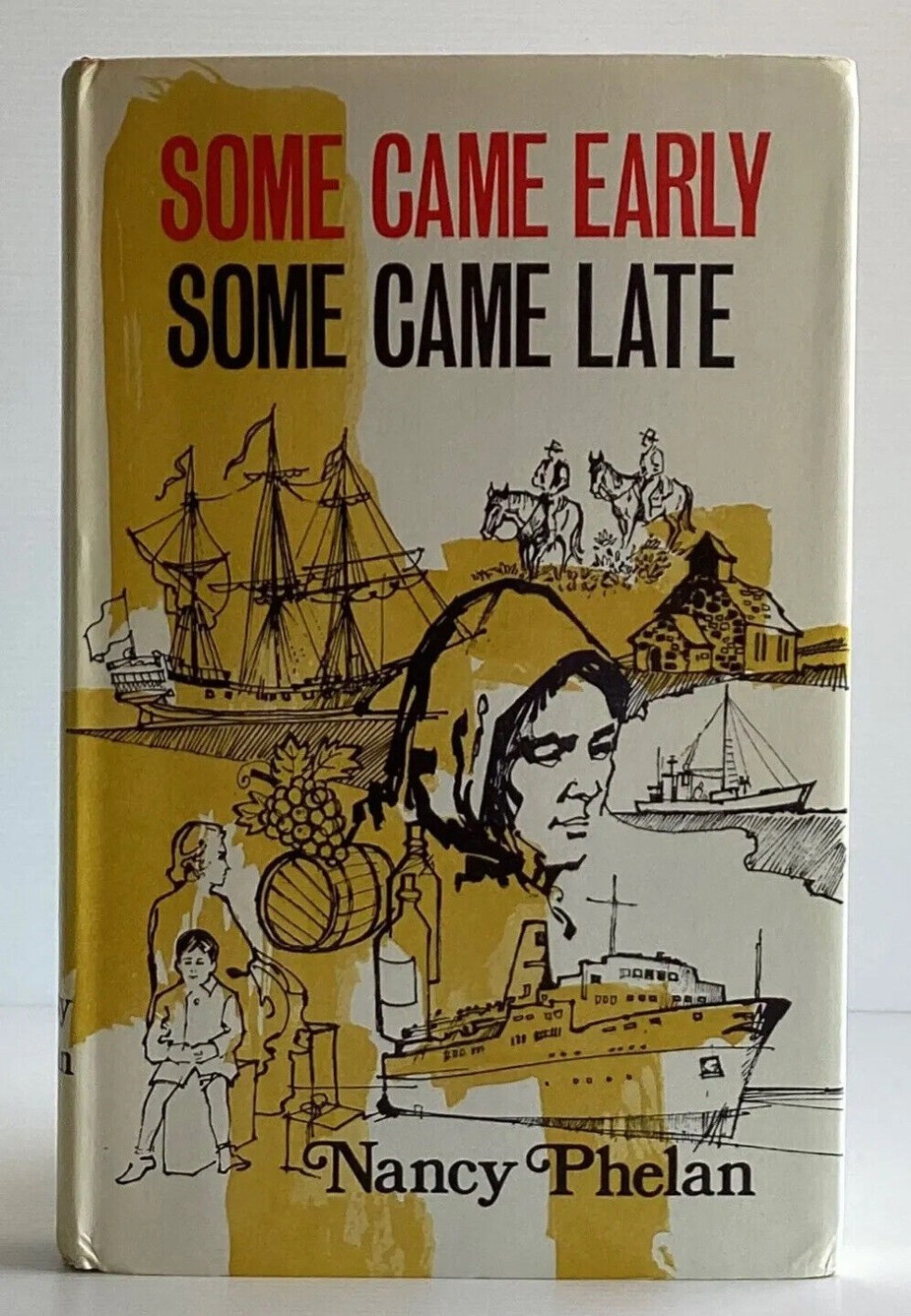
Nancy Phelan’s Reflections on the English Resemblance of Cobbitty, NSW
Australian writer Nancy Phelan's "Some Came Early Some Came Late" (1970) explores the historical significance of the Cobbitty region in New South Wales, focusing on the efforts of early colonial English immigrants to recreate a 'little England'. Phelan's unique perspective, influenced by her own experiences and observations, offers a fresh and captivating view of the region's history, accentuating the deep emotional ties and cultural significance.
Share this:

Share this:
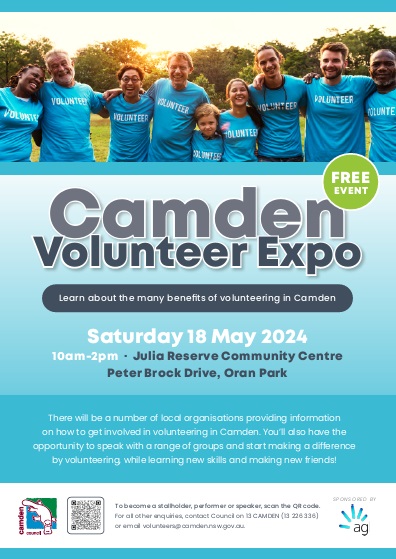
Volunteer Expo, an exceptional networking event
The Volunteer Expo at Julia Reserve Community Centre, Oran Park, NSW, showcased local community organizations during National Volunteer Week. The event aimed to promote volunteering and featured 36 organizations. The expo provided networking opportunities and highlighted the importance of social capital and storytelling in building community resilience. The Camden Council played a vital role in organizing the successful event.
Share this:

Share this:

Yearning, Longing and The Remaking of Camden’s Identity: the myths and reality of ‘a country town idyll’.
This article discusses the concept of a "country town idyll" in Camden, an idealised version of a country town from an imagined past that uses history to construct imagery based on Camden's heritage buildings and other material fabrics. The paper delves into the origins of the idyll, examines its development, and investigates its validity in its contemporary context. It shows how its supporters have used history as a community asset to remake Camden's identity and explore how the 'country town idyll' has been used variously as a political weapon, a marketing tool, and a tourist promotion.
Share this:

Share this:
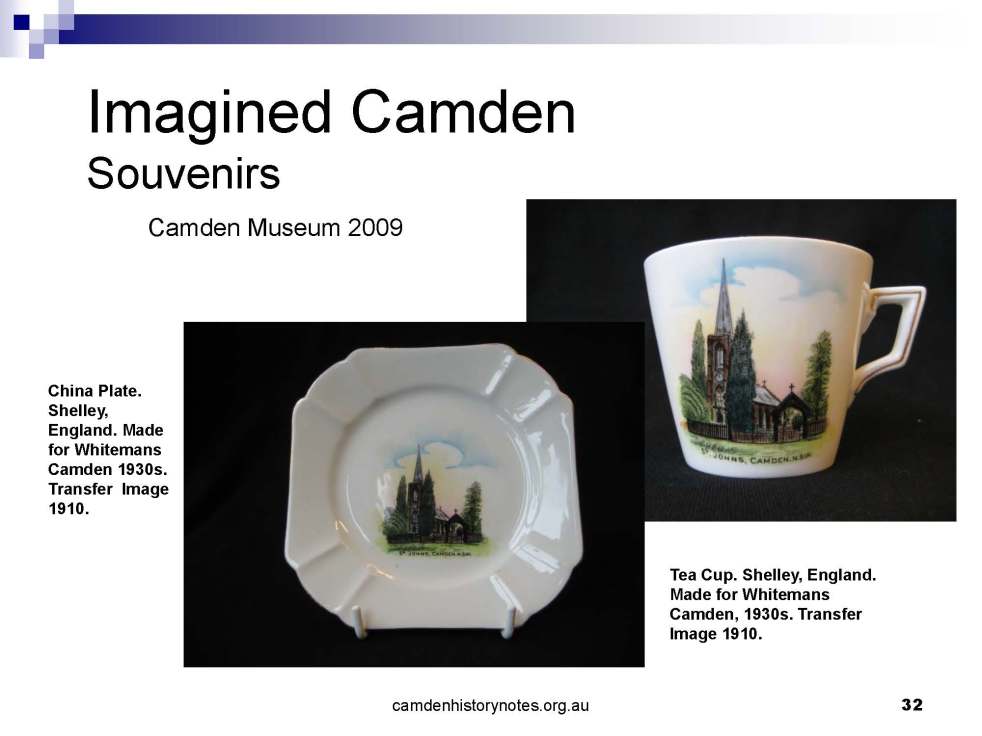
Camden, the making and re-making of familiar places
This presentation at the WEA-RAHS Seminar Series on 28 October 2009 at History House, Sydney, explores the conflict between urban expansion and the desire to preserve Camden's identity as a country town. It delves into the tension between nostalgic ideals and the reality of modern development in the area.
Share this:

Share this:
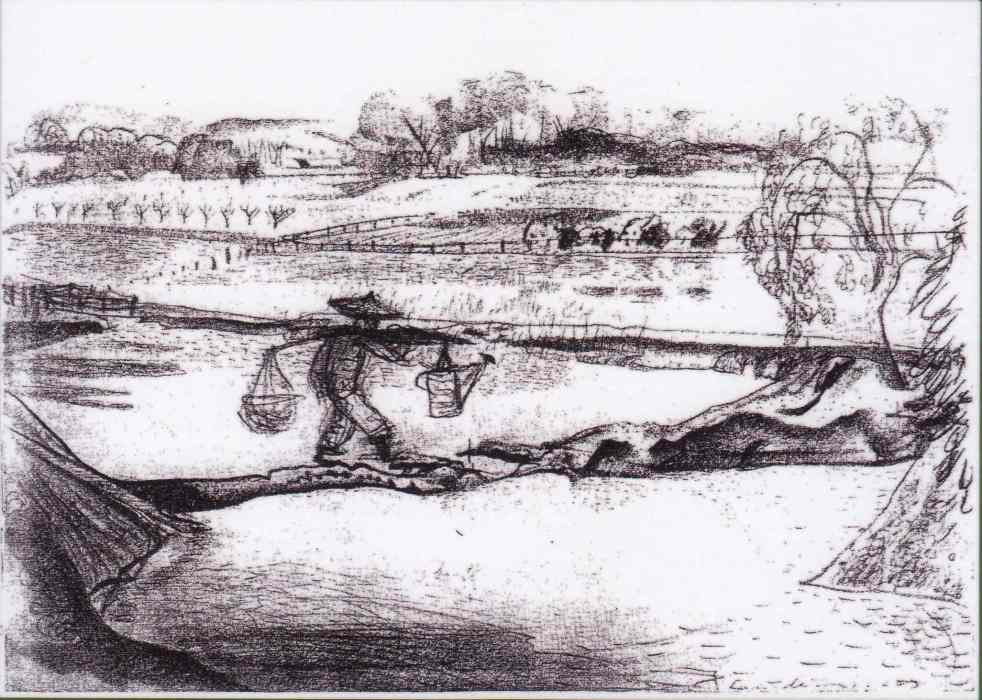
Who were the Camden Chinese market gardeners, a new book reveals the story
The book "A History of Camden Chinese Market Gardeners 1899-1993" edited by Ian Willis & Julie Wrigley tells the story of Chinese market gardeners in Camden. They faced challenges such as the White Australia Policy and local ostracism but demonstrated resilience. The book sheds light on their history and is recommended for those interested in local studies and the Chinese diaspora.
Share this:

Share this:

Community Partnerships: Are they all that they are cracked up to be?
In 2007, Peter Scrivener reported on the community partnership between the Camden Historical Society and Camden Council, highlighting the amicable relationship and its intended outcomes. This serves as the basis for scholarly work on community partnerships. The partners' mutual benefits, clear objectives, and common goals have made the partnership successful. Informal and formal linkages and evaluations ensure its continued success.
Share this:

Share this:
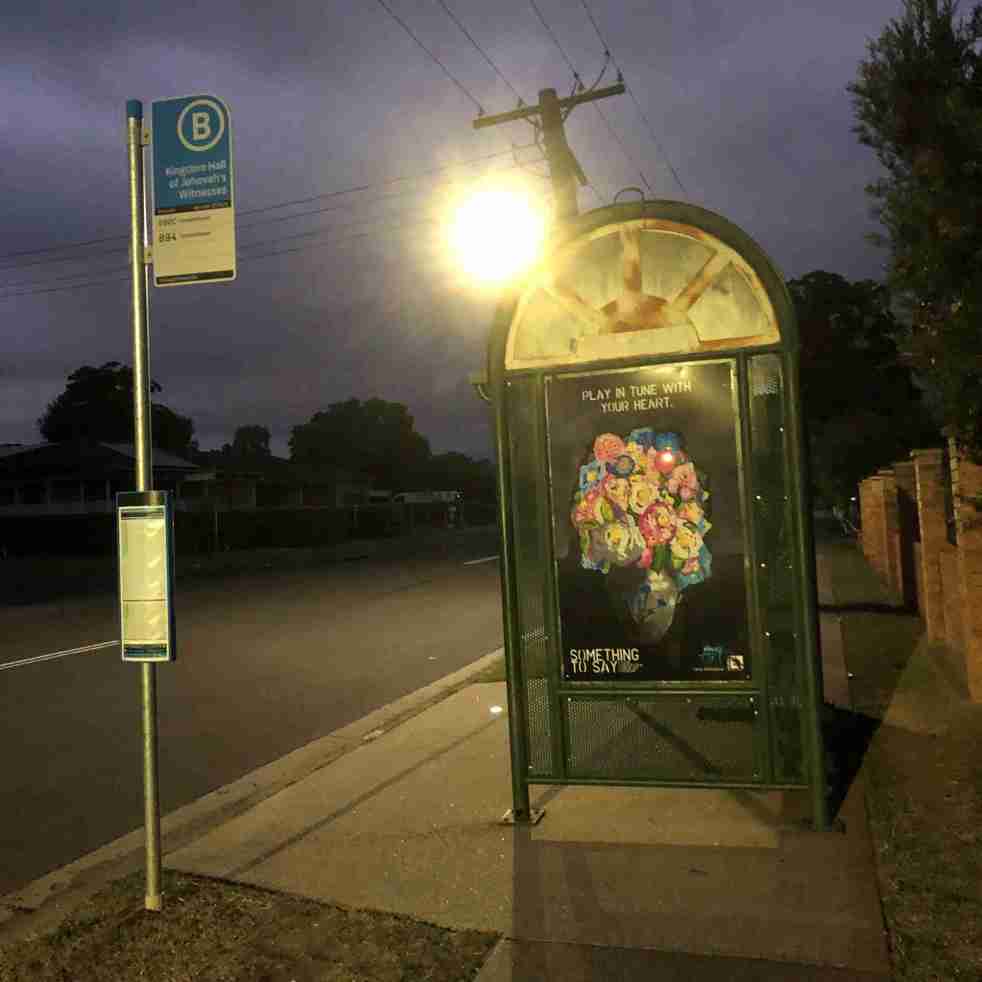
Public Art, Young Women Artists Have Something to Say
Young women artists from the Camden area have had their artworks on public display in a program called Something to Say. The art installations were located outside the Camden Council administration building at Oran Park NSW from late 2023 to early 2024..
Share this:

Share this:
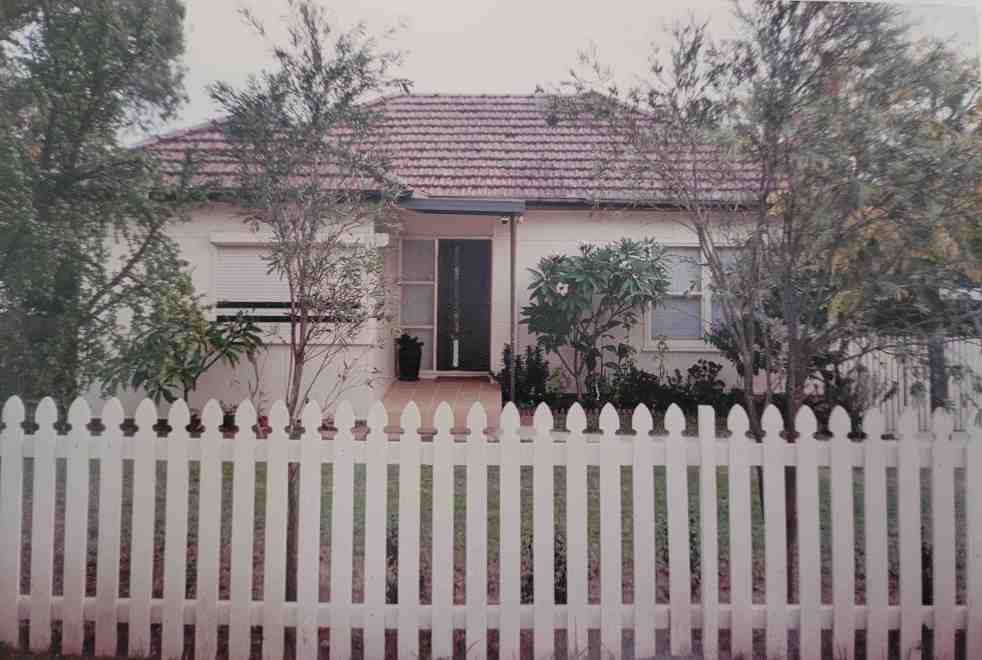
Despina’s story, fond memories of living in Campbelltown
A former resident of Campbelltown, Despina Maddalena, has recalled her time living in Campbelltown in the early 2000s. She has fond memories and is quick to defend the city from stereotypes and misinformation.
Share this:

Share this:
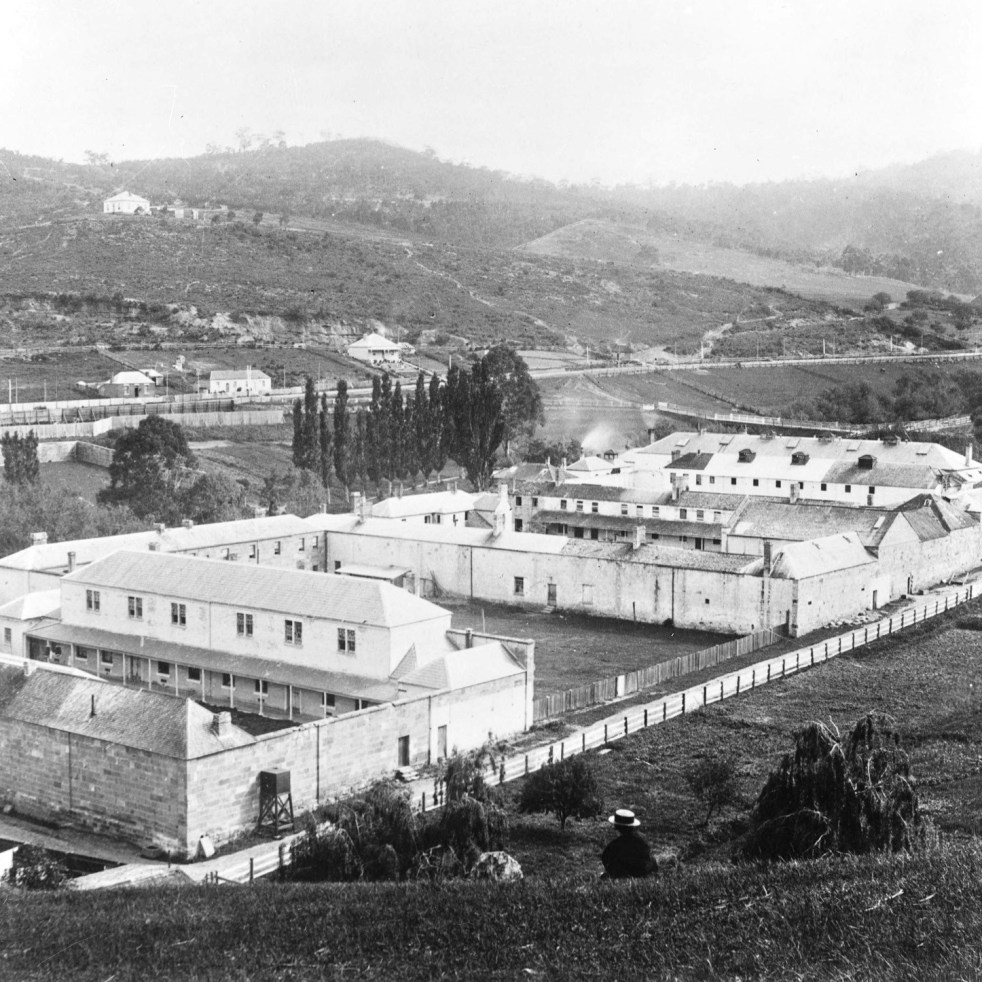
Public art in Hobart tells the story of female convicts in Van Diemen’s Land
Public art has been used in Hobart to reveal stories of female convicts that have been hidden in the shadows for decades on the Hobart waterfront and at the Cascades Female Factory.

