

Western Sydney is a complex, diverse region with numerous communities, recognized by various government levels for planning and investment. Historically significant, it faces socio-economic disparities highlighted by the "Latte Line" and "Red Rooster Line." Recent developments, including the Western Sydney International airport, aim to enhance its identity and economic growth, fostering a sense of place.
Category: Symbolism

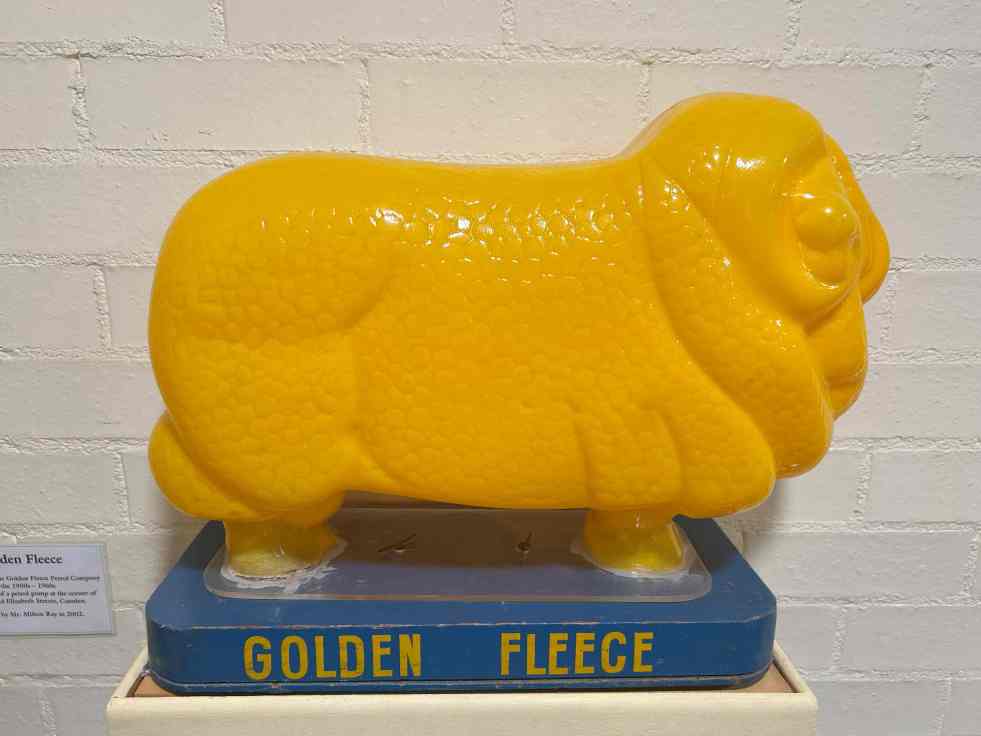
Discover the Golden Fleece Globe Light at Camden Museum
The Camden Museum showcases the Golden Fleece Globe Light, a plastic ram, symbolizing Australia's wool industry and its historical significance. Donated by Milton Ray in 2002, it highlights the Golden Fleece brand's marketing legacy. The ram, based on a prized merino, represents both local history and broader national heritage.
Share this:

Share this:
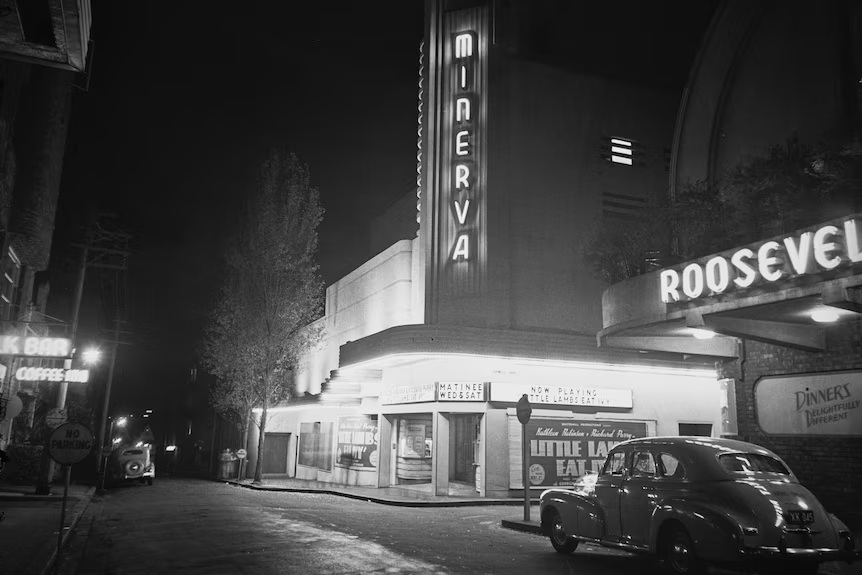
Sydney’s Cultural Identity: A City of Contradictions
Sydney presents a striking contrast between its stunning harbour and perceived lack of cultural depth. Critics argue the city is a "cultural wasteland," with isolated artistic venues and a fragmented entertainment scene, unlike the vibrant precincts found in Melbourne, London and New York. Sydney's cultural identity partly emerges from its diverse tribes and subcultures that are found in the depths of the suburbs.
Share this:

Share this:
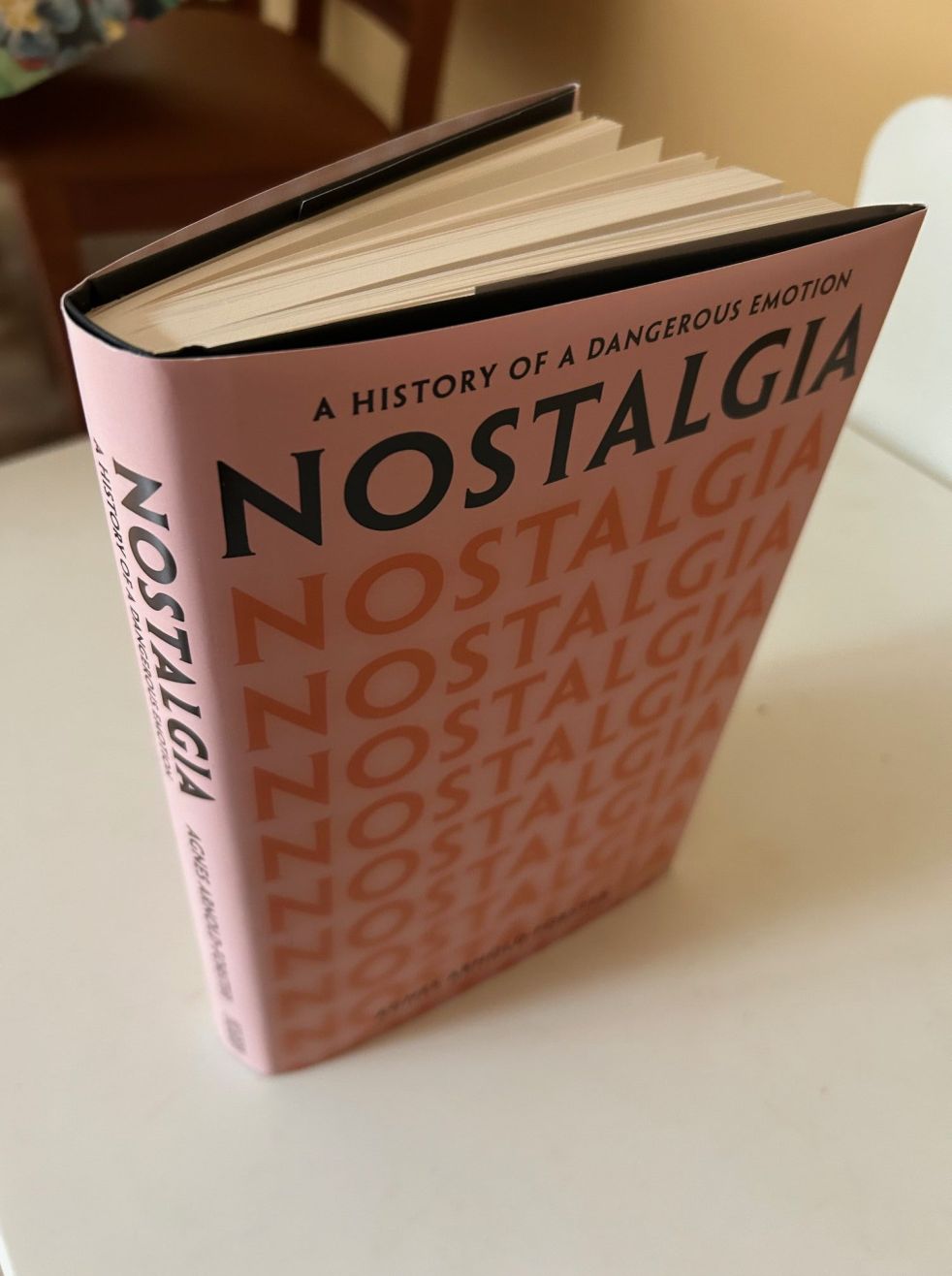
Exploring nostalgia, more than a rear vision view of the world
Agnes Arnold-Forster's "Nostalgia: A History of a Dangerous Emotion" explores the multifaceted nature of nostalgia, reflecting societal anxieties and its weaponization by politicians. The book illustrates nostalgia's importance in contemporary culture, as seen in varying contexts like music and Australia Day debates, while offering a historical perspective on its evolution and impact.
Share this:

Share this:
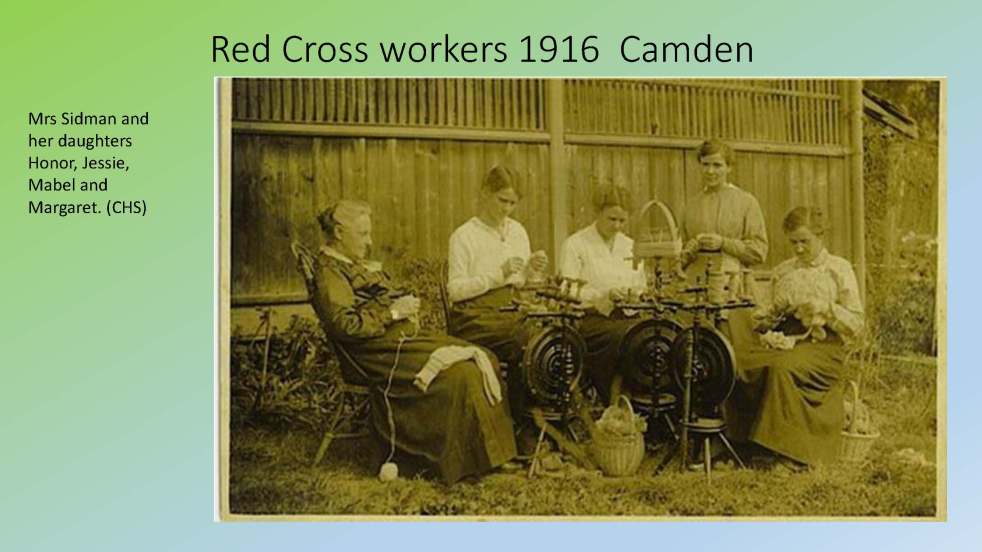
Ministering Angels, Myth and the Red Cross on the Australian Wartime Homefront
The paper presented at the 33rd Annual Conference of the Australian Historical Association at the University of Queensland in 2014 explored the role of Australian country women in supporting the Red Cross during the First World War. The paper focused on the Camden District Red Cross, emphasizing the conservative women’s empowerment in embracing the Red Cross, serving as ministering angels, and upholding patriotic values. Total words: 78
Share this:

Share this:
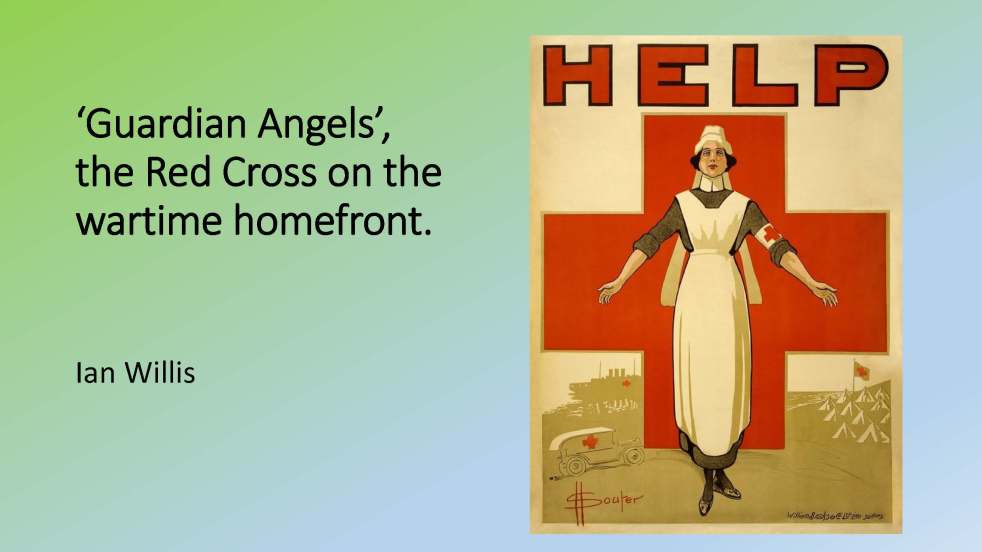
‘Guardian Angels’, the Red Cross on the wartime homefront
During the First World War, Australian women independently joined the Red Cross to support the war effort. The Red Cross provided a space for women to express agency and contribute to the war through practical activities and fundraising. The organization's local branches established a sense of community and played a significant role in the homefront war effort.
Share this:

Share this:
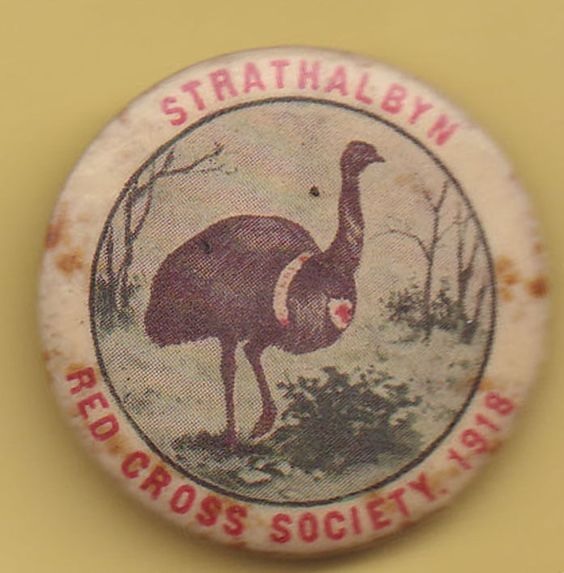
New South Wales Women and the Red Cross: A Noble Cause
During the First World War in Australia, the Red Cross organization saw enthusiastic support from New South Wales women, spurred on by Lady Helen Munro Ferguson and the state's elite. The movement mobilized thousands for war support, with both urban and rural branches contributing countless hours and funds to provide comfort and aid to soldiers.
Share this:

Share this:

LiddellWORKS, art in action
The closure of Liddell Power Station in 2023 sparked artistic creations in the Hunter Valley. Sixteen artists generated artworks exploring the station's legacy. The power station, operational since the early 1970s, contributed significantly to the region's industrial landscape. The artworks aim to help local communities cope with the loss of jobs and the power station's impact on Australia's energy supply.
Share this:

Share this:
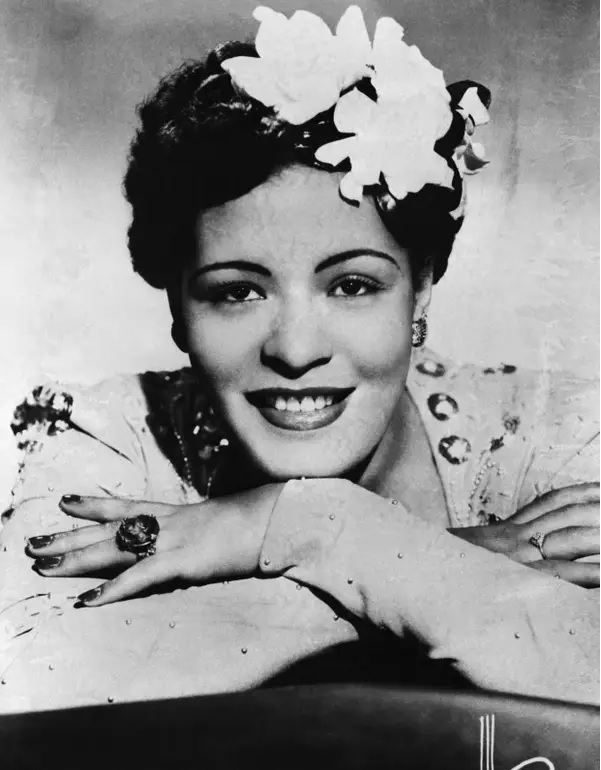
Billie Holiday on stage at the Belvoir Street Theatre
Review: Lady Day at Emerson’s Bar and Grill by Lanie Robertson. Musical Arrangements by Danny Holgate. Belvoir St Theatre, 14 September – 15 October 2023. Theatre performance with heart I recently attended a theatre performance with a strong humanitarian message at the Belvoir Street Theatre in Surry Hills. The show was a combination of cabaret… Continue reading Billie Holiday on stage at the Belvoir Street Theatre
Share this:

Share this:
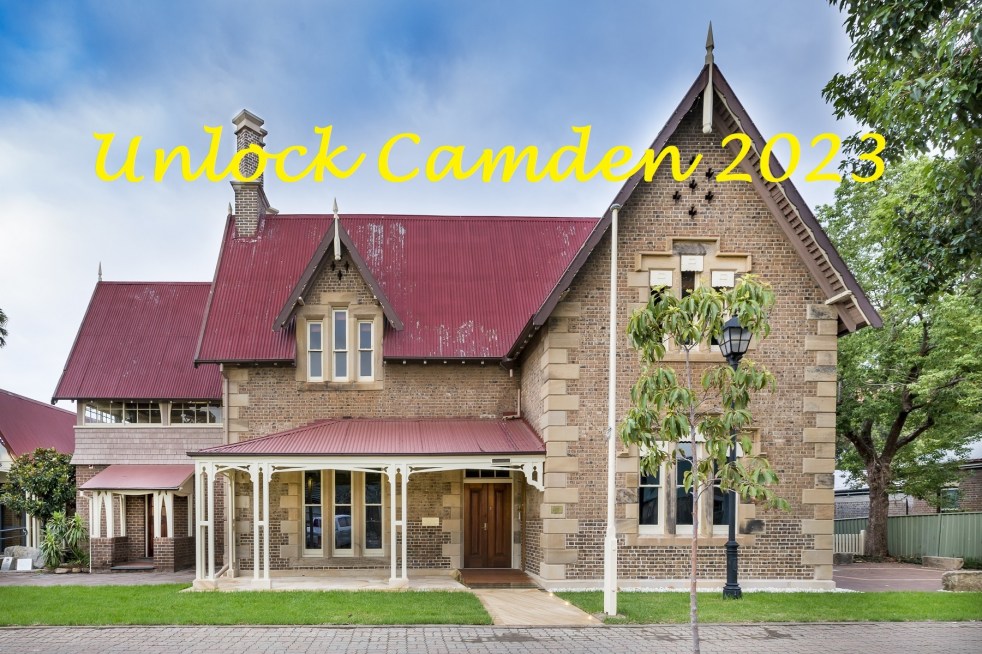
Unlock Camden 2023, a festival celebrating our past
Unlock Camden is a history festival that celebrates the Camden story through walks, art, images, stories, and a host of other activities. Events are centred in historic the John Street precinct around the Alan Baker Art Gallery Macaria.

