19th Century · Agricultural heritage · Agriculture · British colonialism · British Heritage · Colonial Australia · Colonial Camden · Colonial frontier · Colonial NSW · Colonial Settler Community · Colonialism · Convicts · Cowpastures · Cowpastures district · Cowpastures Estates · Cowpastures Gentry · Cowpastures Region · Cowpastures River · Cultural Heritage · Cultural icon · Dairying · Economy · Elderslie · England · Families · Family history · Farming history · Heritage · John Hawdon · Local Studies · Pioneers · Place · Place making · Placemaking · Social History · Stories · Storytelling · Uncategorized

Insights from the Hawdon Letters: Colonial Life in NSW, Part 2, 1831-1833

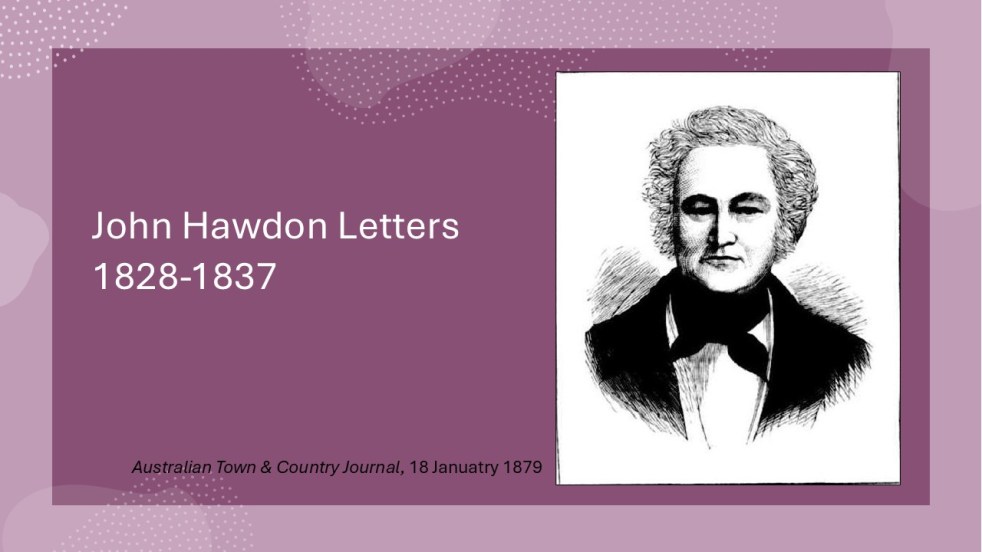
John Hawdon's letters from New South Wales (1831-1833) reveal colonial life, highlighting farming challenges, isolation from England, and the high costs of communication. These letters provide insights into market conditions, crop successes, and family updates, showcasing the Hawdons' experiences and adaptations in a new land, while retaining original spelling and structure.

Aesthetics · Agricultural heritage · Agriculture · Agriculture history · Appin · Appin Massacre 1816 · Architecture · Attachment to place · British colonialism · British Heritage · Built heritag · Cobbitty · Colonial frontier · Colonialism · Cultural and Heritage Tourism · Cultural Heritage · Denbigh · Dharawal · Farming · Frontier violence · Heritage · History · History of a building · History of a house · History Week · Local History · Local Studies · Place making · Sense of place · Stories · Storytelling · Trees · Uncategorized · Urban development

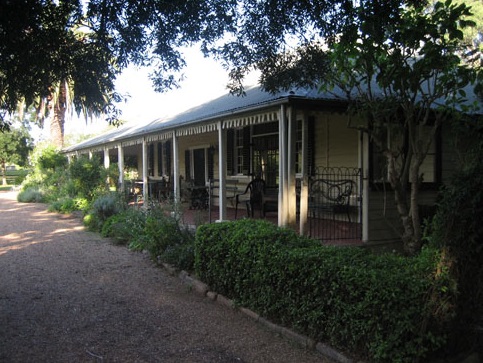
Denbigh Open Days: Exploring Historic Colonial Farm

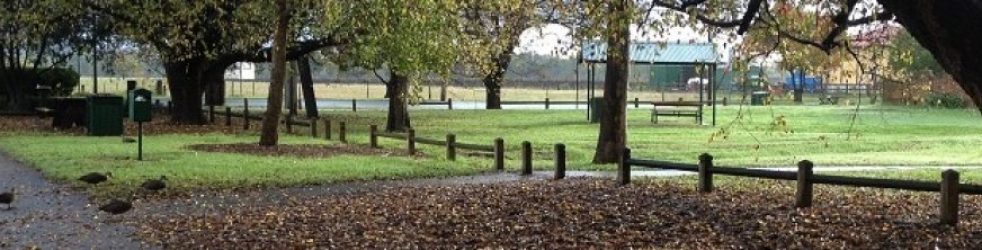
Denbigh, a significant colonial farming complex in Australia, recently opened its gardens to the public for a rare charity viewing. The property, with a dark history of conflict and anxiety, reveals layers of history from dispossession of Aboriginal lands to dairying and urban invasion. Denbigh's fortified structures reflect the fear and violence of the Cowpastures frontier.

19th Century · 20th century · Architecture · British colonialism · Built heritag · Camden Built Heritage · Camden John Street Precinct · Camden Police Barracks · Collective Memory · Colonial Camden · Colonial frontier · Colonialism · Country town · Court of Petty Sessions · Cowpastures · Cowpastures district · Cowpastures Estates · Cowpastures Gentry · Cowpastures Region · Cultural Heritage · Heritage · History of a building · Local History · Local Studies · Military history · Place making · Policing · Sense of place · Settler Society · Small town · Stories · Storytelling · Uncategorized · Urban history · Victorian

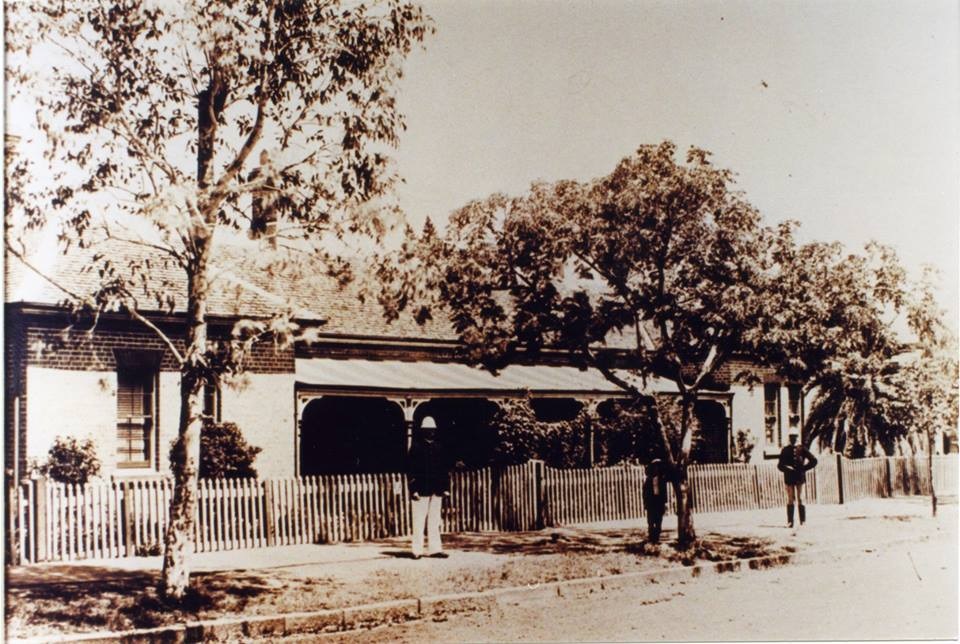
Camden Police Station and Residence: A Historical Landmark in Camden

Camden Police Station, a single-storey brick building at 35 John Street, was constructed in 1878 and served the NSW Police Service until 2011. Designed by James Barnet, it features historical architectural elements, including a paved verandah and brick chimneys. Currently vacant, it is recognized for its heritage value within the Camden community.

Agave · Camden · Camden Park House and Garden · Camden Story · Cawdor · Cawdor Road · Collective Memory · Colonial Camden · Colonial frontier · Cowpastures · Family history · Folklore · Frontier violence · Ghosts · Legends · Memory · Mysteries · Newspapers · Pioneers · Place making · Sense of place · Stories · Storytelling

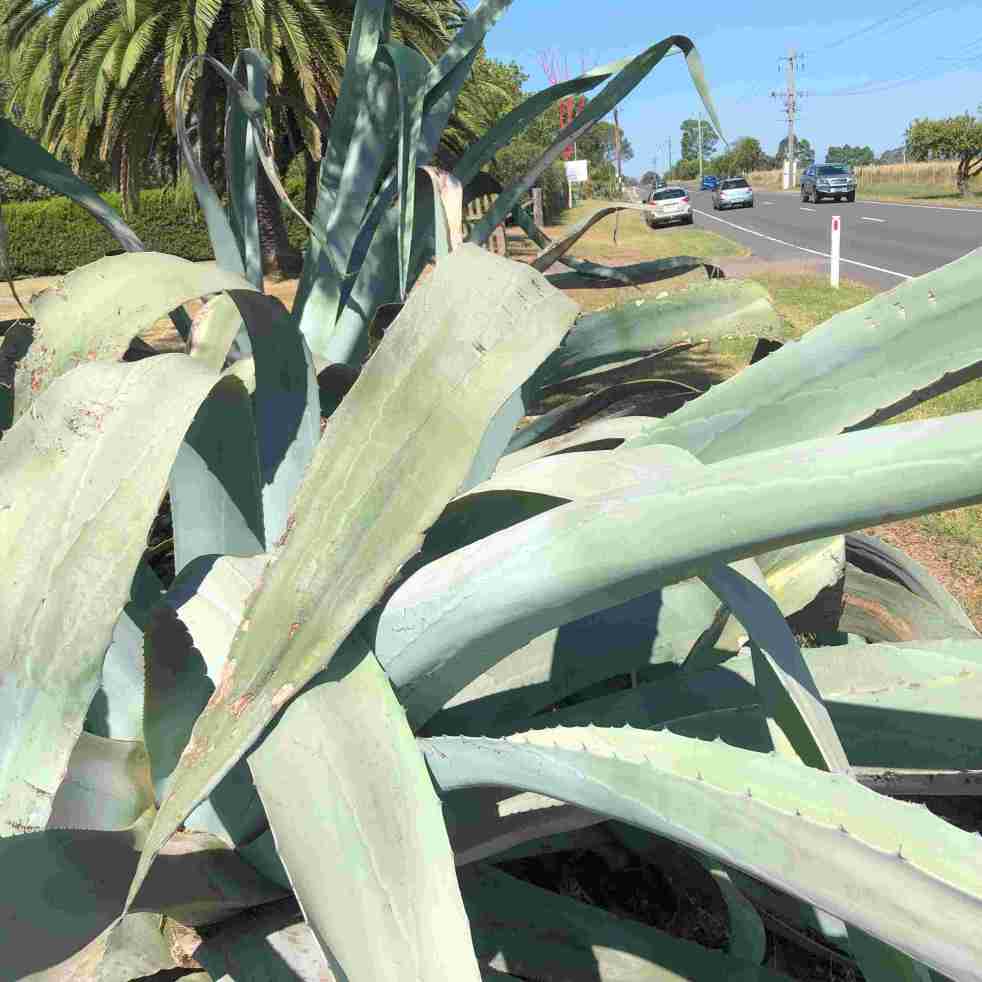
Agave on Cawdor Road, a part of local folklore

The agave plants near Cawdor Road, Camden, have become part of local folklore, with stories spanning murder, historical colonial gardens, and Indigenous conflict. These slow-growing succulents have sparked controversy and conjecture, with their true history and significance remaining a mystery. Despite attempts to uncover the truth, the agave's legend endures across generations.

1920s · Architecture · Attachment to place · Camden Park House and Garden · Camden Story · Carpentry · Colonial Camden · Colonial frontier · Colonialism · Cowpastures · Craft · Cultural Heritage · Cultural icon · Economy · Engineering Heritage · Farming · Heritage · History · Industrial Heritage · Lifestyle · Local History · Local Studies · Lost trades · Memory · Modernism · Pioneers · Place making · Ruralism · Sense of place · Settler colonialism · Stereotypes · Storytelling · Traditional Trades

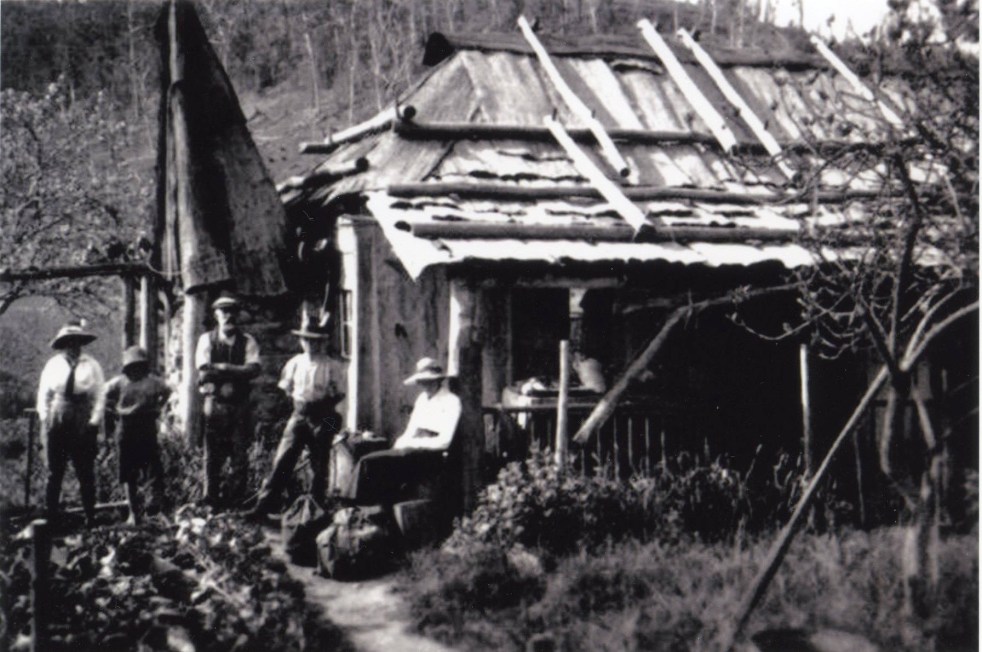
Traditional trades, the legacy of Camden’s carpenters

Carpentry, vital in Camden for centuries, began with Aboriginal bush carpentry using local materials for survival. European settlers adopted this craft, creating simple structures and relying on ingenuity. Formal carpentry evolved with guilds and apprenticeships, maintaining traditional techniques and tools, shaping Camden's architectural landscape with lasting quality.

Agricultural heritage · Agriculture · Agriculture history · Attachment to place · Belgenny Farm · Belonging · Camden Story · Colonial Camden · Colonial frontier · Colonialism · Commemoration · Community celebrations · Community Engagement · Community identity · Cowpastures · Cowpastures Bicentennial · Cowpastures Estates · Cowpastures Gentry · Cowpastures River · Cultural Heritage · Entertainment · Festivals · Hawkesbury-Nepean river · Historical Research · Leisure · Local Studies · Lost Camden · Memorial · Memorialisation · Memorials · Memory · Monuments · Pioneers · Place making · Sense of place · Settler Society · Uncategorized

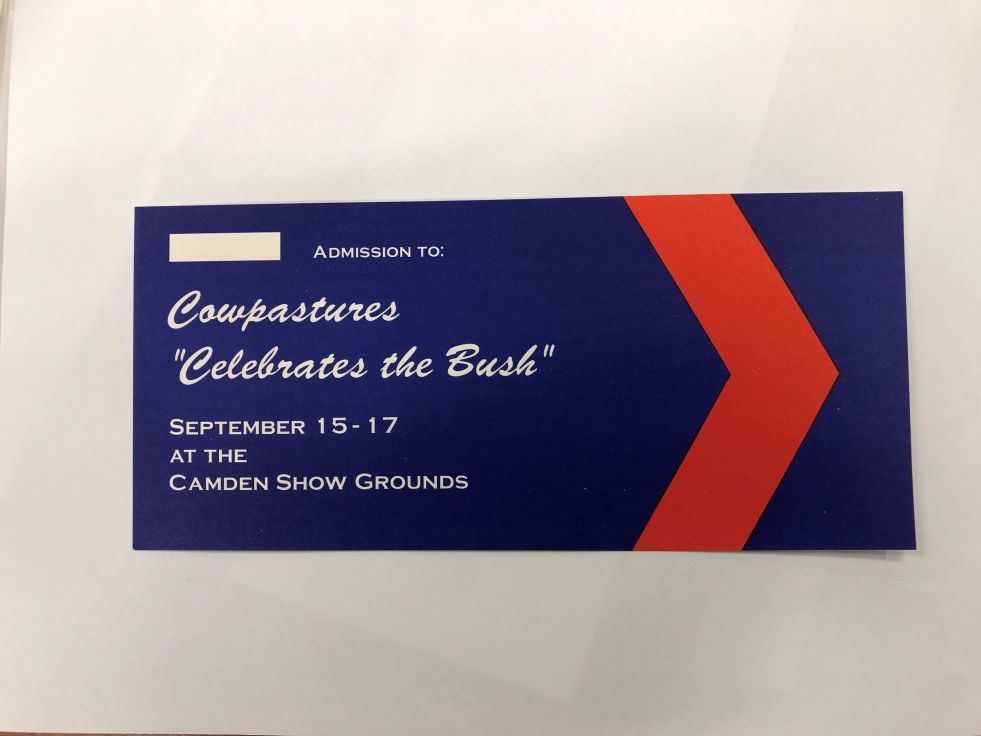
Cowpastures Bicentennial Celebrations 1995, the beginning of a settler society

Local festival In 1995, the Camden community held a 12-month programme of events to celebrate the bicentennial of the naming of the Cow Pastures by Governor Hunter in 1795 and the discovery of 61 head of wild cattle. The discovery of the cattle herd was an important event in the life of the fledgling colony… Continue reading Cowpastures Bicentennial Celebrations 1995, the beginning of a settler society