AI · Built Heritage · Camden · Camden bank · Camden Built Heritage · Camden Story · Historian · Historical consciousness · Historical Research · Historical thinking · History · History Education · Place making · Placemaking · Propaganda · Sense of place · Stories · Storytelling · Uncategorized

The Role of Historians in an AI World

A Microsoft study suggests historians are among jobs most at risk from AI, particularly due to AI's ability to gather data. However, historians play a crucial role in interpretation, analysis, and narrative construction, capabilities AI lacks. Therefore, while AI may assist, it cannot replace historians, ensuring their continued relevance in understanding the past.

Adaptive Re-use · Adaptive Reuse · Attachment to place · Belonging · Built Heritage · Camden Built Heritage · Cultural Heritage · Engineering Heritage · Heritage · Indigenous Heritage · Narellan Built Heritage · Nostalgia · Place · Place making · Placemaking · Sense of place · Stories · Storytelling

Understanding NSW’s 2025 Draft Heritage Strategy

The NSW Government has unveiled the NSW Heritage Strategy, marking a significant update in over twenty years. Aiming to broaden the understanding of heritage, it includes Aboriginal culture, historic structures, and natural heritage. Public feedback is welcomed until July 13, 2025, to shape the final strategy guiding future heritage policies.

Architectural History · Architecture · Argyle Street · Attachment to place · Camden · Camden Built Heritage · Camden Council · Camden Country Town Idyll · Camden Story · Community · Community identity · Country town · Country town idyll · Cultural and Heritage Tourism · Cultural Heritage · Heritage · Living History · Local History · Local Studies · Place · Place making · Placemaking · Sense of place · Social History · Tourism · Town planning · Urban development · Urban growth · Urban history · Urban Planning · Urbanism · Village

Camden Council vote on listing the Camden Township on the State Heritage Register

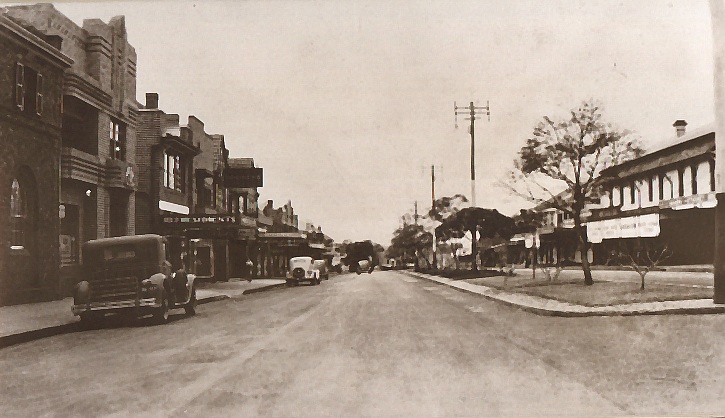
On 11 March 2025, Camden Council discussed a motion by Councillor Peter McLean to list Camden Township on the State Heritage Register, citing its significant historical and cultural value. Despite support from the Camden Historical Society and several councillors, the motion was ultimately defeated in a 6-3 vote, with concerns raised about its impact on businesses.

Agency · Alan Baker Art Gallery Camden NSW · Architectural History · Architecture · Art · Artists · Artworks · Belonging · Built heritag · Built Heritage · Camden Built Heritage · Camden Story · Crafts · Lifestyle · Local Studies · Macaria · Place · Place making · Placemaking · Public art · Social History · Storytelling · Street Art · The Arts · Women's agency · Women's history · Women's Writing

Sarah Ashcroft: Art as a Journey of Healing

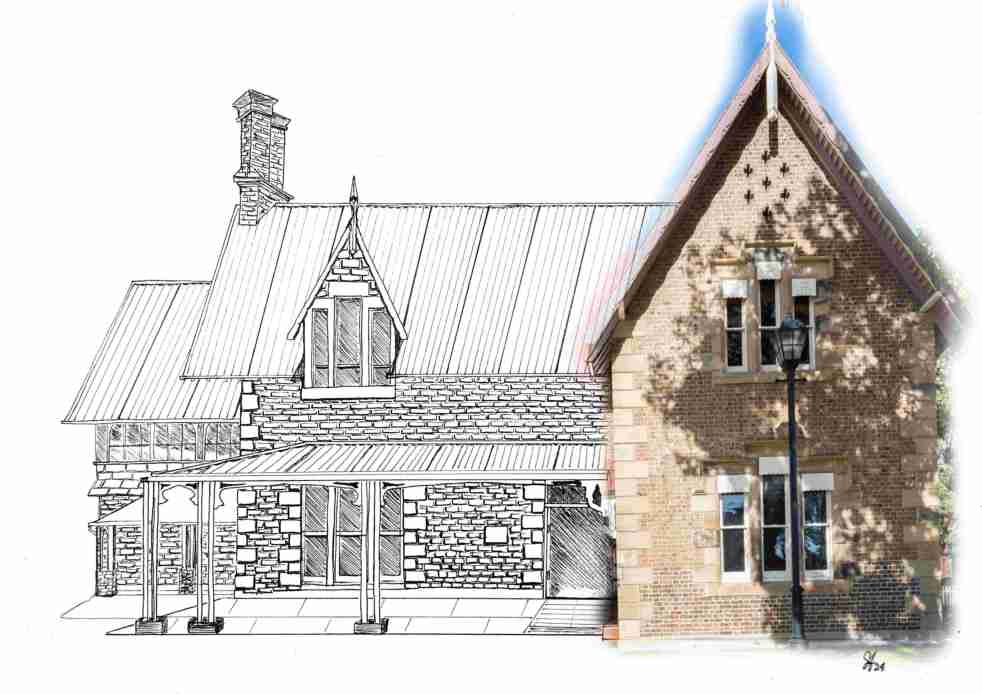
The Camden area boasts a vibrant art culture, featuring public art and local artists like Sarah Ashcroft. After retiring from the NSW Police Force due to PTSD, Sarah found solace in drawing, particularly architectural pieces. She aims to preserve local history through her art while promoting awareness about mental health and creativity.

Aesthetics · Architecture · Attachment to place · Australian History · Built heritag · Built Heritage · Camden Built Heritage · Camden Modernism · Camden Story · Community identity · Country town · Cultural Heritage · Domestic Architecture · Elderslie · Heritage · History of a building · History of a house · Hope and loss · House history · Housing · Housing styles · Landscape · Landscape aesthetics · Living History · Lost Camden · Mid-century modernism · Modernism · Narellan · Nostalgia · Place making · Placemaking · Small town · Stories · Storytelling · Uncategorized · Urban development · Urban growth · Urban history · Urban Planning · Urbanism

A Journey Through Camden’s Mid-Century Housing Architecture

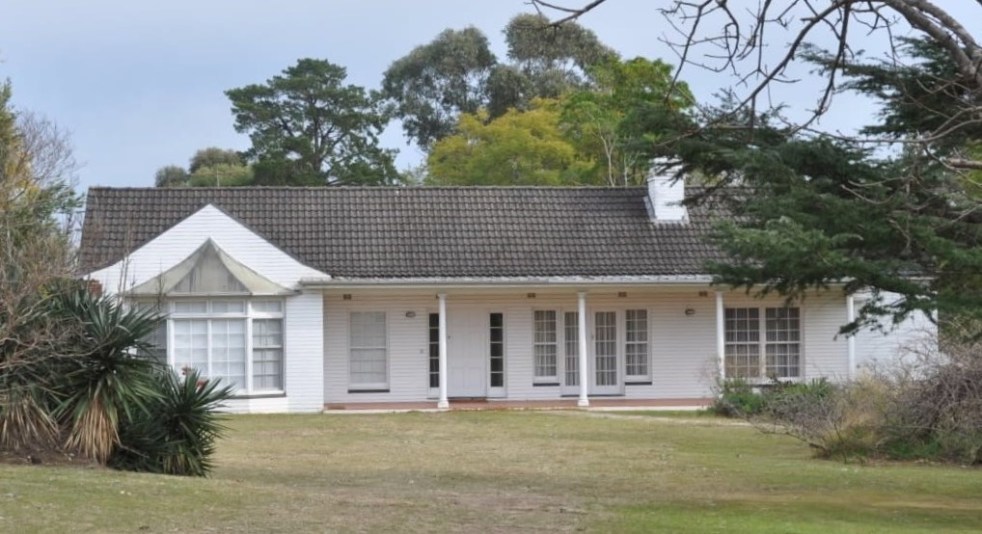
Camden's mid-century housing, developed between the 1940s and 1970s, reflects a worldwide modernism movement. Characterized by simple lines and open spaces, these homes arose amid urban growth linked to the new jobs created by the Burragorang coalfields. Unfortunately, many of these historic structures are disappearing, necessitating greater recognition and appreciation of their significance.

19th Century · Architecture · Attachment to place · Built heritag · Built Heritage · Camden Built Heritage · Camden Cottage Hospital · Camden Hospital · Camden Story · Community · Community building · Community Health · Country town · Cultural Heritage · Family history · History of a building · History of a house · House history · Humanitarianism · Local History · Local newspapers · Local Studies · Medical history · Medical Humanities · Place making · Placemaking · Sense of place · Small town · Social History · Stories · Storytelling · Transport · transport history · Trauma · Women's agency · Women's history · Women's stories

Camden Cottage Hospital, from accidents to amputations and early patient experiences

The Camden Cottage Hospital, opened in April 1899, initially struggled with low patient admissions due to community reluctance. Early cases included accidents and serious conditions, leading to treatments and surgeries like amputations. By early 1900, there was increasing community trust and the permanent facility opened in May 1902.

19th Century · Australian History · British colonialism · British Heritage · Camden Built Heritage · Camden Cottage Hospital · Camden Story · Camden Town Centre · Colonialism · Community building · Community Health · Community identity · Country town · Health and Medical History · Health History · Heritage · History of a house · Local History · Nursing · Place making · Sense of place · Small communities · Small town · Social History · Stories · Storytelling · Uncategorized · Village

Camden Cottage Hospital – early English influences and the cottage hospital movement

The Camden Cottage Hospital, inspired by the English cottage hospital movement, was established in 1899 in New South Wales. This model provided the community with a small, welcoming healthcare facility, funded by donations and subscriptions. Over time, cottage hospitals became integral to the healthcare landscape in rural Australia, adapting local characteristics.

19th Century · Adaptive Re-use · Adaptive Reuse · Architecture · Attachment to place · Australian History · Built Heritage · Camden · Camden Built Heritage · Camden John Street · Camden Story · Camden Town Centre · Community identity · Cultural and Heritage Tourism · Cultural Heritage · Domestic Architecture · Dr Crookston · Economy · History of a house · House history · Housing · Housing styles · Local History · Local Studies · Macarthur family · Place making · Placemaking · Residential Housing Style · Sense of place · Stories · Storytelling · Tourism · Uncategorized

Dr Crookston’s Estate: A New Chapter in Camden’s Heritage

Dr Crookston's house and garden in Camden has been revitalized into an entertainment venue, preserving its rich history. New owners Shane and Rhiannon Smith manage this adaptive reuse, offering various activities that enhance heritage tourism. The estate now fosters local pride while contributing to economic growth, transforming the once-closed site into a vibrant community asset.

Adaptive Re-use · Adaptive Reuse · Aesthetics · Archibald Gregory · Architecture · Art Deco · Attachment to place · Australian Army · Built Heritage · Camden Built Heritage · Camden Golf Club · Camden Story · Campbelltown-Camden Grammar School · Colonial Architecture · Colonialism · Cultural Heritage · Eastern Command Training School, Narellan, NSW · Farming history · Film Making · Heritage · History · History of a building · History of a house · Hotel History · Interwar · Local Studies · Military history · Movies · Narellan · Narellan Story · Place making · Sense of place · Settler colonialism · Settler Society · Stories · Storytelling · Studley Park · War at home · Wartime · World War Two

Exploring Studley Park: A Victorian Italianate Heritage Site

Studley Park House, located in Narellan, NSW, exemplifies Victorian Italianate architecture and holds state significance for its aesthetics and historical associations. Constructed in 1889 by architect firm AL & G McCredie for William Charles Payne, it served various purposes, including a school and military quarters, before becoming a private residence.

19th Century · 20th century · Architecture · British colonialism · Built heritag · Camden Built Heritage · Camden John Street Precinct · Camden Police Barracks · Collective Memory · Colonial Camden · Colonial frontier · Colonialism · Country town · Court of Petty Sessions · Cowpastures · Cowpastures district · Cowpastures Estates · Cowpastures Gentry · Cowpastures Region · Cultural Heritage · Heritage · History of a building · Local History · Local Studies · Military history · Place making · Policing · Sense of place · Settler Society · Small town · Stories · Storytelling · Uncategorized · Urban history · Victorian

Camden Police Station and Residence: A Historical Landmark in Camden

Camden Police Station, a single-storey brick building at 35 John Street, was constructed in 1878 and served the NSW Police Service until 2011. Designed by James Barnet, it features historical architectural elements, including a paved verandah and brick chimneys. Currently vacant, it is recognized for its heritage value within the Camden community.