
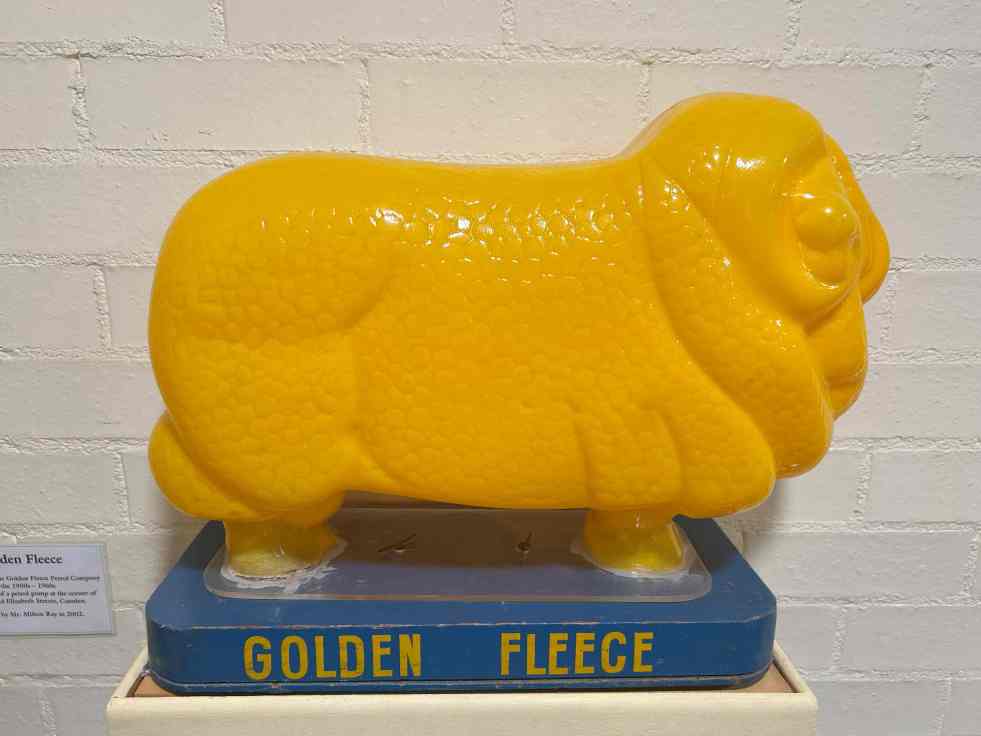
The Camden Museum showcases the Golden Fleece Globe Light, a plastic ram, symbolizing Australia's wool industry and its historical significance. Donated by Milton Ray in 2002, it highlights the Golden Fleece brand's marketing legacy. The ram, based on a prized merino, represents both local history and broader national heritage.
Category: Sense of place


The Role of Historians in an AI World
A Microsoft study suggests historians are among jobs most at risk from AI, particularly due to AI's ability to gather data. However, historians play a crucial role in interpretation, analysis, and narrative construction, capabilities AI lacks. Therefore, while AI may assist, it cannot replace historians, ensuring their continued relevance in understanding the past.
Share this:

Share this:

Camden’s Treadle Sewing Machine: A Revolution in Women’s Agency
The Camden Museum's treadle sewing machine symbolizes the significant role of sewing in women's lives from the 19th century onwards. Sewing machines democratized work, enhancing women’s agency by saving time and allowing for business opportunities. Women contributed immensely to the war efforts through Red Cross circles, producing thousands of items during both World Wars.
Share this:

Share this:
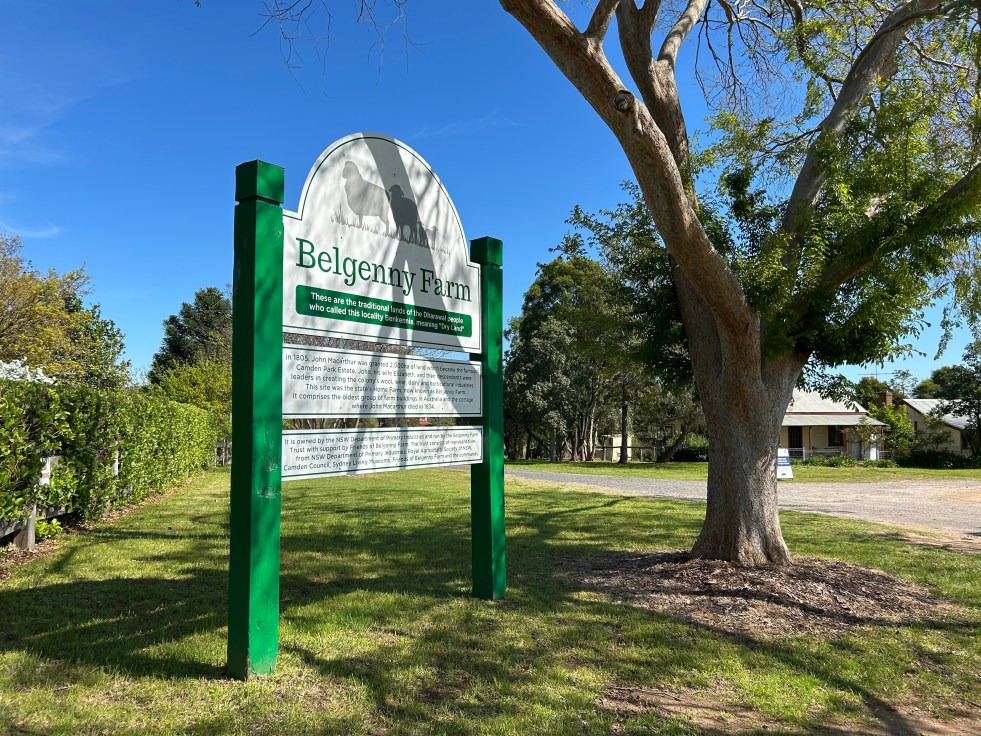
Exploring Belgenny Farm: Australia’s Oldest Farm Complex
Belgenny Farm, located in Camden, NSW, is Australia’s oldest surviving group of farm buildings, dating back to the 1820s. This historical site includes significant structures like stables, a coach house, and a community hall. It holds cultural importance through its association with the Macarthur family and continues to serve educational purposes.
Share this:

Share this:
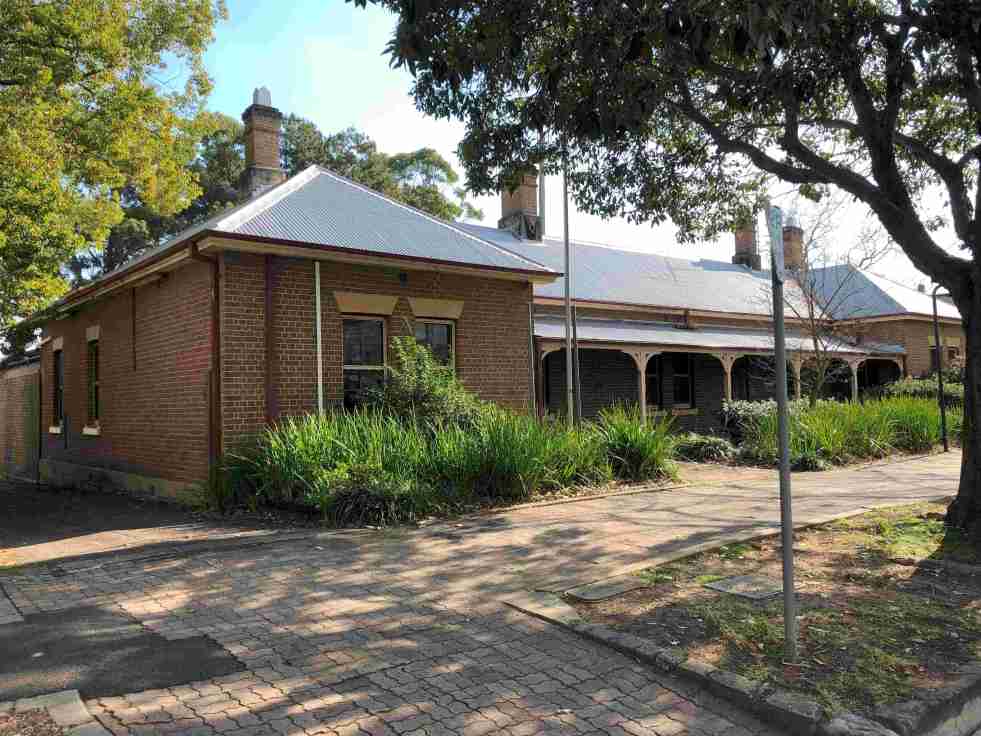
Discovering Australia’s Hidden Historical Sites
The local historical and cultural landscape in Australia is highly fragmented, lacking a central repository for information. Various apps, websites, and blogs exist but offer scattered data. Clio, a well-coordinated platform in the USA, exemplifies effective organization of local history, contrasting with Australia's disjointed efforts, which face funding challenges.
Share this:

Share this:
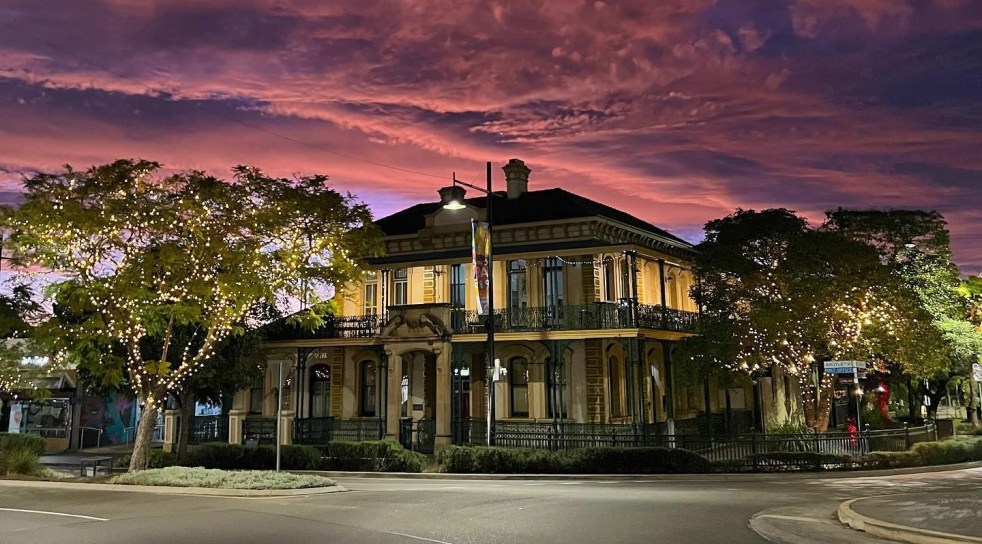
Discover the Hidden Signatures of Camden’s Former Bank
In Camden's old bank building, a hidden strongroom features signatures of former bank employees, each telling a unique story. Now part of Camden Markets Collective, these signatures are viewed as graffiti art, reflecting local history and culture. The community seeks to preserve this unique public art for future generations.
Share this:

Share this:
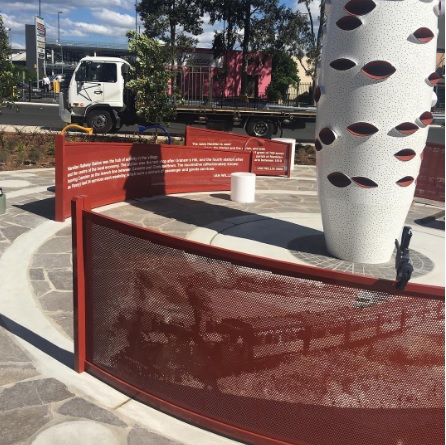
Narellan Town Centre Revitalization: a community-centric approach through placemaking
The redevelopment of Narellan Town Centre in 2017 enhanced its community space through placemaking, incorporating public art and amenities. Valued at $200 million, the extension nearly doubled its size, accommodating 100+ retailers and encouraging social interactions. The design reflects local history, fostering cultural identity and community engagement, achieving successful early usage by families.
Share this:

Share this:
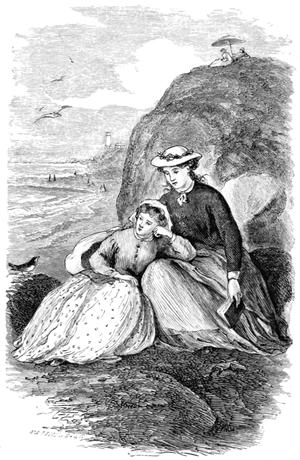
The Role of Scarlet Fever in Literature and Film
Scarlet fever, the disease, historically depicted in literature and film, caused widespread fear and hardship, significantly impacting dairy farming communities. Numerous works illustrate its societal ramifications and personal tragedies. Notable figures who contracted scarlet fever included Thomas Edison and members of the Darwin family. Scarlet fever emerged in Camden in the late 1890s, prompting the establishment of a cottage hospital due to its severe impact on dairy farmers.
Share this:

Share this:
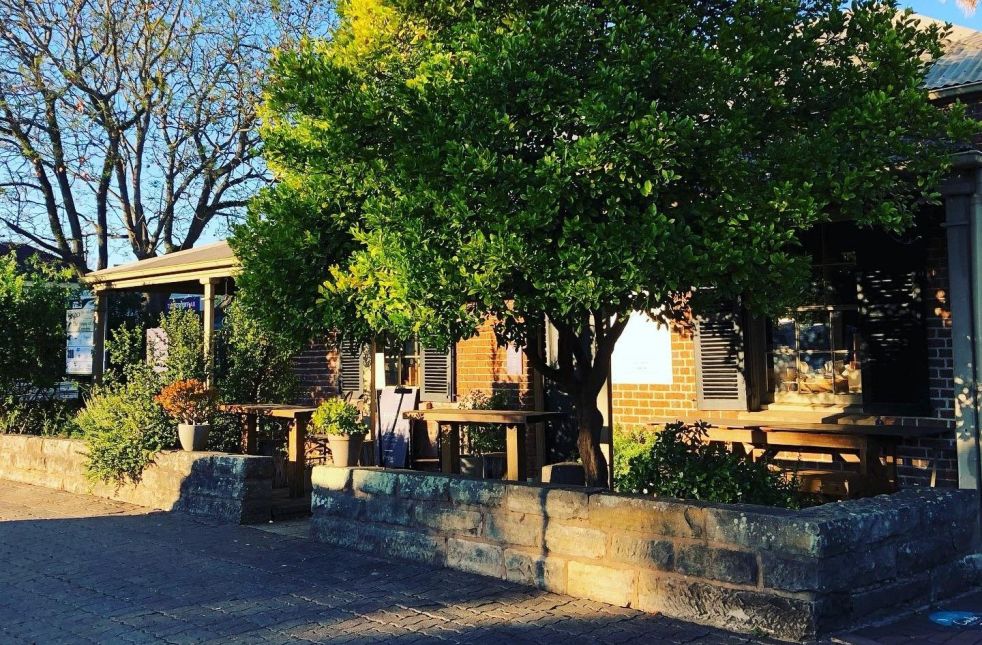
Addressing Australia’s Heritage Skills Crisis
The Australian Garden History article by Yolanda Cool discusses a crisis in heritage skills training in Australia, highlighting a lack of formal education and accreditation for tradespeople. The Heritage Skills Association emphasizes the urgent need for skilled workers to preserve heritage properties, advocating for solutions and initiatives to address this ongoing shortage. The article explores how the shortage of traditional trades skills in not new in Australia.
Share this:

Share this:
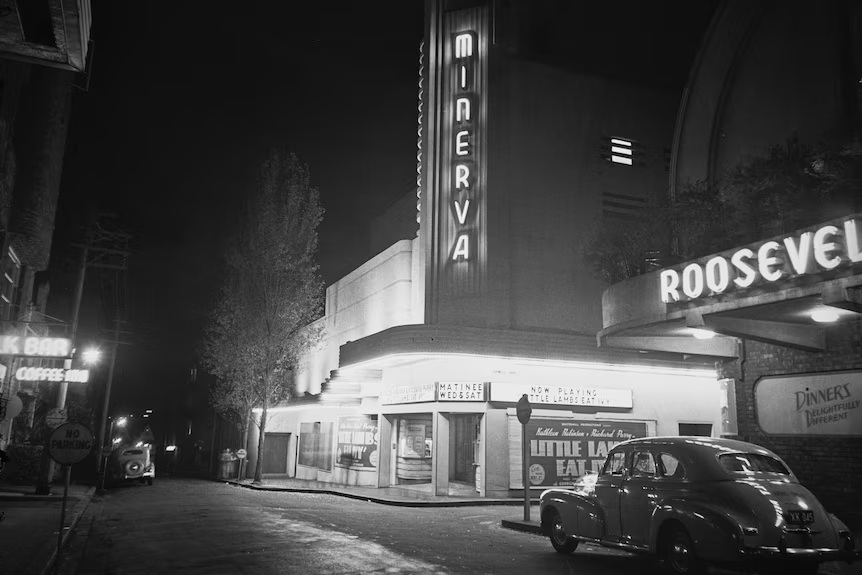
Sydney’s Cultural Identity: A City of Contradictions
Sydney presents a striking contrast between its stunning harbour and perceived lack of cultural depth. Critics argue the city is a "cultural wasteland," with isolated artistic venues and a fragmented entertainment scene, unlike the vibrant precincts found in Melbourne, London and New York. Sydney's cultural identity partly emerges from its diverse tribes and subcultures that are found in the depths of the suburbs.

