
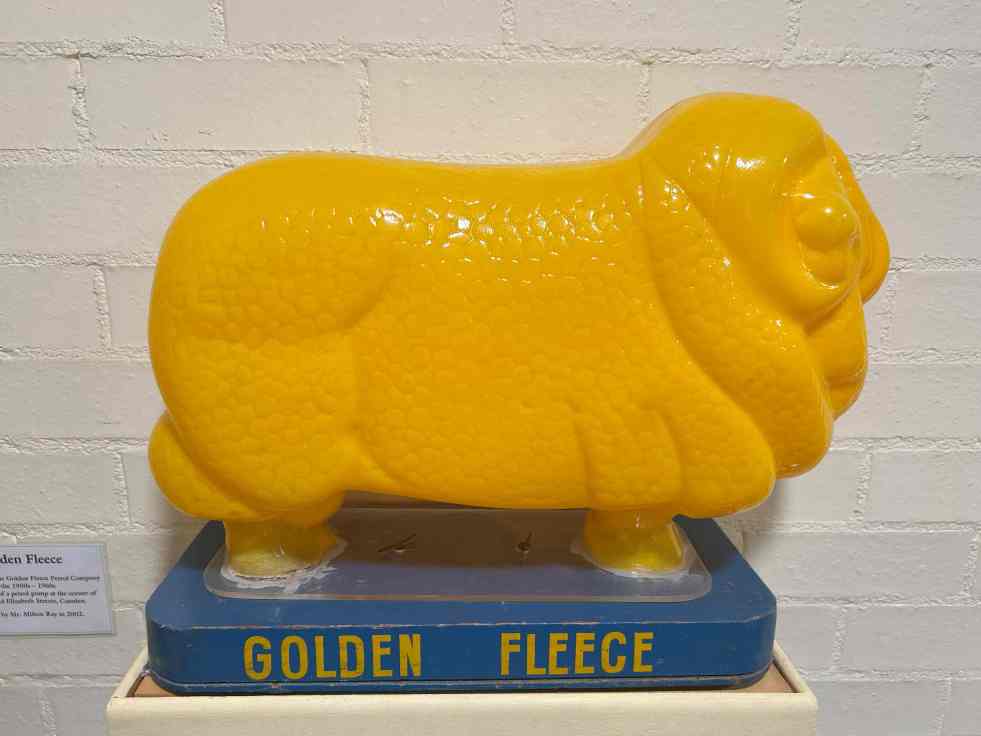
The Camden Museum showcases the Golden Fleece Globe Light, a plastic ram, symbolizing Australia's wool industry and its historical significance. Donated by Milton Ray in 2002, it highlights the Golden Fleece brand's marketing legacy. The ram, based on a prized merino, represents both local history and broader national heritage.
Tag: John Macarthur


Canberra’s Macarthur Garden: a tribute to Australia’s wool pioneers and their contribution to the foundation of the nation
The Macarthur Rose Garden in Canberra commemorates John and Elizabeth Macarthur's pivotal role in Australia's fine wool industry. Donated by their great-granddaughter, Sibella Macarthur Onslow, the garden features roses symbolizing hope and gratitude. Established from 1937-1938, it reflects the connection between the Macarthurs and Australia’s early nationalism.
Share this:

Share this:
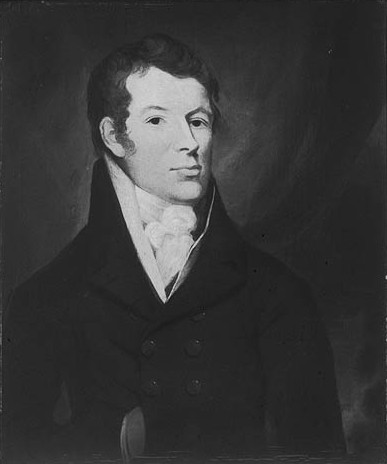
Local Newspapers and a Regional Setting in New South Wales
UOW historian Dr Ian Willis has recently published an article in Media History (UK) about the role of local newspapers in the creation of Macarthur regional identity and the mythology surrounding New South Wales colonial identity John Macarthur.
Share this:

Share this:
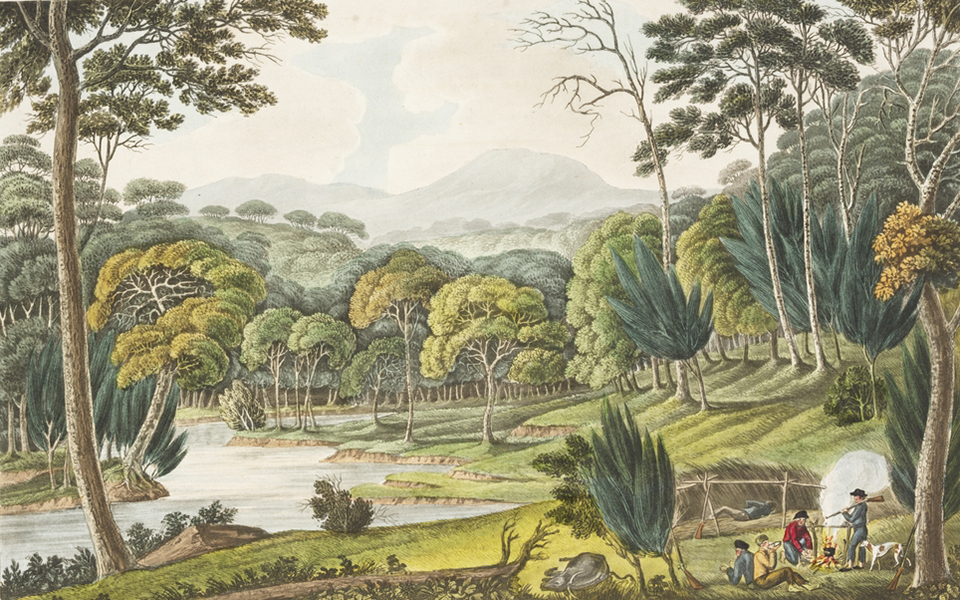
Exploring the Cowpastures region: the early history of a settler society
The Cowpastures region, named by Governor Hunter in 1795, reflects a culturally constructed landscape stemming from the 18th century. Originating with wild cattle from the First Fleet, it evolved into a significant colonial area intersecting Indigenous history. The region's identity waned by the late 19th century but is celebrated today for its historical legacy.
Share this:

Share this:
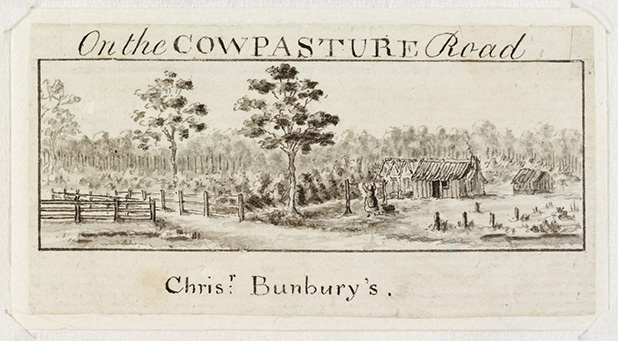
The Cowpastures Project
The Cowpastures was one of the earliest sites of European settlement in Australia
Share this:

Share this:

Convicts in the Cowpastures, an untold story
The convicts in the Cowpastures is an untold story of the colonial settler society of early New South Wales.
Share this:

Share this:
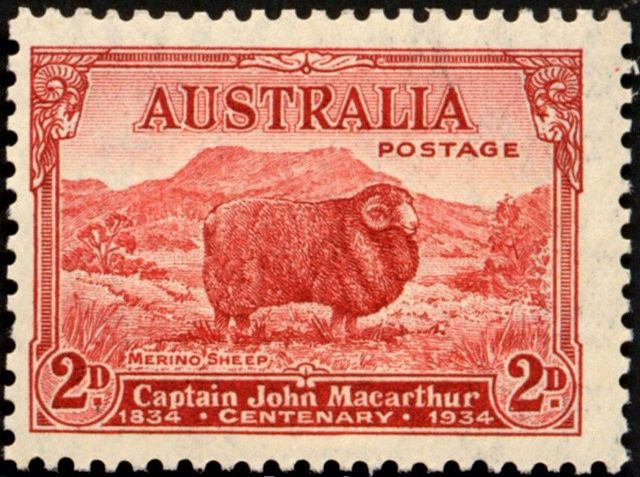
John Macarthur, Father of Australia’s Wool Industry, fact or fiction
John Macarthur is credited with establishing fine wool as a key industry in New South Wales. During the interwar period, it was claimed that he was the father of the Australian wool industry. While significant, his contributions are part of a larger narrative involving many key figures in the industry. His legacy includes commemorative postage stamps, as well as his portrayal in literature and festivals celebrating wool production.

