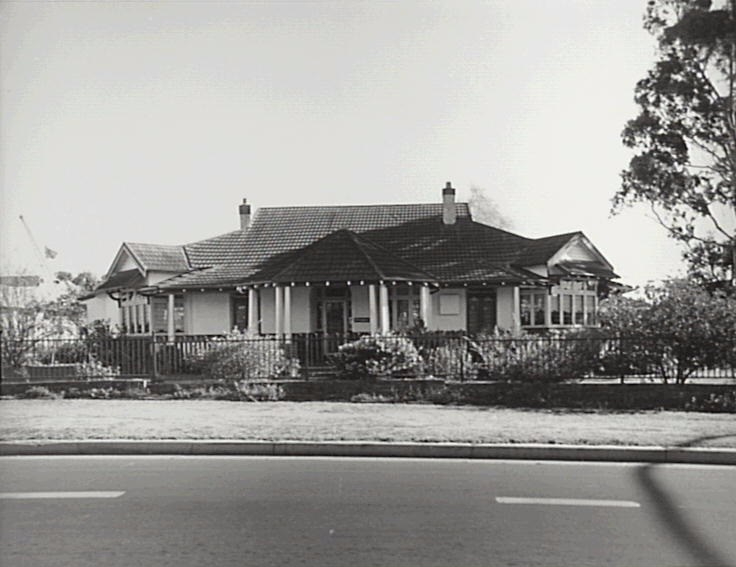
Ben Linden in Narellan is a notable Edwardian cottage representing early twentieth-century Australian architecture. The style emerged after the Federation of the Commonwealth of Australia in 1901, influenced by English Edwardian houses but tailored to suit local conditions. This housing style provides insight into the cultural heritage of Camden and the people who built and lived in these houses.
Author: camdenhistorynotes

Camden modernism
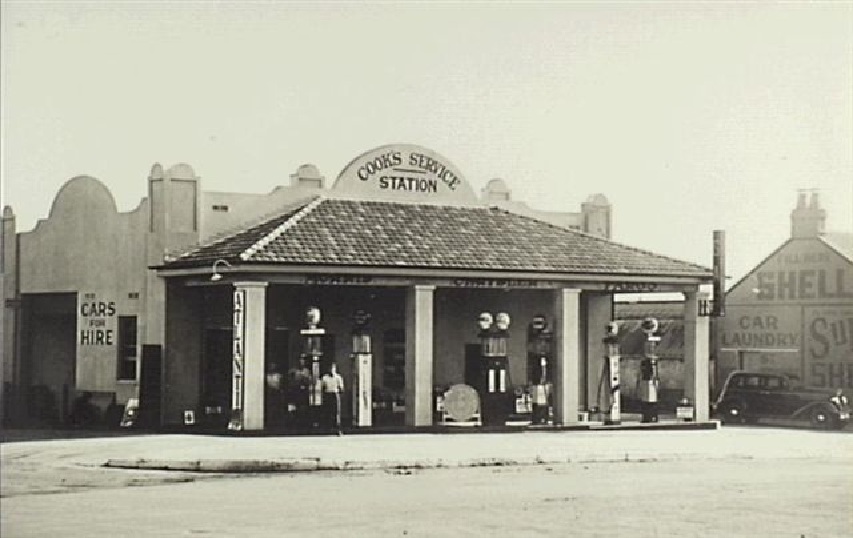
Camden Modernism One of the hidden parts of the history of Camden is the influence of modernism. Few in the community know much about it at all. Yet it has an important influence on the town in a variety of ways from domestic and commercial architecture to host of other areas. Modernism is a vague… Continue reading Camden modernism
Share this:

Share this:
History is nice, but…
The value of history is more important now than almost at any other time in the past.
Share this:

Share this:

Elderslie, a suburb on Sydney’s fringe
A history of continuity and change Elderslie is a suburb of Camden, the traditional land of the Dharawal people. It lies on the southern end of the Camden Municipality, 62 km southwest of Sydney, on the rural-urban fringe. Elderslie borders the Nepean River to the west, Narellan Creek to the north, Camden By-Pass to the… Continue reading Elderslie, a suburb on Sydney’s fringe
Share this:

Share this:

2015 in review
The WordPress.com stats helper monkeys prepared a 2015 annual report for this blog. Here's an excerpt: A New York City subway train holds 1,200 people. This blog was viewed about 7,400 times in 2015. If it were a NYC subway train, it would take about 6 trips to carry that many people. Click here to… Continue reading 2015 in review
Share this:

Share this:
Westies, Bogans and Yobbos. What’s in a name?
The article explores regional identity in Sydney's Macarthur district, focusing on the communities of Campbelltown, Camden, and Picton. It discusses the strong local attachment to identity, which is challenged by perceptions of western Sydney as a cultural wasteland. Jeff McGill’s criticism of regional labeling sparked significant community response, revealing a conflict over identification and stereotypes. While Macarthur's regionalism reflects urban expansion, it struggles for acceptance amidst historical, cultural, and emotional ties that residents hold with their distinct localities.
Share this:

Share this:
Interwar Camden, the heritage of a country town
During the interwar period, Camden experienced economic growth driven by dairy and coal industries. The town's population grew by over 35%, making it a vital commercial and administrative center. The Hume Highway and railway brought modern influences, leading to developments such as motor industry, cinemas, and the airfield. Camden has maintained its bucolic charm, but has also experienced urbanization pressure. The town centre has many buildings from the interwar period.
Share this:

Share this:
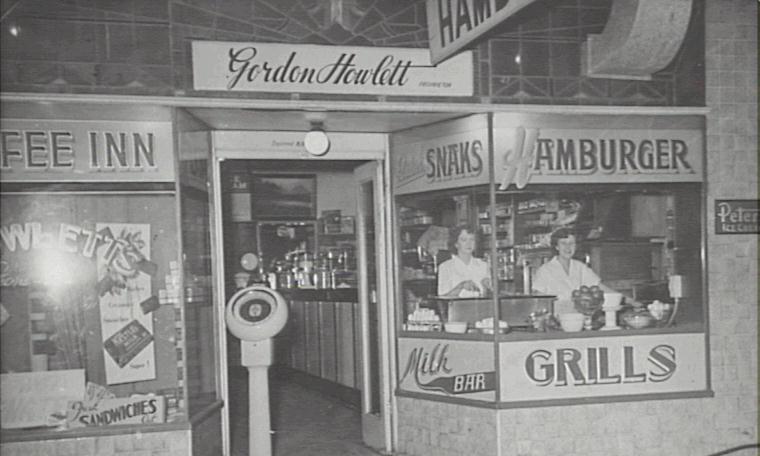
Camden Cafes and Milk Bars
Cafes and Milk Bars were a vibrant part of the retail precinct of any country town in Australia
Share this:

Share this:

Life, horses and the Army at Narellan in WW2
Narellan Military Camp occupies an important place in Narellan Military Heritage although in the overall picture of the Second World War the Camp was not of great military importance. In the national story it does not appear in Gavin Long’s Official History of the Second World War and there are very few references to the… Continue reading Life, horses and the Army at Narellan in WW2
Share this:

Share this:
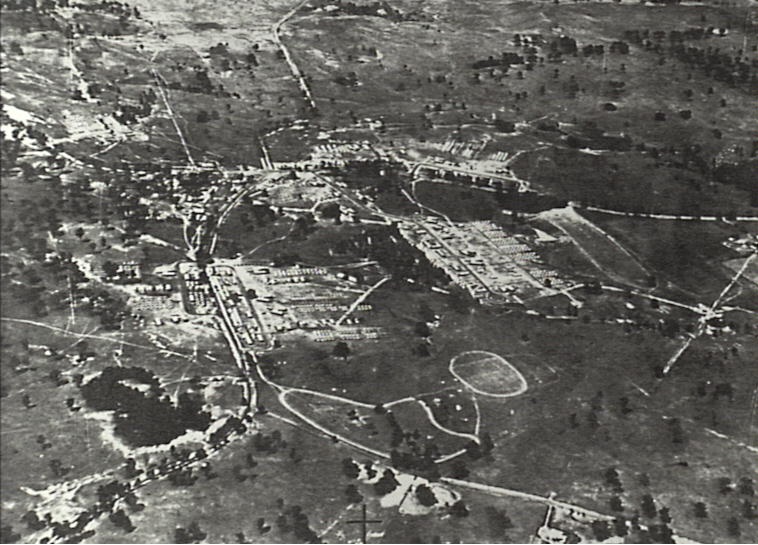
The army in camp at Narellan in WW2
The Narellan Military Camp was an important part of the story of wartime Camden during the Second World War.

