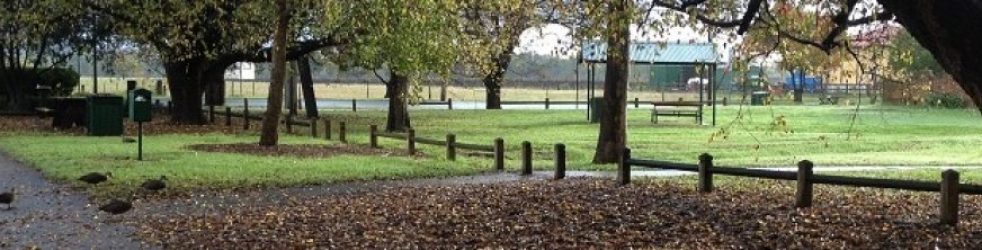
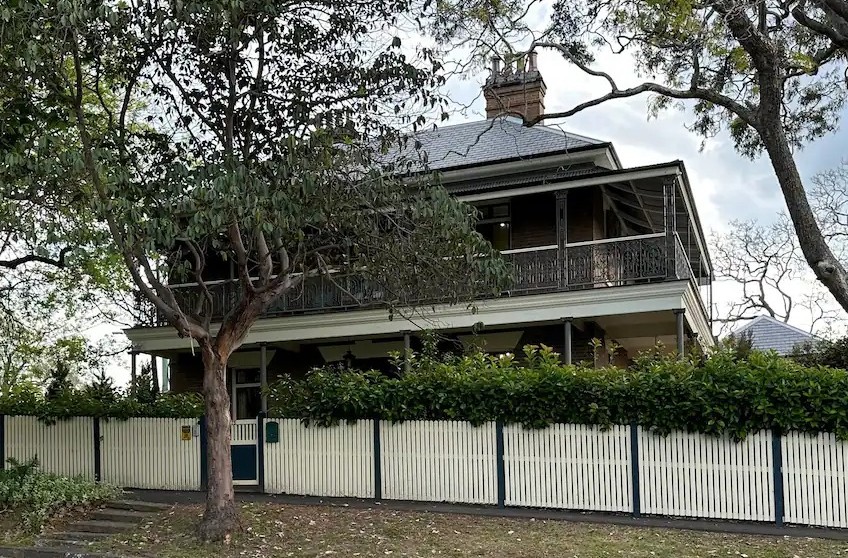
Dr Crookston's house and garden in Camden has been revitalized into an entertainment venue, preserving its rich history. New owners Shane and Rhiannon Smith manage this adaptive reuse, offering various activities that enhance heritage tourism. The estate now fosters local pride while contributing to economic growth, transforming the once-closed site into a vibrant community asset.
Category: Tourism

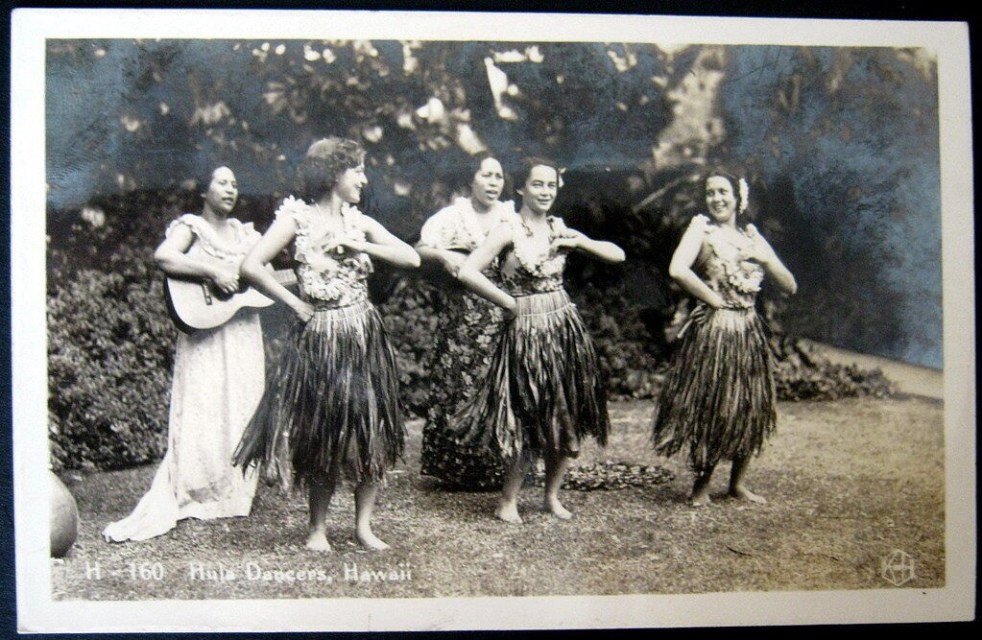
Hawaiian Music and Hula Dance Craze in 1920s Camden: A Historical Perspective
Hawaiian music and dance arrived in Camden after sweeping the rest of the country on the stage, at the movies and broadcast across the radio waves. The craze of the 1920s and 1930s was centred on hula dancing and the steel guitar.
Share this:

Share this:
Cultural and Heritage Tourism in Camden: Unveiling a $6.4 Million Per Year Industry
Cultural and heritage tourism adds $6.4 million a year to the local economy. The Camden Museum and the Alan Baker Art Gallery add over $1.7 million annually.
Share this:

Share this:
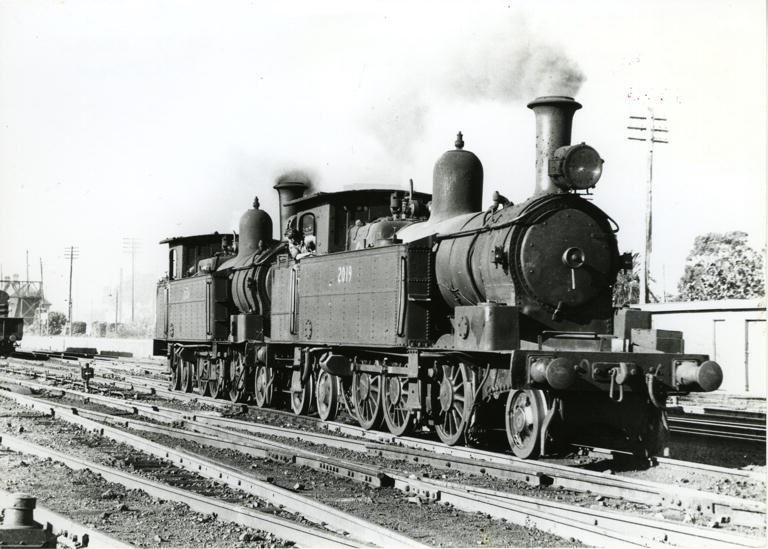
Exploring Camden’s Railway Heritage: Pansy and Its Timeless Stories
The Camden branch line, with its famous locomotive Pansy, holds a special place in the memories of locals and visitors. Operating from 1882 to 1963, it served as a lifeline for the community, transporting goods, passengers, and even wartime heroes. Despite its eventual closure, remnants of the line can still be seen today.
Share this:

Share this:
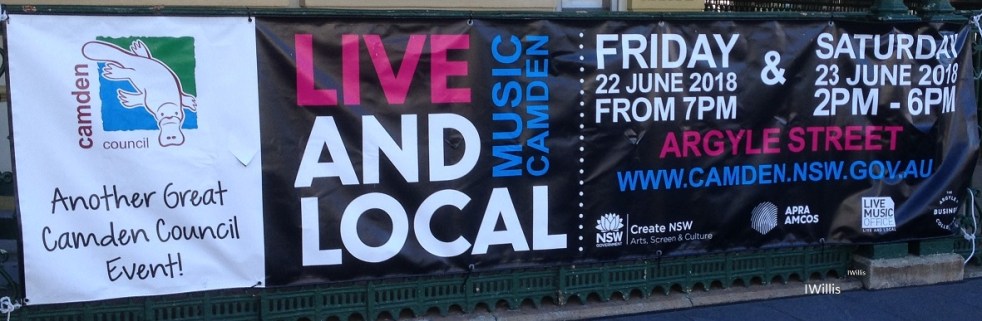
Camden Live & Local 2018: Eclectic Music Festival Across Camden’s Venues
The 2018 Live and Local Camden music festival showcased over 50 musicians across 15 eclectic venues. The festival's growth included jazz ensembles, young talents, and accomplished musicians, creating a diverse and immersive experience for attendees. This cultural event contributed to the development of an arts precinct and celebrated the significance of live music in community storytelling and place-making.
Share this:

Share this:
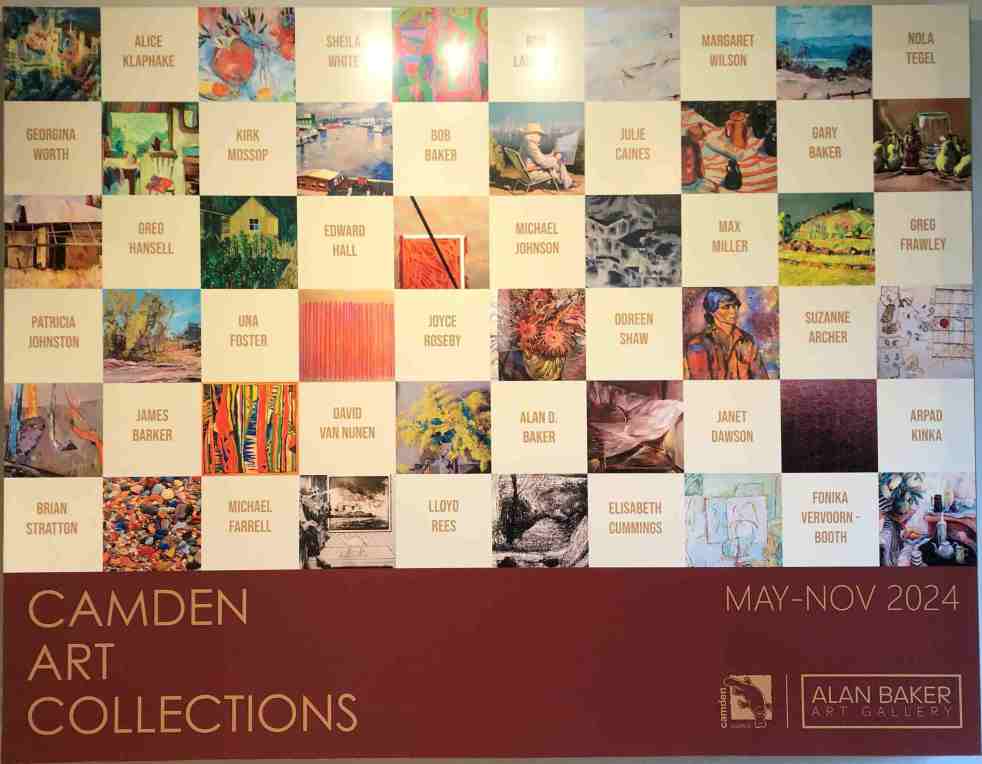
Camden Art Prize, a new exhibition at the Alan Baker Art Gallery celebrates a local institution
The Camden Art Prize was initiated in 1975 as an acquisitive art prize aiming to create a collection. This collection now includes over 200 artworks and has been on display at the Alan Baker Art Gallery. The prize has had many notable judges and dignitaries present at its exhibitions. Some of the winning works are on display in a new exhibition at the gallery.
Share this:

Share this:

Yearning, Longing and The Remaking of Camden’s Identity: the myths and reality of ‘a country town idyll’.
This article discusses the concept of a "country town idyll" in Camden, an idealised version of a country town from an imagined past that uses history to construct imagery based on Camden's heritage buildings and other material fabrics. The paper delves into the origins of the idyll, examines its development, and investigates its validity in its contemporary context. It shows how its supporters have used history as a community asset to remake Camden's identity and explore how the 'country town idyll' has been used variously as a political weapon, a marketing tool, and a tourist promotion.
Share this:

Share this:
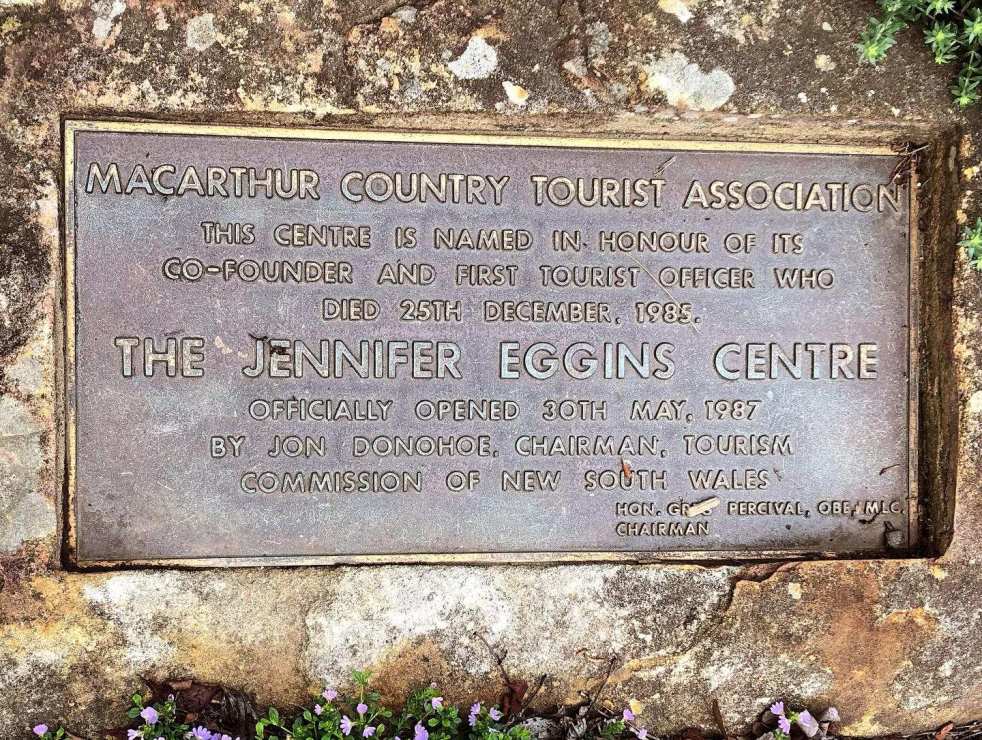
Memorial plaque to Jennifer Eggins, a founder of local tourism
A local identity Outside John Oxley Cottage, Camden Visitor Information Centre at 46 Camden Valley Way Elderslie, is a memorial plaque with a story to tell of local identity, Jennifer Eggins, and her legacy that still echoes across the district. Jennifer Eggins is one of the founders of the local tourist industry. The plaque was… Continue reading Memorial plaque to Jennifer Eggins, a founder of local tourism
Share this:

Share this:
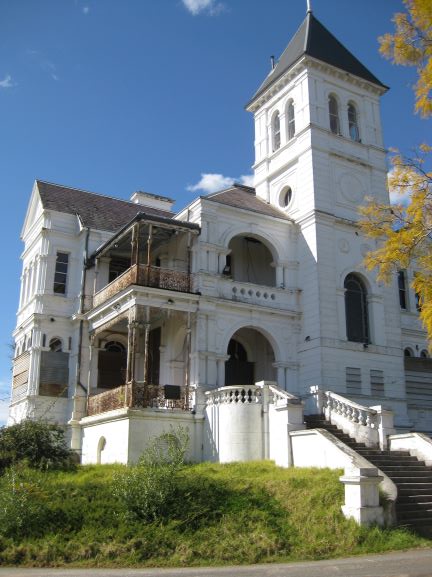
Explore Narellan’s History: Heritage Walking Tour and Historic Sites
The Narellan Heritage Walking Tour, curated by local photographers Kylie and Peter Lyons, provides a fascinating exploration of the historical and architectural legacy of Narellan. This tour offers insights into the original villages predating Camden's establishment in 1840, featuring notable sites like The Old St Thomas Chapel and the Narellan Public School.
Share this:

Share this:
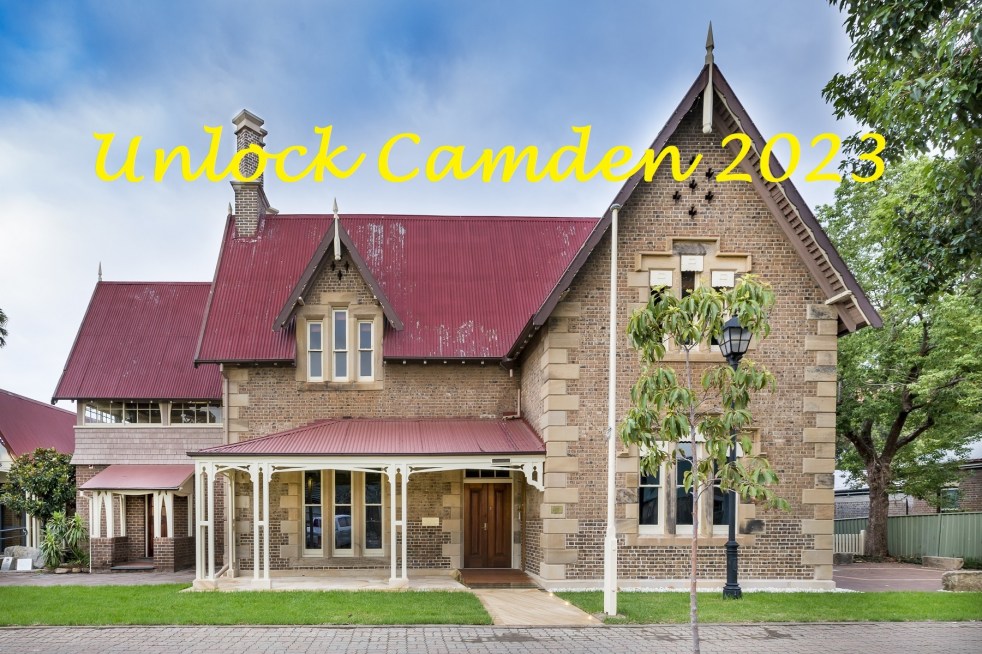
Unlock Camden 2023, a festival celebrating our past
Unlock Camden is a history festival that celebrates the Camden story through walks, art, images, stories, and a host of other activities. Events are centred in historic the John Street precinct around the Alan Baker Art Gallery Macaria.

