
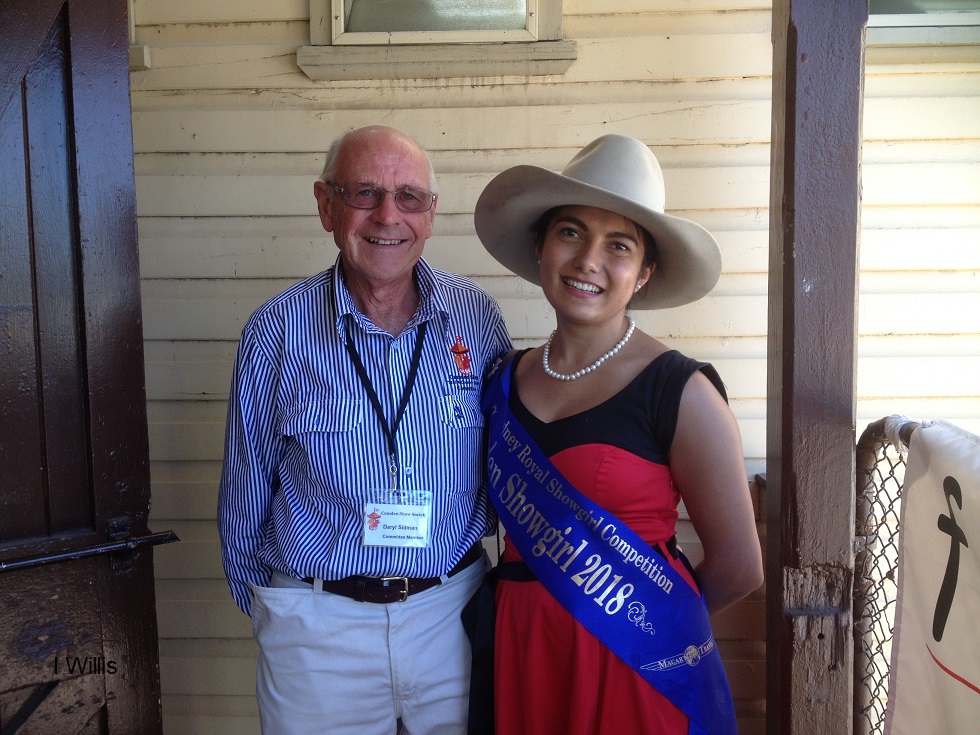
In late 2022 the Camden Show Society announced that Rubey Williams had been named the Camden Show 2023 Young Woman of the Year. The competition had been rebranded by the Royal Agricultural Society in 2019.
Category: Volunteering


Camden, a Macarthur family venture
The establishment of Camden, New South Wales, the town in 1840, was a private venture of James and William Macarthur, sons of colonial patriarch John Macarthur, at the Nepean River crossing on the northern edge of the family’s pastoral property of Camden Park. The town’s site was enclosed on three sides by a sweeping bend in the Nepean River and has regularly flooded the surrounding farmland and lower parts of the town.
Share this:

Share this:

Waley Convalescent Home at Mowbray Park
In 1919 Mowbray Park, five kilometres west of Picton, was handed over to the Commonwealth Government to be converted to a convalescent home for invalided soldiers from the First World War. The home was called Waley after its philanthropic benefactors.
Share this:

Share this:
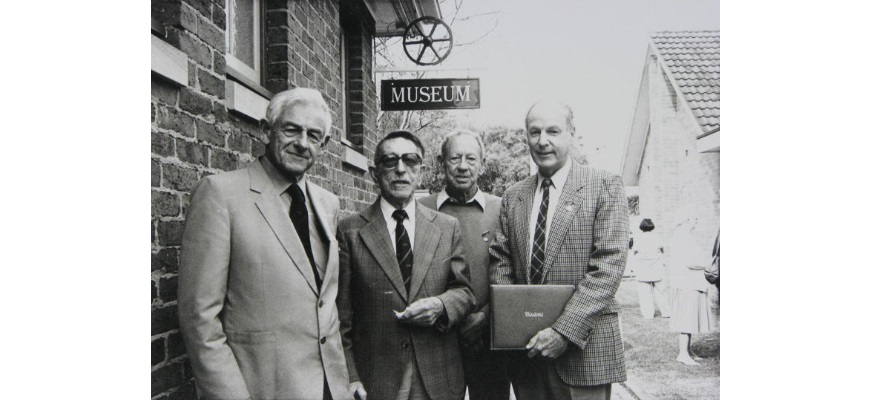
Local identities, Colin and Dorothy Clark
The life and times of Colin and Dorothy Clark were examples of active citizenship. Together they shaped a future for themselves in Camden and served their community, church and family.
Share this:

Share this:

An amazing woman, Sheila Murdoch
Sheila Murdoch was a community worker, musician and mother of five children. She was a rural woman from Orangeville who served her community, church and family.
Share this:

Share this:
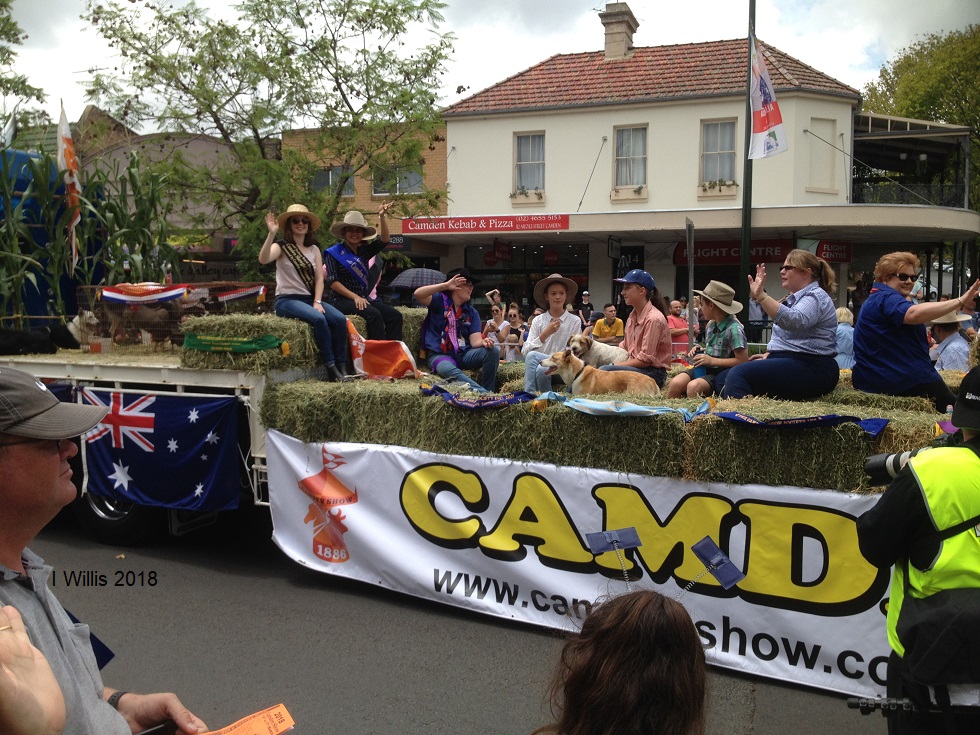
Camden Showgirl, the enduring appeal of a rural pageant
The Showgirl competition (formerly Miss Showgirl) is a complex mix of paradoxes and apparent contradictions reflecting many aspects of rural life. The pageant is an exercise in women's agency with differing representations of womanhood.
Share this:

Share this:
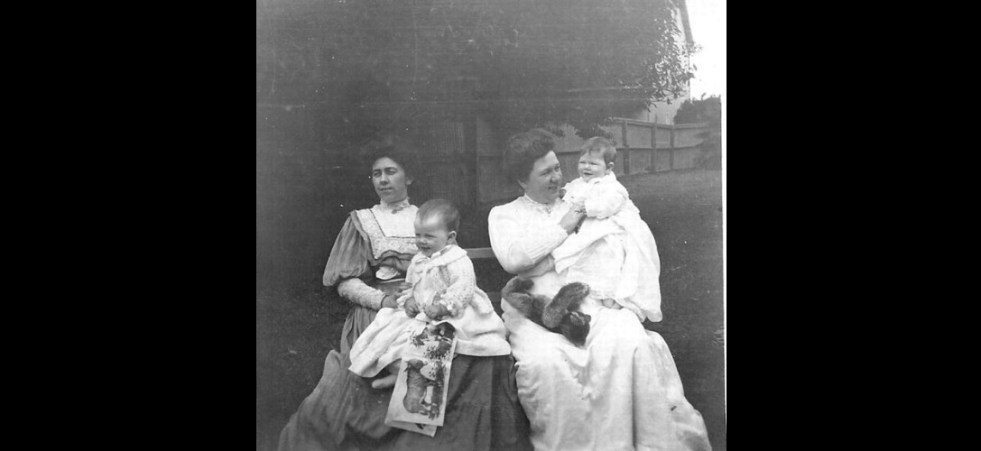
Motherhood and nation-building in the early 20th century
Around the turn of the century a direct link was made between infant welfare, motherhood, patriotism and nationalism. Motherhood and mothering were expressed in terms of patriotism and a national priority. All driven by European exceptionalism.
Share this:

Share this:

Understanding the Anzac Myth: Truths and Contradictions
The Anzac story is vital to Australian identity, yet its meaning remains contested. Historian Dr. Jen Roberts argues that the narrative, while centered on duty and sacrifice, encompasses contradictions surrounding nationalism, trauma, and the realities of war. Anzac's evolution reflects cultural transformations, highlighting diverse interpretations and ongoing relevance in society.
Share this:

Share this:

The patriotism of the wartime sock knitter
During World War I, hand-knitted socks became crucial for soldiers facing harsh conditions, preventing trench foot. Women across the British Empire, particularly in Australia, organized knitting efforts, leading to over 1.3 million pairs made. These efforts provided essential support and represented women's patriotism in wartime, often alleviating grief through their contributions.
Share this:

Share this:

Crisis relief in wartime and the peace
Crisis relief in wartime and the peace from the Camden and district Red Cross volunteers

