Attachment to place · Belonging · Camden · Camden Museum · Camden Story · Collective Memory · Colonial Camden · Community identity · Cultural Heritage · Cultural icon · Economy · Education · Farming · Heritage · Historical consciousness · Historical Research · Historical thinking · History · Legends · Living History · Local History · Local Studies · Lost Camden · Macarthur · Memory · Modernism · Narellan · Place making · Placemaking · Railway · Railway history · Second World War · Sense of place · Stories · Storytelling · Tourism · Transport

Exploring Camden’s Railway Heritage: Pansy and Its Timeless Stories

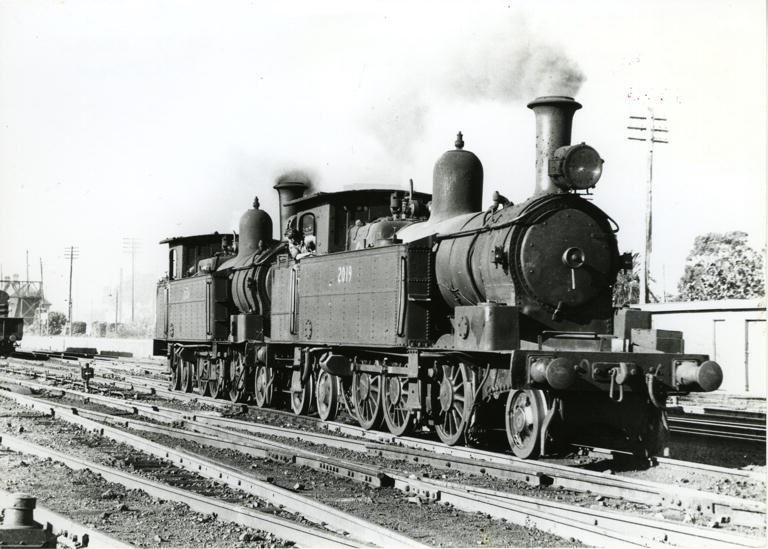
The Camden branch line, with its famous locomotive Pansy, holds a special place in the memories of locals and visitors. Operating from 1882 to 1963, it served as a lifeline for the community, transporting goods, passengers, and even wartime heroes. Despite its eventual closure, remnants of the line can still be seen today.

20th century · Anzac · Aviation · Camden Airfield · Camden Story · Cultural Heritage · Eastern Command Training School, Narellan, NSW · First World War · Heritage · History · Local History · Local Studies · Memorials · Menangle · Military history · Monuments · Narellan Military Camp · Sense of place · Storytelling · Uncategorized · War · War at home · Wartime

Camden War Cemetery

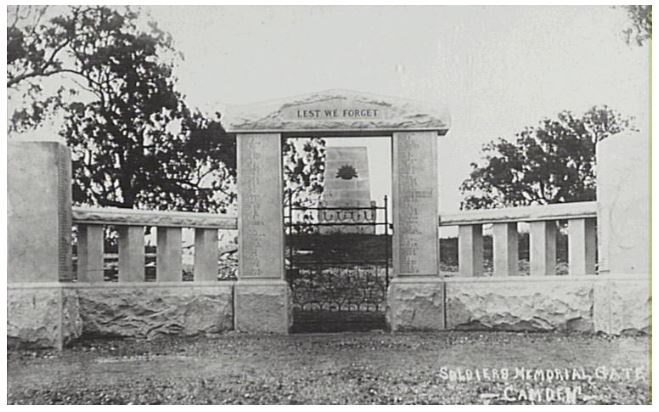
Camden War Cemetery has the graves of a number of service personnel from the Second World War who were killed while based in the local area.

Adaptive Re-use · Anzac · Aviation · Camden Airfield · Cultural Heritage · Engineering Heritage · England · Heritage · History · Living History · Local History · Local Studies · Memory · Military history · Nationalism · Patriotism · Place making · Second World War · Sense of place · Storytelling · Tourism · Transport · Uncategorized · War · War at home · Wartime

Understanding Bellman Hangars: Camden’s WWII Heritage

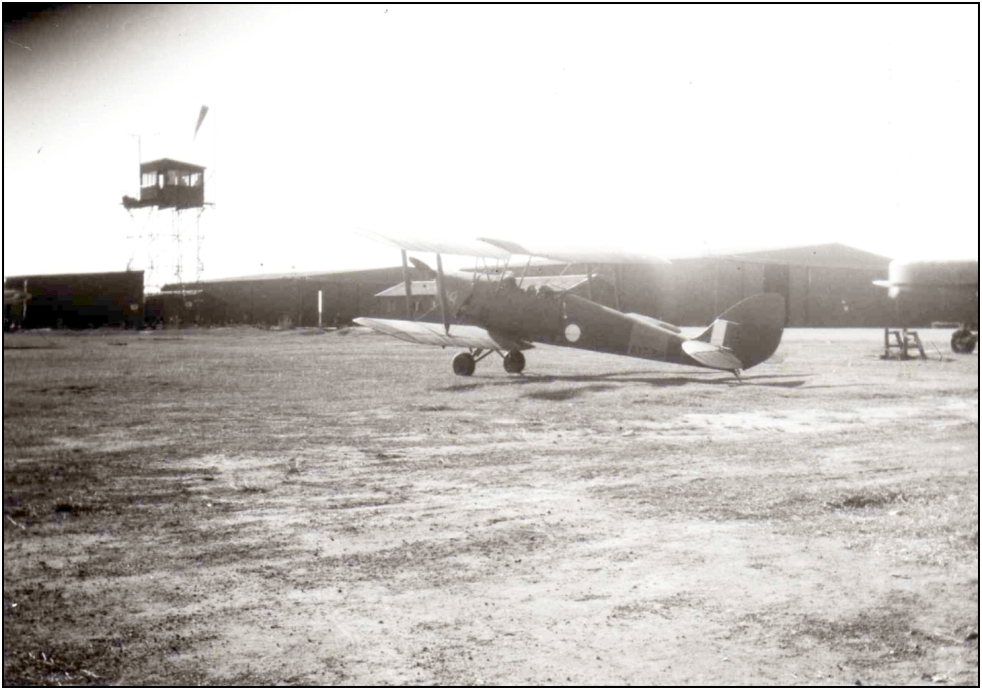
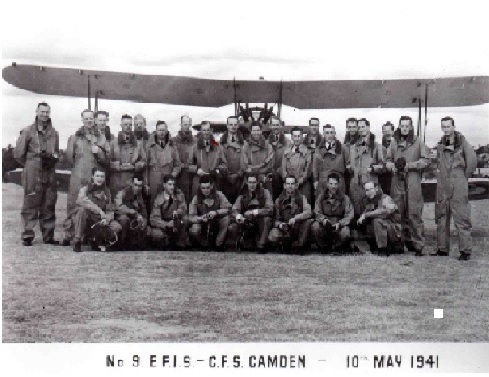
Camden Airfield's Bellman hangars, erected during World War II, served as transportable structures for the RAAF Central Flying School under the Empire Air Training Scheme. British-designed by NS Bellman in 1936, these hangars represent Australia's aviation heritage and were crucial for pilot training. Over 280 were supplied across Australia and New Guinea and are part of the country's aviation archaeology.

Aesthetics · Agricultural heritage · Agriculture · Argyle Street · Attachment to place · Built heritag · Camden · Camden Airfield · Camden Show · Camden Story · Camden Town Centre · Churches · Cobbitty · Colonial Camden · Colonialism · Community identity · Country town · Cultural and Heritage Tourism · Cultural Heritage · Cumberland Plain · Farming · Floods · Heritage · History · Landscape · Living History · Local History · Local Studies · Macarthur Park · Onslow Park · Place making · Placemaking · Railway · Sense of place · Storytelling · Tourism

Camden, the best preserved country town on the Cumberland Plain

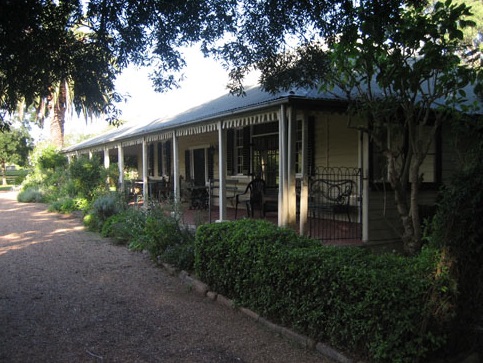
The historic town of Camden is hailed by architect Hector Abrahams as the best-preserved country town on the Cumberland Plain. Established in 1840, it offers a glimpse of Victorian and early 20th-century charm. Visitors can explore its heritage precinct, rural landscapes, historic villages, and even relive the town's aviation history.

20th century · Aesthetics · Anzac · Art · Attachment to place · Australia · Belonging · Camden · Camden Airfield · Churches · Community Health · Community identity · Cultural Heritage · Cultural icon · Education · Family history · Festivals · First World War · Heritage · Historical consciousness · Historical Research · Historical thinking · History · Interwar · Living History · Local History · Local newspapers · Local Studies · Memorials · Memory · Menangle Army Camp · Military history · Modernism · Myths · Narellan Military Camp · Newspapers · Place making · Public art · Red Cross · Second World War · Sense of place · Stereotypes · Storytelling · Volunteering · Volunteerism · War · War at home · Wartime

Understanding the Anzac Myth: Truths and Contradictions

The Anzac story is vital to Australian identity, yet its meaning remains contested. Historian Dr. Jen Roberts argues that the narrative, while centered on duty and sacrifice, encompasses contradictions surrounding nationalism, trauma, and the realities of war. Anzac's evolution reflects cultural transformations, highlighting diverse interpretations and ongoing relevance in society.

Aesthetics · Art · Attachment to place · Australia · Belonging · Camden · Camden Airfield · Camden Park House and Garden · Community identity · Cultural Heritage · Cultural icon · Denbigh · England · Entertainment · Farming · Fashion · Festivals · Gothic · Heritage · Historical consciousness · Historical Research · Historical thinking · History · Interwar · Landscape aesthetics · Leisure · Lifestyle · Living History · Local History · Local Studies · Macarthur · Memorials · Memory · Modernism · Monuments · Moveable Heritage · Movies · Myths · Place making · Public art · Re-enactments · Ruralism · Sense of place · Stereotypes · Streetscapes · Sydney · Sydney's rural-urban fringe · Technology · Theatre · Tourism · Travel · TV Series Shows · Victorian · Volunteerism · War

Movie making Camden style

Filmmakers have long been drawn to Camden's English countryside setting for movie backdrops. The area has hosted various films, including silent movie Silks and Saddles (1921), wartime drama The Rats of Tobruk (1944), series like A Place to Call Home (2012), and modern productions like Peter Rabbit (2018, 2020). It continues to attract filmmakers seeking a classic English aesthetic for their productions.

Anzac · Attachment to place · Camden · Camden Airfield · Camden Story · Community identity · Cultural Heritage · Floods · Heritage · Historical consciousness · Historical Research · Historical thinking · History · Landscape · Local History · Local Studies · Macarthur · Macquarie Grove · Memory · Menangle RAAF Airfield · Modernism · Nationalism · Patriotism · Place making · Second World War · Sense of place · Storytelling · War · War at home · Wartime

Camden Airfield and No 32 Squadron RAAF

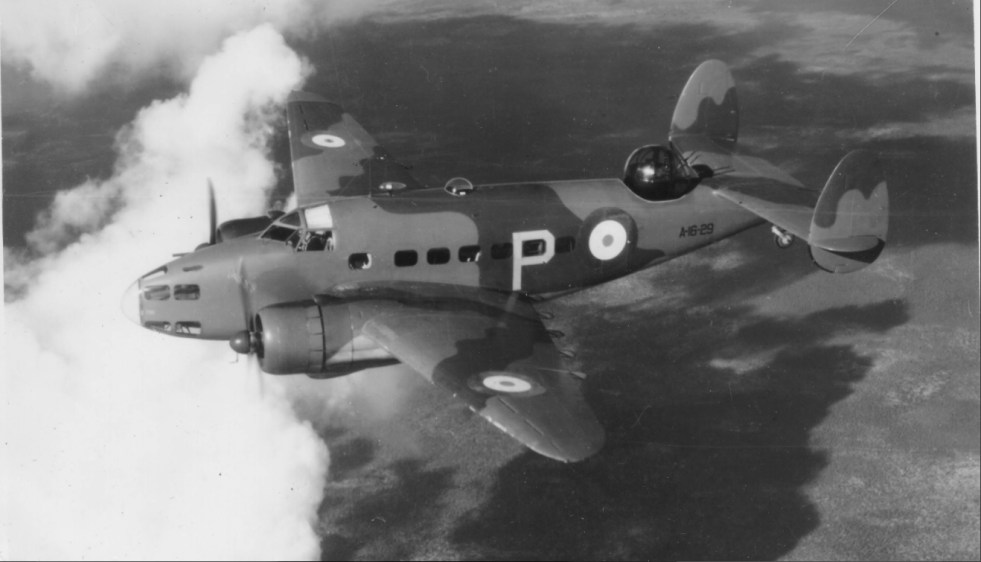
The RAAF Base Camden at Camden Airfield was the home of 32 Squadron during the Second World War. The members of the squadron have developed a special relationship with the local community that has been marked by tragedy and celebrations.

Second World War · Uncategorized

The Yanks at Camden Airfield in 1942

What is little known in Camden is the interest the US Air Force took in Camden Airfield in November 1942 and again in February 1944. On both occasions the 5th US Air Force completed secret reports, now declassified and held by the National Archives of Australia, on the readiness of Camden Airfield to accommodate US… Continue reading The Yanks at Camden Airfield in 1942

Uncategorized

Camden Airfield and Hut No 72

The last remaining hut at Camden Airfield from the Second World War is still standing. It is Hut No 72. It is located adjacent to the current carpark. Huts were built at the airfield for the arrival of the RAAF Central Flying School in 1940. Other flying schools were built at Bradfield Park in Sydney… Continue reading Camden Airfield and Hut No 72

Anzac · Attachment to place · Camden · Camden Airfield · Community identity · Cultural Heritage · Cultural icon · England · Heritage · Historical consciousness · Historical Research · Historical thinking · History · Local History · Local Studies · Macquarie Grove · Memorials · Modernism · Monuments · Myths · Place making · Second World War · Sense of place · War · War at home

Camden Airfield and the RAAF Central Flying School

Camden Airfield and the RAAF Central Flying School