1960s · 20th century · Alan Baker Art Gallery Camden NSW · Artworks · Built Heritage · Camden Cottage · Camden Mid-century Modernism · Camden Modernism · Camden Realism · Camden Story · Community work · Cultural Heritage · Domestic Architecture · Families · Family history · Heritage · House history · Housing · Housing styles · Local History · Local Studies · Lost Camden · Mid-century modernism · Modernism · Place making · Placemaking · Sense of place · Stories · Storytelling

Exploring Elderslie’s Ranch-Style Homes, lost mid-century Camden

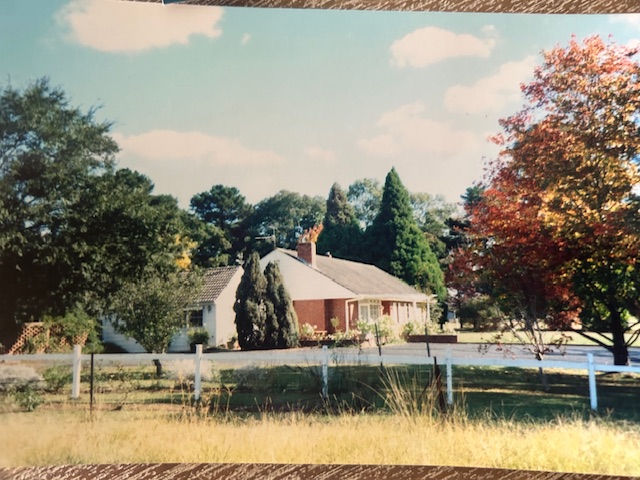
Tarn House, a ranch-style residence built in 1963 by Dr. Gordon Clowes in Elderslie, represents Camden's mid-century modern architecture. Clowes, an influential community figure and surgeon, lived there with his family. The house, now lost, was part of a broader trend of ranch-style homes in the area during the 1960s.

Active citizenship · Adaptive Reuse · Artists · Artworks · Built Heritage · Camden · Camden Civic Centre · Camden Story · Community · Community building · Community work · Cultural Heritage · culture · Festivals · Leisure · Local History · Local Studies · Music · Music history · Placemaking · Public art · Social History · The Arts · Urban Planning

Community Hub Revitalization: Camden Civic Centre’s New Look

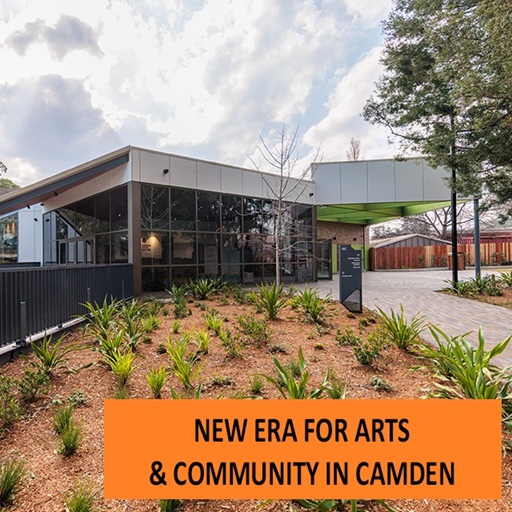
The Camden Civic Centre was officially reopened after a $9.9 million upgrade, enhancing its facilities as a modern, multi-purpose venue. The project included improved workspaces, public art installations, and a new grand piano. The council and government funding ensured a functional space for community events, strengthening local cultural support.

Active citizenship · Camden Story · Community building · Community Cabinet Forum · Community Engagement · Community organisations · Community work · Democracy · Living History · Local Studies · Minns Labor Government · NSW Government · Place making · Placemaking · politics · Urban growth · Urban Planning · urban sprawl · Volunteering · Volunteerism

Local Voices Matter: NSW Community Cabinet in Camden

The NSW Cabinet held its first community forum in Camden, allowing locals to voice concerns and engage with representatives. Premier Minns discussed urban growth and infrastructure funding, emphasizing equity across Sydney. Despite some criticism regarding political motivations, the event fostered community involvement, enhancing democratic engagement and showcasing local issues effectively.

1920s · 19th Century · Adaptive Re-use · Aesthetics · Agency · Balls · Camden · Camden Story · Camelot · Cultural Heritage · Cultural icon · CWA · Design · Dress history · Emotion · Entertainment · Fashion · Fashion History · Heritage · Lifestyle · Local History · Local Studies · Macarthur family · Place making · Placemaking · Re-enactments · Sense of place · Stories · Storytelling · Women's agency · Women's history · Women's stories

Clarice Faithfull Anderson’s Historic Ball Gown

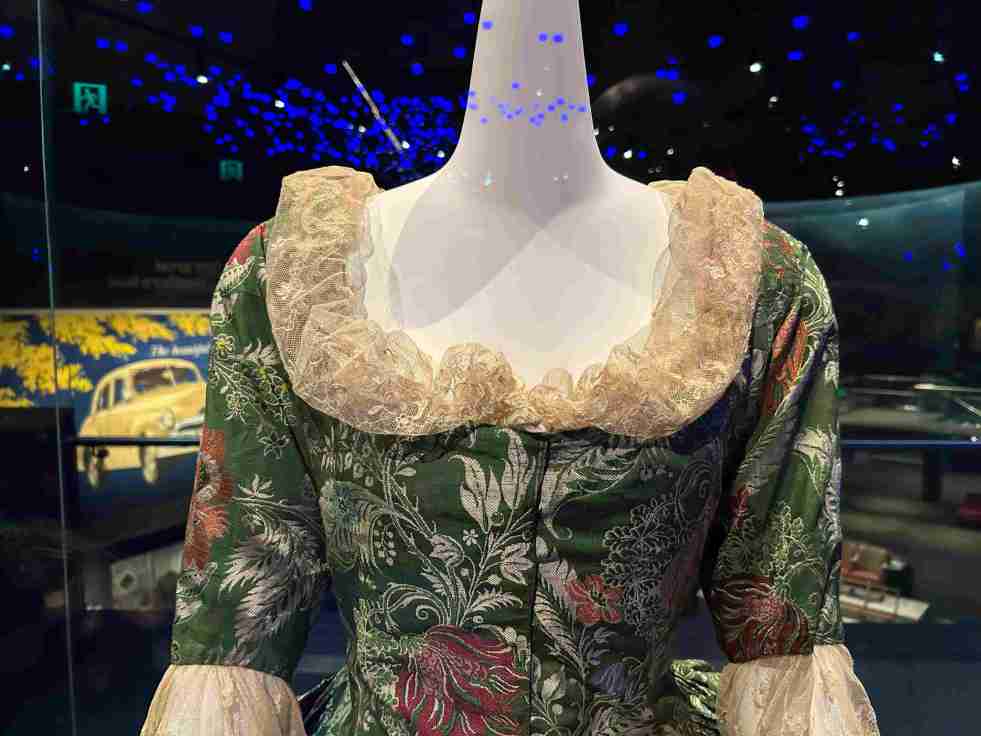
The 1929 CWA Blue & Gold Ball at Sydney's Ambassador Cabaret was a prestigious fundraising event attended by significant dignitaries, including the Governor General. The ball featured "living pictures" and showcased elaborate gowns, including Clarice Faithfull Anderson's historic dress from the 18th century, which later became a treasured family heirloom and is now part of the textile collection of the National Museum of Australia.

Aesthetics · Agency · Attachment to place · Biography · British colonialism · Camden · Camden Story · Colonial Australia · Colonial Camden · Colonial frontier · Colonial NSW · Colonial Settler Community · Colonialism · Community identity · Cowpastures district · Cultural Heritage · England · Entertainment · Families · Family history · Farming · Farming history · Fashion · Genealogy · Heritage · Historical consciousness · Historical source · History · Leisure · Local History · Memory · Parramatta · Philanthropy · Pioneers · Place making · Ruralism · Sense of place · Settler colonialism · The Cowpastures · Victorian · Volunteering · Women's diaries · Women's history · Women's stories · Women's Writing

Exploring Caroline’s Diary: A Women’s Perspective on Colonial Australia

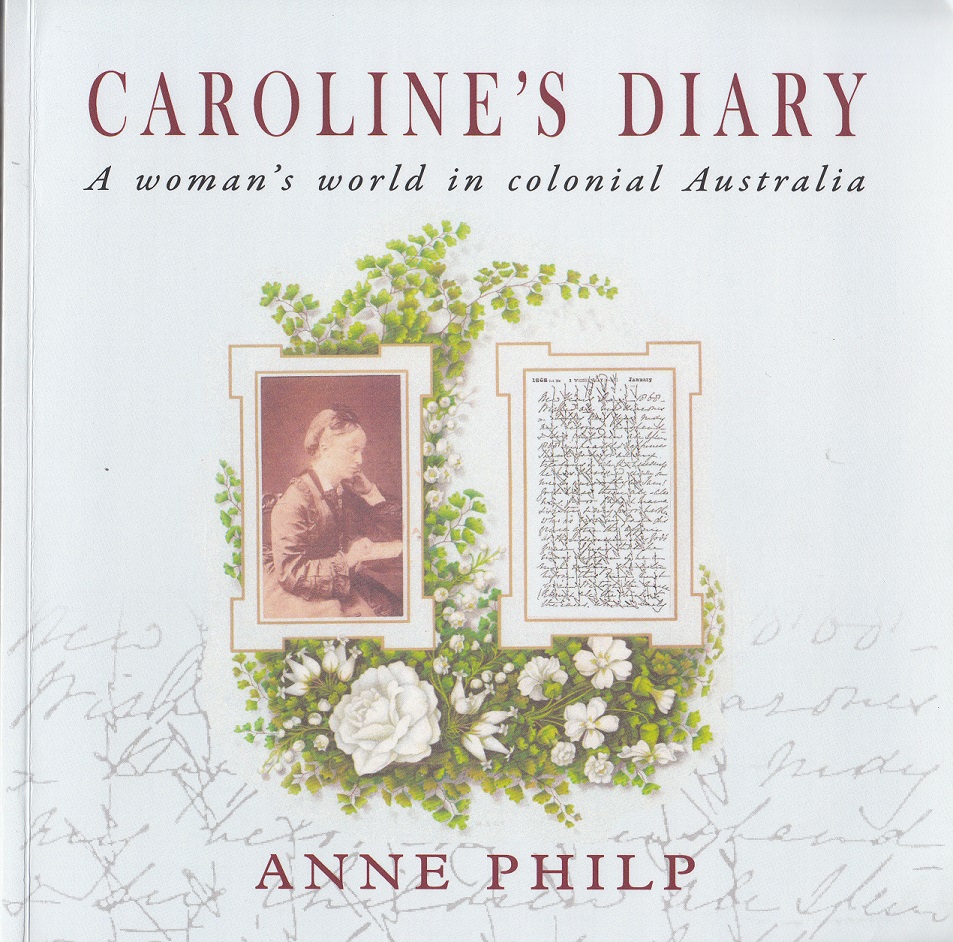
Anne Philp's "Caroline’s Diary" narrates the life of Caroline Husband, an Englishwoman who migrated to colonial Australia in the mid-19th century. Through her personal diaries, readers explore her adventures, social life, and experiences from England to New South Wales, providing insights into women's roles and societal dynamics during this period.

Advertising · Agricultural heritage · Agriculture · Agriculture history · Artists · Artworks · Brands · Business · Business History · Cafes · Camden Story · Community identity · Cultural Heritage · Cultural icon · culture · Industrial Heritage · Local History · Local Studies · Lost Sydney · Marketing · Place making · Placemaking · Public art · Restaurant · Retail history · Retailing · Sense of place · Stories · Storytelling · Symbolism · Travellers · Uncategorized

Discover the Golden Fleece Globe Light at Camden Museum

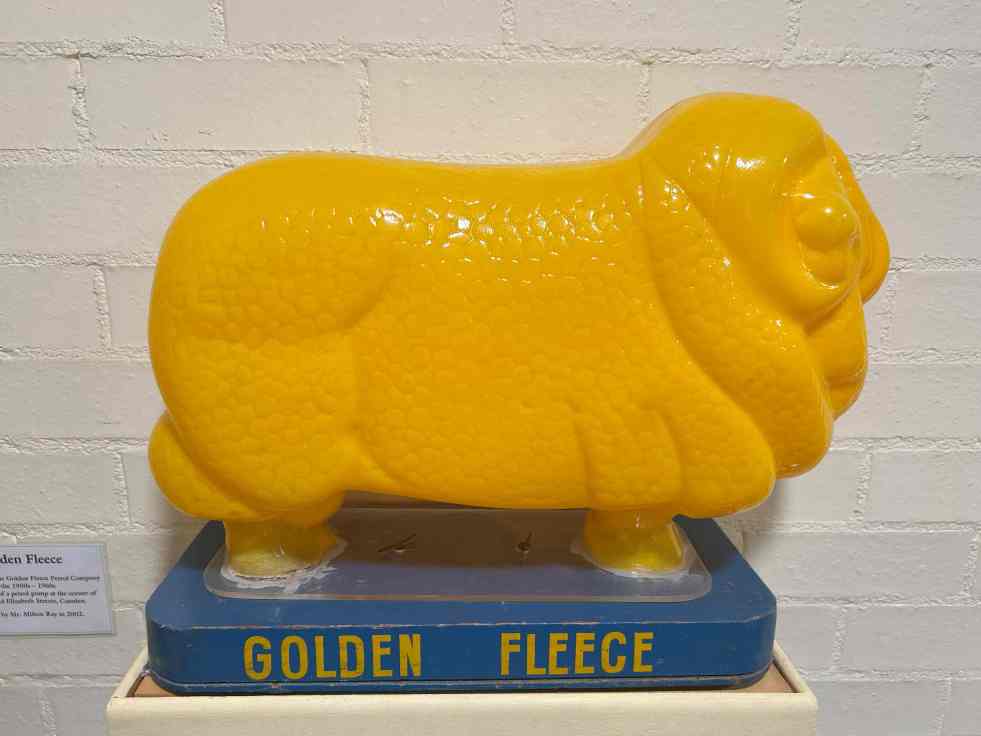
The Camden Museum showcases the Golden Fleece Globe Light, a plastic ram, symbolizing Australia's wool industry and its historical significance. Donated by Milton Ray in 2002, it highlights the Golden Fleece brand's marketing legacy. The ram, based on a prized merino, represents both local history and broader national heritage.

AI · Built Heritage · Camden · Camden bank · Camden Built Heritage · Camden Story · Historian · Historical consciousness · Historical Research · Historical thinking · History · History Education · Place making · Placemaking · Propaganda · Sense of place · Stories · Storytelling · Uncategorized

The Role of Historians in an AI World

A Microsoft study suggests historians are among jobs most at risk from AI, particularly due to AI's ability to gather data. However, historians play a crucial role in interpretation, analysis, and narrative construction, capabilities AI lacks. Therefore, while AI may assist, it cannot replace historians, ensuring their continued relevance in understanding the past.

19th Century · 20th century · Active citizenship · Agency · Artefacts · Blue Plaques · Blue Plaques NSW · Business · Business History · Camden · Camden Modernism · Camden Museum · Camden Story · Commemoration · Community identity · Craft · Crafts · Cultural icon · Dress history · Economy · Fashion · Fashion History · Handcraft · Heritage · History · History of a building · Industrial Heritage · Local History · Local Studies · Memorialisation · Nationalism · Place making · Placemaking · Red Cross · School of Arts · Second World War · Sense of place · Sewing · Sewing Machine · Social History · Stories · Storytelling · Volunteering · Volunteerism · War · War at home · Wartime · Women's agency · Women's stories · World War One · World War Two

Camden’s Treadle Sewing Machine: A Revolution in Women’s Agency

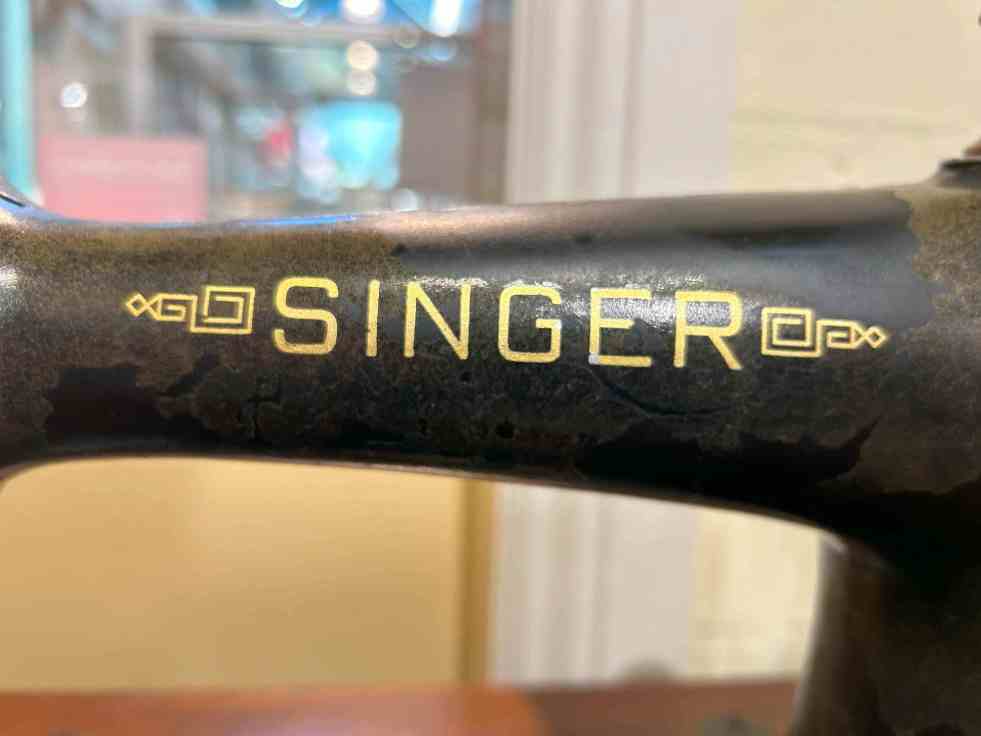
The Camden Museum's treadle sewing machine symbolizes the significant role of sewing in women's lives from the 19th century onwards. Sewing machines democratized work, enhancing women’s agency by saving time and allowing for business opportunities. Women contributed immensely to the war efforts through Red Cross circles, producing thousands of items during both World Wars.

Australian History · Camden Story · Cultural and Heritage Tourism · Cultural Heritage · culture · Heritage · Heritage Walking Tours · Historian · Historical consciousness · Historical Research · Historical source · Historical thinking · Historiography · History · History Education · History Festival · History Week · Local Studies · localism · Monuments · Murals · Narellan Story · Place · Place making · Public art · Sense of place · Social History · Stories · Storytelling · Uncategorized

Discovering Australia’s Hidden Historical Sites

The local historical and cultural landscape in Australia is highly fragmented, lacking a central repository for information. Various apps, websites, and blogs exist but offer scattered data. Clio, a well-coordinated platform in the USA, exemplifies effective organization of local history, contrasting with Australia's disjointed efforts, which face funding challenges.

1920s · 20th century · Camden · Camden Modern · Camden Modernism · Camden Motorcycle Club · Camden Story · Community identity · Heritage · Motoring History · Overlander · Pioneers · Place making · Placemaking · Stories · Storytelling · Transport · transport history · Travel · Travellers

History of Camden Motorcycle Club: pioneers of adventure, movement and modernism

The Camden Motorcycle Club, founded in 1919 and led by Dr. Francis W. West, played a pivotal role in local motorcycle culture in early 20th-century Australia. Members,. like Laurie Kelloway, engaged in adventurous overlanding, promoting camaraderie and the excitement of the open road. The club also provided community support, such as raising funds for disabled veterans like Private Cecil Wheeler.