

The Camden story represents a rich tapestry of community history, emphasizing narratives from marginalized voices. It highlights how cultural memory, shaped through oral traditions and historical artifacts, fosters shared identity. Essential sites like museums and monuments facilitate the transmission of collective memories, preserving the community's past and influencing its identity.
Category: Historical consciousness

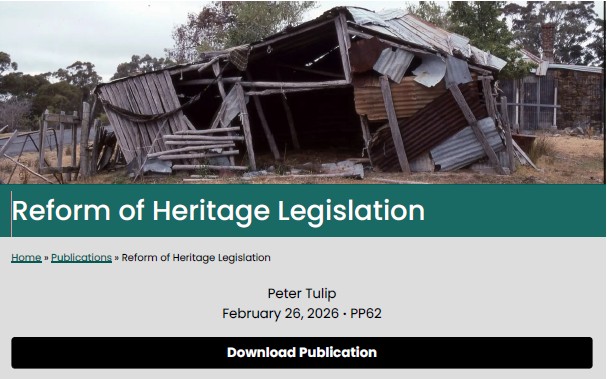
Balancing Heritage and Development in Australia
The Centre for Independent Studies argues that NSW heritage laws exacerbate the housing affordability crisis by preserving unremarkable buildings, thus restricting development. It critiques a narrow economic view of heritage that neglects community values, highlighting that a broader understanding of heritage's social and economic benefits is essential for sustainable urban planning.
Share this:

Share this:
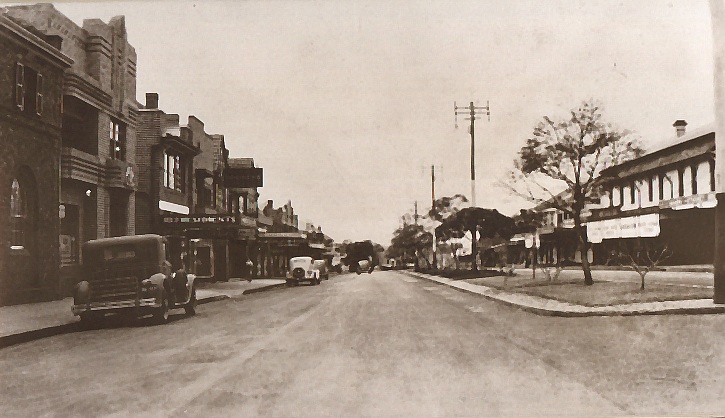
Is Camden a Village? Unpacking History and Marketing
The 'Camden Village' marketing strategy leverages nostalgia and historical authenticity to promote its charm as a getaway near Sydney. It celebrates Camden's heritage, exploring themes of community and continuity, while questioning the true nature of its village identity. This strategy taps into sentimental longings for simpler times, appealing emotionally to potential visitors.
Share this:

Share this:

Exploring the Penrith Museum of Printing
The Penrith Museum of Printing, part of History Week 2018 in New South Wales, showcases operational printing presses from 1860 to 1970. Visitors learn about traditional printing techniques through live demonstrations. Established in 2001, the museum highlights the evolution of local newspapers and the significant role of printers and compositors.
Share this:

Share this:

Exploring the Complexities of Western Sydney’s Identity
Western Sydney is a complex, diverse region with numerous communities, recognized by various government levels for planning and investment. Historically significant, it faces socio-economic disparities highlighted by the "Latte Line" and "Red Rooster Line." Recent developments, including the Western Sydney International airport, aim to enhance its identity and economic growth, fostering a sense of place.
Share this:

Share this:
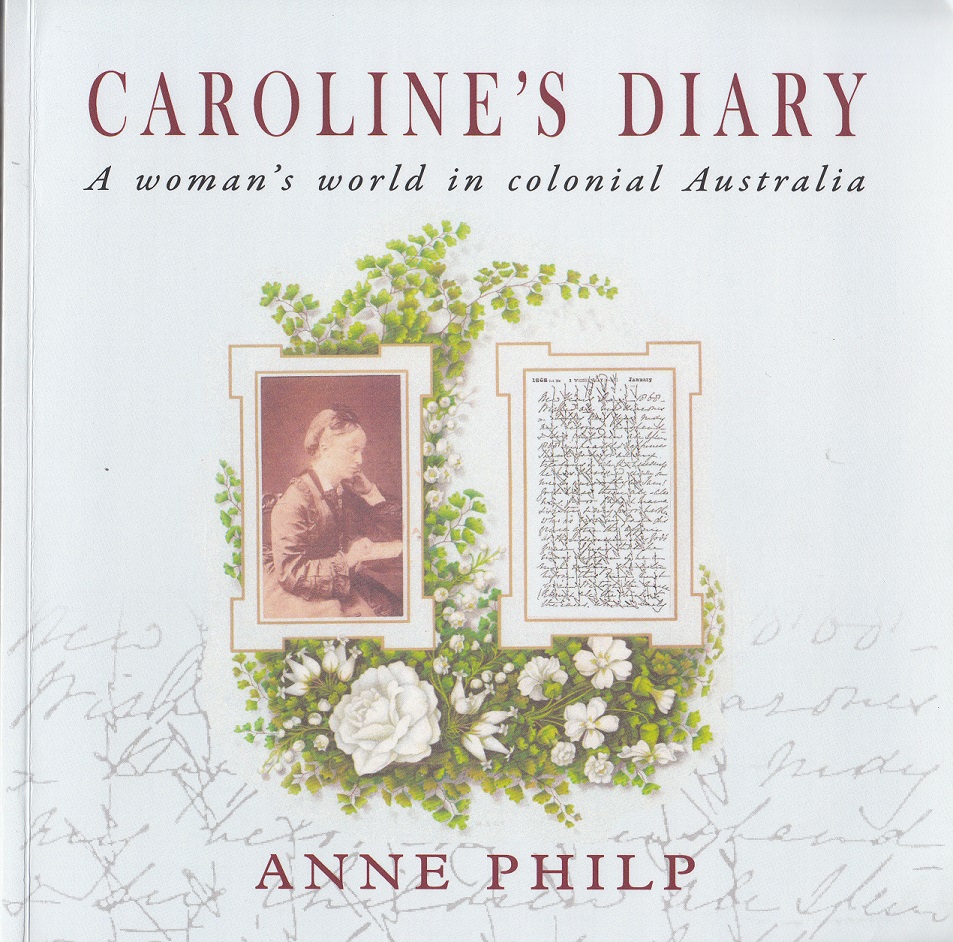
Exploring Caroline’s Diary: A Women’s Perspective on Colonial Australia
Anne Philp's "Caroline’s Diary" narrates the life of Caroline Husband, an Englishwoman who migrated to colonial Australia in the mid-19th century. Through her personal diaries, readers explore her adventures, social life, and experiences from England to New South Wales, providing insights into women's roles and societal dynamics during this period.
Share this:

Share this:

The Role of Historians in an AI World
A Microsoft study suggests historians are among jobs most at risk from AI, particularly due to AI's ability to gather data. However, historians play a crucial role in interpretation, analysis, and narrative construction, capabilities AI lacks. Therefore, while AI may assist, it cannot replace historians, ensuring their continued relevance in understanding the past.
Share this:

Share this:

Discovering Australia’s Hidden Historical Sites
The local historical and cultural landscape in Australia is highly fragmented, lacking a central repository for information. Various apps, websites, and blogs exist but offer scattered data. Clio, a well-coordinated platform in the USA, exemplifies effective organization of local history, contrasting with Australia's disjointed efforts, which face funding challenges.
Share this:

Share this:
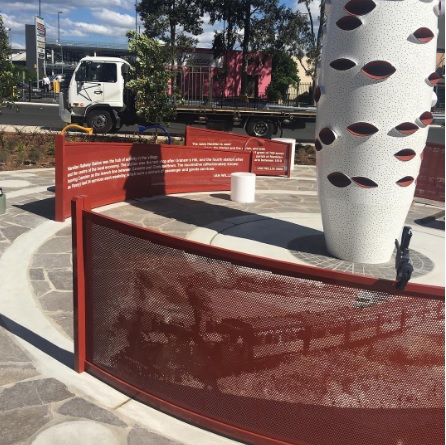
Narellan Town Centre Revitalization: a community-centric approach through placemaking
The redevelopment of Narellan Town Centre in 2017 enhanced its community space through placemaking, incorporating public art and amenities. Valued at $200 million, the extension nearly doubled its size, accommodating 100+ retailers and encouraging social interactions. The design reflects local history, fostering cultural identity and community engagement, achieving successful early usage by families.
Share this:

Share this:

Historian writes about McWings: storytelling as effective marketing.
The McDonald's McWings campaign creatively utilizes historians as storytellers to establish authenticity and emotional connections with consumers. By intertwining historical references and narratives, McDonald's aims to engage audiences while reinforcing its marketing strategy, showcasing its historical impact on the food industry and its cultural significance in regions like Macarthur.

