
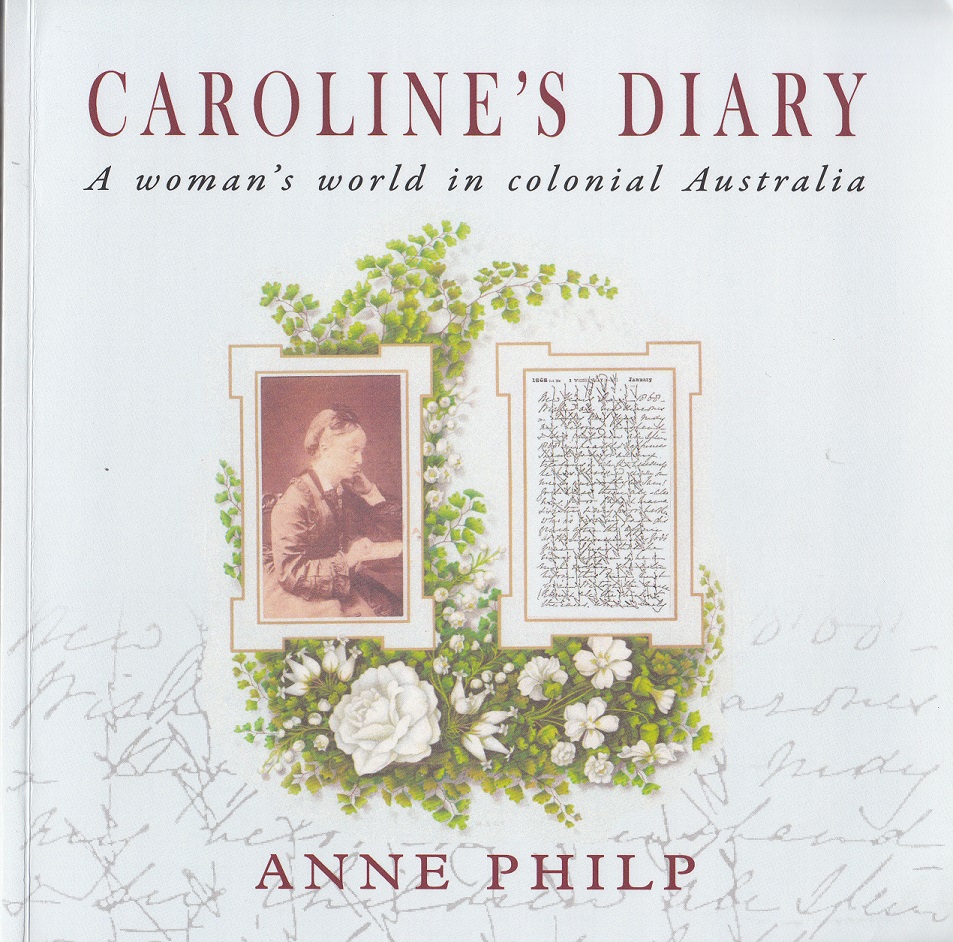
Anne Philp's "Caroline’s Diary" narrates the life of Caroline Husband, an Englishwoman who migrated to colonial Australia in the mid-19th century. Through her personal diaries, readers explore her adventures, social life, and experiences from England to New South Wales, providing insights into women's roles and societal dynamics during this period.
Category: History


The Role of Historians in an AI World
A Microsoft study suggests historians are among jobs most at risk from AI, particularly due to AI's ability to gather data. However, historians play a crucial role in interpretation, analysis, and narrative construction, capabilities AI lacks. Therefore, while AI may assist, it cannot replace historians, ensuring their continued relevance in understanding the past.
Share this:

Share this:

Camden’s Treadle Sewing Machine: A Revolution in Women’s Agency
The Camden Museum's treadle sewing machine symbolizes the significant role of sewing in women's lives from the 19th century onwards. Sewing machines democratized work, enhancing women’s agency by saving time and allowing for business opportunities. Women contributed immensely to the war efforts through Red Cross circles, producing thousands of items during both World Wars.
Share this:

Share this:

Exploring Belgenny Farm: Australia’s Oldest Farm Complex
Belgenny Farm, located in Camden, NSW, is Australia’s oldest surviving group of farm buildings, dating back to the 1820s. This historical site includes significant structures like stables, a coach house, and a community hall. It holds cultural importance through its association with the Macarthur family and continues to serve educational purposes.
Share this:

Share this:

Discovering Australia’s Hidden Historical Sites
The local historical and cultural landscape in Australia is highly fragmented, lacking a central repository for information. Various apps, websites, and blogs exist but offer scattered data. Clio, a well-coordinated platform in the USA, exemplifies effective organization of local history, contrasting with Australia's disjointed efforts, which face funding challenges.
Share this:

Share this:

AI Transforming History Education: Opportunities & Challenges
The integration of AI into history education is transforming teaching methods and enhancing access to resources, promoting critical thinking among students. However, educators face challenges like increased anxiety and the risks of AI inaccuracies. The American Historical Association recommends guidelines to effectively incorporate AI while maintaining traditional pedagogical practices.
Share this:

Share this:
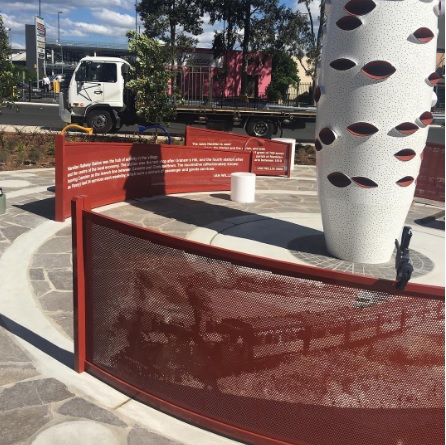
Narellan Town Centre Revitalization: a community-centric approach through placemaking
The redevelopment of Narellan Town Centre in 2017 enhanced its community space through placemaking, incorporating public art and amenities. Valued at $200 million, the extension nearly doubled its size, accommodating 100+ retailers and encouraging social interactions. The design reflects local history, fostering cultural identity and community engagement, achieving successful early usage by families.
Share this:

Share this:
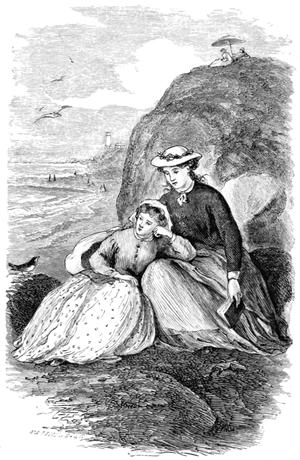
The Role of Scarlet Fever in Literature and Film
Scarlet fever, the disease, historically depicted in literature and film, caused widespread fear and hardship, significantly impacting dairy farming communities. Numerous works illustrate its societal ramifications and personal tragedies. Notable figures who contracted scarlet fever included Thomas Edison and members of the Darwin family. Scarlet fever emerged in Camden in the late 1890s, prompting the establishment of a cottage hospital due to its severe impact on dairy farmers.
Share this:

Share this:
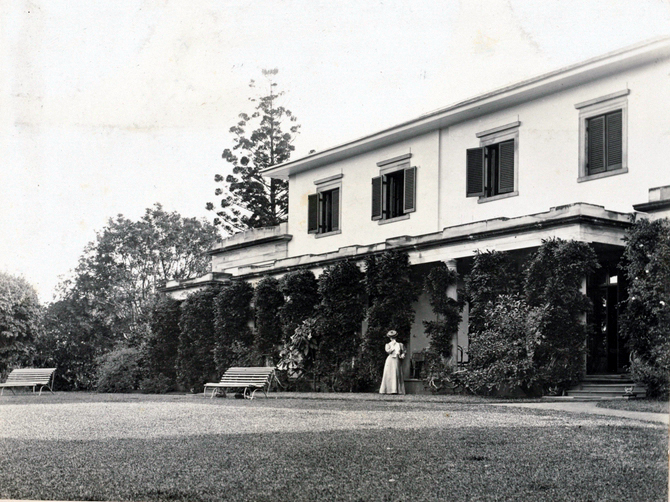
Privacy, piety and power at Camden Park: 1905 Vickery-Ellis marriage
In mid-1905, a private wedding took place at Camden Park between 82-year-old Ebenezer Vickery and 52-year-old Deborah Louise Ellis, a teacher and charity worker. Despite gossip in The Bulletin magazine, which wrongfully described Ellis's age and referred to her as Vickery's 'typewriter,' the wedding was attended by notable figureheads. Vickery, known for his wealth and philanthropy, held positions in various corporations and was involved in mining ventures. Ellis, active in philanthropic circles, played a role in social issues. Their marriage highlighted a complex interplay of privacy, power, and community, reflecting societal attitudes of the era.
Share this:

Share this:

Historian writes about McWings: storytelling as effective marketing.
The McDonald's McWings campaign creatively utilizes historians as storytellers to establish authenticity and emotional connections with consumers. By intertwining historical references and narratives, McDonald's aims to engage audiences while reinforcing its marketing strategy, showcasing its historical impact on the food industry and its cultural significance in regions like Macarthur.

