Alan Baker Art Gallery Camden NSW · Art · Artworks · Camden Story · Community identity · Craft · Crafts · Design · Families · Holidays · Lifestyle · Living History · Macaria · Malls · Narellan · Narellan Story · Narellan Town Centre · Paintings · Public art · Retail history · Retailing · Shopping · Social History · The Arts

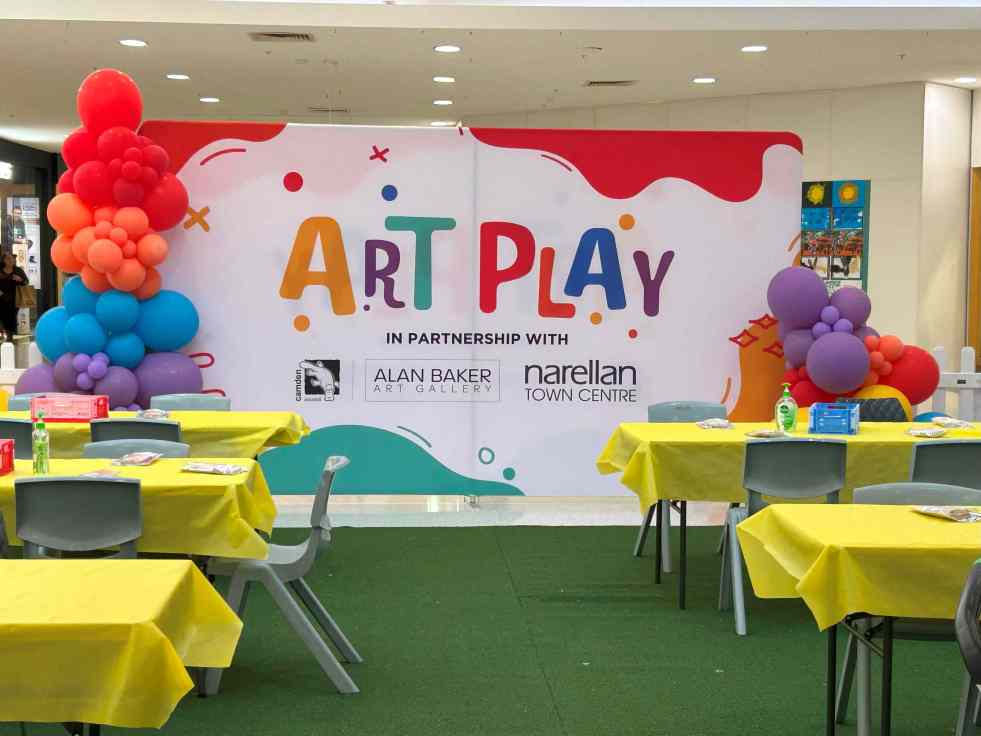
Creative Kids: Art Play Workshops at Narellan Town Centre

Over two weeks, the Narellan Town Centre hosted 'Art Play' workshops for kids aged 5 to 12, featuring various creative activities led by artists from the Alan Baker Art Gallery. The free sessions attracted over 200 children daily, providing an engaging and stress-free school holiday opportunity for families while fostering creativity and artistic skills.

19th Century · Aesthetics · Art · Artists · Artworks · Camden Story · Community Health · Disease · Health and Medical History · Health History · History · Hope and loss · Medical history · Medical Humanities · Paintings · Public art · Scarlet fever · Sense of place · Social History · Storytelling · The Arts · Trauma

The Role of Scarlet Fever in Literature and Film

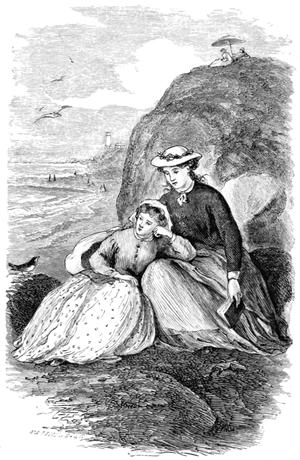
Scarlet fever, the disease, historically depicted in literature and film, caused widespread fear and hardship, significantly impacting dairy farming communities. Numerous works illustrate its societal ramifications and personal tragedies. Notable figures who contracted scarlet fever included Thomas Edison and members of the Darwin family. Scarlet fever emerged in Camden in the late 1890s, prompting the establishment of a cottage hospital due to its severe impact on dairy farmers.

20th century · Aesthetics · Art · Artworks · Belonging · Community · Community celebrations · Community Engagement · Community identity · Cricket · Cultural and Heritage Tourism · Cultural Heritage · Cultural icon · Design · Festivals · Football · GLAM Sector · Heritage · Lifestyle · Living History · Lost Sydney · Melbourne · Modernism · Music history · Nationalism · Paintings · Place · Place making · Placemaking · Sense of place · Social History · Sporting History · Storytelling · Sydney · Sydney Harbour Bridge · Symbolism · Theatre · Tourism · Travel · Uncategorized · Urban history · Urbanism

Sydney’s Cultural Identity: A City of Contradictions

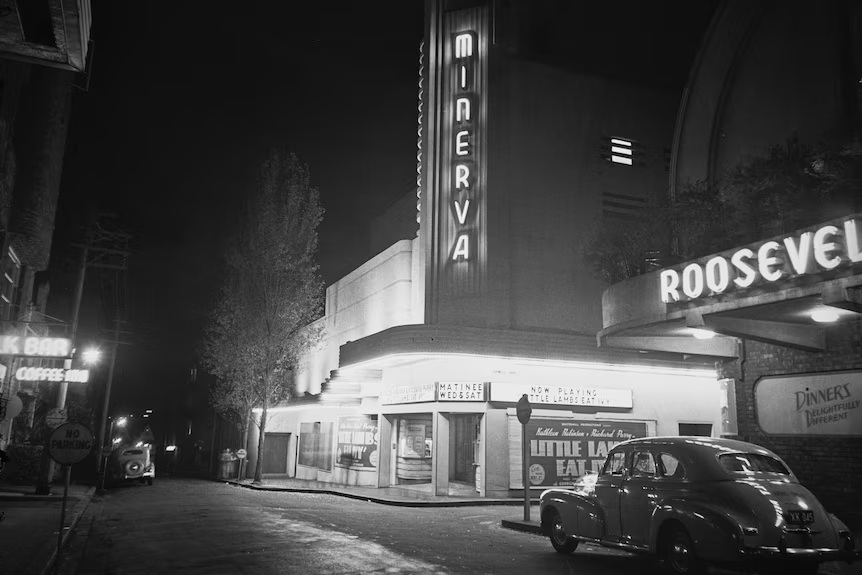
Sydney presents a striking contrast between its stunning harbour and perceived lack of cultural depth. Critics argue the city is a "cultural wasteland," with isolated artistic venues and a fragmented entertainment scene, unlike the vibrant precincts found in Melbourne, London and New York. Sydney's cultural identity partly emerges from its diverse tribes and subcultures that are found in the depths of the suburbs.

Aesthetics · Art · Artworks · Attachment to place · Camden Realism · Camden Story · Cobbitty · GLAM Sector · Landscape · Landscape aesthetics · Local History · Local Studies · Paintings · Place · Place making · Placemaking · Realism · Sense of place · Stories · Storytelling · Women's art

Exploring ‘Just the Two of Us’ at Tegel Gallery 581

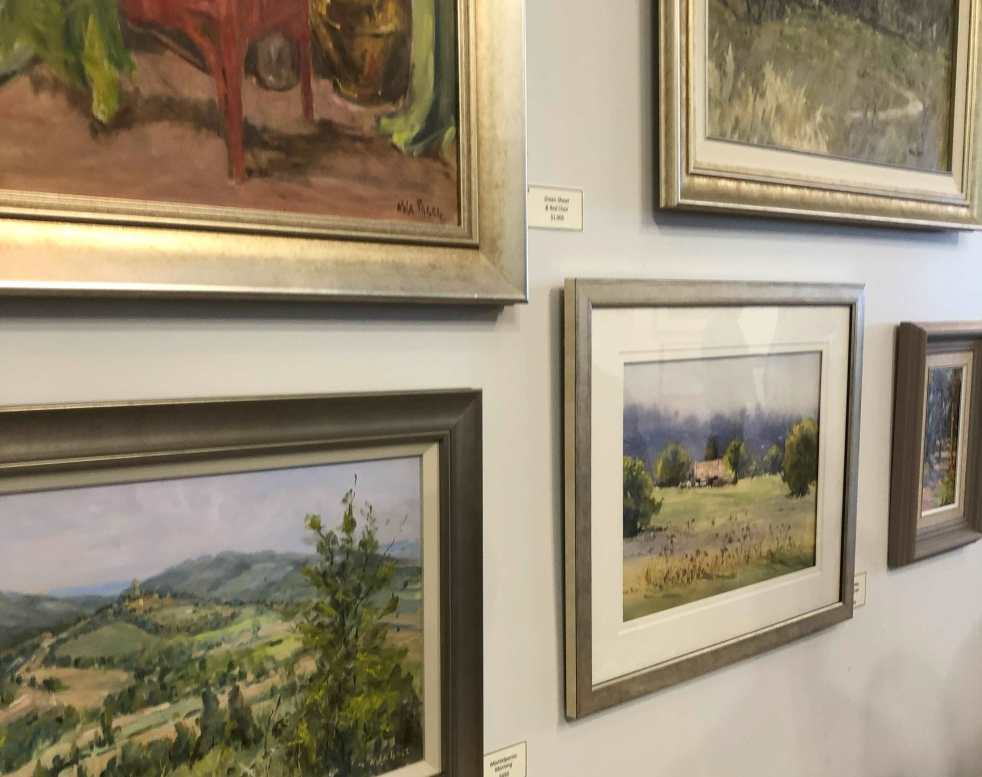
The Tegel Gallery 581 in Cobbitty, NSW, launched the exhibition 'Just the Two of Us' featuring 100 paintings by local artists Nola Tegel and Patricia Johnston. This collection reflects their artistic journeys and love for the Camden countryside and their travels. The exhibition runs until 27 October 2024, excluding certain dates.

20th century · Agricultural heritage · Agriculture history · Art · Attachment to place · Camden · Camden District · Camden Show · Camden Story · Church History · Collective Memory · Commemoration · Community · Community celebrations · Community Health · Community identity · Community organisations · Community work · Cultural Heritage · Disasters · Engineering Heritage · Engineering History · Families · Family history · Farming · Festivals · Floods · Folklore · Genealogy · Health History · Heritage · Historian · Historical consciousness · Historical Research · Historical source · Historical thinking · History of a house · History of Emotion · Hotel History · House history · Housing · Landscape · Landscape aesthetics · Legends · Living History · Local History · Local Studies · Macarthur region · Memorial · Memorialisation · Memorials · Monuments · Myths · Paintings · Photographs · Photography · Pictures · Placemaking · References · Small communities · Small town · Social History · Stereotypes · Stories · Storytelling · Urban growth · Women's agency · Women's art · Women's history · Women's stories

Exploring Historical Themes: Pictorial History Camden & District Presentation Summary

This presentation examined the role of the historian and researcher and presented the importance of history and the role of a historian. Dr Ian Willis discussed the significance of historical consciousness and collective memory, emphasising the role of a historian as a researcher, analyst, interpreter, and storyteller. The presentation also highlighted "Pictorial History Camden & District," a book by Kingsclear Books, and covered aspects such as structure, select bibliography, index of names, and district maps. Additionally, various related sources and themes, such as the Whiteman and Macarthur families, were explored. The presentation concluded with suggestions for experiencing the past through community festivals, local studies, and living libraries.

Anzac · Art · Australia · Australian Comforts Fund · Camden · Camden District · Camden Story · Community Health · Craft · Crafts · Cultural Heritage · Cultural icon · Dress history · Fashion · First World War · Handcraft · Heritage · Historical consciousness · Historical Research · Historical thinking · History · Local History · Local Studies · Memory · Military history · Nationalism · Paintings · Patriotism · Philanthropy · Pictures · Red Cross · Second World War · Social History · Storytelling · Volunteering · Volunteerism · War · War at home · Wartime · Women's agency · Women's history · Women's stories · World War One

The patriotism of the wartime sock knitter

During World War I, hand-knitted socks became crucial for soldiers facing harsh conditions, preventing trench foot. Women across the British Empire, particularly in Australia, organized knitting efforts, leading to over 1.3 million pairs made. These efforts provided essential support and represented women's patriotism in wartime, often alleviating grief through their contributions.