
19th Century · 20th century · Active citizenship · Agency · Artefacts · Blue Plaques · Business · Business History · Camden · Camden Modernism · Camden Story · Commemoration · Community identity · Craft · Crafts · Cultural icon · Dress history · Economy · Fashion · Fashion History · Handcraft · Heritage · History · History of a building · Industrial Heritage · Local History · Local Studies · Memorialisation · Nationalism · Place making · Placemaking · Red Cross · School of Arts · Second World War · Sense of place · Sewing · Sewing Machine · Social History · Stories · Storytelling · Volunteering · Volunteerism · War · War at home · Wartime · Women's agency · Women's stories · World War One · World War Two

Camden’s Treadle Sewing Machine: A Revolution in Women’s Agency

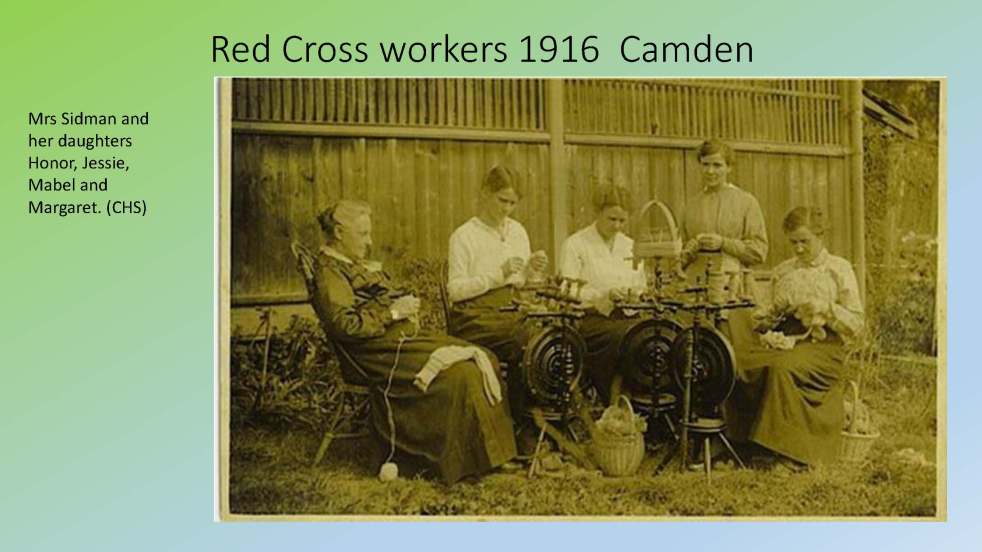
The Camden Museum's treadle sewing machine symbolizes the significant role of sewing in women's lives from the 19th century onwards. Sewing machines democratized work, enhancing womenโ€™s agency by saving time and allowing for business opportunities. Women contributed immensely to the war efforts through Red Cross circles, producing thousands of items during both World Wars.

20th century · Aesthetics · Art · Artworks · Belonging · Community · Community celebrations · Community Engagement · Community identity · Cricket · Cultural and Heritage Tourism · Cultural Heritage · Cultural icon · Design · Festivals · Football · GLAM Sector · Heritage · Lifestyle · Living History · Lost Sydney · Melbourne · Modernism · Music history · Nationalism · Paintings · Place · Place making · Placemaking · Sense of place · Social History · Sporting History · Storytelling · Sydney · Sydney Harbour Bridge · Symbolism · Theatre · Tourism · Travel · Uncategorized · Urban history · Urbanism

Sydney’s Cultural Identity: A City of Contradictions

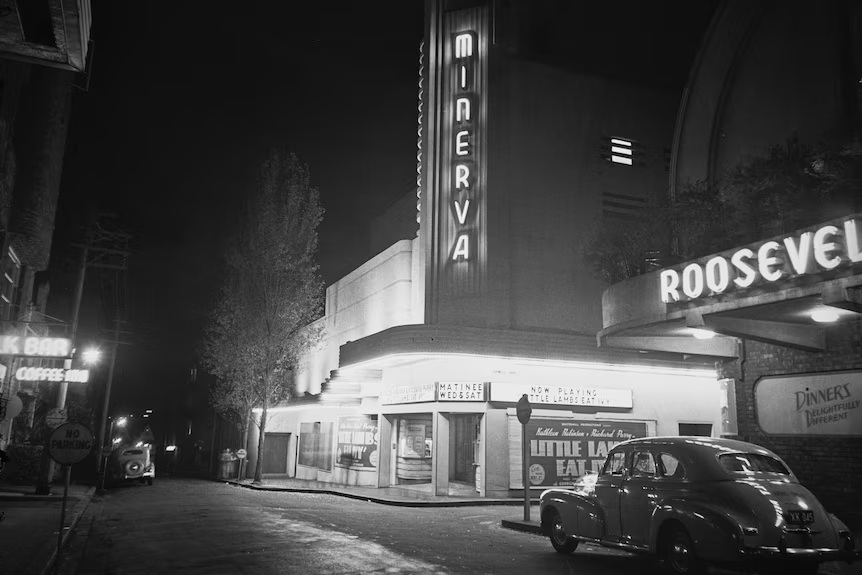
Sydney presents a striking contrast between its stunning harbour and perceived lack of cultural depth. Critics argue the city is a "cultural wasteland," with isolated artistic venues and a fragmented entertainment scene, unlike the vibrant precincts found in Melbourne, London and New York. Sydney's cultural identity partly emerges from its diverse tribes and subcultures that are found in the depths of the suburbs.

1930s · Aesthetics · Agricultural heritage · Agriculture history · British Heritage · Camden Park Estate · Camden Park House and Garden · Camden Story · Canberra · Colonial garden · Commemoration · Cowpastures Gentry · Elizabeth Farm · Elizabeth Macarthur · Garden history · Gardening · Gender · Heritage · History · History of wool industry · Johm Macarthur · Landscape aesthetics · Living History · Macarthur family · Memorial · Memorialisation · Memorials · Memory · Nationalism · Philanthropy · Roses · Sibella Macarthur Onslow · Social History · Uncategorized · Volunteering · Volunteerism · Women's history · Women's stories

Canberra’s Macarthur Garden: a tribute to Australia’s wool pioneers and their contribution to the foundation of the nation

The Macarthur Rose Garden in Canberra commemorates John and Elizabeth Macarthur's pivotal role in Australia's fine wool industry. Donated by their great-granddaughter, Sibella Macarthur Onslow, the garden features roses symbolizing hope and gratitude. Established from 1937-1938, it reflects the connection between the Macarthurs and Australiaโ€™s early nationalism.

Anniversary Day · Anzac · Australia · Australia Day · Australian Red Cross · British Red Cross · Camden Red Cross · Cultural Heritage · First World War · Grief · Military history · Myths · Nationalism · Patriotism · Place making · Red Cross · Red Cross Humanitarianism · Red Cross Movement · Sense of place · Stories · Storytelling · Trauma · Uncategorized · Volunteering · Volunteerism · War · War at home · Wartime · Women's agency · Women's history · Women's stories · World War One

The Untold Woman’s Contribution to Australia Day

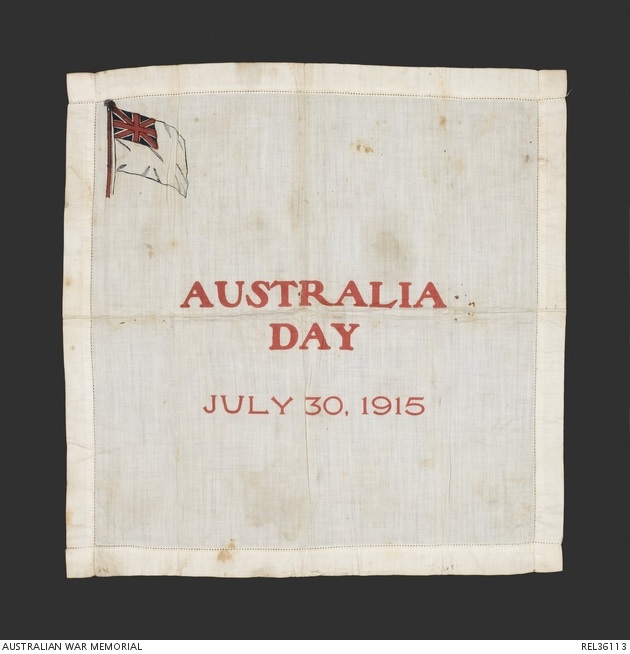
Australian women played a crucial role in the first Australia Day on July 30, 1915, which aimed to support sick and wounded soldiers from World War I. Originally suggested by Ellen Wharton-Kirke, the day centered on fundraising for the Red Cross. Women's contributions towards Australia Day remain overlooked in historical narratives surrounding Australia Day and the Anzac story.

Adaptive Re-use · Adaptive Reuse · Aesthetics · Agricultural heritage · Agricultural modernism · Agriculture · Agriculture history · Architecture · Artists · Belgenny Farm · Camden Park Estate · Camden Story · Carpentry · Colonial Camden · Colonialism · Commemoration · Cowpastures · Cowpastures Estates · Cowpastures Gentry · Crafts · Cultural Heritage · Dairying · Elizabeth Macarthur · Entertainment · Farming · History of a building · Landscape · Landscape aesthetics · Living History · Local History · Local Studies · Macarthur · Macarthur family · Memorial · Monuments · Nationalism · Place making · Placemaking · Ruralism · Sense of place · Settler Society · Small town · Stories · Storytelling · Traditional Trades · Village

Back to Belgenny 2024, a festival of living history

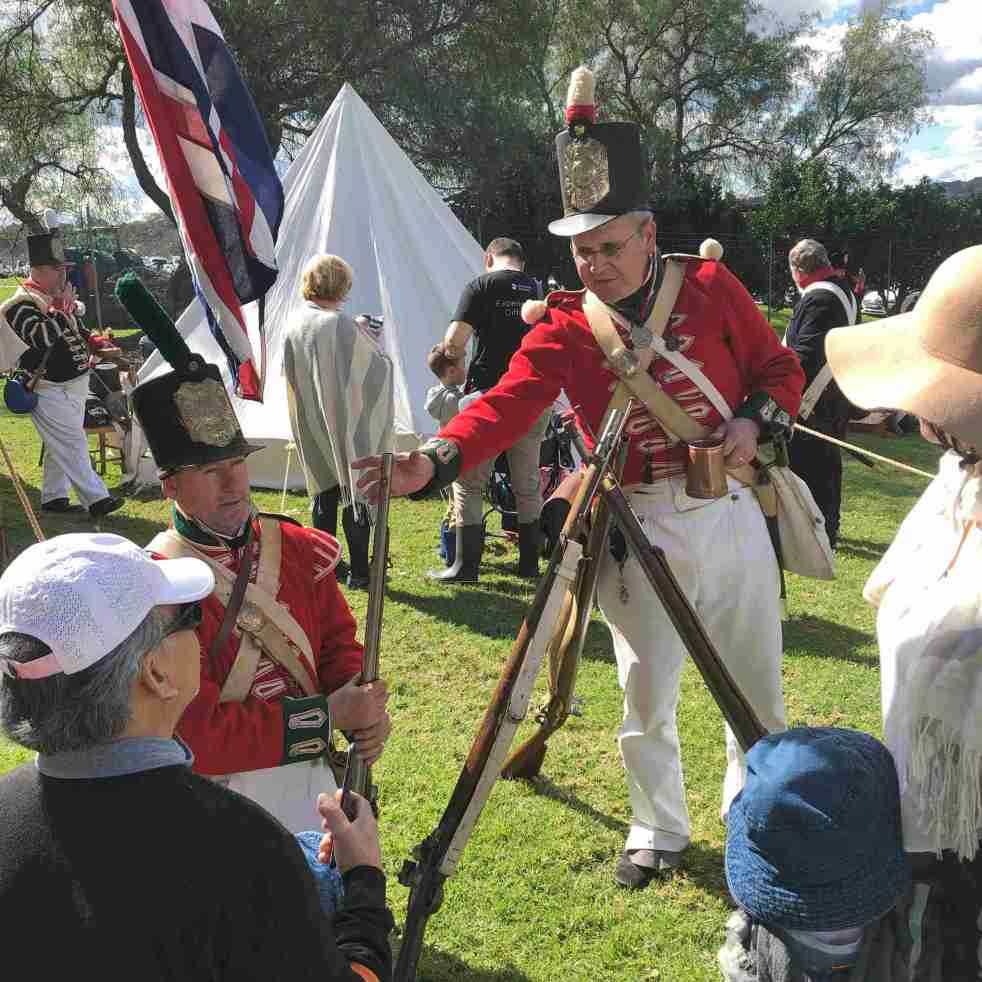
The 2024 Back to Belgenny festival at Belgenny Farm in South Camden showcased living history with reenactments, traditional trades, and stalls selling arts and crafts of the past. Activities included sheepdog trials, live music, vintage cars, and guided history tours of the site. The farm represents the settler society through the generations of the Macarthur family and their workers.

Active citizenship · Agency · Anzac · Australian Red Cross · British Red Cross · Camden Red Cross · Camden Story · Community Health · Community identity · Community organisations · Community work · Country town · Craft · Cultural Heritage · First World War · History · Interwar · Lady Helen Munro Ferguson · Local Studies · Lost Camden · Medical history · Medical Humanities · Military history · Nationalism · Not-for-profit · Nursing · Patriotism · Place making · Political history · Red Cross · Red Cross Humanitarianism · Red Cross Movement · Second World War · Sense of place · Small town · Social History · Stories · Storytelling · Trauma · VAD · Voluntary Aid Detachment · Volunteering · War · War at home · Wartime · Women's agency · Women's history · Women's stories · World War One

Camden Red Cross 110 Years Display: Objects and Ephemera Exhibition 2024

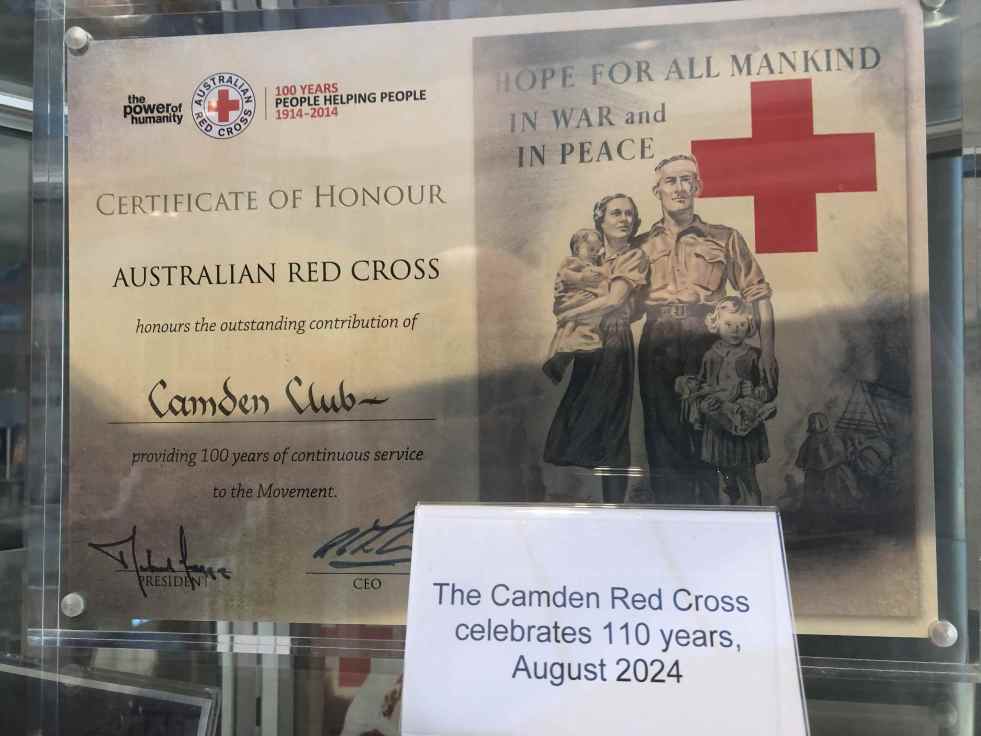
The Camden Red Cross exhibition at Camden Library in August 2024 showcased the historical contributions of local women to the Red Cross during World Wars I and II. Women from the Camden district played a pivotal role in supporting soldiers and shaping the narrative of the Australian Red Cross, creating over 20,300 articles in 40,000 volunteer hours during WWI.

Attachment to place · Belonging · British Heritage · British Red Cross · Camden · Camden Red Cross · Camden Story · Collective Memory · Community Health · Community organisations · Community work · Cultural Heritage · First World War · Health History · Helen Munro Ferguson · Heritage · History · Humanitarianism · Ideology of Motherhood · Local Studies · Medical history · Medical Humanities · Memory · Metaphor · Motherhood · Myths · Nationalism · Patriotism · Placemaking · Red Cross · Red Cross Humanitarianism · Red Cross Movement · Social History · Stereotypes · Stories · Storytelling · Symbolism · Trauma · VAD · Voluntary Aid Detachment · Volunteering · Volunteerism · War · War at home · Wartime · Women's history · Women's stories · World War One

Ministering Angels, Myth and the Red Cross on the Australian Wartime Homefront

The paper presented at the 33rd Annual Conference of the Australian Historical Association at the University of Queensland in 2014 explored the role of Australian country women in supporting the Red Cross during the First World War. The paper focused on the Camden District Red Cross, emphasizing the conservative womenโ€™s empowerment in embracing the Red Cross, serving as ministering angels, and upholding patriotic values. Total words: 78

20th century · Active citizenship · British Heritage · British Red Cross · Collective Memory · Community identity · Cultural Heritage · First World War · Gender · Humanitarianism · Ideology of Motherhood · International Relief · Lady Helen Munro Ferguson · Living History · Medical history · Medical Humanities · Memory · Metaphor · Modernism · Motherhood · Nationalism · Propaganda · Red Cross · Red Cross Humanitarianism · Red Cross Movement · Second World War · Sense of place · Sewing · Small communities · Small town · Social History · Stories · Storytelling · Symbolism · Trauma · Voluntary Aid Detachment · Volunteering · Volunteerism · War · War at home · Wartime · Women's agency · Women's history · Women's stories · World War One

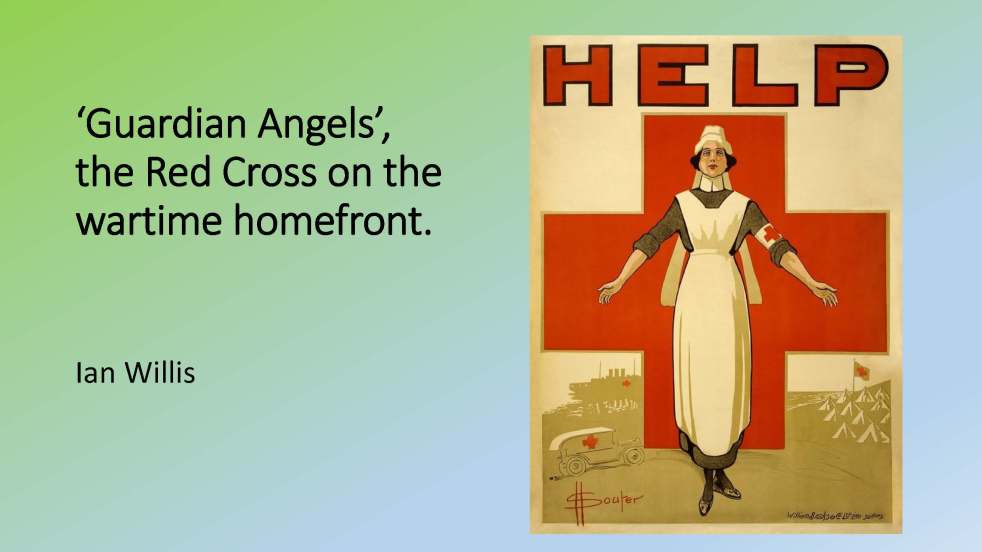
โ€˜Guardian Angelsโ€™, the Red Cross on the wartime homefront

During the First World War, Australian women independently joined the Red Cross to support the war effort. The Red Cross provided a space for women to express agency and contribute to the war through practical activities and fundraising. The organization's local branches established a sense of community and played a significant role in the homefront war effort.

Active citizenship · Australian Red Cross · British Red Cross · Collective Memory · Cultural Heritage · Health History · Humanitarianism · Ideology of Motherhood · International Relief · Medical history · Medical Humanities · Modernism · Motherhood · Nationalism · Philanthropy · Poster Art · Propaganda · Public art · Red Cross · Red Cross Humanitarianism · Red Cross Movement · Trauma · Volunteering · Volunteerism · War · War at home · Wartime · Women's agency · Women's history · Women's stories · World War One

โ€˜Angels Of Mercyโ€™, The Red Cross On the Homefront During the First World War

During World War I, the Australian Red Cross mobilized women as 'Angels of Mercy' and 'ministering angels' to provide aid with strong moral overtone. The organization used motherhood imagery to rally support, portraying itself as the 'Greatest Mother in the World'. This approach effectively garnered community backing and positioned Red Cross workers as soldiers' guardian angels.

Agency · Australian Red Cross · British Red Cross · Bushfires · Community · Community organisations · Community work · Cultural Heritage · Health History · Helen Munro Ferguson · History · History of Emotion · Humanitarianism · Ideology of Motherhood · International Relief · Living History · Medical history · Medical Humanities · Motherhood · Nationalism · Patriotism · Red Cross · Red Cross Humanitarianism · Red Cross Movement · Social History · Storytelling · Trauma · Voluntary Aid Detachment · Volunteering · Volunteerism · War · War at home · Wartime · Women's history · Women's stories · World War One

Red Cross humanitarianism and female volunteers in Australia

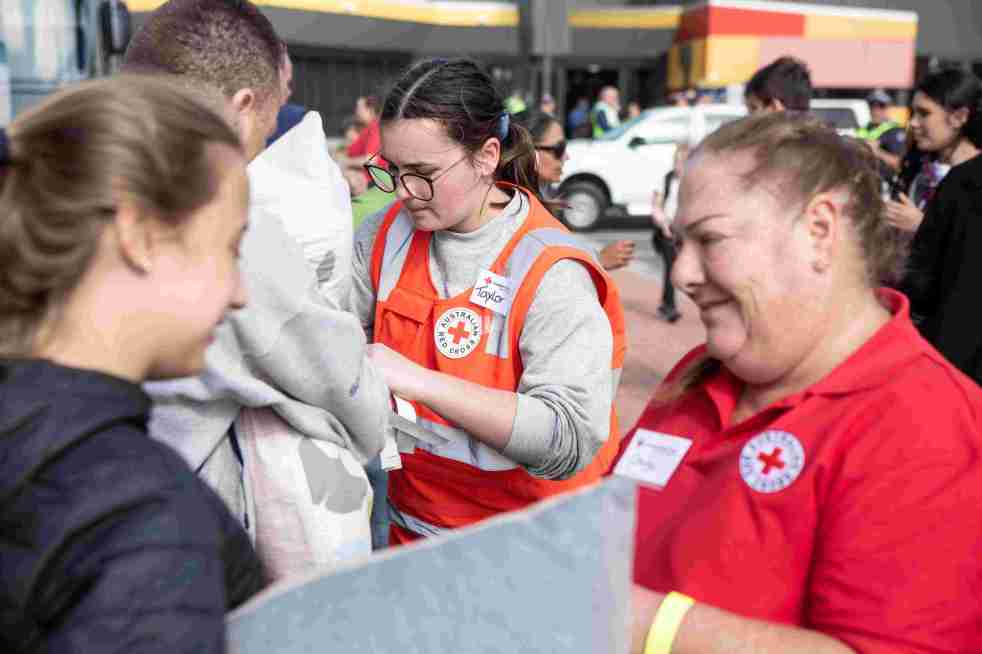
The Australian Red Cross has a long history of female volunteers providing aid to disaster victims. These women, often undervalued, found opportunities for social and political agency within the organization. Through fundraising and volunteering, they significantly contributed to the welfare of soldiers during the First and Second World Wars, yet their achievements have often been overlooked.