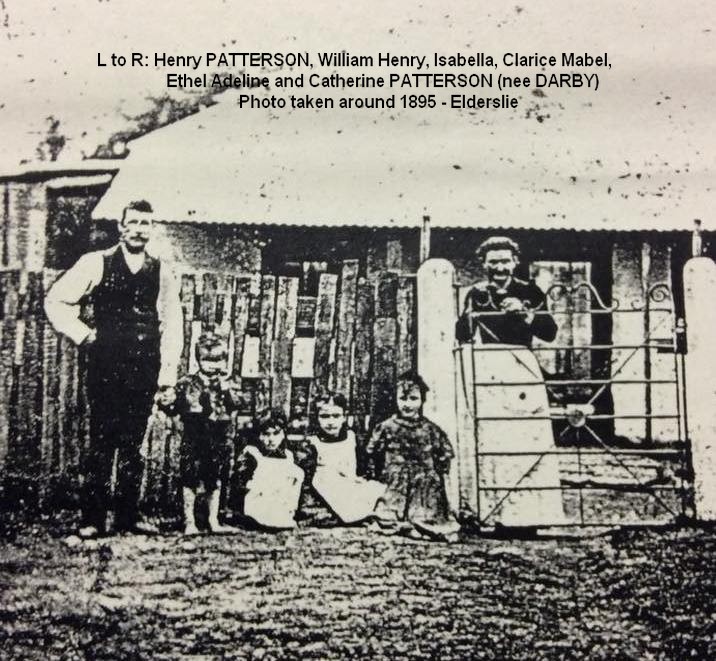
The story of the Patterson family of Elderslie NSW illustrates the value and importance of family history.
Category: Social History

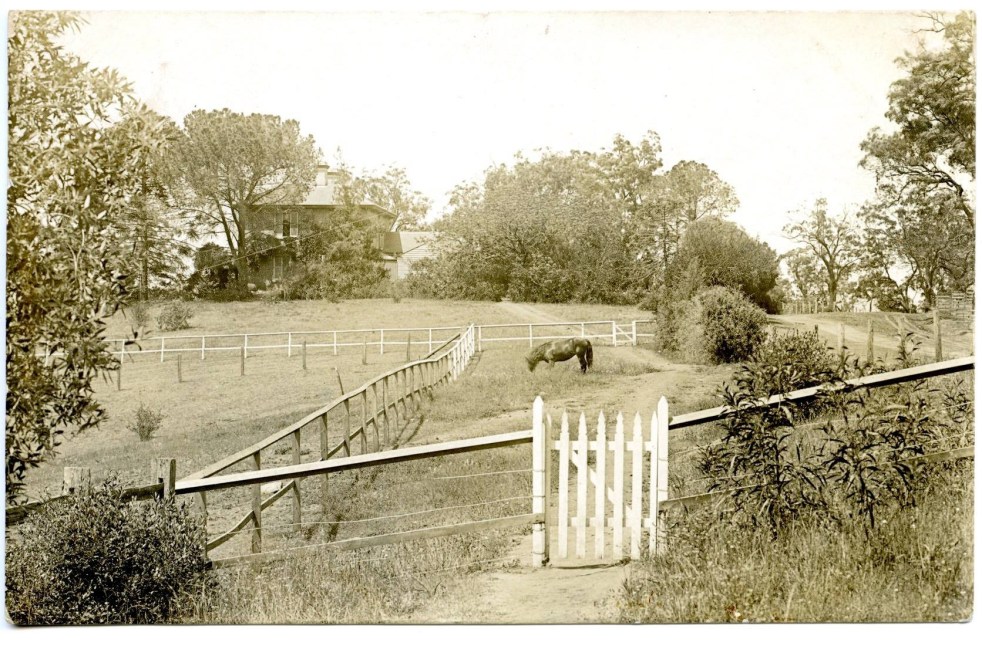
St John’s Church, a contested sacred site in the historic landscape of the Cowpastures
A contested sacred site in the historic landscape of the Cowpastures. St John's Church wants to sell a former horse paddock to fund a new worship centre against community opposition.
Share this:

Share this:
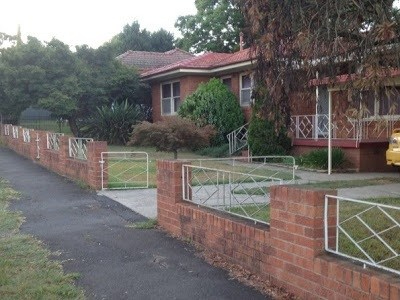
Mid-Century Modernist Homes in Elderslie
In the 1960s, modernism significantly influenced the community of Elderslie, where miners sought contemporary homes. Innovative house designs reflected mid-20th-century trends, including American Ranch styles. Australian architects, like Robin Boyd, contributed to housing projects across the country, merging modern aesthetics with traditional Federation-style homes. These trends influenced the design of local mid-century housing style, resulting in a unique urban landscape.
Share this:

Share this:
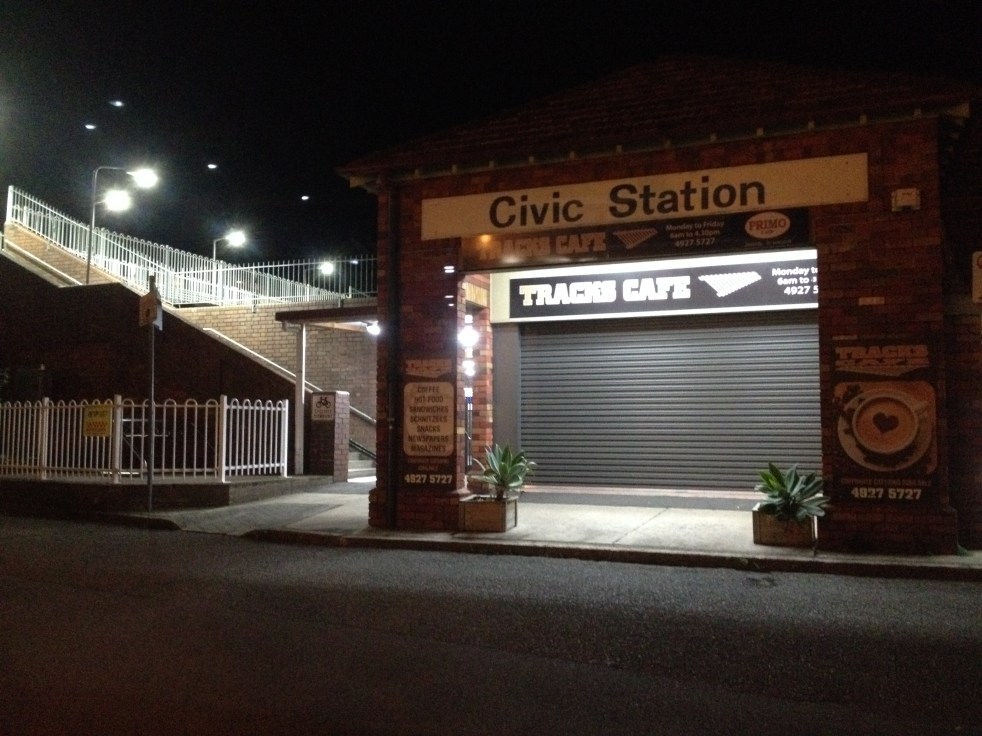
Civic Railway Station, revealing part of Newcastle modernism
Civic Railway Station, now closed, reveals some of the aesthetics of Newcastle modernism.
Share this:

Share this:
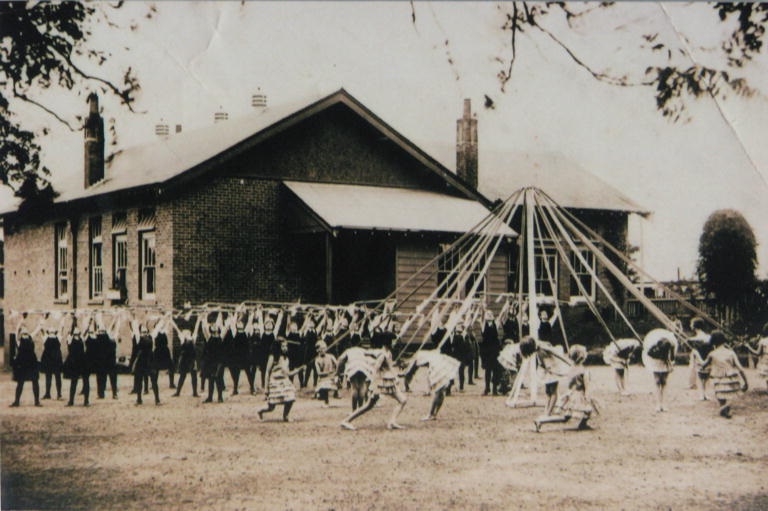
Memories of Cec Smith, bare feet and the adventures of flight in Camden
The memories of Cec Smith as a small boy in Camden vividly recall many events in the area. Flying pageants and parachuting practice at Macquarie Flying School along with other adventures were part of growing up in the area.
Share this:

Share this:
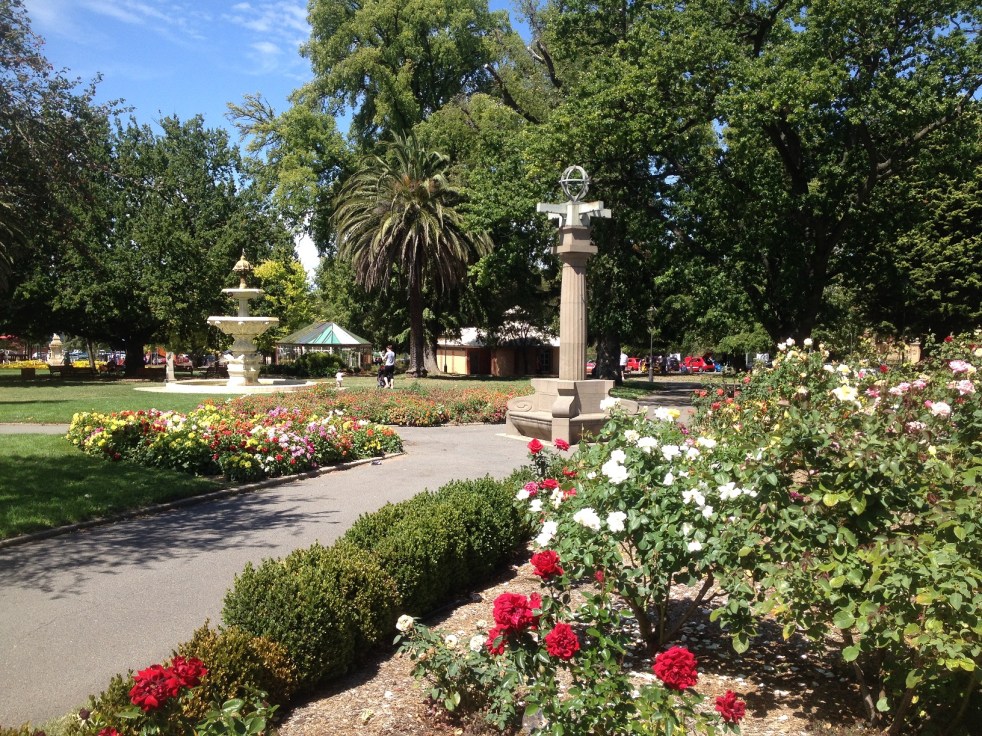
Goulburn’s Belmore Park, a space of memories and monuments
In central Goulburn is an urban park with formal paths and gardens that dates back Victorian times. The park has evolved to become a landscape of monuments and memorials.
Share this:

Share this:

Sydney’s Royal Botanic Gardens
The Royal Botanic Gardens in Sydney, Australia, cover 29 hectares of gardens and 51 hectares of surrounding parkland. Established in 1816, it is the oldest colonial botanic garden in Australia, attracting 4 million visitors annually. With historical significance dating back to 1788, the Gardens reflect changing landscape styles and serve as a popular public space.
Share this:

Share this:
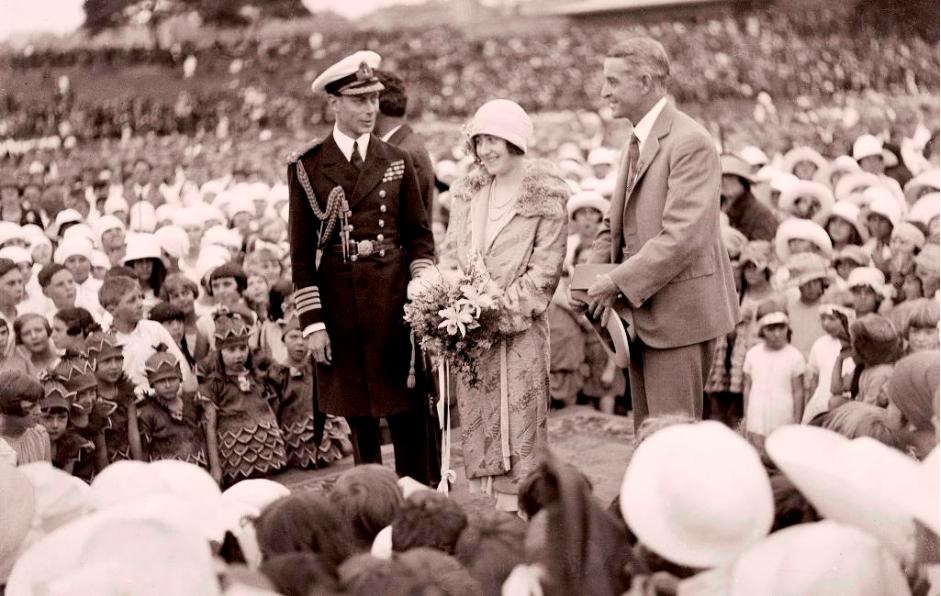
Menangle ‘Little England’ says Duchess of York
In 1927, the Duke and Duchess of York visited Menangle and Camden Park as part of their Australian royal tour. They were guests at the Camden Park house and enjoyed activities such as horse riding and attending the Camden Show. The visit received extensive coverage in newspapers across Australia, highlighting the English countryside-like environment.
Share this:

Share this:

Angels of Mercy, Red Cross volunteers
For the many during the First World the Red Cross became the soldier's guardian angel. The metaphor was expressed in poster, literature, the popular press and a host of other locations.

