1920s · 20th century · Aesthetics · Architecture · Ben Linden · Built heritag · Camden · Camden Cottage · Camden Story · Cultural Heritage · Edwardian · Heritage · History · House history · Housing · Housing styles · Interwar · Local Studies · Modernism · Narellan · Narellan Built Heritage · Placemaking · Residential Housing Style · Sense of place · Storytelling · Urban growth · Urban history · Urbanism

Ben Linden Narellan An Edwardian Gem

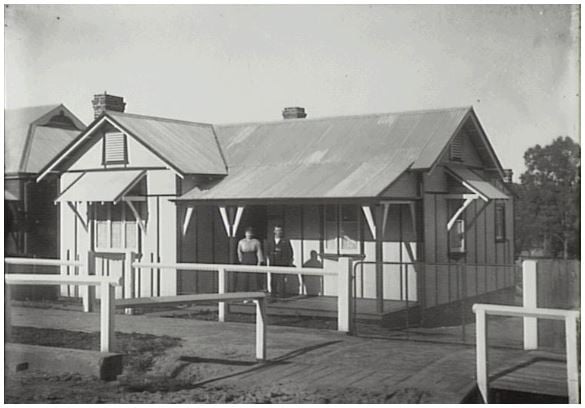
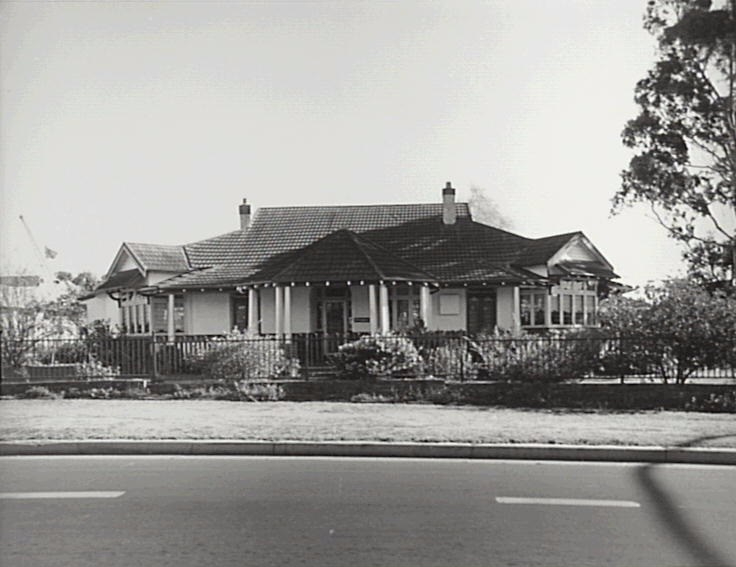
Ben Linden in Narellan is a notable Edwardian cottage representing early twentieth-century Australian architecture. The style emerged after the Federation of the Commonwealth of Australia in 1901, influenced by English Edwardian houses but tailored to suit local conditions. This housing style provides insight into the cultural heritage of Camden and the people who built and lived in these houses.

Agriculture · Attachment to place · Belonging · Camden · Churches · Colonialism · Community identity · Cowpastures · Cultural Heritage · Elderslie · Farming · Hawkesbury-Nepean river · Heritage · Horticulture · John Oxley · Landscape · Local History · Local Studies · Pioneers · Place making · Railway · Sense of place · Settler colonialism · Settler Society · St Mark's Church Elderslie · Storytelling · Sydney's rural-urban fringe · Urban development · Urban growth · Urban Planning · urban sprawl · Urbanism · Village

Elderslie, a suburb on Sydney’s fringe

A history of continuity and change Elderslie is a suburb of Camden, the traditional land of the Dharawal people.  It lies on the southern end of the Camden Municipality, 62 km southwest of Sydney, on the rural-urban fringe. Elderslie borders the Nepean River to the west, Narellan Creek to the north, Camden By-Pass to the… Continue reading Elderslie, a suburb on Sydney’s fringe

Attachment to place · Belonging · Business History · Camden · Camden Story · Campbelltown · Campbelltown Story · Community identity · Cultural Heritage · Cultural icon · Heritage · Historical consciousness · Local History · Local newspapers · Local Studies · Macarthur · Macarthur region · Myths · Narellan Story · Newspapers · Picton · Place · Place making · Placemaking · Sense of place · Stereotypes · Stories · Storytelling · Sydney's rural-urban fringe · Tourism · Urban development · Urban growth · Urban history · urban sprawl · Urbanism · Village

Westies, Bogans and Yobbos. What’s in a name?

The article explores regional identity in Sydney's Macarthur district, focusing on the communities of Campbelltown, Camden, and Picton. It discusses the strong local attachment to identity, which is challenged by perceptions of western Sydney as a cultural wasteland. Jeff McGill’s criticism of regional labeling sparked significant community response, revealing a conflict over identification and stereotypes. While Macarthur's regionalism reflects urban expansion, it struggles for acceptance amidst historical, cultural, and emotional ties that residents hold with their distinct localities.

Aesthetics · Agricultural heritage · Architecture · Attachment to place · Belonging · Camden · Camden Story · Collective Memory · Colonial Camden · Colonial frontier · Community identity · Cowpastures · Environment · Governor Macquarie · Heritage · Historical consciousness · History · Landscape · Landscape aesthetics · Local History · Local Studies · localism · Place making · Placemaking · Sense of place · Settler Society · Storytelling · Urbanism

Viewing the Cowpastures landscape

The early colonists of the Sydney area viewed the landscape from a number of different perspectives according to historian Grace Karskins in her book The Colony a History of Early Sydney (2009) and this also applied to the Cowpastures.

1968 Sydney Region Outline Plan · 1973 New Cities Campbelltown Camden Appin Structure Plan · Airds · Attachment to place · Belonging · Camden · Camden Story · Campbelltown · Elderslie · History · Hope and loss · Land releases · Landscape · Landscape aesthetics · Leppington · Local History · Local Studies · localism · Lost Sydney · Macarthur · Mount Annan · Mount Gilead · Narellan · Oran Park · Place making · Regionalism · rural-urban fringe · Ruralism · Sense of place · Storytelling · Sydney's rural-urban fringe · The Oaks · Town planning · Transition zone · Uncategorized · Urban development · Urban growth · Urban history · Urban Planning · urban sprawl · Urbanism

Sydney’s urban fringe: a transition zone of hope and loss

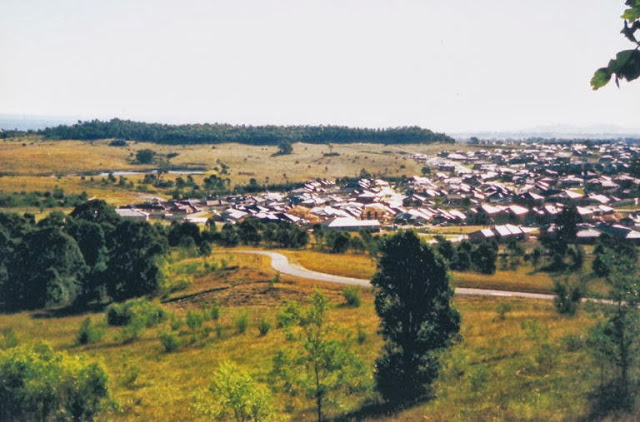
Sydney’s rural-urban fringe is a site of winners and losers. It is a landscape where dreams are fulfilled and memories are lost. The promises of land developers in master-planned suburban utopias meet the hope and expectations of newcomers.

1968 Sydney Region Outline Plan · 1973 New Cities Campbelltown Camden Appin Structure Plan · 20th century · Attachment to place · Camden · Campbelltown · Collective Memory · Country town · Cultural Heritage · Local History · Local Studies · Macarthur · Macarthur region · Memory · Peri-urban region · Place making · Placemaking · Regionalism · rural-urban fringe · Ruralism · Sense of place · Stereotypes · Storytelling · Sydney's rural-urban fringe · Urban development · Urban growth · Urban history · Urban Planning · Urbanism

Sydney’s urban sprawl invades the Macarthur region

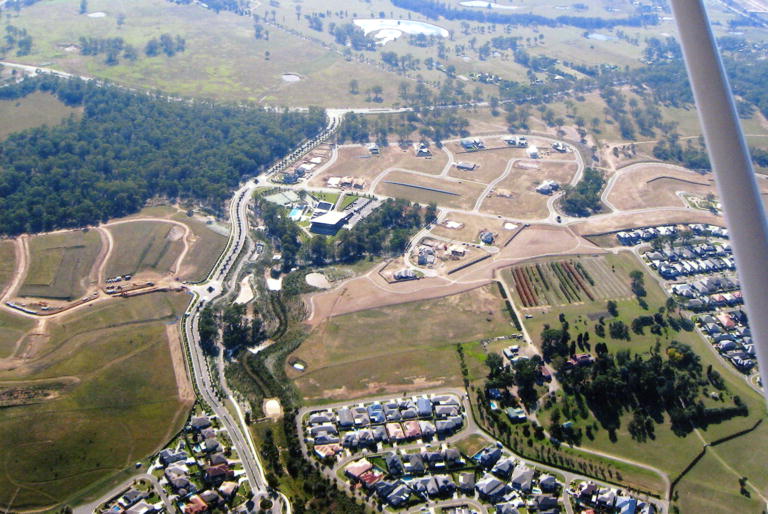
Urban sprawl has invaded the Macarthur region. It is re-run of the planning policies of the 1970s.

1920s · 20th century · Adaptive Re-use · Aesthetics · Architecture · Attachment to place · Built heritag · Camden · Camden Cottage · Camden Modern · Camden Modernism · Camden Story · Coal mining · Cultural Heritage · Cultural icon · Design · Elderslie · Heritage · History · History of a house · Holidays · House history · Housing · Housing styles · Interwar · Lifestyle · Living History · Local History · Local Studies · Macarthur · Memory · Mid-century modernism · Modernism · Place making · Placemaking · Sense of place · Storytelling · Streetscapes · Uncategorized · Urban development · Urban growth · Urban history · Urban Planning · Urbanism

The Camden Fibro Cottage and its connection to mid-century housing styles

The Camden fibro cottage symbolizes the mid-20th century's affordable housing solution, catering to the working class in a post-war Australia. Representing nostalgia and simplicity, these homes were practical yet modern. Although their popularity declined due to issues like poor insulation and asbestos risks, they remain a significant aspect of Camden's architectural heritage.