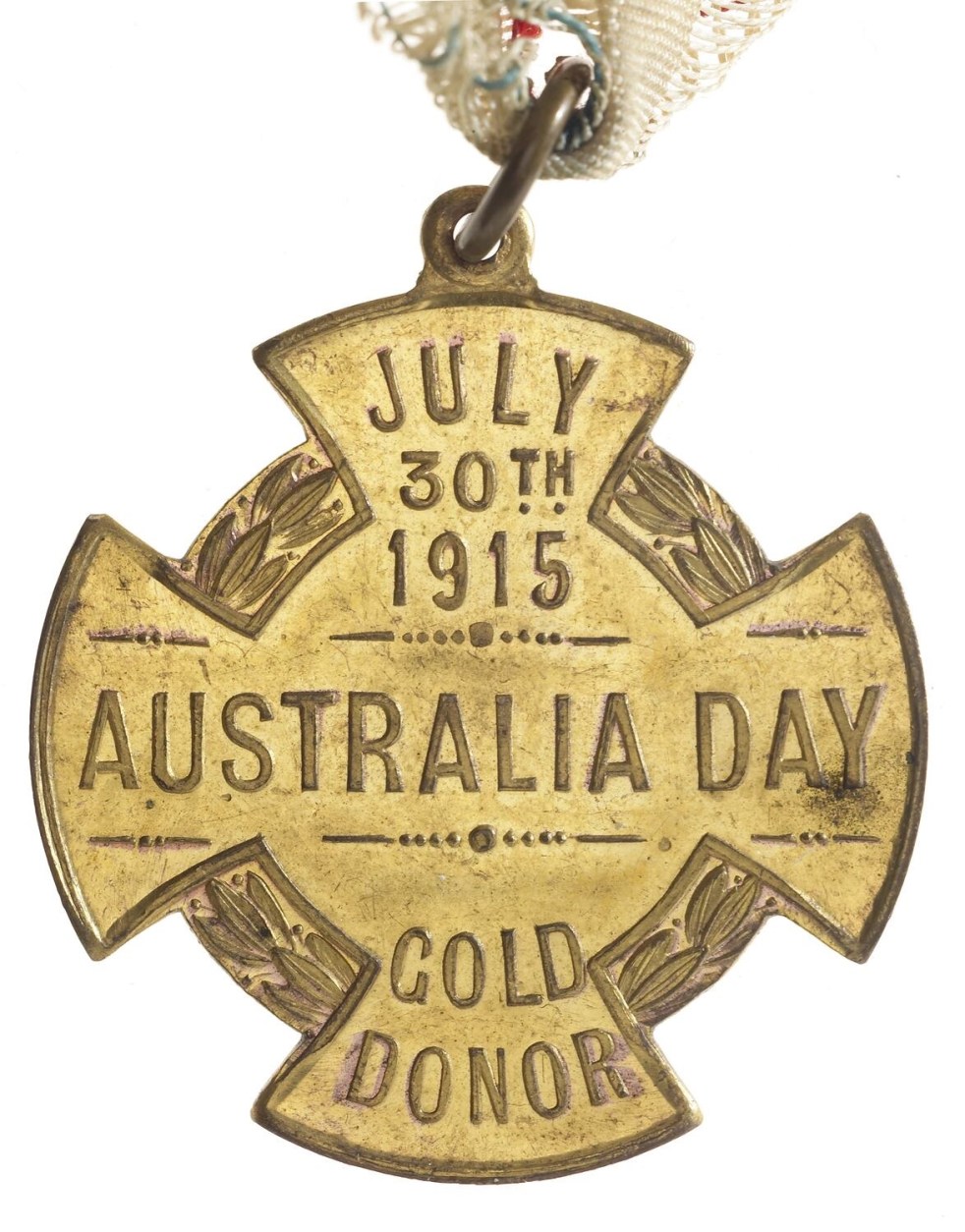
In mid-1915, the Camden Patriotic Fund took over fundraising for the first Australia Day appeal directing proceeds to the Red Cross for Australian wounded. The patriotic fund raised a substantial amount of money through various events. Meanwhile, on a national scale, the significance of the first Australia Day evolved from an idea initiated by Mrs. Elle Warton-Kirke of Manly NSW to an important Red Cross day. In Camden, the 1915 Australia Day activities were a significant wartime fundraiser, demonstrating the community's support for the war effort.
Category: Women’s stories

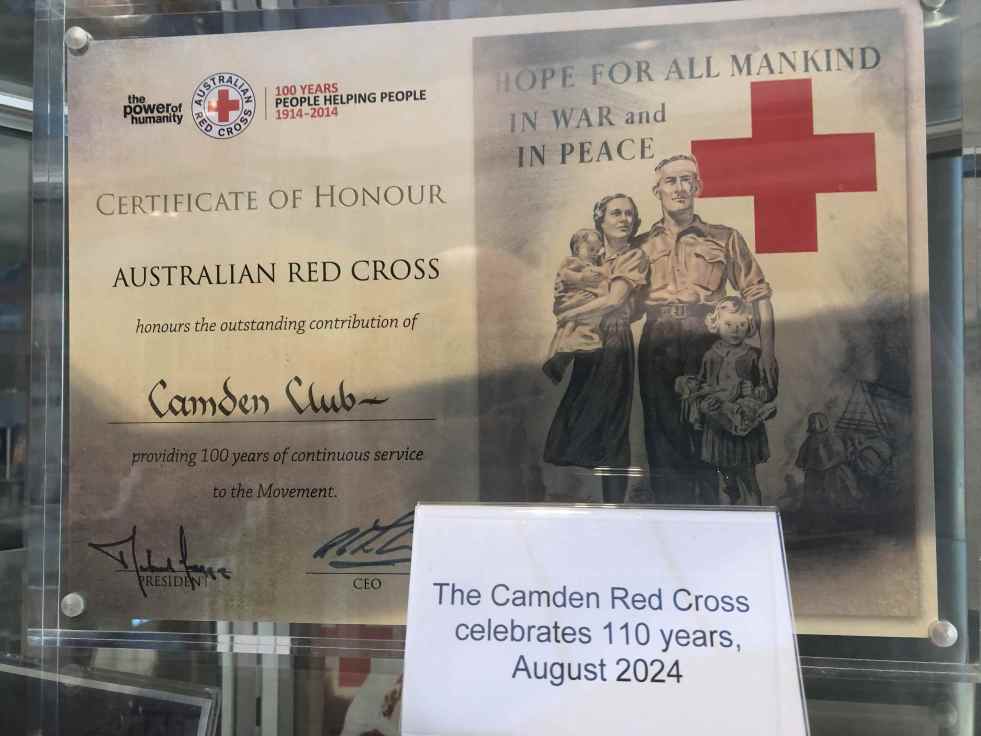
Camden Red Cross 110 Years Display: Objects and Ephemera Exhibition 2024
The Camden Red Cross exhibition at Camden Library in August 2024 showcased the historical contributions of local women to the Red Cross during World Wars I and II. Women from the Camden district played a pivotal role in supporting soldiers and shaping the narrative of the Australian Red Cross, creating over 20,300 articles in 40,000 volunteer hours during WWI.
Share this:

Share this:
Exploring Historical Themes: Pictorial History Camden & District Presentation Summary
This presentation examined the role of the historian and researcher and presented the importance of history and the role of a historian. Dr Ian Willis discussed the significance of historical consciousness and collective memory, emphasising the role of a historian as a researcher, analyst, interpreter, and storyteller. The presentation also highlighted "Pictorial History Camden & District," a book by Kingsclear Books, and covered aspects such as structure, select bibliography, index of names, and district maps. Additionally, various related sources and themes, such as the Whiteman and Macarthur families, were explored. The presentation concluded with suggestions for experiencing the past through community festivals, local studies, and living libraries.
Share this:

Share this:
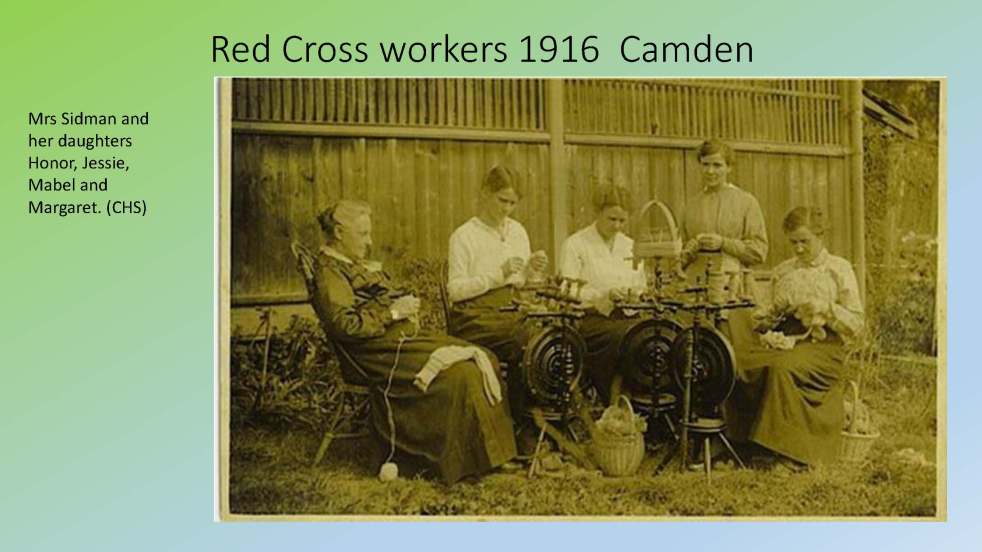
Ministering Angels, Myth and the Red Cross on the Australian Wartime Homefront
The paper presented at the 33rd Annual Conference of the Australian Historical Association at the University of Queensland in 2014 explored the role of Australian country women in supporting the Red Cross during the First World War. The paper focused on the Camden District Red Cross, emphasizing the conservative women’s empowerment in embracing the Red Cross, serving as ministering angels, and upholding patriotic values. Total words: 78
Share this:

Share this:
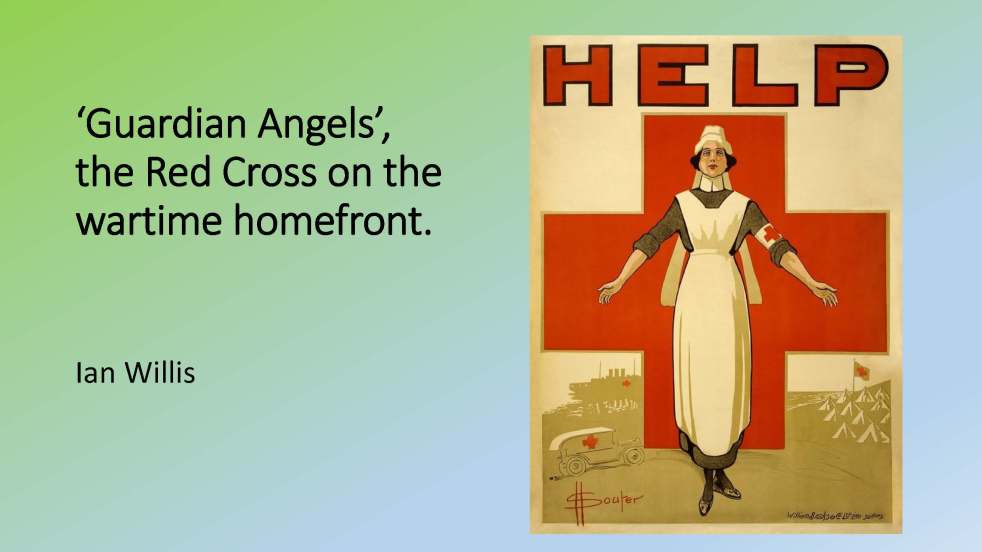
‘Guardian Angels’, the Red Cross on the wartime homefront
During the First World War, Australian women independently joined the Red Cross to support the war effort. The Red Cross provided a space for women to express agency and contribute to the war through practical activities and fundraising. The organization's local branches established a sense of community and played a significant role in the homefront war effort.
Share this:

Share this:

‘Angels Of Mercy’, The Red Cross On the Homefront During the First World War
During World War I, the Australian Red Cross mobilized women as 'Angels of Mercy' and 'ministering angels' to provide aid with strong moral overtone. The organization used motherhood imagery to rally support, portraying itself as the 'Greatest Mother in the World'. This approach effectively garnered community backing and positioned Red Cross workers as soldiers' guardian angels.
Share this:

Share this:
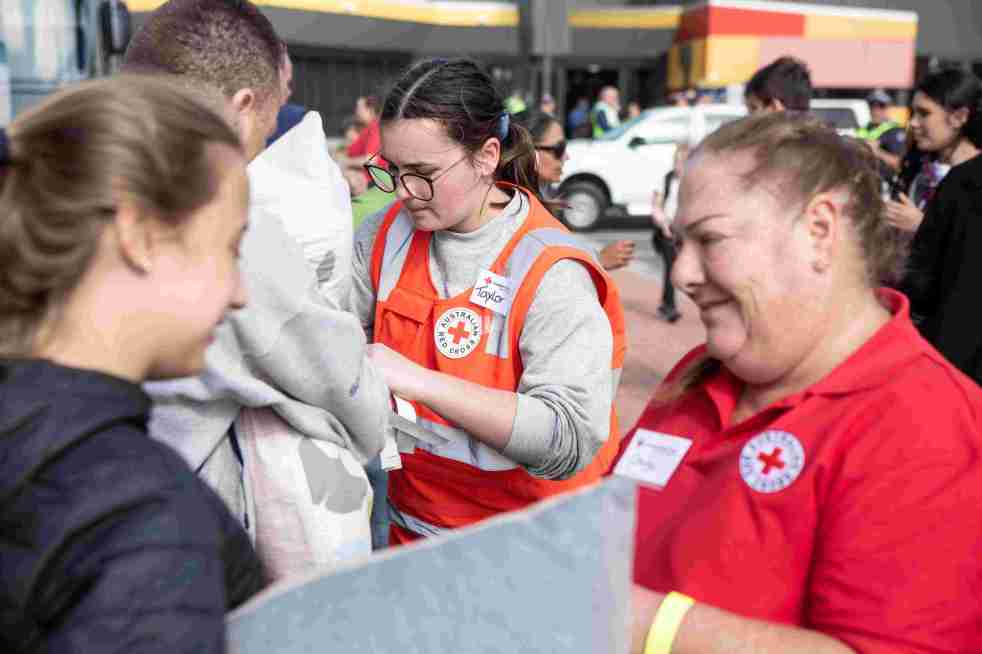
Red Cross humanitarianism and female volunteers in Australia
The Australian Red Cross has a long history of female volunteers providing aid to disaster victims. These women, often undervalued, found opportunities for social and political agency within the organization. Through fundraising and volunteering, they significantly contributed to the welfare of soldiers during the First and Second World Wars, yet their achievements have often been overlooked.
Share this:

Share this:
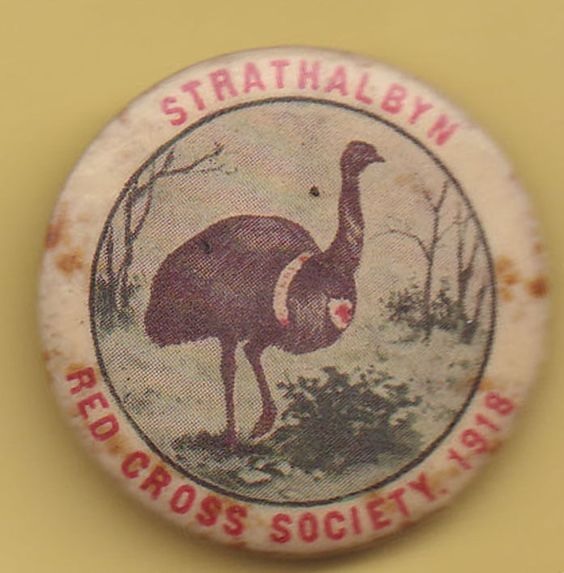
New South Wales Women and the Red Cross: A Noble Cause
During the First World War in Australia, the Red Cross organization saw enthusiastic support from New South Wales women, spurred on by Lady Helen Munro Ferguson and the state's elite. The movement mobilized thousands for war support, with both urban and rural branches contributing countless hours and funds to provide comfort and aid to soldiers.
Share this:

Share this:
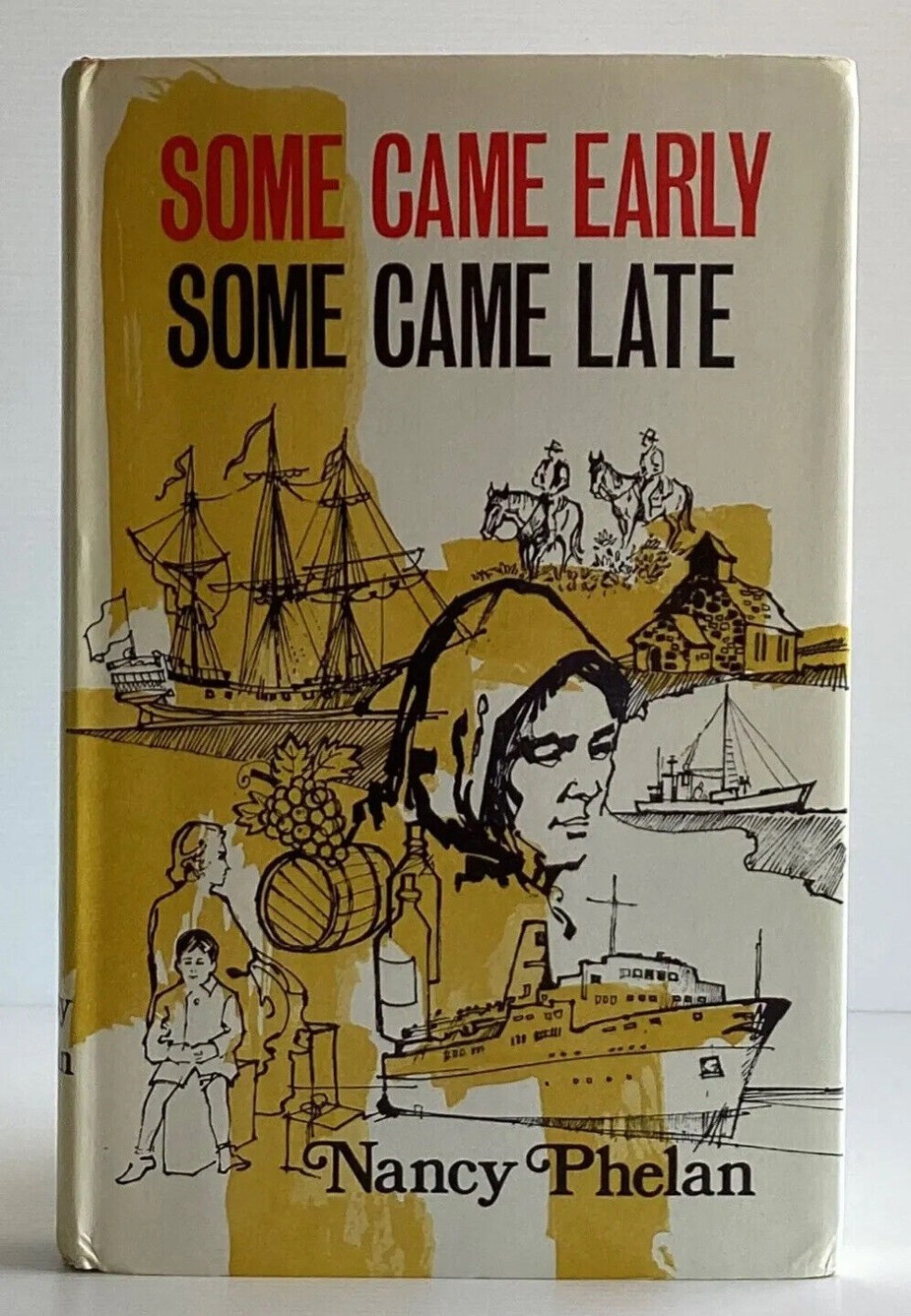
Nancy Phelan’s Reflections on the English Resemblance of Cobbitty, NSW
Australian writer Nancy Phelan's "Some Came Early Some Came Late" (1970) explores the historical significance of the Cobbitty region in New South Wales, focusing on the efforts of early colonial English immigrants to recreate a 'little England'. Phelan's unique perspective, influenced by her own experiences and observations, offers a fresh and captivating view of the region's history, accentuating the deep emotional ties and cultural significance.
Share this:

Share this:
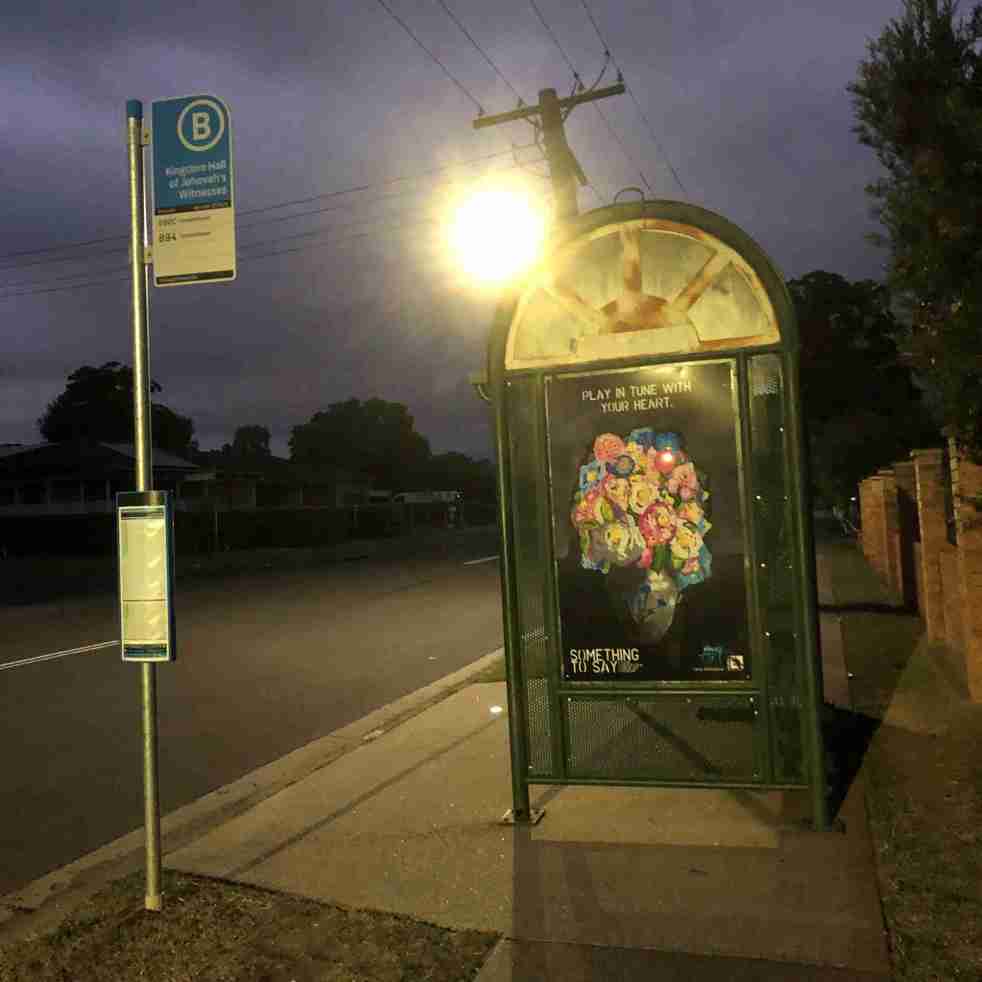
Public Art, Young Women Artists Have Something to Say
Young women artists from the Camden area have had their artworks on public display in a program called Something to Say. The art installations were located outside the Camden Council administration building at Oran Park NSW from late 2023 to early 2024..

