Adaptive Re-use · Aesthetics · Agricultural heritage · Agriculture · Architecture · Attachment to place · Australia · Australian Historic Themes · Camden Story · Colonial Camden · Colonial frontier · Colonialism · Community identity · Conservation · Convicts · Cultural Heritage · Cultural icon · Elizabeth Farm · Elizabeth Macarthur · England · Families · Family history · Gardening · Georgian · Heritage · Historical consciousness · Historical Research · Historical thinking · History · History of a house · House history · Landscape · Landscape aesthetics · Living History · Local History · Macarthur · Memory · Parramatta · Place making · Sense of place · Settler colonialism · Settler Society · Storytelling · Victorian · Women's history

Elizabeth Farm, the foundation story of the Macarthur rural empire

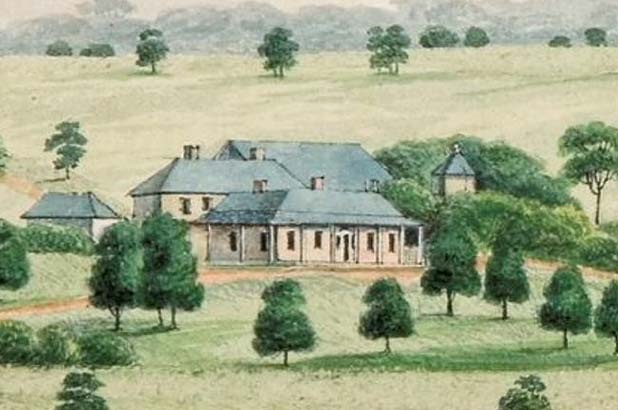
Elizabeth Farm was the home of John and Elizabeth Macarthur for over 35 years, playing a central role in Australia's wool industry. Following years of neglect, it was transformed into a house museum in 1984. With extensive gardens and historical significance, it stands as one of the oldest surviving constructions in Australia.

Aesthetics · Agriculture · Attachment to place · Australia · Belonging · British colonialism · Colonial Camden · Colonial frontier · Colonialism · Community identity · Convicts · Cowpastures · Cultural Heritage · Cultural icon · Curtilage · Economy · Elderslie · England · Farming · Frontier violence · Georgian · Gothic · Heritage · Historical consciousness · Historical Research · Historical thinking · History · Landscape · Landscape aesthetics · Local History · Local Studies · Macarthur · Narellan · Place making · Ruralism · Sense of place · Settler colonialism · Storytelling · Stuart Park Wollongong

John Hawdon of Elderslie in a settler society

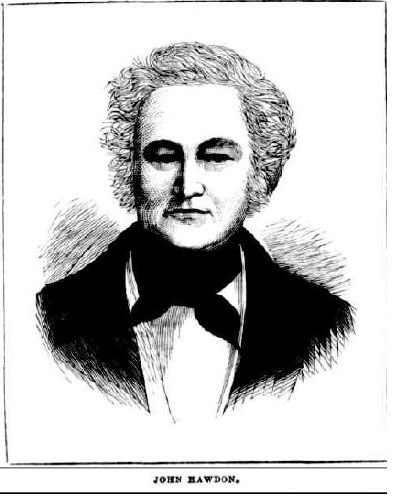
John Hawdon of Elderslie was part of the story of settler colonialism in New South Wales in the early 19th century.

20th century · Agricultural heritage · Agriculture · Agriculture history · Camden · Camden Story · Cawdor · Collective Memory · Cowpastures · Cultural Heritage · Farming · Floods · Harold Perkins Photographer · Historical Research · Historical source · Local History · Local Studies · Memory · Photographs · Photography · Placemaking · Storytelling

The Perkins family album of Cawdor

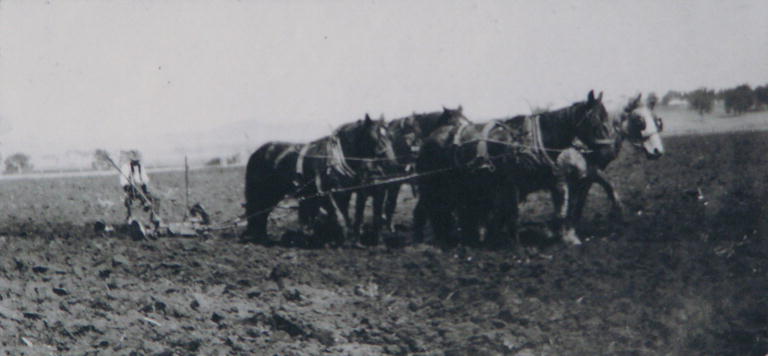
Photographs tell a story about the local area and represent a moment frozen in time. The Perkins family donated a family photograph album to the Camden Historical Society and it tells the story of the Cawdor area..

1930s · Agricultural heritage · Agriculture · Attachment to place · Australia · Belgenny Farm · British colonialism · Camden Festivals · Camden Park Estate · Camden Park House and Garden · Camden Story · Colonial Australia · Colonial Camden · Colonial frontier · Colonialism · Cowpastures · Cowpastures district · Cowpastures Estates · Cowpastures Gentry · Cowpastures Region · Cultural Heritage · Cultural icon · Dairying · Elizabeth Farm · England · Family history · Farming · Farming history · Governor Macquarie · History · Interwar · Johm Macarthur · Legends · Local History · Local Studies · Macarthur · Macarthur family · Memory · Monuments · Myths · Pioneers · Place making · Placemaking · Ruralism · Sense of place · Settler colonialism · Storytelling

John Macarthur, Father of Australia’s Wool Industry, fact or fiction

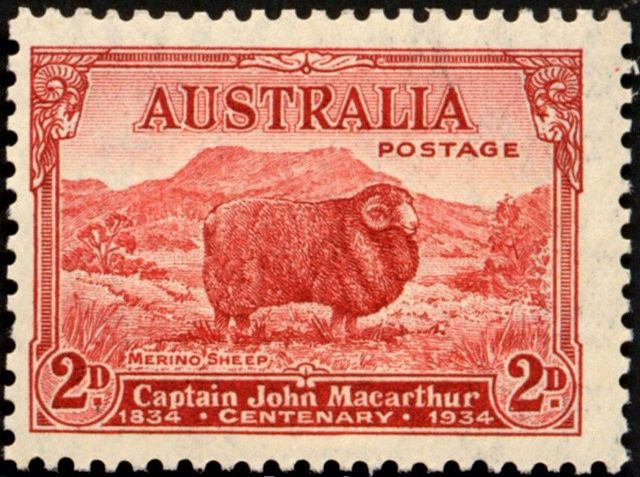
John Macarthur is credited with establishing fine wool as a key industry in New South Wales. During the interwar period, it was claimed that he was the father of the Australian wool industry. While significant, his contributions are part of a larger narrative involving many key figures in the industry. His legacy includes commemorative postage stamps, as well as his portrayal in literature and festivals celebrating wool production.