20th century · Aesthetics · Architecture · Built heritag · Camden Modern · Camden Modernism · Collective Memory · Community identity · Cultural Heritage · Domestic Architecture · Elderslie · Heritage · History · History of a house · Housing · Local History · Local Studies · Memory · Mid-century modernism · Modernism · Place making · Sense of place · Storytelling · Urban development · Urban growth · Urban Planning · Urbanism

Exploring Lost Camden, The Legacy of The Hennings House

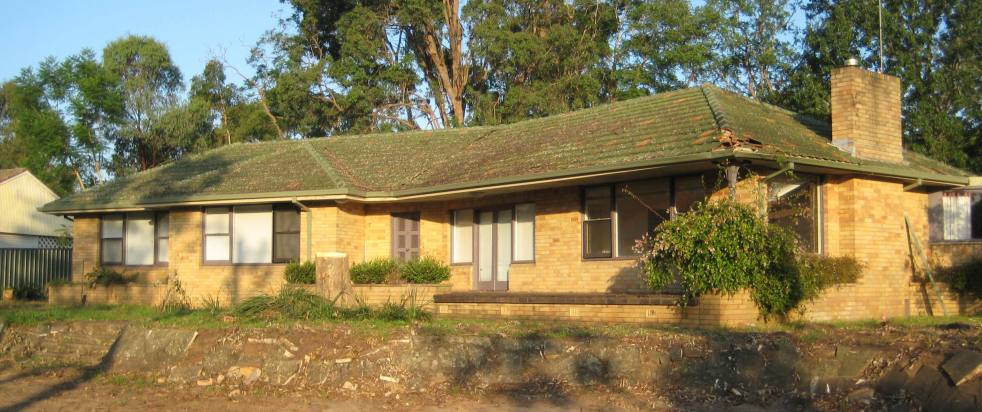
The Hennings House, a mid-century modern ranch-style residence built in 1960, was a prominent part of Elderslie's architectural landscape until its demolition in 2011 for a preschool. Known for its distinctive features and design, the house highlighted the cultural significance of post-World War II domestic architecture in Camden.

1920s · 19th Century · Adaptive Re-use · Aesthetics · Agency · Balls · Camden · Camden Story · Camelot · Cultural Heritage · Cultural icon · CWA · Design · Dress history · Emotion · Entertainment · Fashion · Fashion History · Heritage · Lifestyle · Local History · Local Studies · Macarthur family · Place making · Placemaking · Re-enactments · Sense of place · Stories · Storytelling · Women's agency · Women's history · Women's stories

Clarice Faithfull Anderson’s Historic Ball Gown

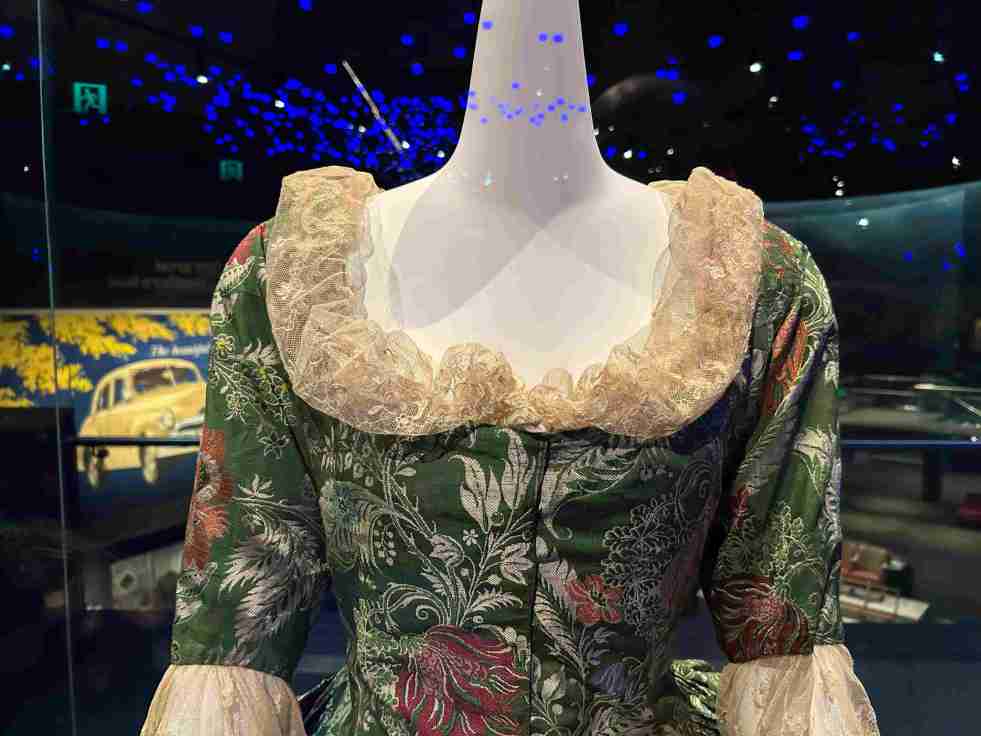
The 1929 CWA Blue & Gold Ball at Sydney's Ambassador Cabaret was a prestigious fundraising event attended by significant dignitaries, including the Governor General. The ball featured "living pictures" and showcased elaborate gowns, including Clarice Faithfull Anderson's historic dress from the 18th century, which later became a treasured family heirloom and is now part of the textile collection of the National Museum of Australia.

Aesthetics · Agency · Attachment to place · Biography · British colonialism · Camden · Camden Story · Colonial Australia · Colonial Camden · Colonial frontier · Colonial NSW · Colonial Settler Community · Colonialism · Community identity · Cowpastures district · Cultural Heritage · England · Entertainment · Families · Family history · Farming · Farming history · Fashion · Genealogy · Heritage · Historical consciousness · Historical source · History · Leisure · Local History · Memory · Parramatta · Philanthropy · Pioneers · Place making · Ruralism · Sense of place · Settler colonialism · The Cowpastures · Victorian · Volunteering · Women's diaries · Women's history · Women's stories · Women's Writing

Exploring Caroline’s Diary: A Women’s Perspective on Colonial Australia

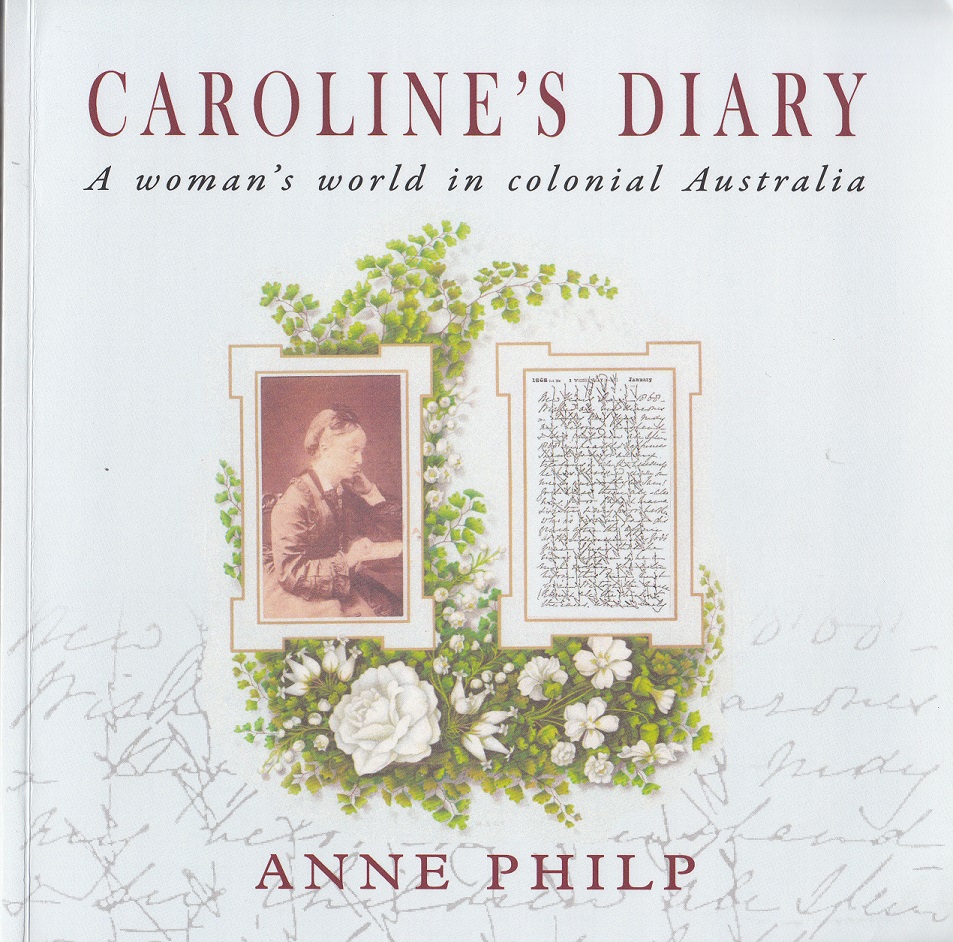
Anne Philp's "Caroline’s Diary" narrates the life of Caroline Husband, an Englishwoman who migrated to colonial Australia in the mid-19th century. Through her personal diaries, readers explore her adventures, social life, and experiences from England to New South Wales, providing insights into women's roles and societal dynamics during this period.

19th Century · Aesthetics · Art · Artists · Artworks · Camden Story · Community Health · Disease · Health and Medical History · Health History · History · Hope and loss · Medical history · Medical Humanities · Paintings · Public art · Scarlet fever · Sense of place · Social History · Storytelling · The Arts · Trauma

The Role of Scarlet Fever in Literature and Film

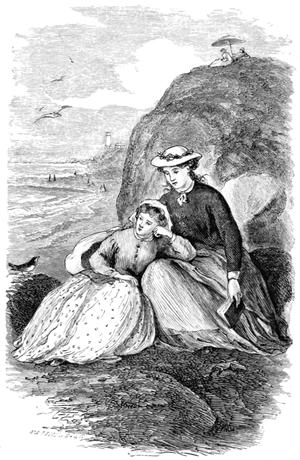
Scarlet fever, the disease, historically depicted in literature and film, caused widespread fear and hardship, significantly impacting dairy farming communities. Numerous works illustrate its societal ramifications and personal tragedies. Notable figures who contracted scarlet fever included Thomas Edison and members of the Darwin family. Scarlet fever emerged in Camden in the late 1890s, prompting the establishment of a cottage hospital due to its severe impact on dairy farmers.

20th century · Aesthetics · Art · Artworks · Belonging · Community · Community celebrations · Community Engagement · Community identity · Cricket · Cultural and Heritage Tourism · Cultural Heritage · Cultural icon · Design · Festivals · Football · GLAM Sector · Heritage · Lifestyle · Living History · Lost Sydney · Melbourne · Modernism · Music history · Nationalism · Paintings · Place · Place making · Placemaking · Sense of place · Social History · Sporting History · Storytelling · Sydney · Sydney Harbour Bridge · Symbolism · Theatre · Tourism · Travel · Uncategorized · Urban history · Urbanism

Sydney’s Cultural Identity: A City of Contradictions

Sydney presents a striking contrast between its stunning harbour and perceived lack of cultural depth. Critics argue the city is a "cultural wasteland," with isolated artistic venues and a fragmented entertainment scene, unlike the vibrant precincts found in Melbourne, London and New York. Sydney's cultural identity partly emerges from its diverse tribes and subcultures that are found in the depths of the suburbs.

1920s · Adaptive Re-use · Aesthetics · Architecture · Attachment to place · Belonging · Business · Camden · Camden Museum · Camden Park House and Garden · Colonial Camden · Communications · Community identity · Cowpastures · Cultural Heritage · Cultural icon · Economy · Entertainment · Family history · Fashion · Festivals · Genealogy · Heritage · Historical consciousness · Historical Research · Historical thinking · History · History of a house · History theory and practice · House history · Job creation · Lifestyle · Living History · Local History · Local Studies · Macarthur · Media · Menangle · Military history · Modernism · NSW History K-10 Syllabus · Place making · Ruralism · Sense of place · Settler colonialism · Stereotypes · Storytelling · Streetscapes · Sydney's rural-urban fringe · Tourism · Travel · Urban growth · Urban Planning · urban sprawl · Volunteering · Volunteerism · Women's history

Understanding the Camden Story: History, Community, and Identity

The Camden story encapsulates the rich tapestry of tales and histories that define the Camden community, including dreamtime legends and settler accounts. It offers insight into the community's values, identity, and resilience, serving as both a historical narrative and a tool for local businesses, fostering deeper connections among residents.

1930s · Aesthetics · Agricultural heritage · Agriculture history · British Heritage · Camden Park Estate · Camden Park House and Garden · Camden Story · Canberra · Colonial garden · Commemoration · Cowpastures Gentry · Elizabeth Farm · Elizabeth Macarthur · Garden history · Gardening · Gender · Heritage · History · History of wool industry · Johm Macarthur · Landscape aesthetics · Living History · Macarthur family · Memorial · Memorialisation · Memorials · Memory · Nationalism · Philanthropy · Roses · Sibella Macarthur Onslow · Social History · Uncategorized · Volunteering · Volunteerism · Women's history · Women's stories

Canberra’s Macarthur Garden: a tribute to Australia’s wool pioneers and their contribution to the foundation of the nation

The Macarthur Rose Garden in Canberra commemorates John and Elizabeth Macarthur's pivotal role in Australia's fine wool industry. Donated by their great-granddaughter, Sibella Macarthur Onslow, the garden features roses symbolizing hope and gratitude. Established from 1937-1938, it reflects the connection between the Macarthurs and Australia’s early nationalism.

Aesthetics · Art · Artists · Artworks · Belonging · Camden Council · Camden Story · Community identity · Cultural and Heritage Tourism · Design · Heritage · Landscape · Lifestyle · Local Studies · Oran Park · Oran Park Leisure Centre · Oran Park Library · Place · Place making · Placemaking · Public art · Sculpture · Sense of place · Stories · Storytelling · Uncategorized · Urbanism

Exploring Greg Johns’s public art installation outside the Oran Park Leisure Centre

At the front of the Oran Park Leisure Centre is Greg Johns' art installation, Vortex Mandala, which was inaugurated on 21 October 2024. This public artwork reflects swirling patterns symbolizing energy flow and consciousness. Johns, influenced by the Adelaide Hills, aims to create significant public sculptures that engage viewers and enhance the local environment.

Aesthetics · Architecture · Attachment to place · Australian History · Built heritag · Built Heritage · Camden Built Heritage · Camden Modernism · Camden Story · Community identity · Country town · Cultural Heritage · Domestic Architecture · Elderslie · Heritage · History of a building · History of a house · Hope and loss · House history · Housing · Housing styles · Landscape · Landscape aesthetics · Living History · Lost Camden · Mid-century modernism · Modernism · Narellan · Nostalgia · Place making · Placemaking · Small town · Stories · Storytelling · Uncategorized · Urban development · Urban growth · Urban history · Urban Planning · Urbanism

A Journey Through Camden’s Mid-Century Housing Architecture

Camden's mid-century housing, developed between the 1940s and 1970s, reflects a worldwide modernism movement. Characterized by simple lines and open spaces, these homes arose amid urban growth linked to the new jobs created by the Burragorang coalfields. Unfortunately, many of these historic structures are disappearing, necessitating greater recognition and appreciation of their significance.

19th Century · 20th century · Aesthetics · Art · Artists · Artworks · Attachment to place · Burragorang Valley · Business History · Camden District · Commemoration · Cultural Heritage · Engineering Heritage · Engineering History · Local History · Local Studies · Memorials · Memory · Mining · Mining History · Monuments · Oran Park · Oran Park Raceway · Place making · Placemaking · Public art · Sense of place · Stories · Storytelling · Teamsters · Town planning · Transport · transport history · Uncategorized · Urban development · Urban growth · Urban history · Urban Planning · urban sprawl · Urbanism

Exploring the ‘Infinity Tracks’ Art Installation in Oran Park

The 'Infinity Tracks' art installation in Oran Park honors the region's heavy haulage industry, highlighting the historical impact of the transport industry and Oran Park Town urban development. Commissioned in 2020 by Greenfields Development Co and TRN House, it enhances the forecourt's aesthetic while reflecting the area's economic growth and employment contributions from the haulage sector and urban development.