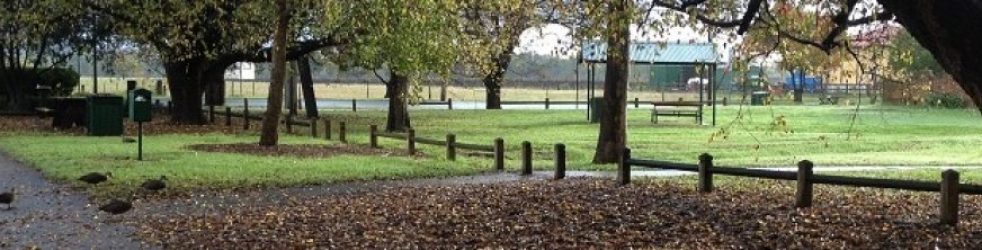

The Camden Show, established in 1886, is an annual community festival celebrating agriculture, local talent, and heritage in the Macarthur region. Attracting over 48,000 visitors, it features livestock exhibitions, competitions, and entertainment. The event fosters community spirit, showcasing historical traditions and engaging volunteers dedicated to promoting agriculture and youth involvement.
Category: Agriculture history

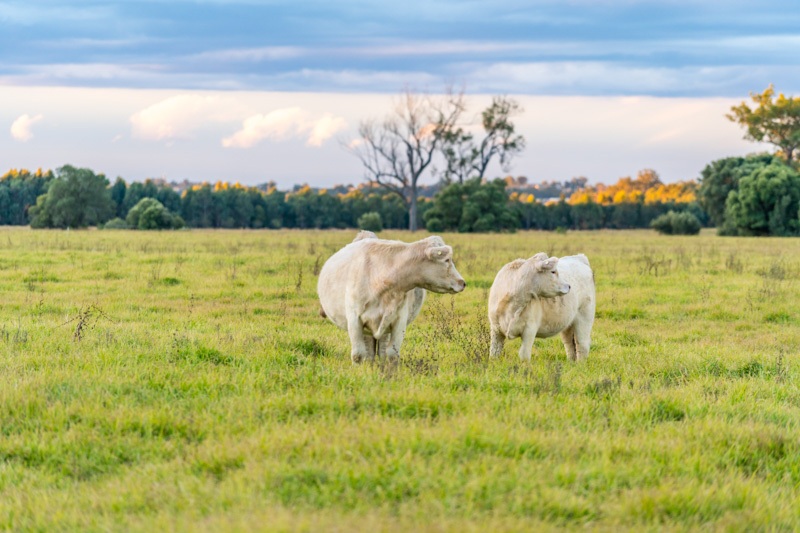
Camden Park Agricultural Research Station: A 1985 Landscape Report Overview
In 1985, the NSW Government released a landscape report on Camden Park Agricultural Research Station, highlighting its cultural significance amid urban encroachment. It described a complex cultural landscape, emphasising conservation needs. The site, now the Elizabeth Macarthur Agricultural Institute, is vital to agriculture and biosecurity, preserving the region's historical and cultural integrity.
Share this:

Share this:
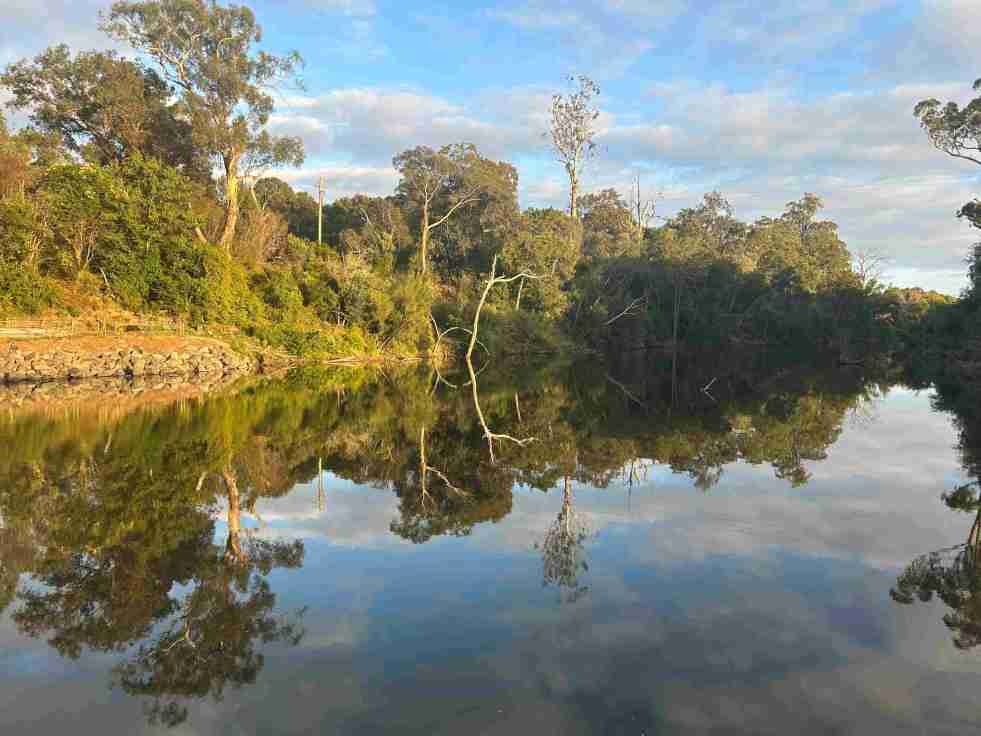
Discover Camden’s Agricultural Heritage and Legacy
Camden, New South Wales, is recognized as the birthplace of Australian agriculture, boasting significant historical and contemporary agricultural sites. Despite rapid growth and new residents' limited awareness of its agricultural legacy, Camden remains a vital hub for agricultural research and education, blending rural lifestyle with community connections and open spaces.
Share this:

Share this:

Insights from the Hawdon Letters: Colonial Life in NSW, Part 3, 1833-1837
The letters of John Hawdon and others from 1828 to 1837, preserved in the State Library of NSW, provide insights into colonial life in New South Wales. They highlight themes of isolation, communication challenges, economic struggles, and attitudes toward gender and Indigenous populations, alongside Hawdon's farming experiences and family connections.
Share this:

Share this:
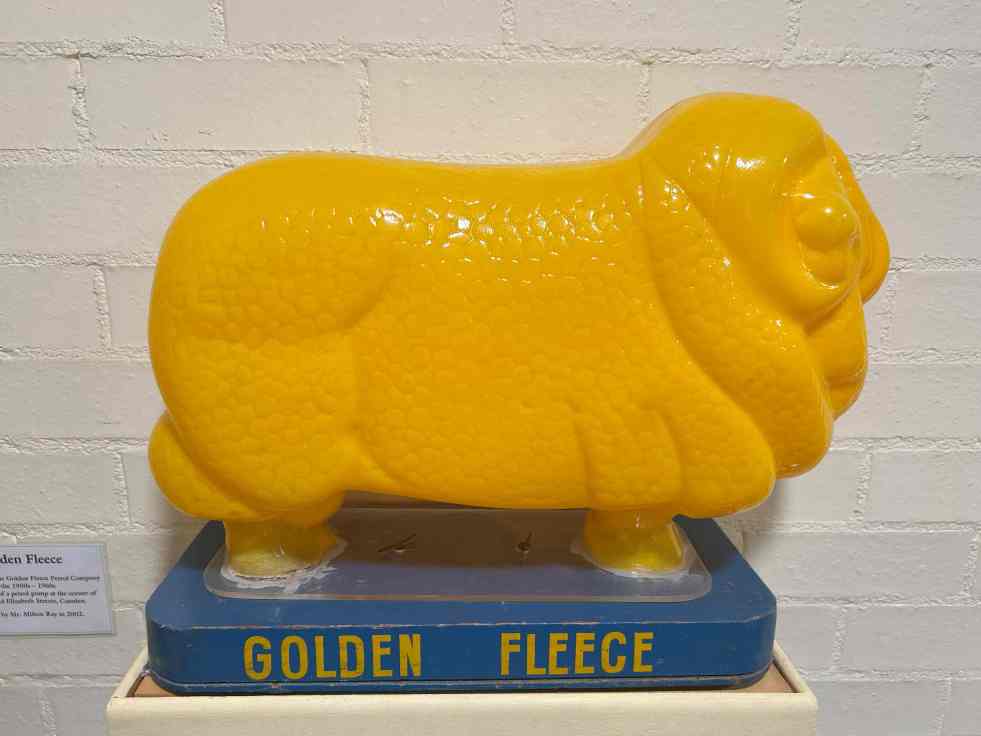
Discover the Golden Fleece Globe Light at Camden Museum
The Camden Museum showcases the Golden Fleece Globe Light, a plastic ram, symbolizing Australia's wool industry and its historical significance. Donated by Milton Ray in 2002, it highlights the Golden Fleece brand's marketing legacy. The ram, based on a prized merino, represents both local history and broader national heritage.
Share this:

Share this:
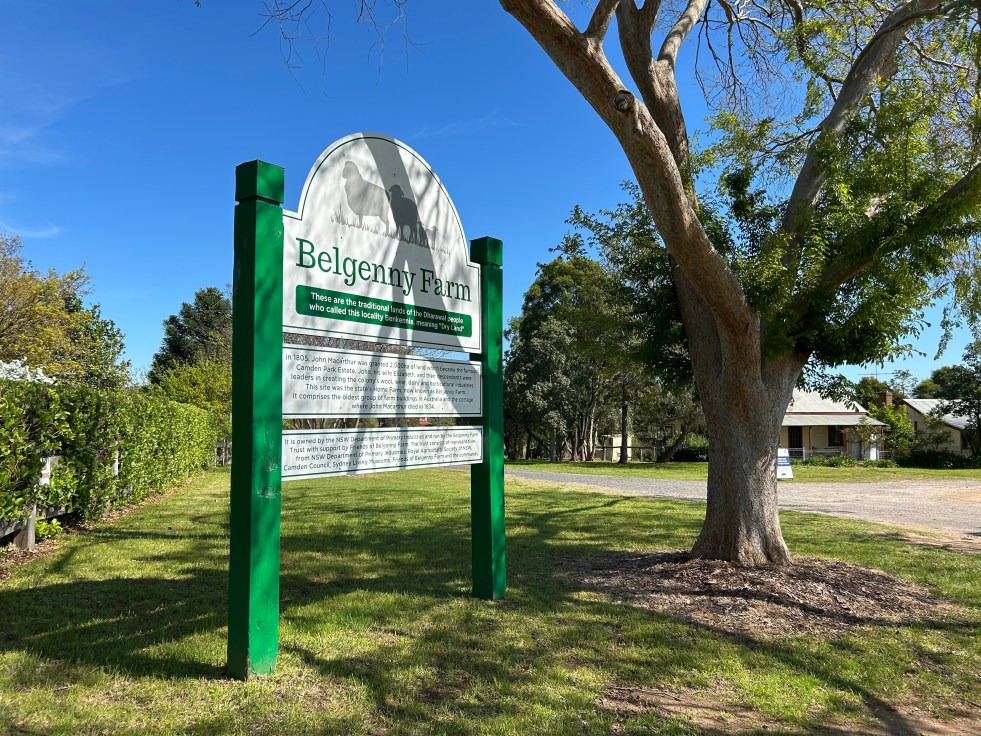
Exploring Belgenny Farm: Australia’s Oldest Farm Complex
Belgenny Farm, located in Camden, NSW, is Australia’s oldest surviving group of farm buildings, dating back to the 1820s. This historical site includes significant structures like stables, a coach house, and a community hall. It holds cultural importance through its association with the Macarthur family and continues to serve educational purposes.
Share this:

Share this:
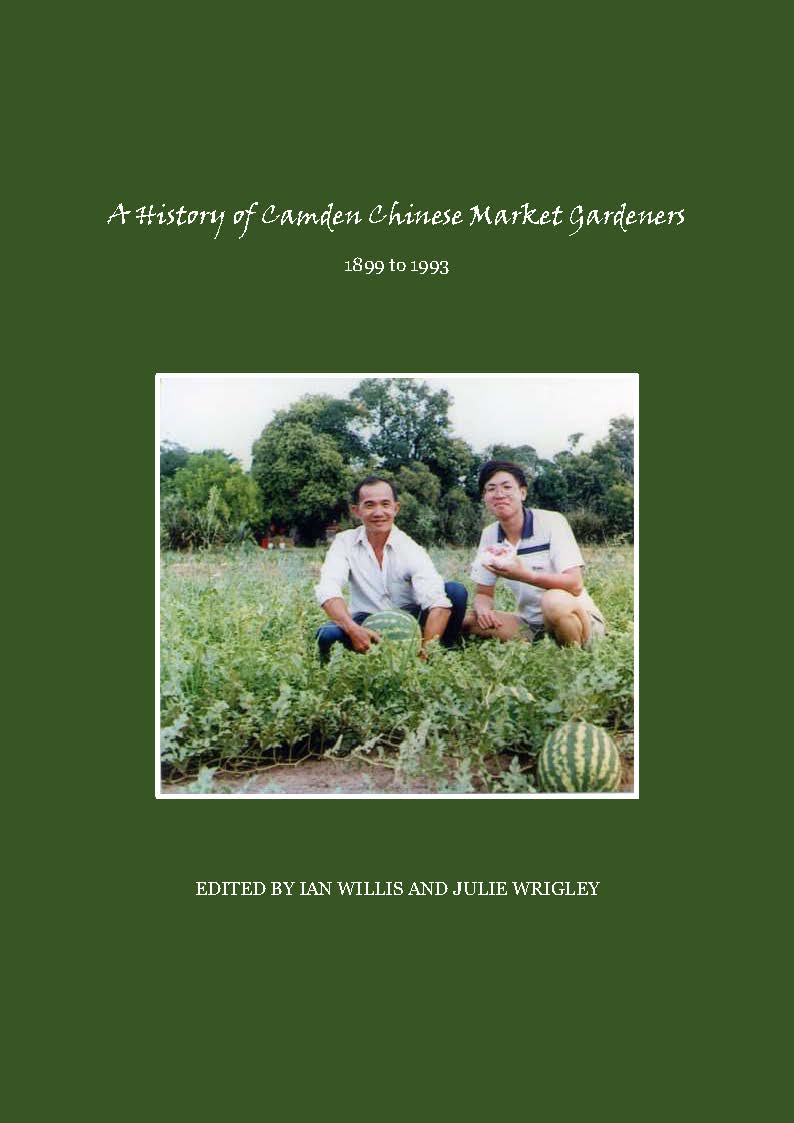
Community Recognition Morning Tea for Camden Recipients at NSW Parliament
The NSW Parliament allows Members to submit Community Recognition Statements acknowledging community achievements, charity work, and other contributions since 2017. On May 28, 2025, Mrs. Sally Quinnell MP hosted a morning tea to honor Camden recipients, including Dr. Ian Willis, joint-author of 'A History of Camden Chinese Market Gardeners 1899-1993' published by the Camden Historical Society.
Share this:

Share this:
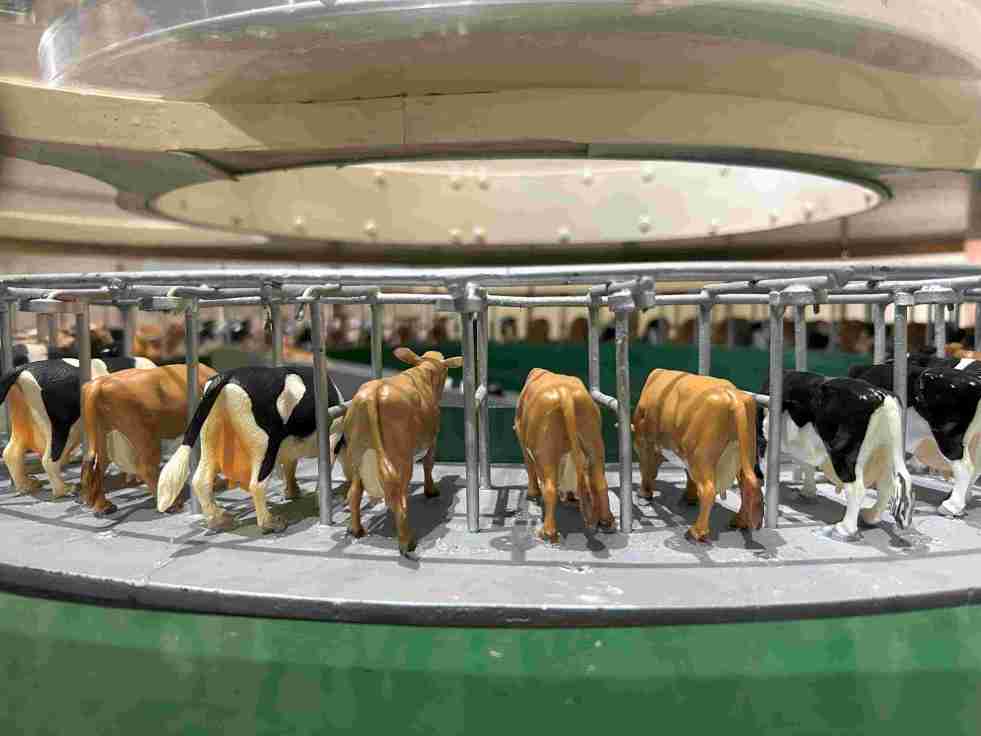
Explore History with Friends of Belgenny Farm Events
On a cloudy day in late May 2025, the Friends of Belgenny Farm held an open day attracting over 285 visitors interested in early Australian history. The event featured various stalls, historical displays, and guided tours of the historic site, which holds national significance and showcases Australia's earliest colonial farm buildings.
Share this:

Share this:
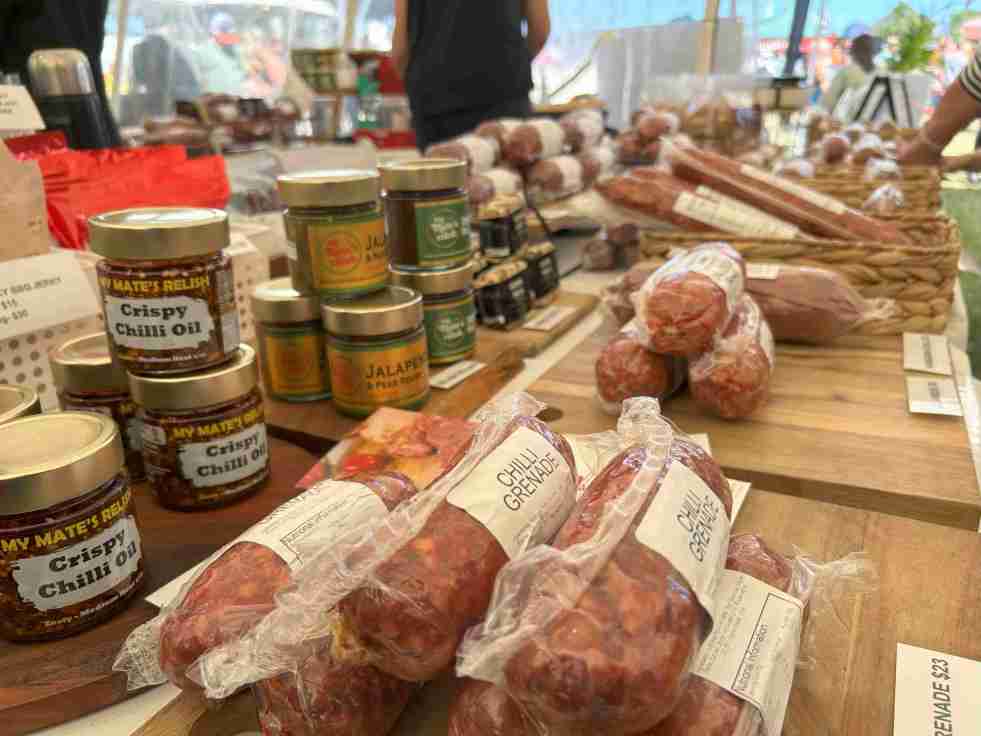
2025 Camden Show: A Photographic Journey
The photographic essay captures the vibrant atmosphere of the 2025 Camden Show, showcasing various activities, displays, and exhibitions. Highlights include the Woolworths produce pavilion, enthusiastic attendance from parents at performances, and contributions from local services like the Rural Fire Service, NSW Fire Brigade, and police, enriching the community experience.
Share this:

Share this:
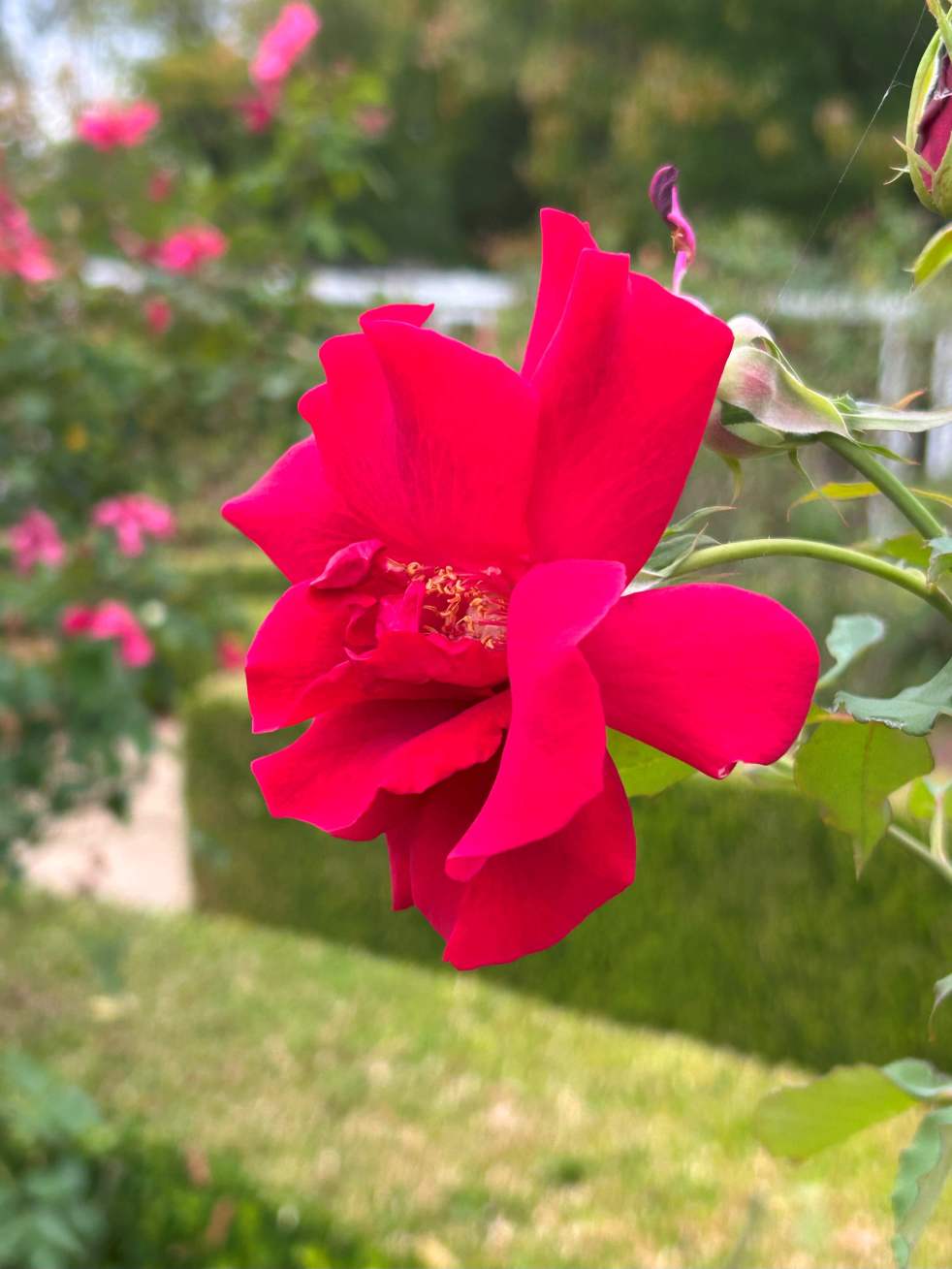
Canberra’s Macarthur Garden: a tribute to Australia’s wool pioneers and their contribution to the foundation of the nation
The Macarthur Rose Garden in Canberra commemorates John and Elizabeth Macarthur's pivotal role in Australia's fine wool industry. Donated by their great-granddaughter, Sibella Macarthur Onslow, the garden features roses symbolizing hope and gratitude. Established from 1937-1938, it reflects the connection between the Macarthurs and Australia’s early nationalism.

