20th century · Architecture · Argyle Street · Built heritag · Business History · Camden Story · Camden Town Centre · Colonial Camden · Cultural Heritage · Cultural icon · Heritage · History · Hotel History · Hume Highway · Lifestyle · Local History · Place making · Sense of place

The Plough and Harrow Hotel: an early colonial Camden inn

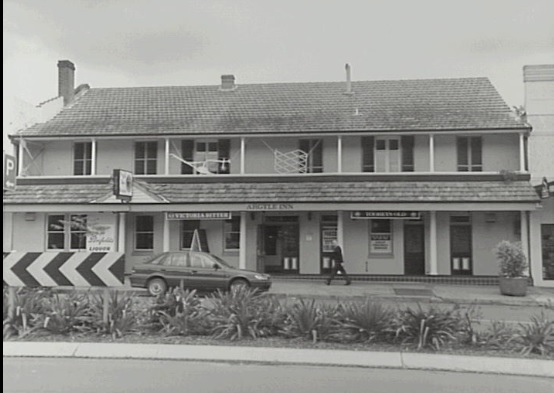
The Plough and Harrow Hotel is the second oldest pub in the Camden town centre and was built in the early 1850s. The hotel is still on its original site located on the former Great South Road, later the Hume Highway, now relocated.

1920s · 1930s · Architecture · Attachment to place · Built heritag · Business History · Collective Memory · Community Health · Cultural Heritage · Design · Edwardian · Film · Foresters Hall (former) · Heritage · History · Interwar · Leisure · Living History · Local History · Local Studies · Memory · Modernism · Movies · Narellan Military Camp · Placemaking · Second World War

The former Foresters’ Hall, a marvellous Edwardian building

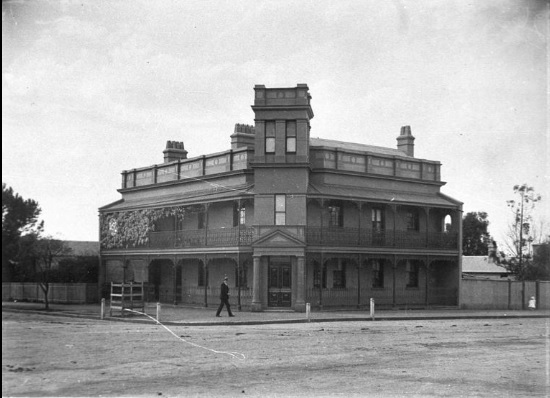
In Camden NSW the former Foresters’ Hall occupies one of the most prominent sites in the Town Centre on Oxley Street and Argyle Street at 147 Argyle Street. On its opening in 1908, the hall was considered the best in New South Wales by the Order of Royal Foresters.

1920s · 1930s · 1932 · 20th century · Adaptive Re-use · Aesthetics · Architecture · Argyle Street · Attachment to place · Belonging · Built heritag · Business History · Camden Story · Camden Town Centre · Collective Memory · Colonial Camden · Community identity · Cultural Heritage · Cultural icon · Design · Economy · Governor Macquarie · Historical consciousness · History · Interwar · Local History · Local Studies · localism · Macarthur region · Mid-century modernism · Modernism · Place making · Placemaking · Sense of place · Storytelling · Streetscapes · Town planning · Uncategorized · Urban growth · Urban history · Urbanism

 The former Bank of New South Wales building in the country town of Camden

In central Camden is an empty bank building of understated significance at the intersection of John and Argyle Streets. This building was the premises of Westpac, formerly the Bank of New South Wales, and was the second banking chamber on that site. Constructed in the 1930s by a prominent firm of local builders and designed by one of Sydney’s top award-winning architects. It is a building of much architectural merit, and few know its history. 

Advertising · Agricultural heritage · Agriculture · Agriculture history · Business · Business History · Camden · Camden Story · Community identity · Country town · Cultural Heritage · Cultural plantings · Economy · Family history · Fergusons Australian Nurseries · Gardening · Heritage · History · Horticulture · Landscape · Local History · Local Studies · localism · Nursery · Place making · Placemaking · Plant Nursery · Retailing · Sense of place · Storytelling · Street Trees · Sydney's rural-urban fringe · Technology · Trees · Uncategorized · Urban development · Urban growth · Urban history · Urban Planning · urban sprawl · Urbanism

Ferguson’s Nursery, the post-war years

During the post-war years, Ferguson's Nurseries continued to be located on Sydney’s urban fringe as the metropolitan area expanded into the rural surrounds.

1920s · Agricultural heritage · Agriculture · Agriculture history · Attachment to place · Belonging · Business · Business History · Camden · Camden Story · Cultural Heritage · Cultural plantings · Economy · Family history · Fergusons Australian Nurseries · Gardening · Heritage · History · Horticulture · Local History · Local Studies · Nepean River · Nursery · Place making · Placemaking · Plant Nursery · Retailing · rural-urban fringe · Sense of place · Storytelling · Sydney · Sydney's rural-urban fringe · The Great South Road · Uncategorized · Urban growth · Urban history · Urban Planning · urban sprawl · Urbanism

Ferguson’s Australian Nurseries on the urban fringe

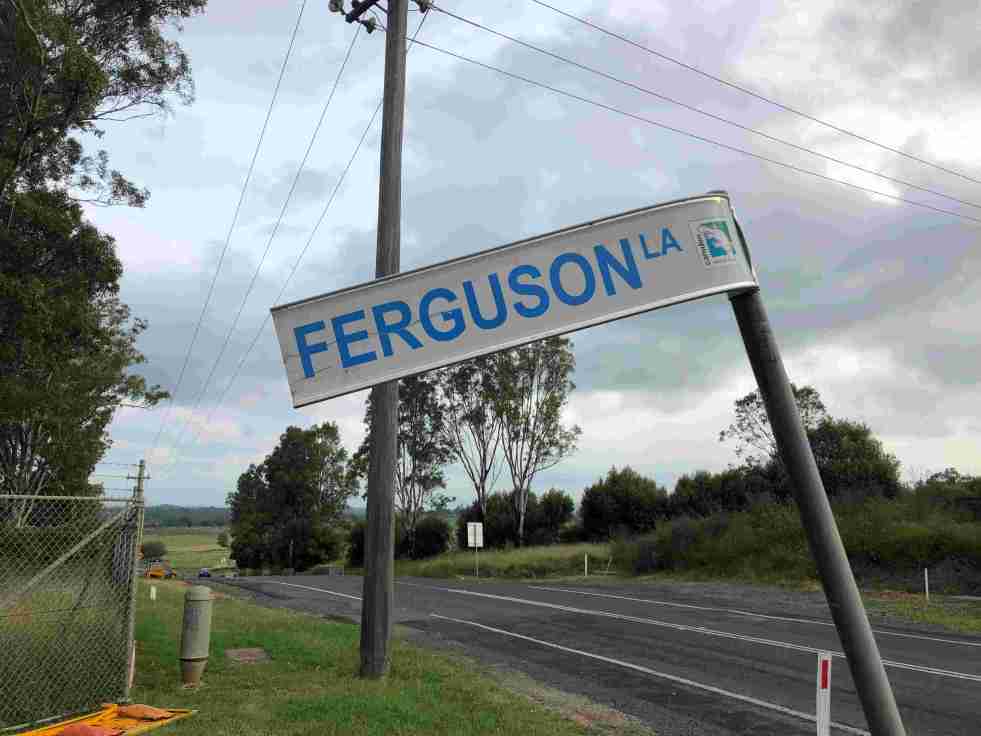
The 20th-century story of Ferguson’s Australian Nurseries is about their location within Sydney’s rural-urban fringe.

Agricultural heritage · Agriculture · Agriculture history · Business · Business History · Camden · Camden Story · Campbelltown · Colonial Camden · Colonialism · Community identity · Cowpastures · Cultural Heritage · Cultural icon · Cultural plantings · Economy · England · Family history · Farming · Fergusons Australian Nurseries · Gardening · Heritage · Horticulture · Landscape · Landscape aesthetics · Local History · Local Studies · Memory · Nepean River · Nursery · Place making · Plant Nursery · Sense of place · Storytelling · Trees · Uncategorized · Urban growth · Urban history

Ferguson’s Australian Nurseries, a century of horticulture

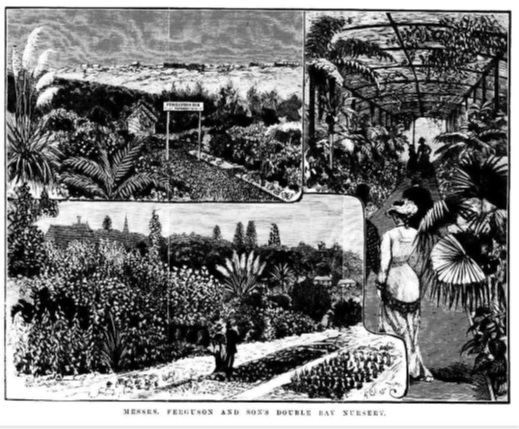
Ferguson's Australian Nursery was part of the horticulture industry in the Camden area for over 100 years. Francis Ferguson established a nursery opposite Macquarie Grove on the Nepean River.

20th century · Adaptive Re-use · Architecture · Attachment to place · Built heritag · Business · Business History · Camden · Camden Story · Cultural Heritage · Cultural icon · Heritage · Historical consciousness · History · Interwar · Leisure · Local History · Local Studies · Memory · Mid-century modernism · Modernism · Motoring History · Moveable Heritage · Narellan · Place making · Placemaking · Retailing · Sense of place · Storytelling · Tourism · Transport · Urban growth · Urban history

Clintons Motors Car Showroom, motoring and modernism

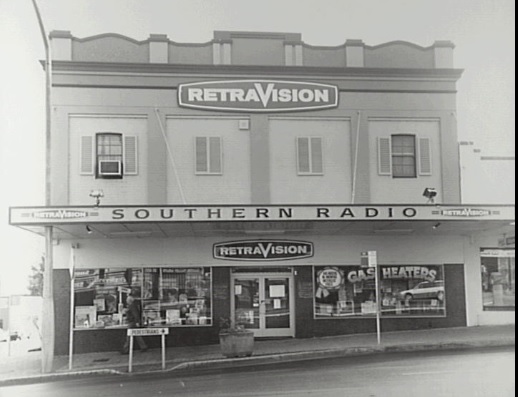
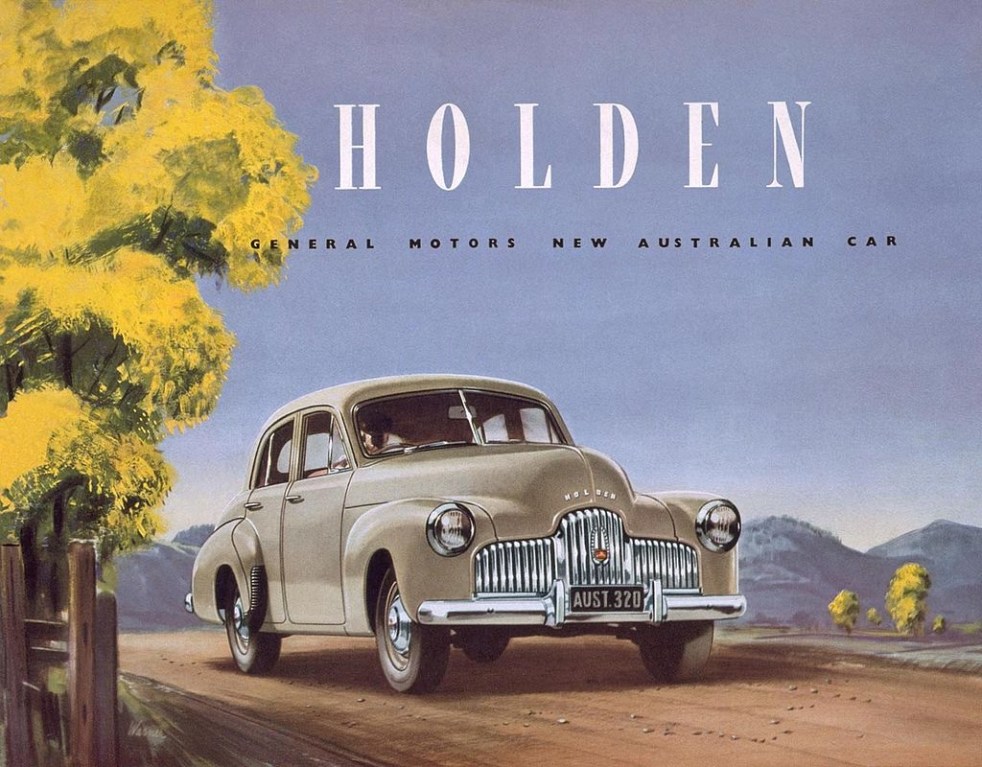
In March 1948, Camden celebrated a new era in motoring with the opening of Clintons Motors' modern showroom. The introduction of the FX Holden marked a pivotal moment in Australian automotive history, showcasing innovation and capturing community excitement. This Art Deco building symbolized modern shopping and transformed Camden's motoring landscape.

Adaptive Re-use · Aesthetics · Architecture · Attachment to place · Built heritag · Business History · Community identity · Cultural Heritage · Cultural icon · Dairying · Dungog · Farming · Heritage · Historical consciousness · History · Interwar · Local History · Memory · Modernism · Motoring History · Place making · Retailing · Sense of place · Streetscapes · Tourism · Transport · Urbanism

Davey & Olsen, Dungog: an interwar garage

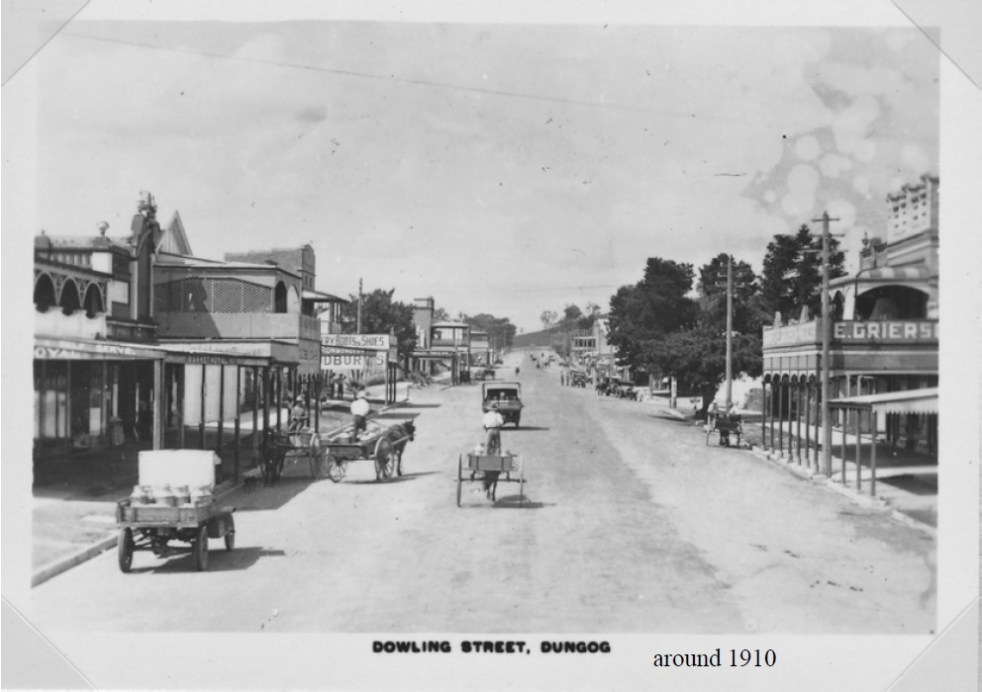
A country town interwar garage is a fine example of early motoring history in Australia. Dungog has a number of motor garages with many elements that show their origins from the Interwar period.

Adaptive Re-use · Aesthetics · Architecture · Attachment to place · Burra Charter · Business · Business History · Camden · Camden Town Centre · Collective Memory · Colonial Camden · Community identity · Country town · Cultural Heritage · Cultural icon · Economy · Edwardian · Entertainment · Family history · First World War · Heritage · Historical consciousness · Historical Research · History · Interwar · Living History · Local History · Local Studies · localism · Memory · Modernism · Place making · Placemaking · Retail history · Retailing · Ruralism · Sense of place · Shopping · Small communities · Stereotypes · Storytelling · Streetscapes · Tourism · Urban development · Urban growth · Victorian

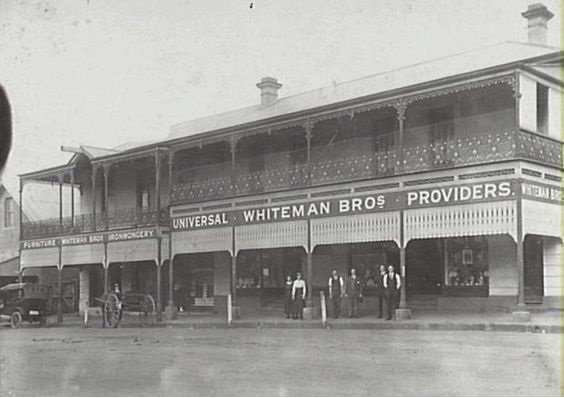
Whiteman commercial buildings in Camden, an example of adaptive re-use

The Whiteman's General Store, a historic Victorian colonial building in Camden, has been successfully repurposed through the Burra Charter principles of adaptive reuse, maintaining its architectural integrity. Operating continuously for over 135 years, it now houses various retail and professional outlets, contributing significantly to the town's charm and community identity.

1920s · 1930s · Architecture · Art · Attachment to place · Business · Business History · Collective Memory · Communications · Community identity · Cultural Heritage · Entertainment · Fashion · Goulburn · Heritage · Historical consciousness · Historical Research · Historical thinking · History · Interwar · Local History · Local newspapers · Local Studies · Media History · Memory · Modernism · Newspapers · Place making · Placemaking · Sense of place · Storytelling · Tourism · Urban history · Victorian

Goulburn Evening Penny Post and its Art-Deco newspaper office and printery

In 1935 a moderne Art-Deco style office was opened for the Goulburn Evening Penny Post