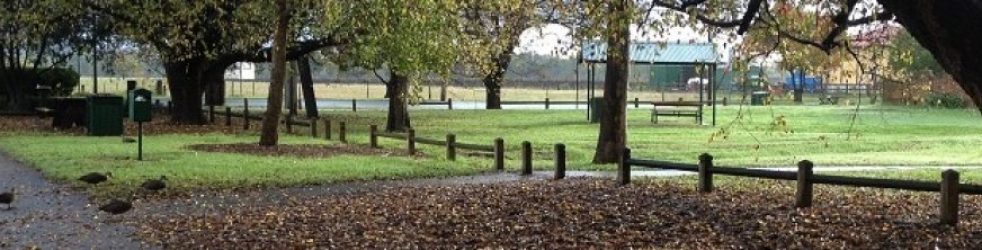

The Camden Show, established in 1886, is an annual community festival celebrating agriculture, local talent, and heritage in the Macarthur region. Attracting over 48,000 visitors, it features livestock exhibitions, competitions, and entertainment. The event fosters community spirit, showcasing historical traditions and engaging volunteers dedicated to promoting agriculture and youth involvement.
Category: Camden

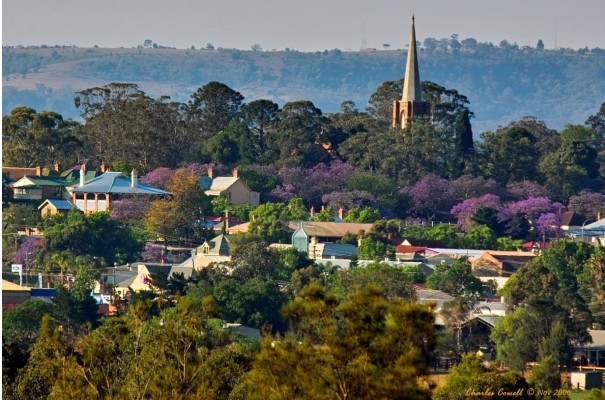
HERITAGE STUDY CAMDEN NEW SOUTH WALES Documentary Evidence addressing criteria for statutory heritage listing
The Camden Township Heritage Study highlights Camden's unique historical and cultural significance, being an unofficial town established in 1836. Its intact colonial architecture, exceptional planning, and connection to influential figures like John Macarthur contribute to its character. The study emphasizes the need to protect Camden's heritage from inappropriate development for economic and cultural sustainability. In 2023 the Camden Residents Action Group prepared a document to assist is application to address the criteria for heritage listing in New South Wales, authored by Glenda Davis.
Share this:

Share this:
Discover Camden’s Agricultural Heritage and Legacy
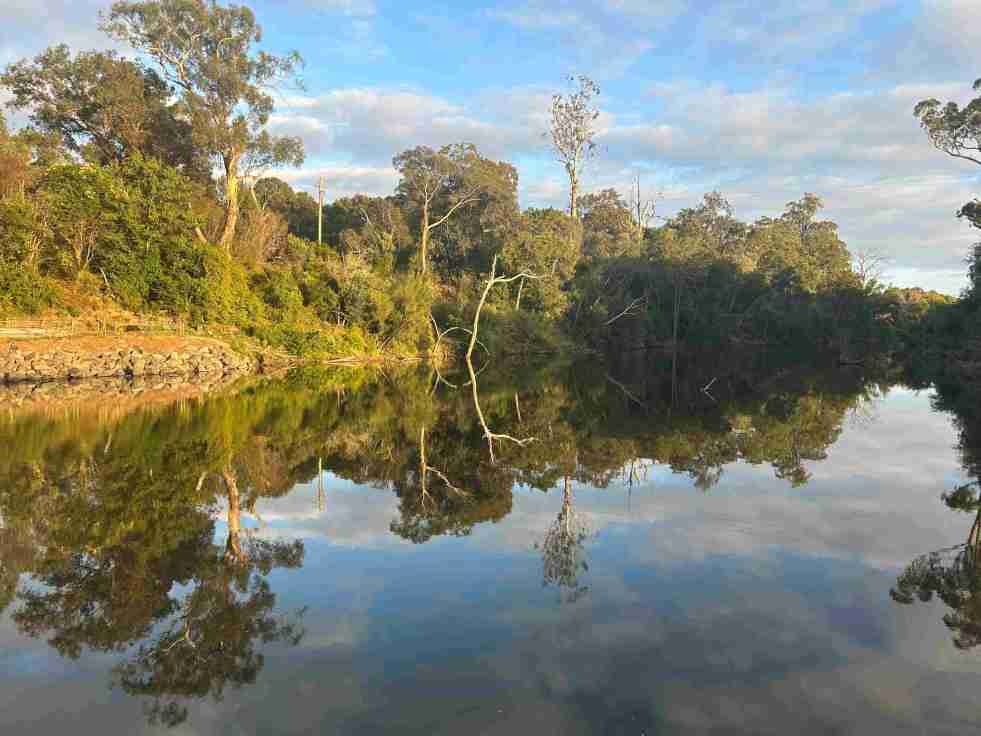
Camden, New South Wales, is recognized as the birthplace of Australian agriculture, boasting significant historical and contemporary agricultural sites. Despite rapid growth and new residents' limited awareness of its agricultural legacy, Camden remains a vital hub for agricultural research and education, blending rural lifestyle with community connections and open spaces.
Share this:

Share this:
Upper Nepean River: Cultural and Environmental Insights
The Upper Nepean River is the upper catchment of the Hawkesbury-Nepean system, extending over 470 km from Goulburn to the Hunter Valley. Named in 1789, it has a complex history shaped by floods, droughts, and the settlements of Indigenous peoples and Europeans, significantly influencing the region's culture and land use.
Share this:

Share this:
Little Sandy Footbridge Reopens: A Community Treasure
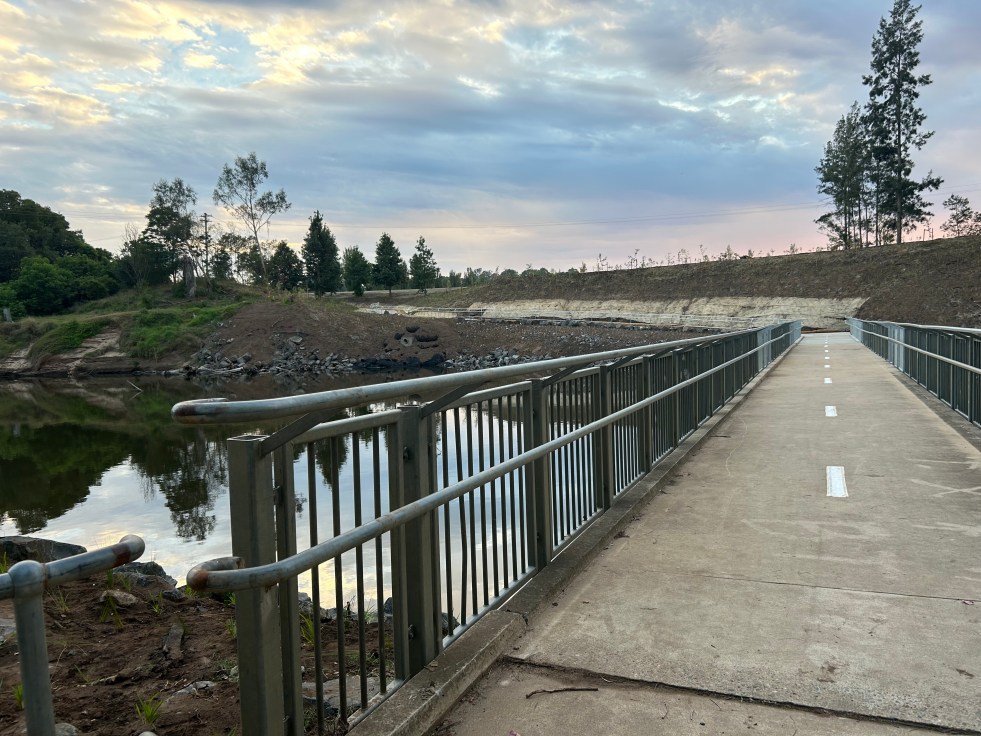
The Little Sandy Footbridge in Camden has reopened, restoring an essential link in the Nepean River Trail after extensive flood-related repairs. Originally constructed during WWII, the bridge has been a beloved community feature, supporting recreational activities for over a century. The project was funded by government sources, totaling $3.7 million.
Share this:

Share this:
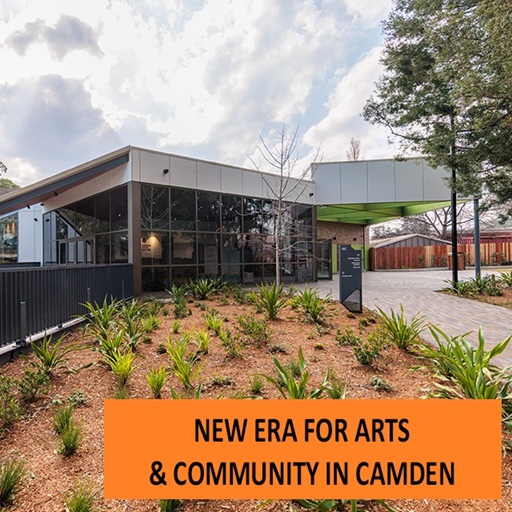
Community Hub Revitalization: Camden Civic Centre’s New Look
The Camden Civic Centre was officially reopened after a $9.9 million upgrade, enhancing its facilities as a modern, multi-purpose venue. The project included improved workspaces, public art installations, and a new grand piano. The council and government funding ensured a functional space for community events, strengthening local cultural support.
Share this:

Share this:
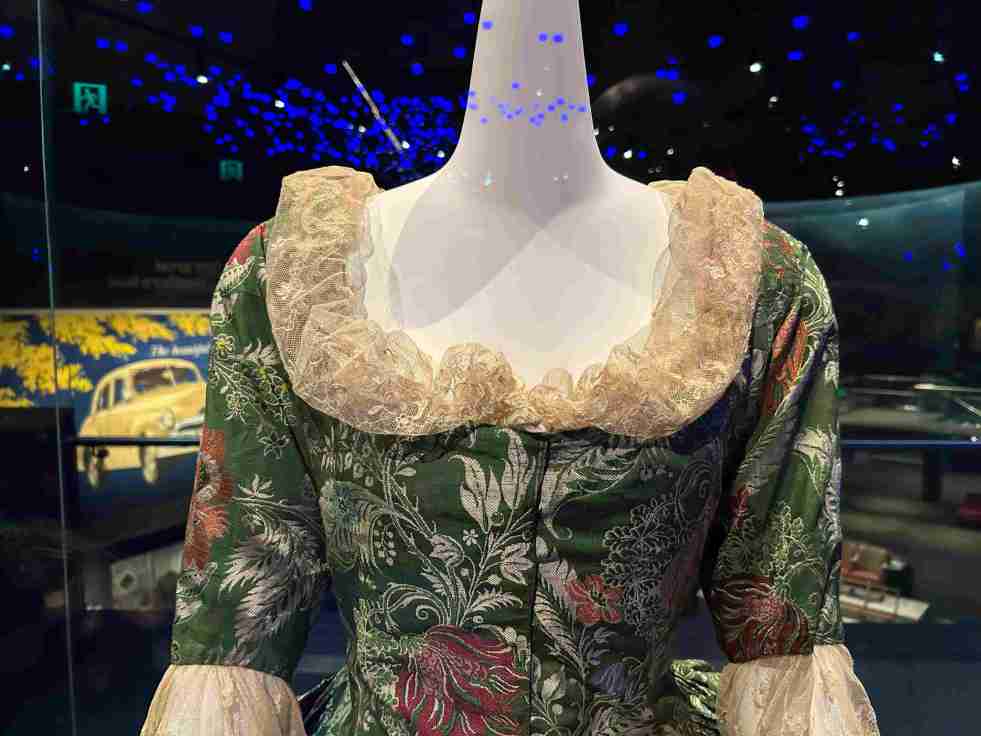
Clarice Faithfull Anderson’s Historic Ball Gown
The 1929 CWA Blue & Gold Ball at Sydney's Ambassador Cabaret was a prestigious fundraising event attended by significant dignitaries, including the Governor General. The ball featured "living pictures" and showcased elaborate gowns, including Clarice Faithfull Anderson's historic dress from the 18th century, which later became a treasured family heirloom and is now part of the textile collection of the National Museum of Australia.
Share this:

Share this:
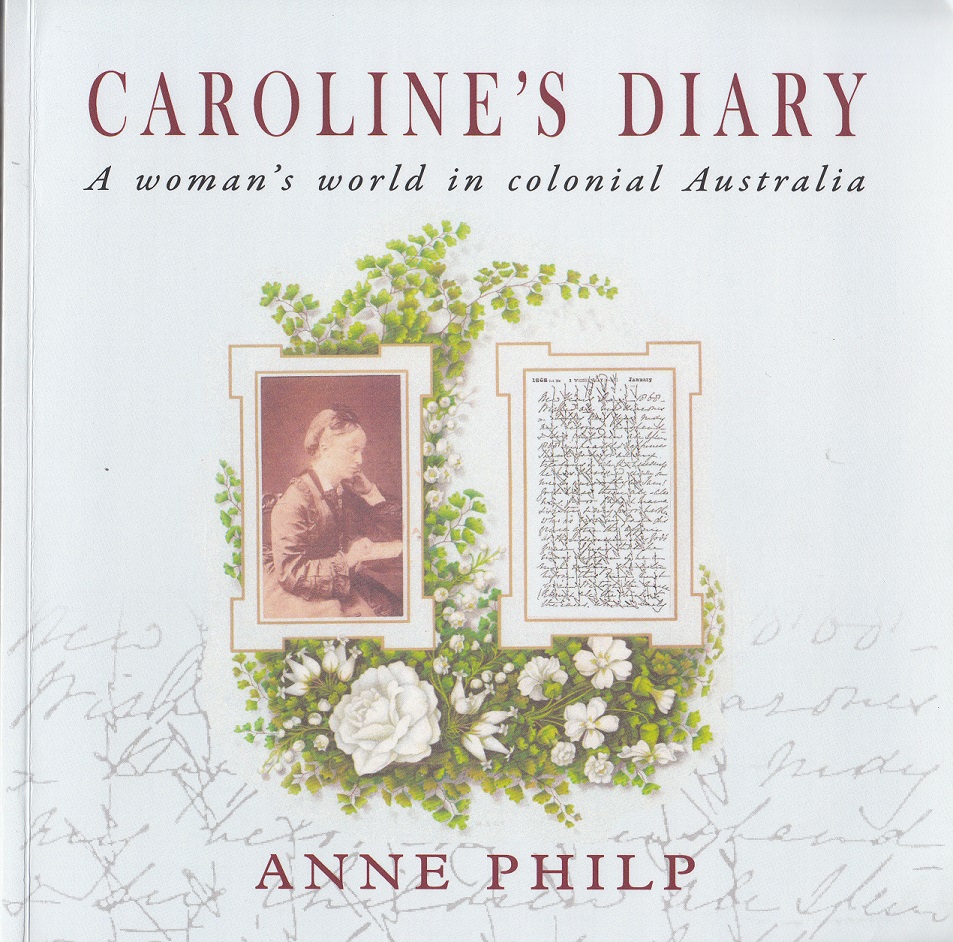
Exploring Caroline’s Diary: A Women’s Perspective on Colonial Australia
Anne Philp's "Caroline’s Diary" narrates the life of Caroline Husband, an Englishwoman who migrated to colonial Australia in the mid-19th century. Through her personal diaries, readers explore her adventures, social life, and experiences from England to New South Wales, providing insights into women's roles and societal dynamics during this period.
Share this:

Share this:

The Role of Historians in an AI World
A Microsoft study suggests historians are among jobs most at risk from AI, particularly due to AI's ability to gather data. However, historians play a crucial role in interpretation, analysis, and narrative construction, capabilities AI lacks. Therefore, while AI may assist, it cannot replace historians, ensuring their continued relevance in understanding the past.
Share this:

Share this:
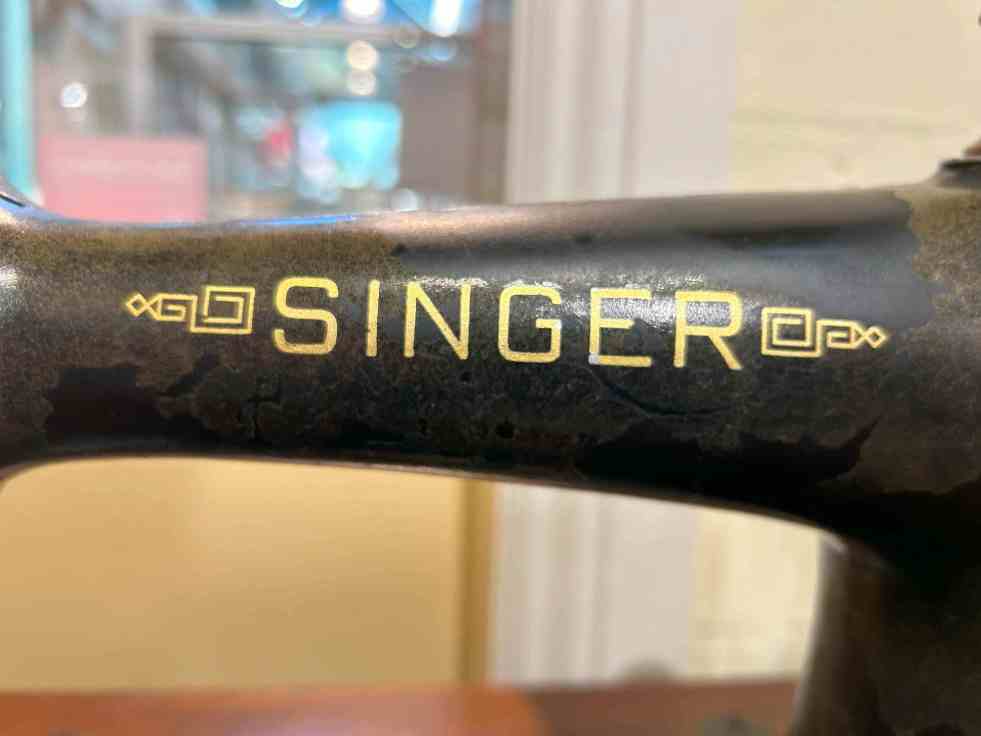
Camden’s Treadle Sewing Machine: A Revolution in Women’s Agency
The Camden Museum's treadle sewing machine symbolizes the significant role of sewing in women's lives from the 19th century onwards. Sewing machines democratized work, enhancing women’s agency by saving time and allowing for business opportunities. Women contributed immensely to the war efforts through Red Cross circles, producing thousands of items during both World Wars.

