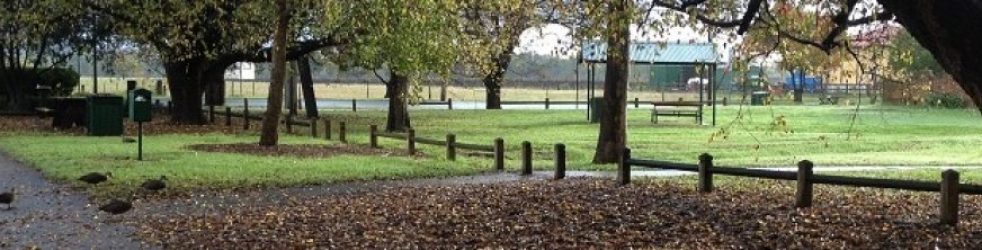
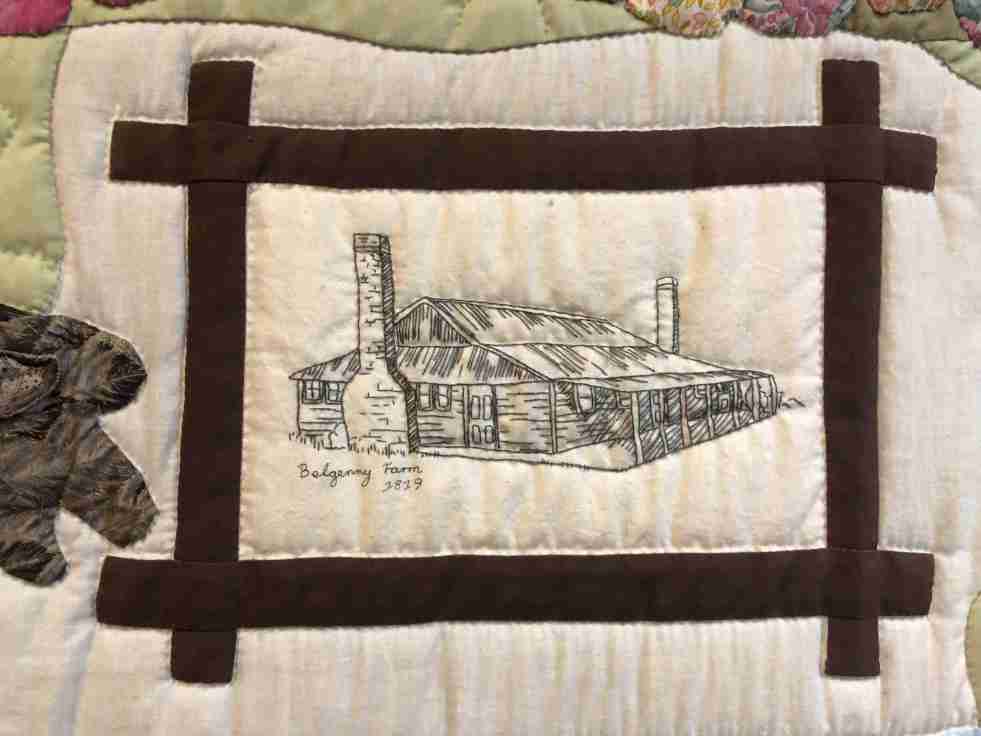
Hanging on the wall in the Camden Library is a quilt, but no ordinary quilt. It is a hand-made quilt that had previously hung in the foyer of the Camden Civic Centre for many years. The quilt celebrated the Cowpastures Bicentenary (1995) and was made by members of the Camden Country Quilters Guild.
Category: Cultural Heritage

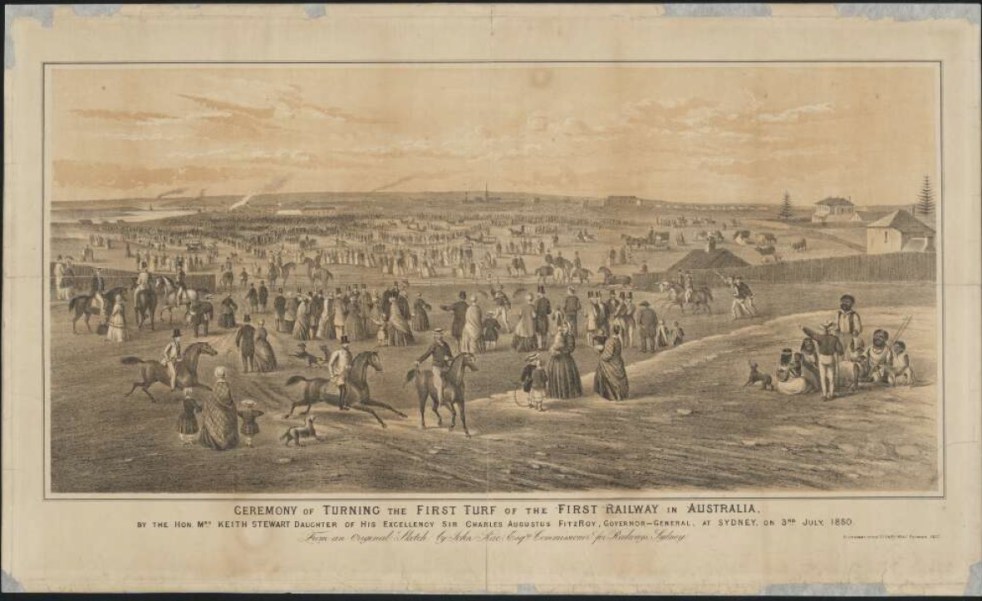
A Camden connection to the first railway line in New South Wales
26 September 1855 A forgotten anniversary of Sydney’s Central Railway Station On 26 September 1855, the first train left the Sydney terminus, a ‘tin shed’, with great pomp and ceremony and thus began the great railways of New South Wales. The ‘tin shed’ was replaced by two further buildings, one opened in 1874, and the current grand Victorian edifice of brick and sandstone in 1906.
Share this:

Share this:

Cowpastures Memorial at Narellan
In the plaza outside Narellan Library there is an item public art called the Cowpasture Story.
Share this:

Share this:
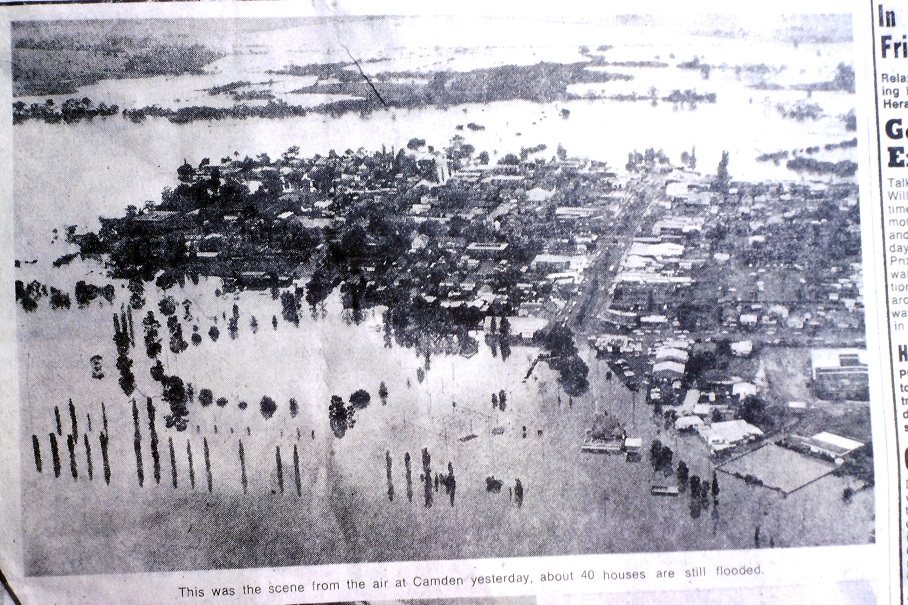
Flooding in the Hawkesbury-Nepean River Valley
The latest heavy rain in the area has sparked concerns about potential flooding, bringing back memories of past events. The Hawkesbury-Nepean River valley's unique landform features contribute to fast-rising and dangerous floods. This situation has led to considerable anxiety and trauma, prompting the need for emotional and trauma support in the affected communities.
Share this:

Share this:
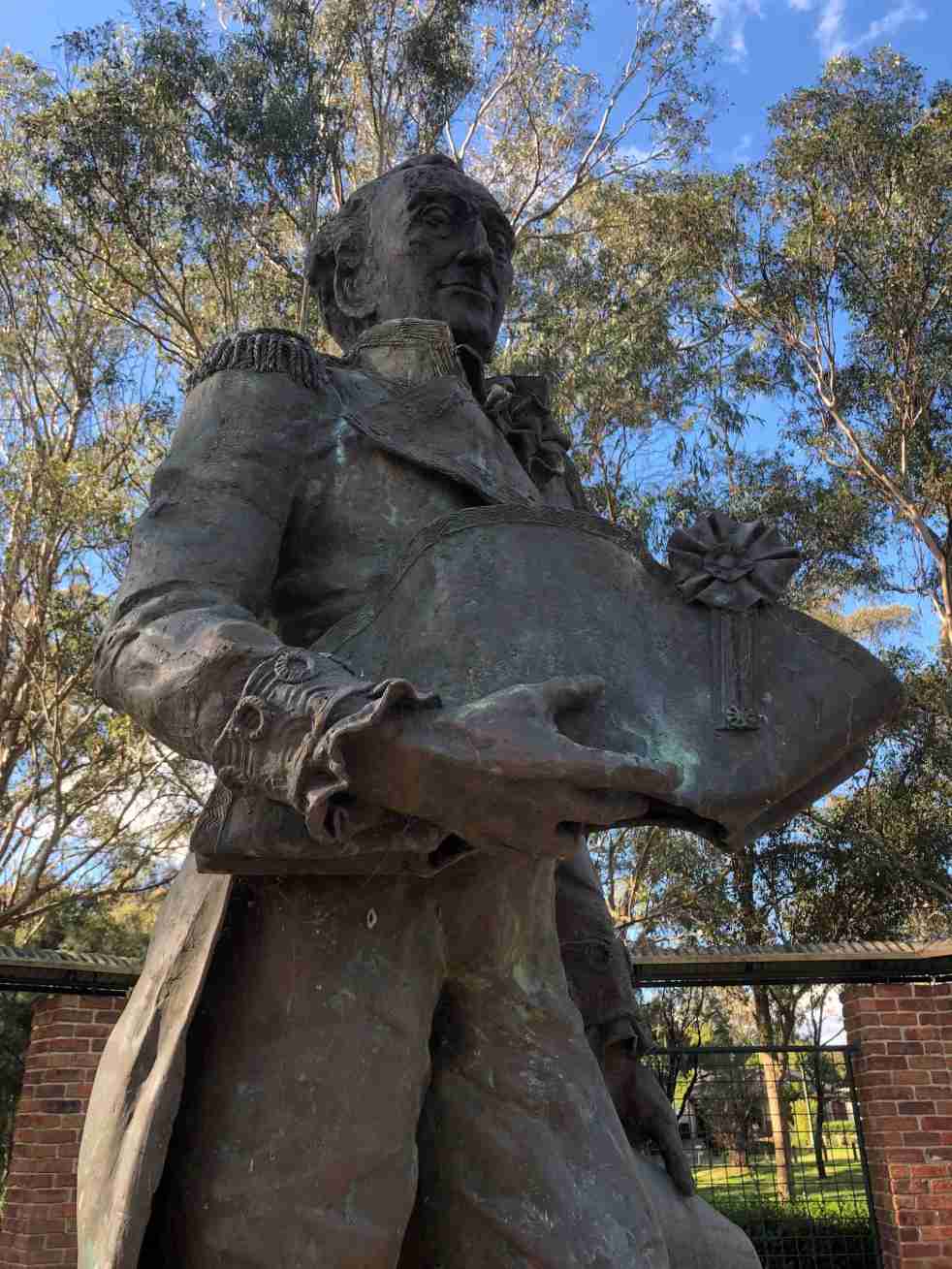
Governor Hunter, a Cowpastures memorial at Mount Annan
The statue of Governor Hunter in the Governors Green Park at Mount Annan is another celebration of the history of the Cowpastures.
Share this:

Share this:
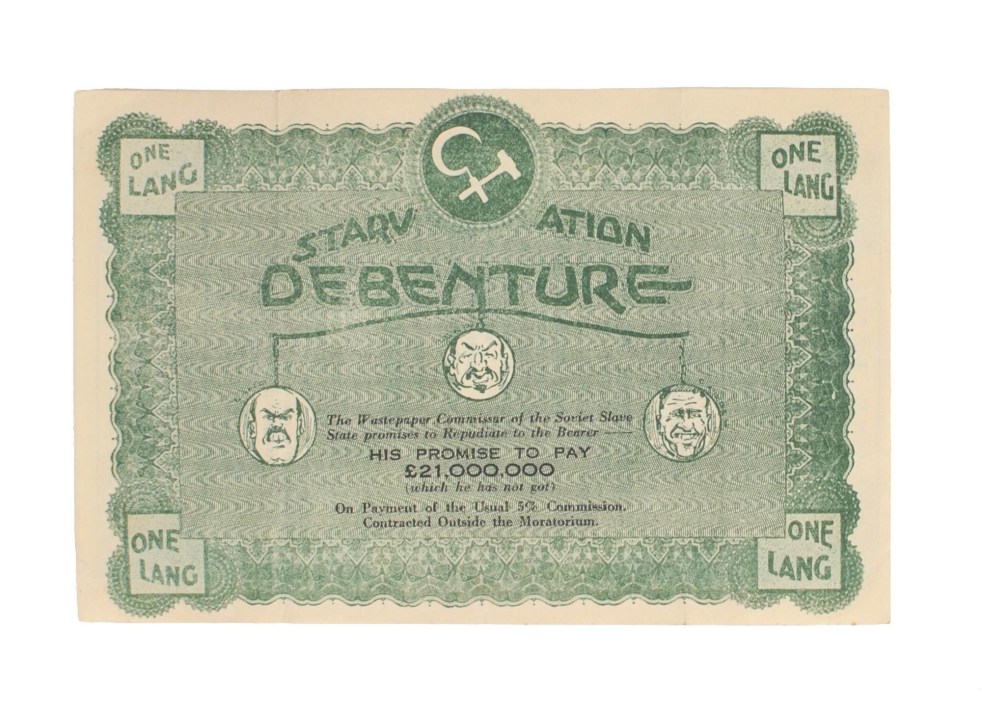
Political propaganda in 1932
The Starvation Debenture produced by the United Country Party is an example of political advertising from the 1932 New South Wales election.
Share this:

Share this:
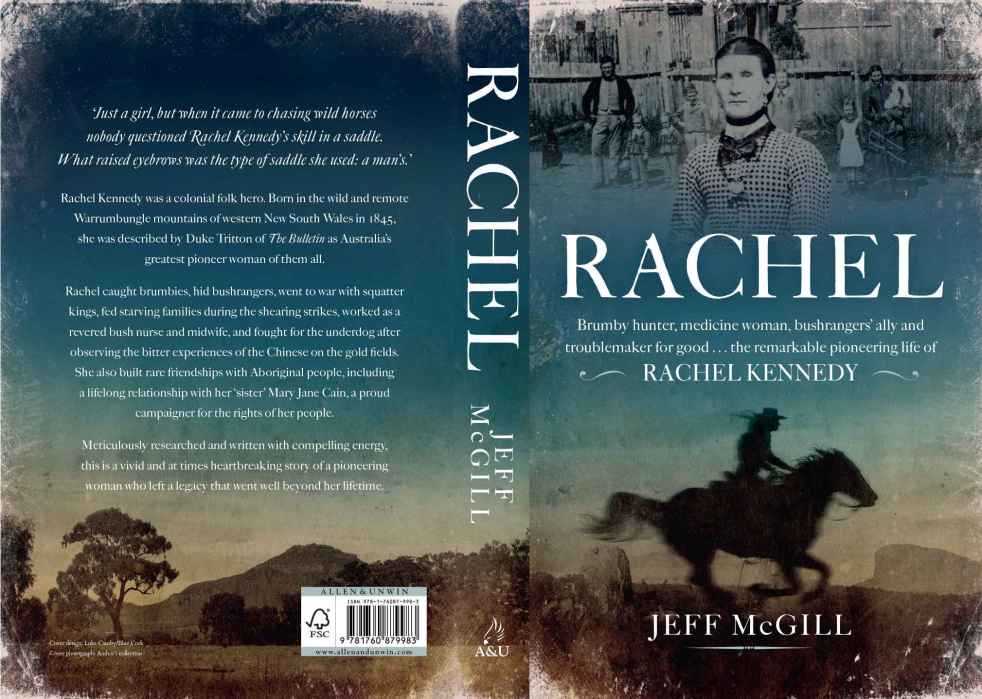
Rachel, a great yarn of the bush from colonial New South Wales
Jeff McGill's Rachel is a ripping yarn about the colonial frontier and the role of women in colonial New South Wales.
Share this:

Share this:
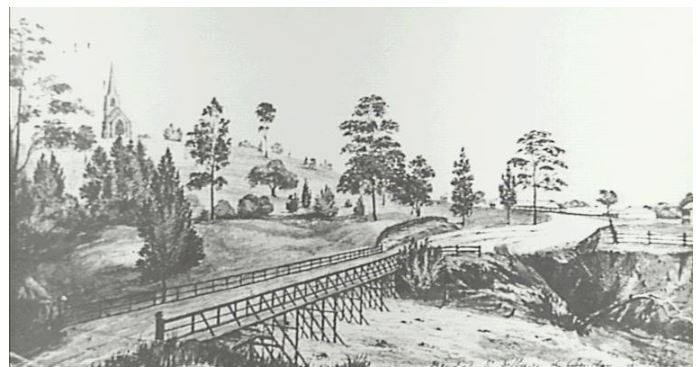
The Cowpastures’ English-styled-gentry and their private villages
A certain type of self-styled-English gentry created a landscape in their own vision in the Cowpastures.
Share this:

Share this:
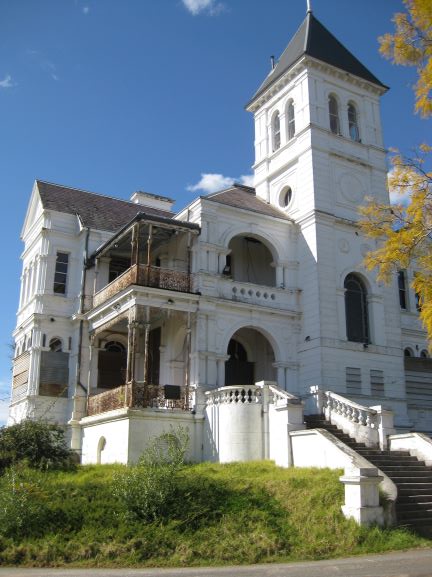
Narellan’s Built Heritage
The former colonial village of Narellan originally located in the Cowpastures has some fascinating surviving built heritage.
Share this:

Share this:
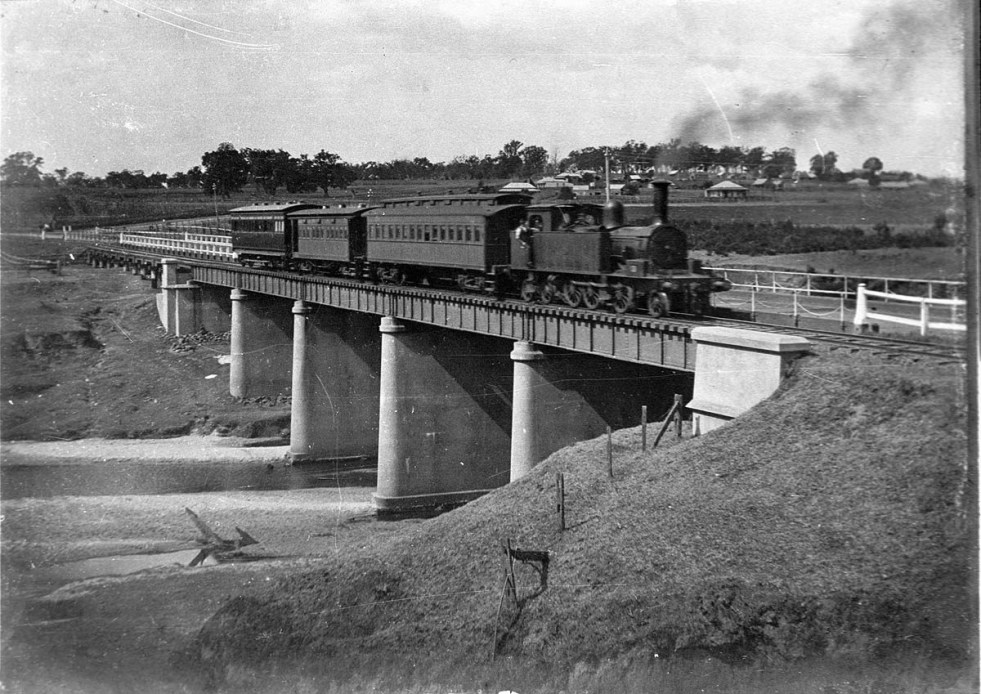
We need new ways to tell stories of the past
We need new ways to tell local stories in the face of fake news, the search for 'the truth' and a host of conspiracy theories. Stories about our past need to based on evidence from a range of credible sources. There is a need to be a historical detective.

