19th Century · 20th century · Aesthetics · Art · Artists · Artworks · Attachment to place · Burragorang Valley · Business History · Camden District · Commemoration · Cultural Heritage · Engineering Heritage · Engineering History · Local History · Local Studies · Memorials · Memory · Mining · Mining History · Monuments · Oran Park · Oran Park Raceway · Place making · Placemaking · Public art · Sense of place · Stories · Storytelling · Teamsters · Town planning · Transport · transport history · Uncategorized · Urban development · Urban growth · Urban history · Urban Planning · urban sprawl · Urbanism

Exploring the ‘Infinity Tracks’ Art Installation in Oran Park

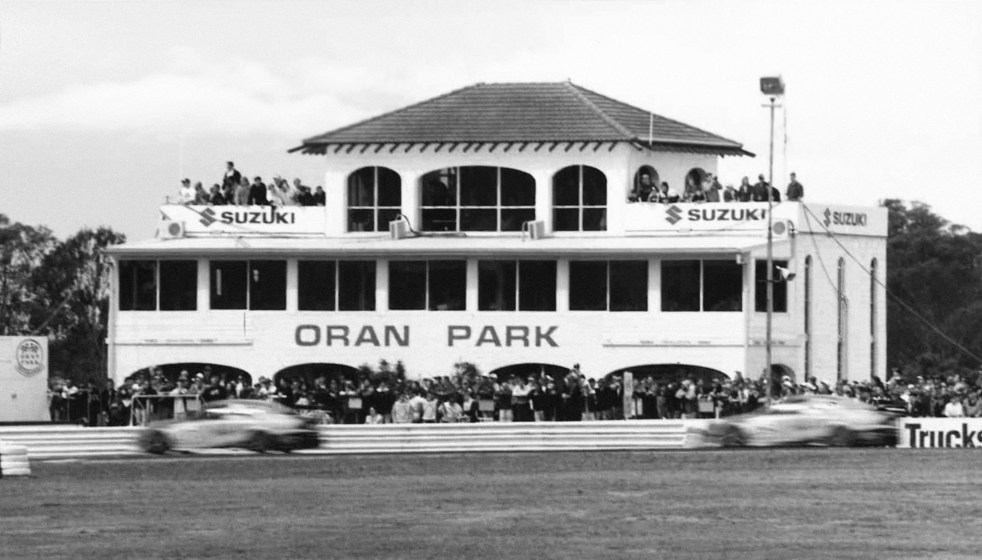
The 'Infinity Tracks' art installation in Oran Park honors the region's heavy haulage industry, highlighting the historical impact of the transport industry and Oran Park Town urban development. Commissioned in 2020 by Greenfields Development Co and TRN House, it enhances the forecourt's aesthetic while reflecting the area's economic growth and employment contributions from the haulage sector and urban development.

Anniversary Day · Anzac · Australia · Australia Day · Australian Red Cross · British Red Cross · Camden Red Cross · Cultural Heritage · First World War · Grief · Military history · Myths · Nationalism · Patriotism · Place making · Red Cross · Red Cross Humanitarianism · Red Cross Movement · Sense of place · Stories · Storytelling · Trauma · Uncategorized · Volunteering · Volunteerism · War · War at home · Wartime · Women's agency · Women's history · Women's stories · World War One

The Untold Woman’s Contribution to Australia Day

Australian women played a crucial role in the first Australia Day on July 30, 1915, which aimed to support sick and wounded soldiers from World War I. Originally suggested by Ellen Wharton-Kirke, the day centered on fundraising for the Red Cross. Women's contributions towards Australia Day remain overlooked in historical narratives surrounding Australia Day and the Anzac story.

Australia · Australia Day · Australian History · Book · Camden Country Town Idyll · Camden Story · Community identity · Cultural and Heritage Tourism · Cultural Heritage · Dr Crookston · Guesthouse · Historical consciousness · Historical Research · Historical thinking · Local Studies · Memory · Nostalgia · Place making · Placemaking · Propaganda · Sense of place · Stereotypes · Stories · Storytelling · Symbolism · Tourism · Uncategorized

Exploring nostalgia, more than a rear vision view of the world

Agnes Arnold-Forster's "Nostalgia: A History of a Dangerous Emotion" explores the multifaceted nature of nostalgia, reflecting societal anxieties and its weaponization by politicians. The book illustrates nostalgia's importance in contemporary culture, as seen in varying contexts like music and Australia Day debates, while offering a historical perspective on its evolution and impact.

19th Century · Architecture · Attachment to place · Built heritag · Built Heritage · Camden Built Heritage · Camden Cottage Hospital · Camden Hospital · Camden Story · Community · Community building · Community Health · Country town · Cultural Heritage · Family history · History of a building · History of a house · House history · Humanitarianism · Local History · Local newspapers · Local Studies · Medical history · Medical Humanities · Place making · Placemaking · Sense of place · Small town · Social History · Stories · Storytelling · Transport · transport history · Trauma · Women's agency · Women's history · Women's stories

Camden Cottage Hospital, from accidents to amputations and early patient experiences

The Camden Cottage Hospital, opened in April 1899, initially struggled with low patient admissions due to community reluctance. Early cases included accidents and serious conditions, leading to treatments and surgeries like amputations. By early 1900, there was increasing community trust and the permanent facility opened in May 1902.

19th Century · Adaptive Re-use · Adaptive Reuse · Architecture · Attachment to place · Australian History · Built Heritage · Camden · Camden Built Heritage · Camden John Street · Camden Story · Camden Town Centre · Community identity · Cultural and Heritage Tourism · Cultural Heritage · Domestic Architecture · Dr Crookston · Economy · History of a house · House history · Housing · Housing styles · Local History · Local Studies · Macarthur family · Place making · Placemaking · Residential Housing Style · Sense of place · Stories · Storytelling · Tourism · Uncategorized

Dr Crookston’s Estate: A New Chapter in Camden’s Heritage

Dr Crookston's house and garden in Camden has been revitalized into an entertainment venue, preserving its rich history. New owners Shane and Rhiannon Smith manage this adaptive reuse, offering various activities that enhance heritage tourism. The estate now fosters local pride while contributing to economic growth, transforming the once-closed site into a vibrant community asset.

Adaptive Re-use · Adaptive Reuse · Aesthetics · Archibald Gregory · Architecture · Art Deco · Attachment to place · Australian Army · Built Heritage · Camden Built Heritage · Camden Golf Club · Camden Story · Campbelltown-Camden Grammar School · Colonial Architecture · Colonialism · Cultural Heritage · Eastern Command Training School, Narellan, NSW · Farming history · Film Making · Heritage · History · History of a building · History of a house · Hotel History · Interwar · Local Studies · Military history · Movies · Narellan · Narellan Story · Place making · Sense of place · Settler colonialism · Settler Society · Stories · Storytelling · Studley Park · War at home · Wartime · World War Two

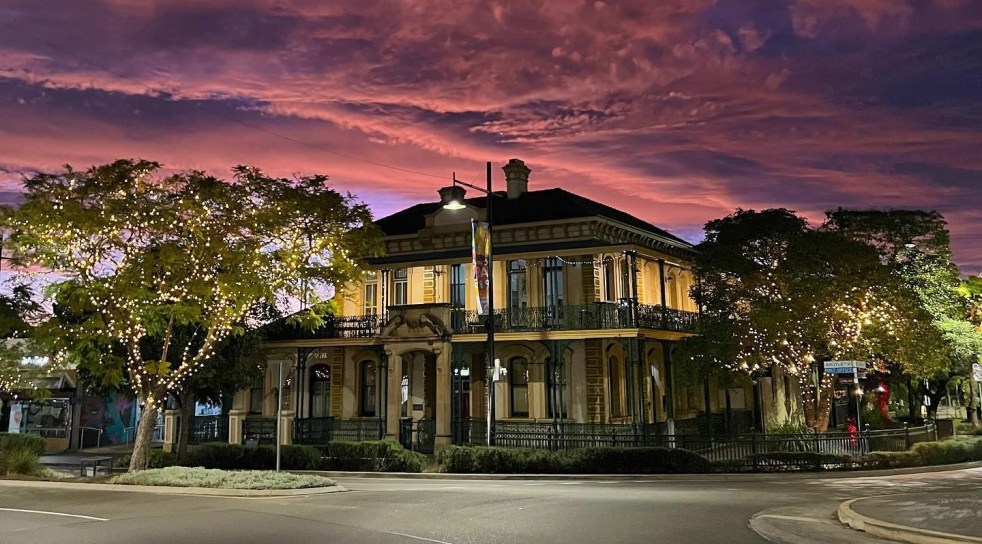
Exploring Studley Park: A Victorian Italianate Heritage Site

Studley Park House, located in Narellan, NSW, exemplifies Victorian Italianate architecture and holds state significance for its aesthetics and historical associations. Constructed in 1889 by architect firm AL & G McCredie for William Charles Payne, it served various purposes, including a school and military quarters, before becoming a private residence.

19th Century · Architectural History · Architecture · Australian History · Built Heritage · Colonial Architecture · Colonial Australia · Colonialism · Country town · Cultural Heritage · Georgian · Heritage · Historiography · History · Housing styles · Local History · Pioneers · Place · Sense of place · Small communities · Small town · Stories · Storytelling

Rediscovering Forgotten Australian History Books

The blog post discusses three historically significant Australian books from the 1980s, which have become neglected items. Heaton’s work is a reference on early Australian history, while Smith’s volume showcases historical sites through photography. Morrison and Irving focus on historic towns and architectural heritage. Collectively, they reflect on popular historiography in Australia.

19th Century · 20th century · Adaptive Re-use · Adaptive Reuse · Agricultural heritage · Agricultural modernism · Agriculture · Agriculture history · Architectural History · Architecture · Artefacts · Attachment to place · Belgenny Farm · Belonging · British colonialism · Built Heritage · Business History · Camden Park Estate · Camden Park House and Garden · Camden Story · Carpentry · Collective Memory · Colonial Australia · Colonial Camden · Colonial frontier · Community Engagement · Community identity · Cultural and Heritage Tourism · Cultural Heritage · Dairying · Farming · Farming history · History · History Festival · Living History · Local History · Local Studies · Lost trades · Macarthur family · Place making · Placemaking · Sense of place · Settler Society · Stories · Storytelling

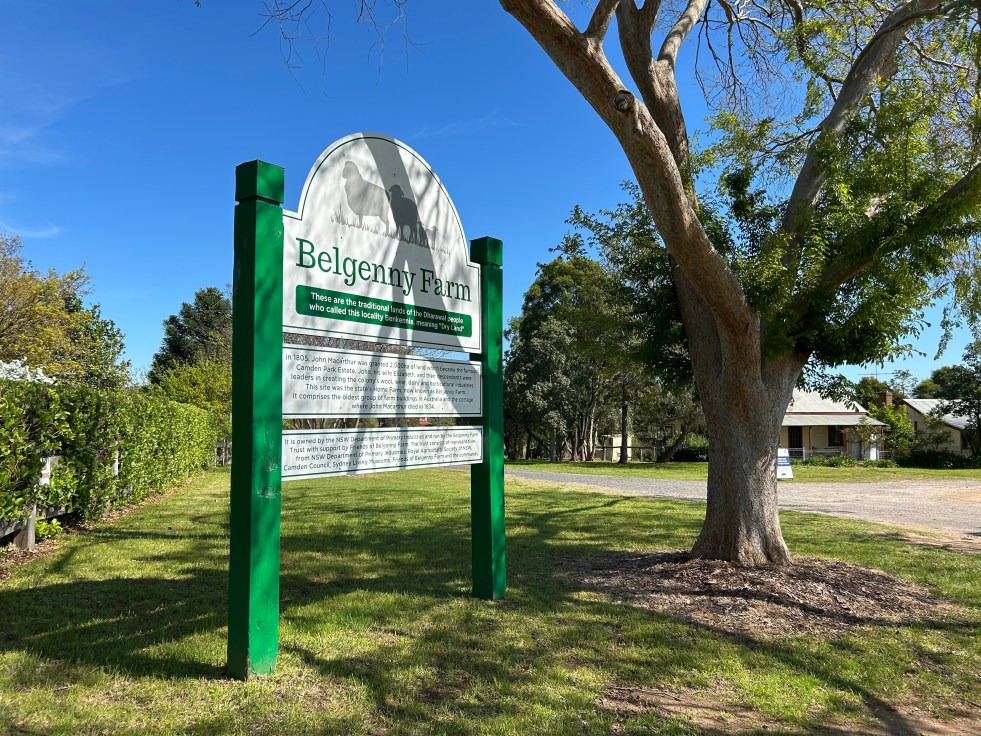
Explore Belgenny Farm: A Journey Through Time 2024

The 2024 Back to Belgenny festival showcased living history at Belgenny Farm, featuring reenactments, traditional trades, and various activities such as sheepdog trials and guided tours. The event included a demonstration by Governor Macquarie’s regiment and highlighted the farm's historical significance, providing visitors with an immersive glimpse into colonial agricultural life.

Adaptive Re-use · Adaptive Reuse · Built heritag · Built Heritage · Camden · Camden Police Barracks · Camden Story · Community · Cultural Heritage · Cultural icon · Heritage · History · History of a building · Policing · Stories · Storytelling · Urban development · Urbanism

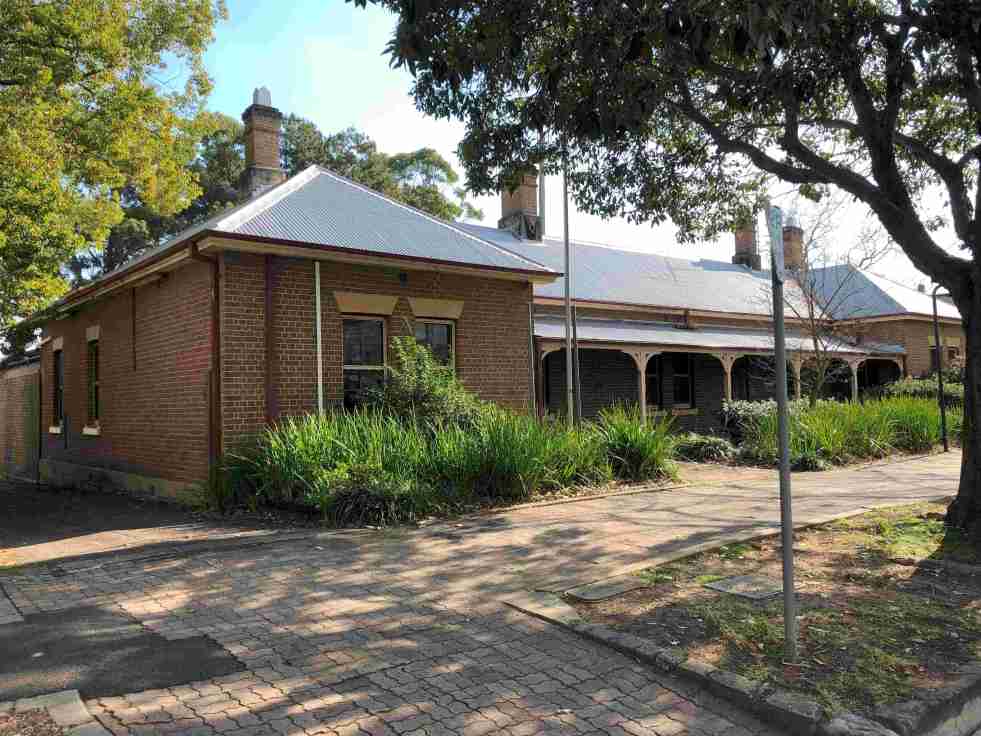
Future of the former Camden police barracks: community concerns

The former Camden police barracks, now vacant since 2011, represents a risk of neglect and disrepair. The Tharawal Local Aboriginal Land Council, which acquired the site in 2020, has yet to disclose plans for its future use. The community seeks clarity on whether the building will be utilized or sold.

Alan Baker Art Gallery Camden NSW · Attachment to place · Belonging · Built heritag · Built Heritage · Camden · Camden Library · Camden Story · Churches · Community celebrations · Community Engagement · Community identity · Cultural Heritage · Festivals · Heritage · Historical consciousness · Historical thinking · History · Johm Macarthur · Macarthur family · Memorialisation · Memorials · Memory · Place · Place making · Placemaking · Public art · Sense of place · Stories · Storytelling · Street Art · Uncategorized · Village

Revitalizing John Street: A Vision for Community Placemaking

The proposal advocates for transforming John Street in Camden into an Italian-style piazza, enhancing community bonding and social capital. By activating and enhancing various existing and under-utilised elements this revitalized space could foster deeper connections among residents and serve as a vibrant, meaningful heart for the town.