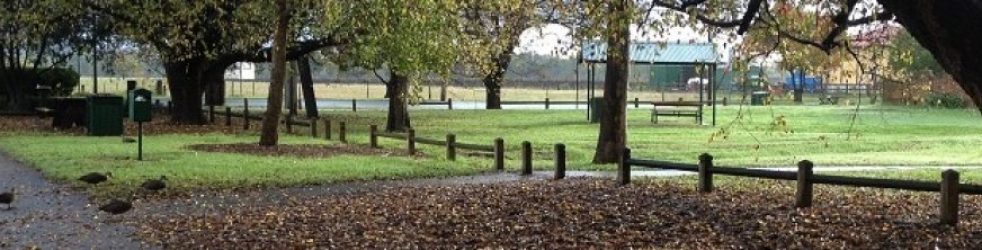
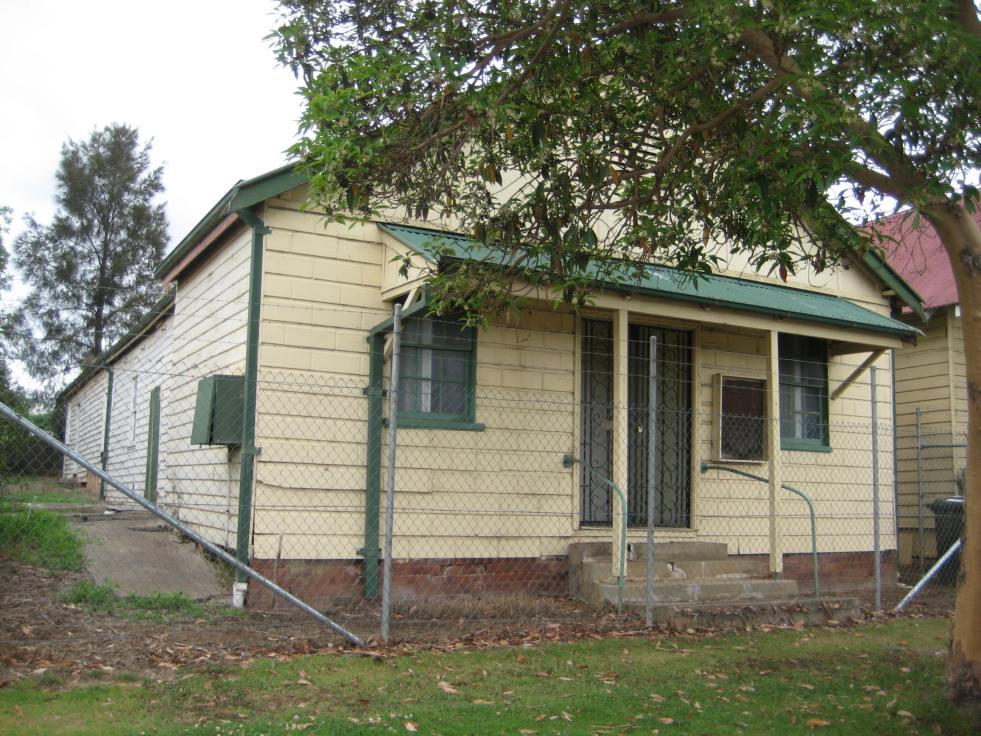
The Menangle Community Association is leading a project to replace the former Menangle School of Arts with a modern community hall.
Category: First World War


Blue Plaque recognises Camden Red Cross sewing circle in wartime
The wartime efforts of Camden women have been recognised by the successful nomination for a New South Wales Blue Plaque with Heritage NSW. The women volunteered thousands of hours of their effort and skills to supply hospital requisites for soldiers at military hospitals.
Share this:

Share this:

St Mark’s Church Elderslie, the little church on the hill
St Mark's Church Elderslie tells the story of a small farming community that has disappeared through the mists of time. The history of St Mark’s church is the history of Elderslie, and the church was a special place of community celebrations and commemorations along with family celebrations, traditions, and events. The church has been a gathering place, a sacred site.
Share this:

Share this:

Camden, a Macarthur family venture
The establishment of Camden, New South Wales, the town in 1840, was a private venture of James and William Macarthur, sons of colonial patriarch John Macarthur, at the Nepean River crossing on the northern edge of the family’s pastoral property of Camden Park. The town’s site was enclosed on three sides by a sweeping bend in the Nepean River and has regularly flooded the surrounding farmland and lower parts of the town.
Share this:

Share this:

Waley Convalescent Home at Mowbray Park
In 1919 Mowbray Park, five kilometres west of Picton, was handed over to the Commonwealth Government to be converted to a convalescent home for invalided soldiers from the First World War. The home was called Waley after its philanthropic benefactors.
Share this:

Share this:

Camden War Cemetery
Camden War Cemetery has the graves of a number of service personnel from the Second World War who were killed while based in the local area.
Share this:

Share this:
Camden and its French Connections
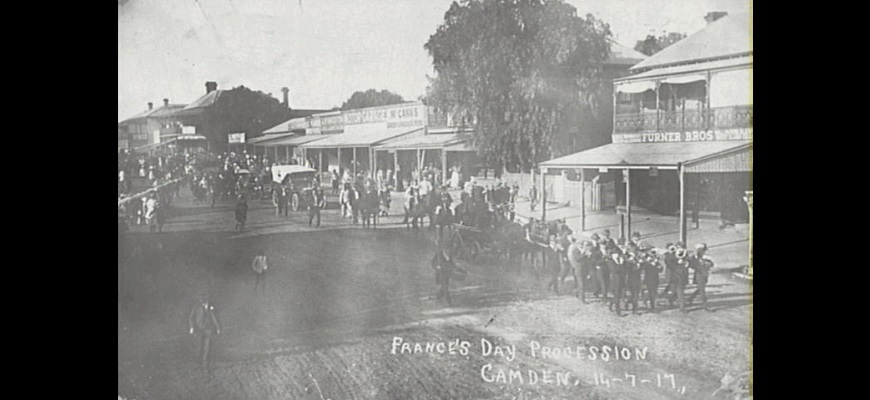
Camden had a number of connections with France during the First World Ward and they have been recorded on the pages of the Camden News. They included Bastille Day celebrations and the memoirs of William Sidman in Paris in 1870 at the outbreak of the Franco-Prussian war.
Share this:

Share this:
Motherhood and nation-building in the early 20th century
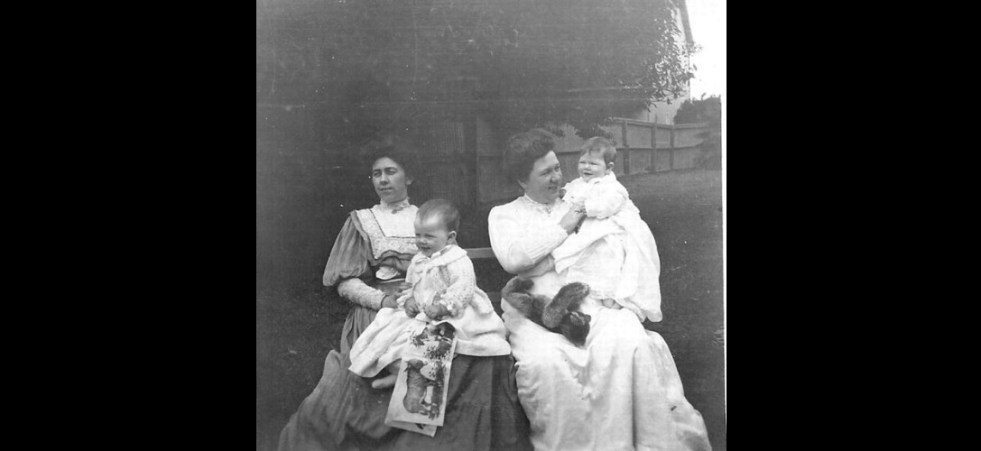
Around the turn of the century a direct link was made between infant welfare, motherhood, patriotism and nationalism. Motherhood and mothering were expressed in terms of patriotism and a national priority. All driven by European exceptionalism.
Share this:

Share this:

Understanding the Anzac Myth: Truths and Contradictions
The Anzac story is vital to Australian identity, yet its meaning remains contested. Historian Dr. Jen Roberts argues that the narrative, while centered on duty and sacrifice, encompasses contradictions surrounding nationalism, trauma, and the realities of war. Anzac's evolution reflects cultural transformations, highlighting diverse interpretations and ongoing relevance in society.
Share this:

Share this:

The patriotism of the wartime sock knitter
During World War I, hand-knitted socks became crucial for soldiers facing harsh conditions, preventing trench foot. Women across the British Empire, particularly in Australia, organized knitting efforts, leading to over 1.3 million pairs made. These efforts provided essential support and represented women's patriotism in wartime, often alleviating grief through their contributions.

