
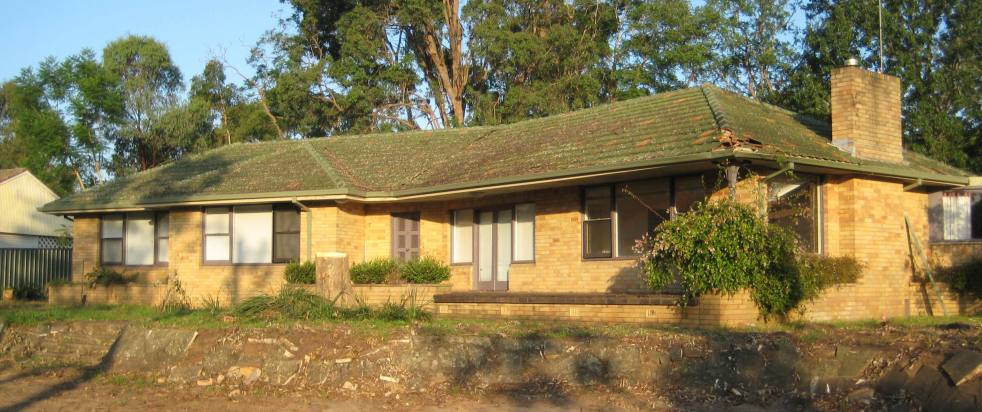
The Hennings House, a mid-century modern ranch-style residence built in 1960, was a prominent part of Elderslie's architectural landscape until its demolition in 2011 for a preschool. Known for its distinctive features and design, the house highlighted the cultural significance of post-World War II domestic architecture in Camden.
Category: History of a house

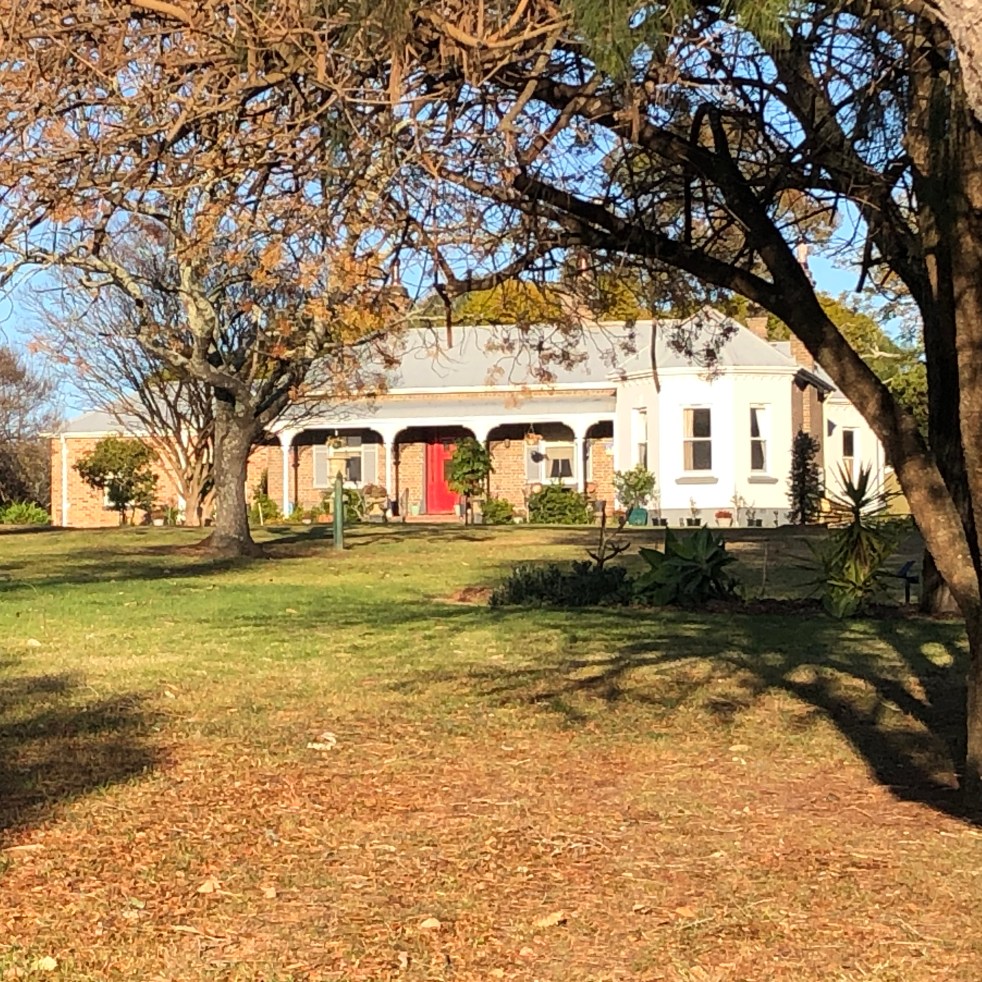
Exploring Hilsyde: A Look at Elderslie’s Historic Home
Hilsyde, originally known as Pammenter, is a Victorian single-storey brick residence built in 1888 by WC Furner in Elderslie. The property features a galvanised iron roof, bay windows, and retains good integrity. It served as Hilsyde Lodge from 1978 to 2003, catering to Christian women workers, and is heritage-listed.
Share this:

Share this:
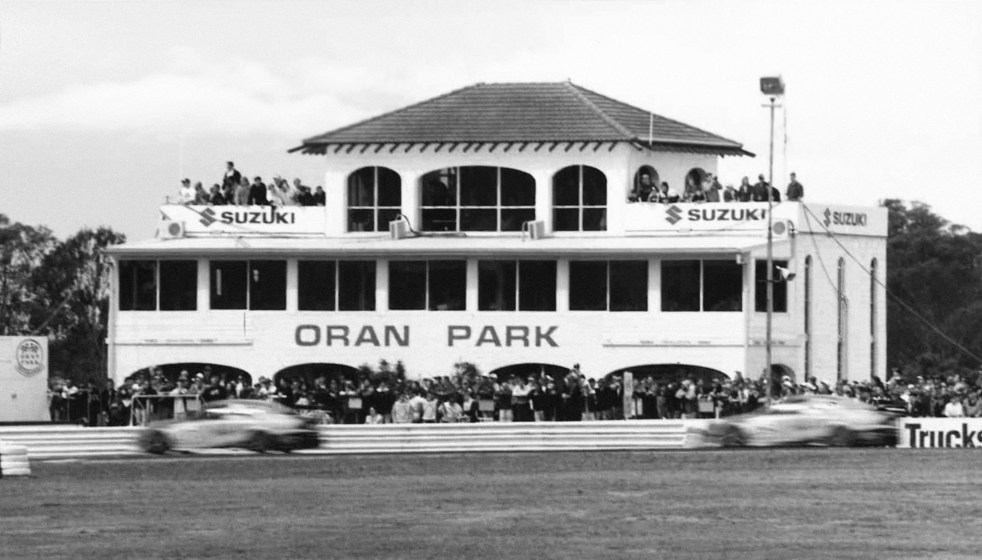
Exploring Your Hometown: Hidden Gems Await
Exploring your hometown can reveal hidden wonders and local history often overlooked. Resources like libraries and historical societies offer insights into the past, while nature provides adventurous experiences. Engaging with local culture, festivals, and unique culinary offerings can enhance your appreciation of familiar surroundings. Stay curious and discover the extraordinary in the ordinary.
Share this:

Share this:
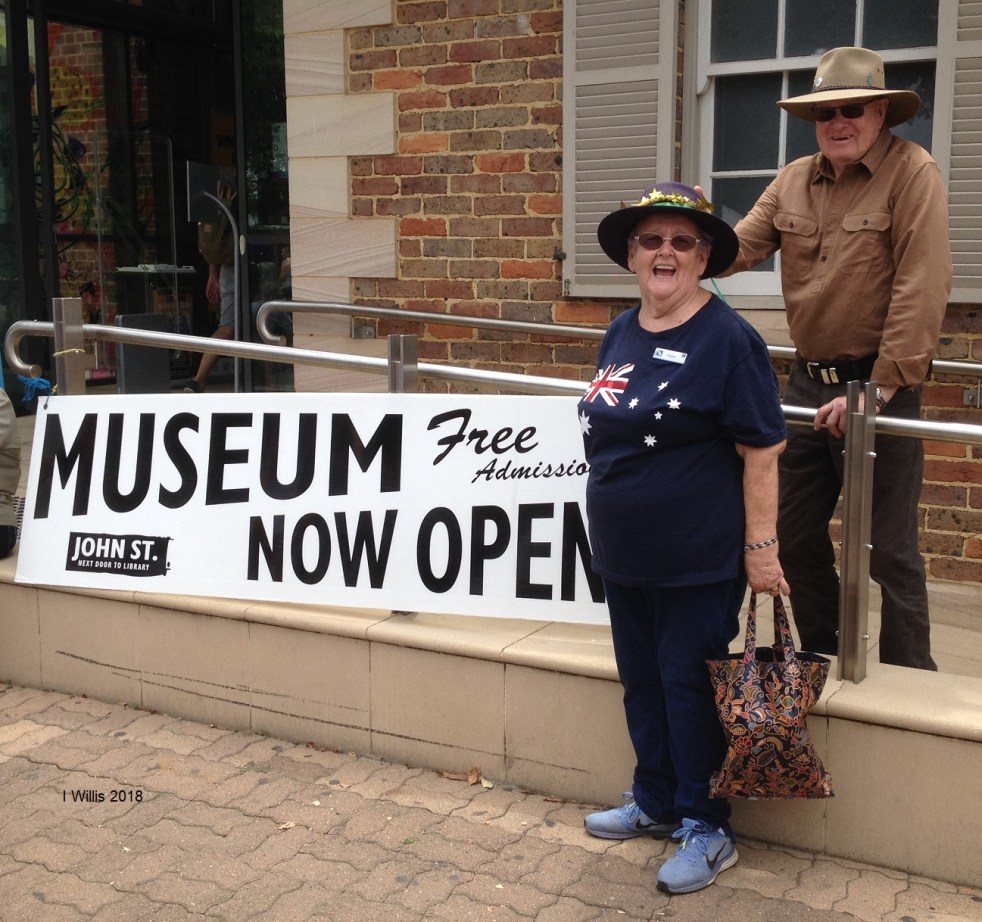
Understanding the Camden Story: History, Community, and Identity
The Camden story encapsulates the rich tapestry of tales and histories that define the Camden community, including dreamtime legends and settler accounts. It offers insight into the community's values, identity, and resilience, serving as both a historical narrative and a tool for local businesses, fostering deeper connections among residents.
Share this:

Share this:
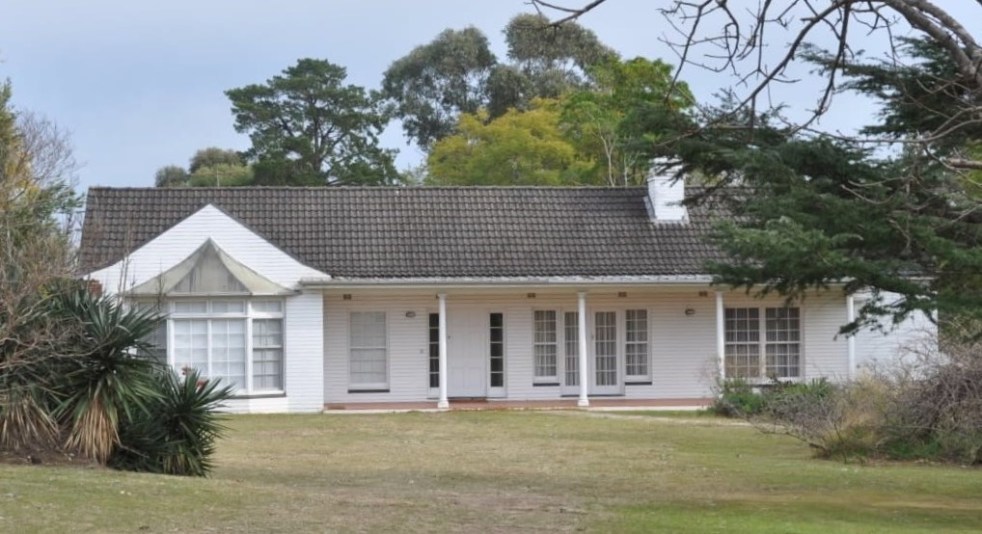
A Journey Through Camden’s Mid-Century Housing Architecture
Camden's mid-century housing, developed between the 1940s and 1970s, reflects a worldwide modernism movement. Characterized by simple lines and open spaces, these homes arose amid urban growth linked to the new jobs created by the Burragorang coalfields. Unfortunately, many of these historic structures are disappearing, necessitating greater recognition and appreciation of their significance.
Share this:

Share this:
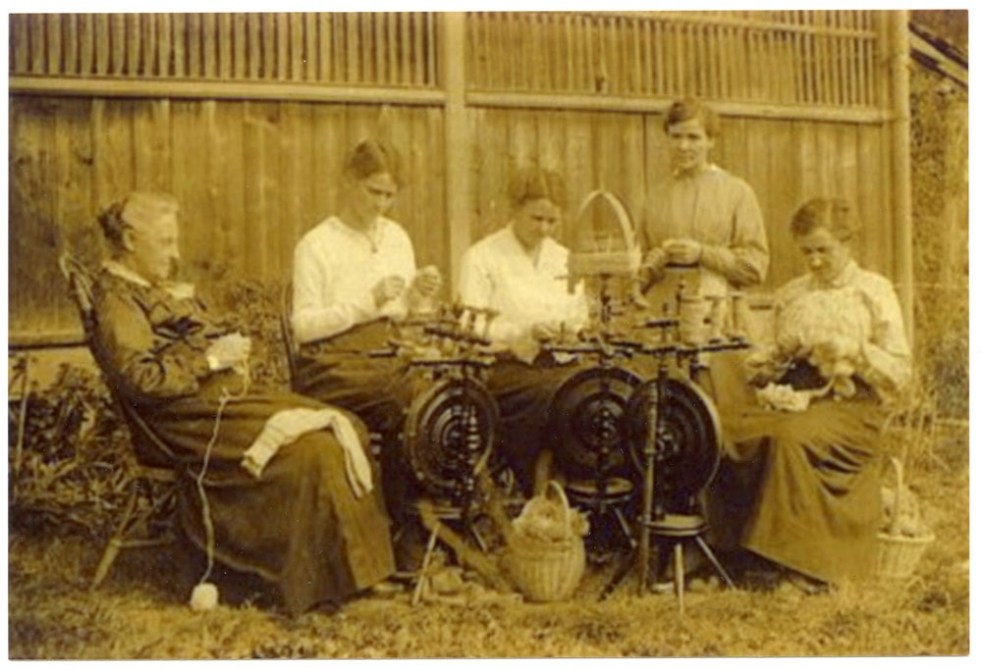
Camden Cottage Hospital, from accidents to amputations and early patient experiences
The Camden Cottage Hospital, opened in April 1899, initially struggled with low patient admissions due to community reluctance. Early cases included accidents and serious conditions, leading to treatments and surgeries like amputations. By early 1900, there was increasing community trust and the permanent facility opened in May 1902.
Share this:

Share this:
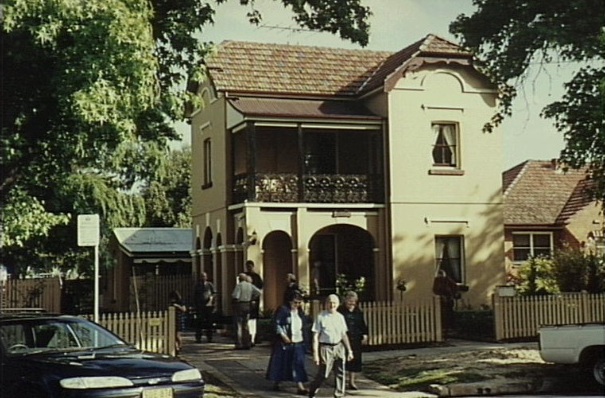
Camden Cottage Hospital – early English influences and the cottage hospital movement
The Camden Cottage Hospital, inspired by the English cottage hospital movement, was established in 1899 in New South Wales. This model provided the community with a small, welcoming healthcare facility, funded by donations and subscriptions. Over time, cottage hospitals became integral to the healthcare landscape in rural Australia, adapting local characteristics.
Share this:

Share this:
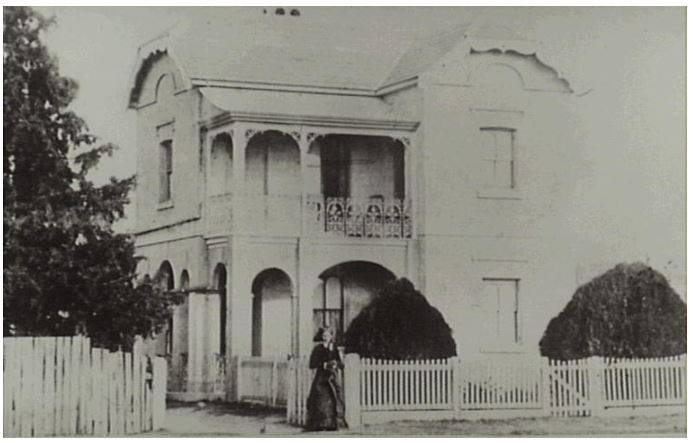
Camden Cottage Hospital – foundation and early days
By the 1890s, Camden's economy depended on dairy, but health concerns arose due to contaminated water and infectious diseases like scarlet fever. In response, the community pushed for a cottage hospital, leading to its opening in 1899. Local efforts highlighted the crucial link between health and the dairy industry's sustainability.
Share this:

Share this:
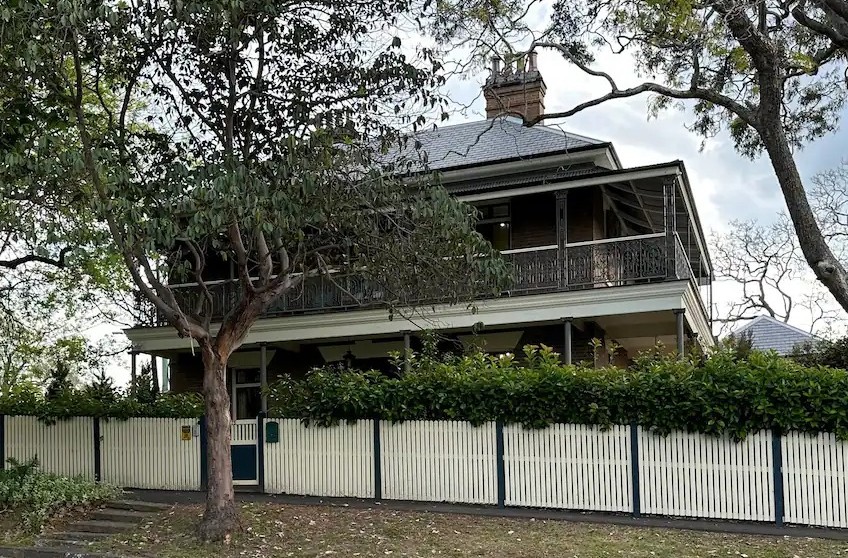
Dr Crookston’s Estate: A New Chapter in Camden’s Heritage
Dr Crookston's house and garden in Camden has been revitalized into an entertainment venue, preserving its rich history. New owners Shane and Rhiannon Smith manage this adaptive reuse, offering various activities that enhance heritage tourism. The estate now fosters local pride while contributing to economic growth, transforming the once-closed site into a vibrant community asset.
Share this:

Share this:
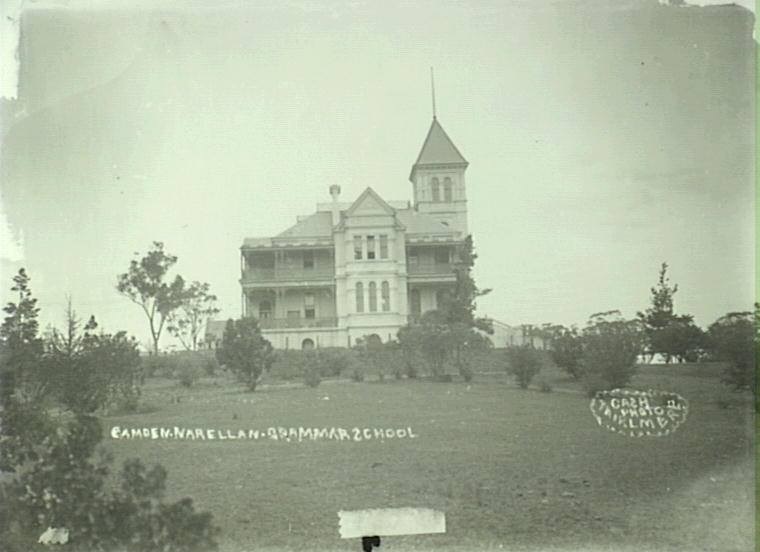
Exploring Studley Park: A Victorian Italianate Heritage Site
Studley Park House, located in Narellan, NSW, exemplifies Victorian Italianate architecture and holds state significance for its aesthetics and historical associations. Constructed in 1889 by architect firm AL & G McCredie for William Charles Payne, it served various purposes, including a school and military quarters, before becoming a private residence.

