1968 Sydney Region Outline Plan · 1973 New Cities Campbelltown Camden Appin Structure Plan · 20th century · Aesthetics · Architecture · Attachment to place · Brutalist Architecture · Built heritag · Campbelltown · Campbelltown Council · Campbelltown Modernism · Campbelltown Municipal Council · Community identity · Cultural Heritage · Cultural icon · Engineering Heritage · Heritage · Historical consciousness · Historical Research · History · Landscape · Landscape aesthetics · Living History · Local History · Local Studies · Macarthur · Memory · Mid-century modernism · Modernism · Place making · Placemaking · Sense of place · Storytelling · Sydney's rural-urban fringe · Town planning · Urban development · Urban growth · Urban history · Urban Planning · urban sprawl · Urbanism

Campbelltown City Council office extension 1982 – an example of mid-century modernism

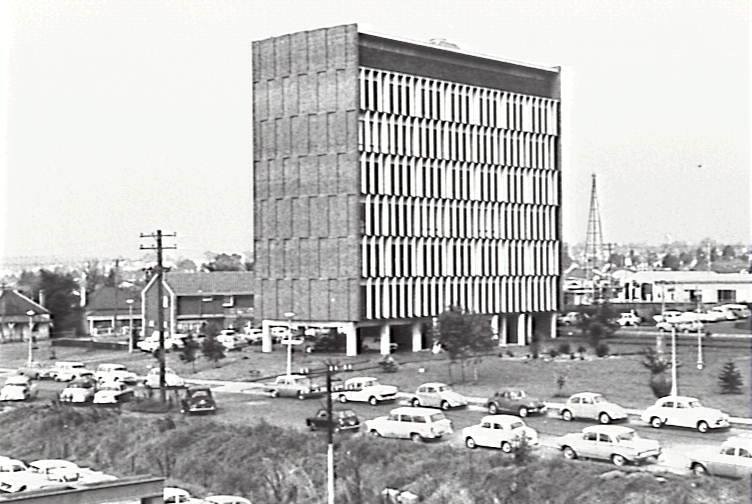
In 1982 Campbelltown City Council had the official opening for the brutalist administration building. Combined with the adjacent 1964 modernist office building they are an outstanding example of mid-century modernism in the Macarthur region

1968 Sydney Region Outline Plan · 1973 New Cities Campbelltown Camden Appin Structure Plan · Aesthetics · Architecture · Attachment to place · Business · Campbelltown · Campbelltown Council · Campbelltown Mid-century modernism · Campbelltown Modern · Campbelltown Modernism · Campbelltown Municipal Council · Community building · Community identity · Cultural Heritage · Cultural icon · Design · Economy · Heritage · Historical consciousness · Historical Research · Historical thinking · History · Living History · Local History · Local Studies · Macarthur · Macarthur region · Mid-century modernism · Modernism · Place making · Placemaking · Sense of place · Storytelling · Urban development · Urban growth · Urban history · Urban Planning · urban sprawl · Urbanism

Exploring Campbelltown’s Mid-Century Modern Administration Building

The Campbelltown Council office building, completed in 1964, serves as an unrecognized icon of mid-century modernism, symbolizing the town's optimistic vision as a satellite city. Despite its structural significance and initial hopes for community development, later planning challenges undermined this vision, leaving the building's legacy complex and often overlooked.

Aesthetics · Agricultural heritage · Agricultural modernism · Architecture · Attachment to place · Australia · Belgenny Farm · Business · Camden Park House and Garden · Community identity · Cowpastures · Cultural Heritage · Cultural icon · Dairying · Engineering Heritage · Engineering History · Farming · Food · Heritage · Historical consciousness · Historical Research · Historical thinking · History · Industrial Heritage · Lifestyle · Living History · Local History · Local Studies · Lost Sydney · Macarthur · Memory · Menangle · Mid-century modernism · Modernism · Monuments · Myths · Place making · Placemaking · Ruralism · Sense of place · Sydney · Sydney's rural-urban fringe · Tourism · Town planning · Urban growth · Urban Planning · urban sprawl · Urbanism · USA · Utilities

The Rotolactor, a Menangle milking marvel

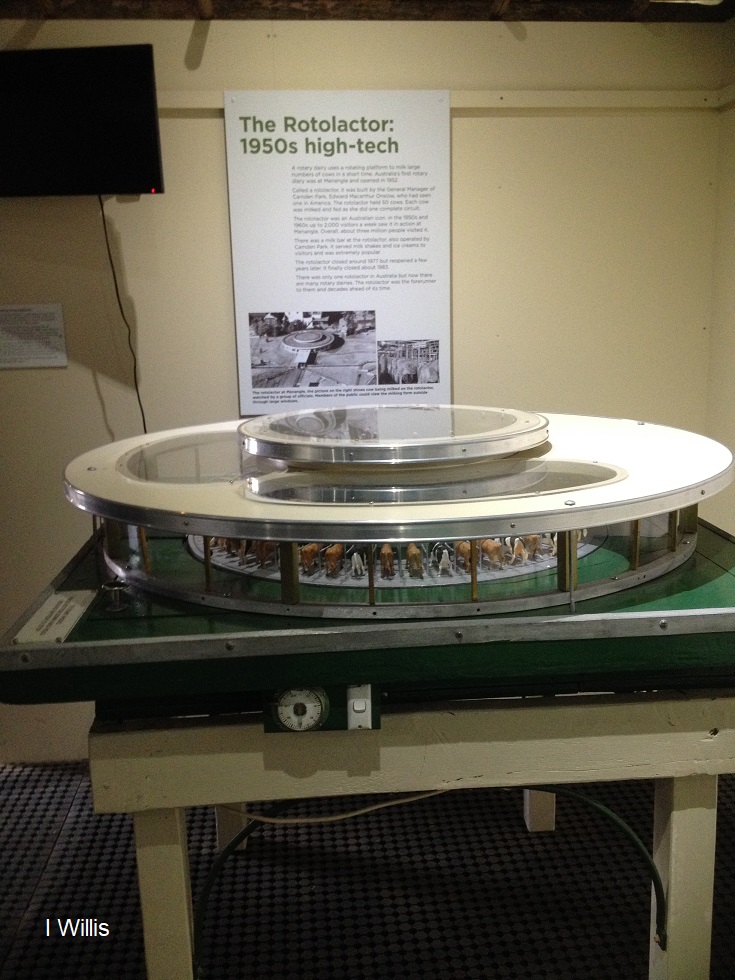
The Rotolactor was Menangle's milking marvel. A rotating dairy that was a tourism attraction and an example of industrial modernism on the colonial property Camden Park estate.

20th century · Adaptive Re-use · Architecture · Attachment to place · Built heritag · Business · Business History · Camden · Camden Story · Cultural Heritage · Cultural icon · Heritage · Historical consciousness · History · Interwar · Leisure · Local History · Local Studies · Memory · Mid-century modernism · Modernism · Motoring History · Moveable Heritage · Narellan · Place making · Placemaking · Retailing · Sense of place · Storytelling · Tourism · Transport · Urban growth · Urban history

Clintons Motors Car Showroom, motoring and modernism

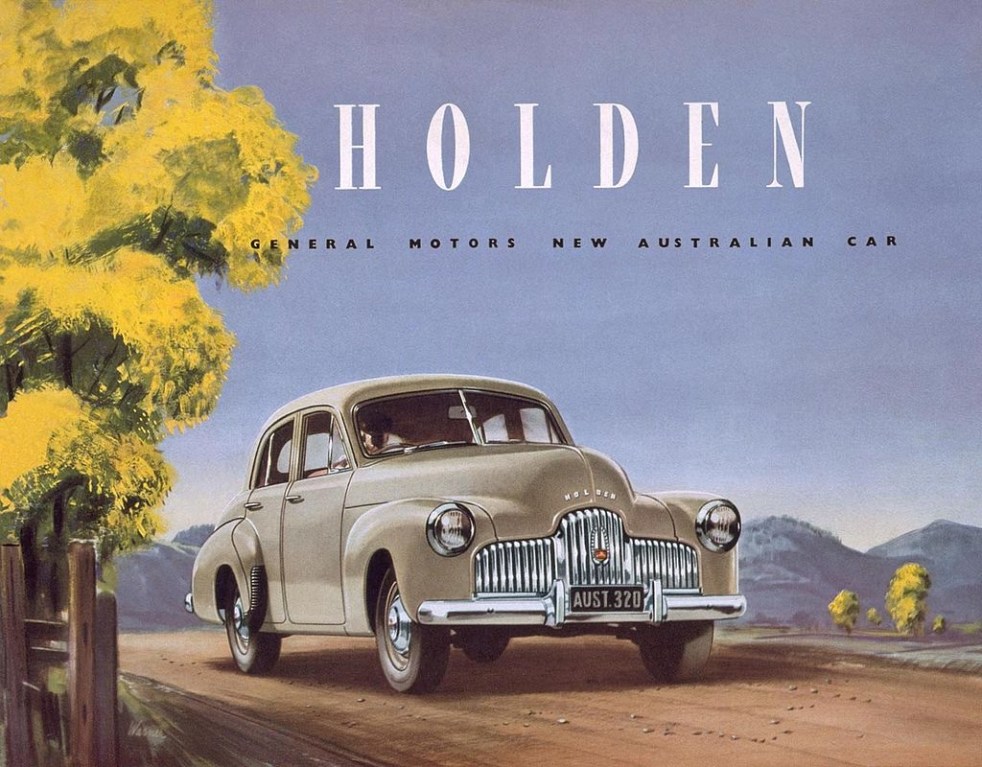
In March 1948, Camden celebrated a new era in motoring with the opening of Clintons Motors' modern showroom. The introduction of the FX Holden marked a pivotal moment in Australian automotive history, showcasing innovation and capturing community excitement. This Art Deco building symbolized modern shopping and transformed Camden's motoring landscape.

20th century · Advertising · Aesthetics · Art · Attachment to place · Australia · Camden · Camden Story · Community identity · Costume History · Cultural Heritage · Cultural icon · Dairying · Dress history · Entertainment · Farming · Fashion · Fashion History · Festivals · Heritage · Historical consciousness · Historical Research · Historical thinking · History · Hotels · Interwar · Landscape aesthetics · Leisure · Lifestyle · Living History · Local History · Local Studies · Memory · Mid-century modernism · Modernism · Motoring History · Moveable Heritage · Myths · Pageant · Place making · Placemaking · Railway · Re-enactments · Retailing · Ruralism · Sense of place · Shopping · Stereotypes · Storytelling · Streetscapes · Sydney · Theatre · Tourism · Transport · Women's history

History Magazine photoshoot for RAHS captures a window into the past in Camden

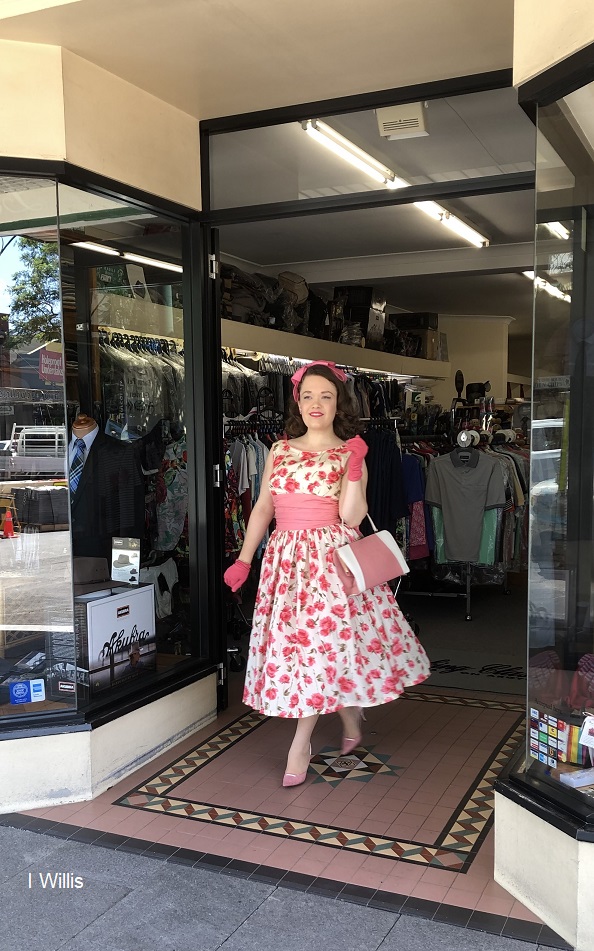
A photo shoot for the History Magazine of the Royal Australia Historical Society at Camden NSW captures a window into the past.

1920s · 20th century · Adaptive Re-use · Aesthetics · Architecture · Attachment to place · Built heritag · Camden · Camden Cottage · Camden Modern · Camden Modernism · Camden Story · Coal mining · Cultural Heritage · Cultural icon · Design · Elderslie · Heritage · History · History of a house · Holidays · House history · Housing · Housing styles · Interwar · Lifestyle · Living History · Local History · Local Studies · Macarthur · Memory · Mid-century modernism · Modernism · Place making · Placemaking · Sense of place · Storytelling · Streetscapes · Uncategorized · Urban development · Urban growth · Urban history · Urban Planning · Urbanism

The Camden Fibro Cottage and its connection to mid-century housing styles

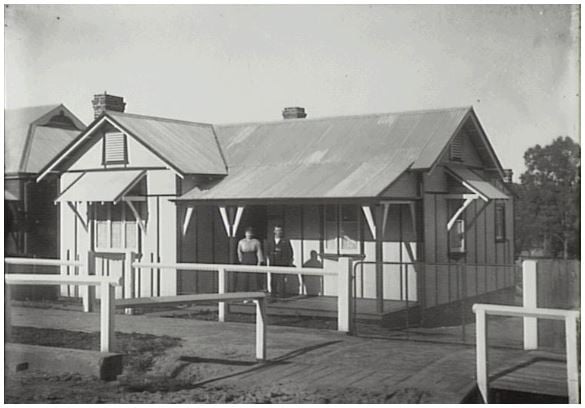
The Camden fibro cottage symbolizes the mid-20th century's affordable housing solution, catering to the working class in a post-war Australia. Representing nostalgia and simplicity, these homes were practical yet modern. Although their popularity declined due to issues like poor insulation and asbestos risks, they remain a significant aspect of Camden's architectural heritage.