Anniversary Day · Anzac · Australia · Australia Day · Australian Red Cross · British Red Cross · Camden Red Cross · Cultural Heritage · First World War · Grief · Military history · Myths · Nationalism · Patriotism · Place making · Red Cross · Red Cross Humanitarianism · Red Cross Movement · Sense of place · Stories · Storytelling · Trauma · Uncategorized · Volunteering · Volunteerism · War · War at home · Wartime · Women's agency · Women's history · Women's stories · World War One

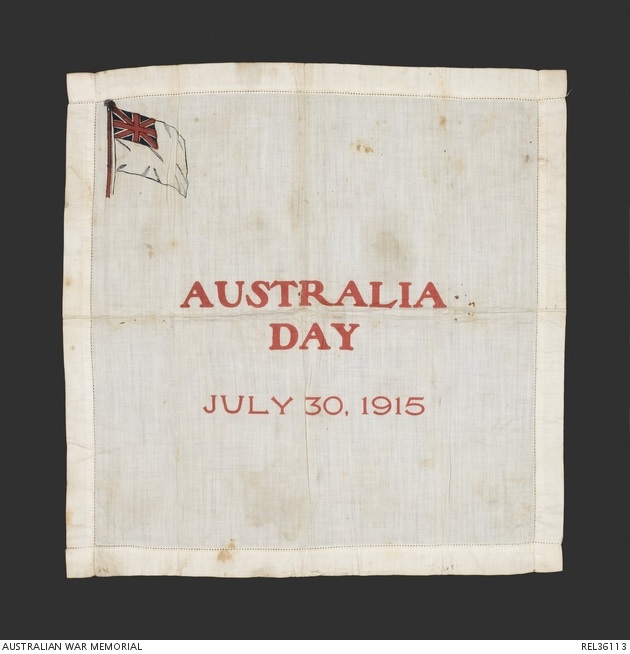
The Untold Woman’s Contribution to Australia Day

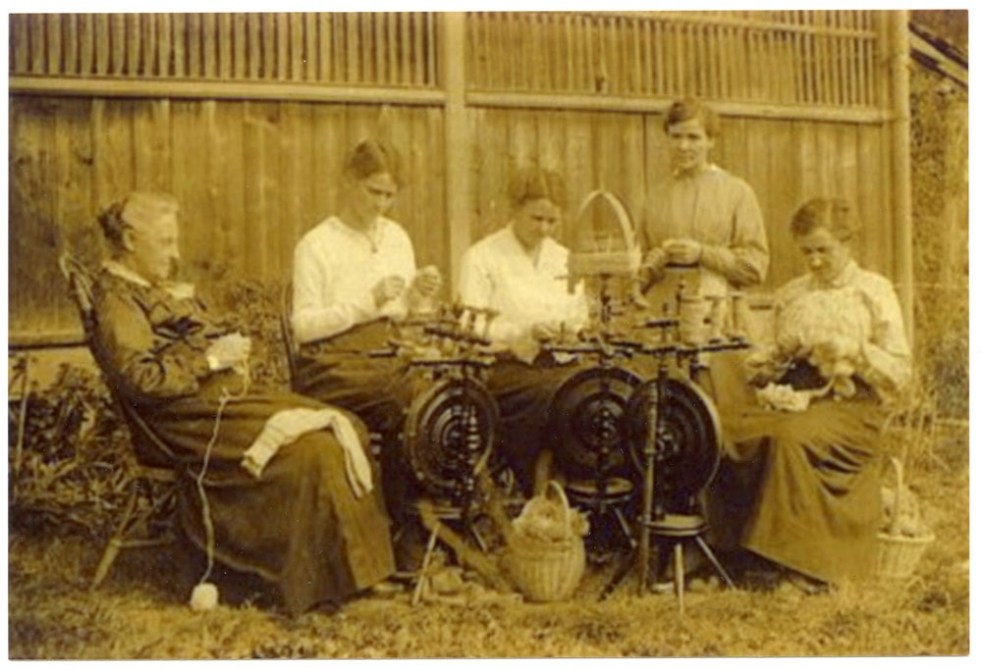
Australian women played a crucial role in the first Australia Day on July 30, 1915, which aimed to support sick and wounded soldiers from World War I. Originally suggested by Ellen Wharton-Kirke, the day centered on fundraising for the Red Cross. Women's contributions towards Australia Day remain overlooked in historical narratives surrounding Australia Day and the Anzac story.

19th Century · Architecture · Attachment to place · Built heritag · Built Heritage · Camden Built Heritage · Camden Cottage Hospital · Camden Hospital · Camden Story · Community · Community building · Community Health · Country town · Cultural Heritage · Family history · History of a building · History of a house · House history · Humanitarianism · Local History · Local newspapers · Local Studies · Medical history · Medical Humanities · Place making · Placemaking · Sense of place · Small town · Social History · Stories · Storytelling · Transport · transport history · Trauma · Women's agency · Women's history · Women's stories

Camden Cottage Hospital, from accidents to amputations and early patient experiences

The Camden Cottage Hospital, opened in April 1899, initially struggled with low patient admissions due to community reluctance. Early cases included accidents and serious conditions, leading to treatments and surgeries like amputations. By early 1900, there was increasing community trust and the permanent facility opened in May 1902.

Active citizenship · Agency · Anzac · Australian Red Cross · British Red Cross · Camden Red Cross · Camden Story · Community Health · Community identity · Community organisations · Community work · Country town · Craft · Cultural Heritage · First World War · History · Interwar · Lady Helen Munro Ferguson · Local Studies · Lost Camden · Medical history · Medical Humanities · Military history · Nationalism · Not-for-profit · Nursing · Patriotism · Place making · Political history · Red Cross · Red Cross Humanitarianism · Red Cross Movement · Second World War · Sense of place · Small town · Social History · Stories · Storytelling · Trauma · VAD · Voluntary Aid Detachment · Volunteering · War · War at home · Wartime · Women's agency · Women's history · Women's stories · World War One

Camden Red Cross 110 Years Display: Objects and Ephemera Exhibition 2024

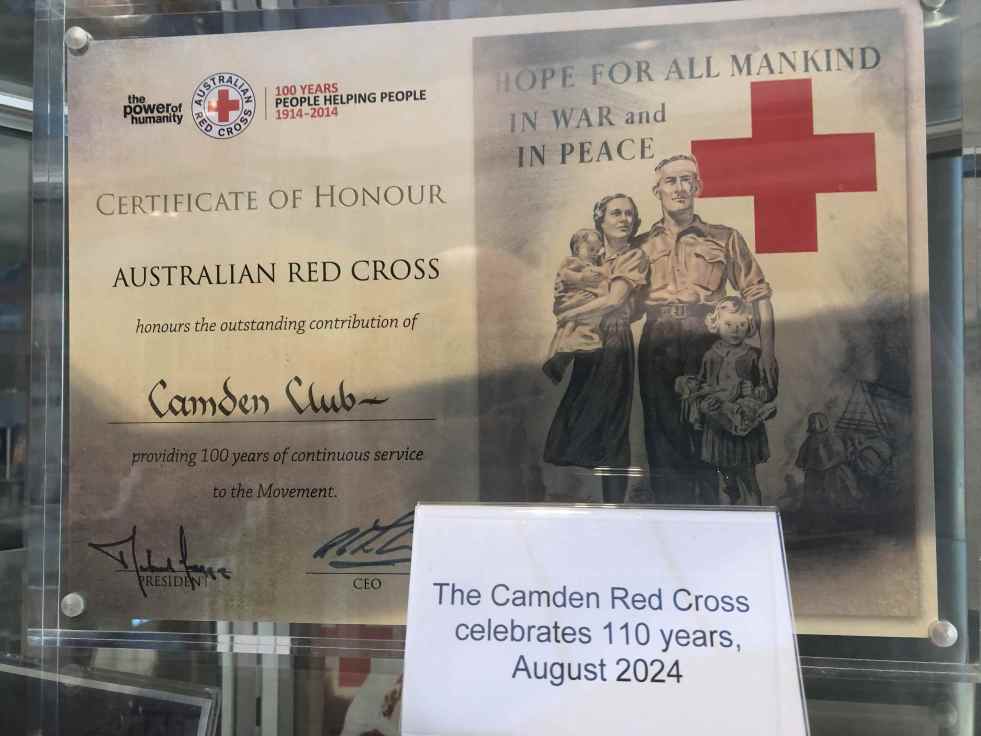
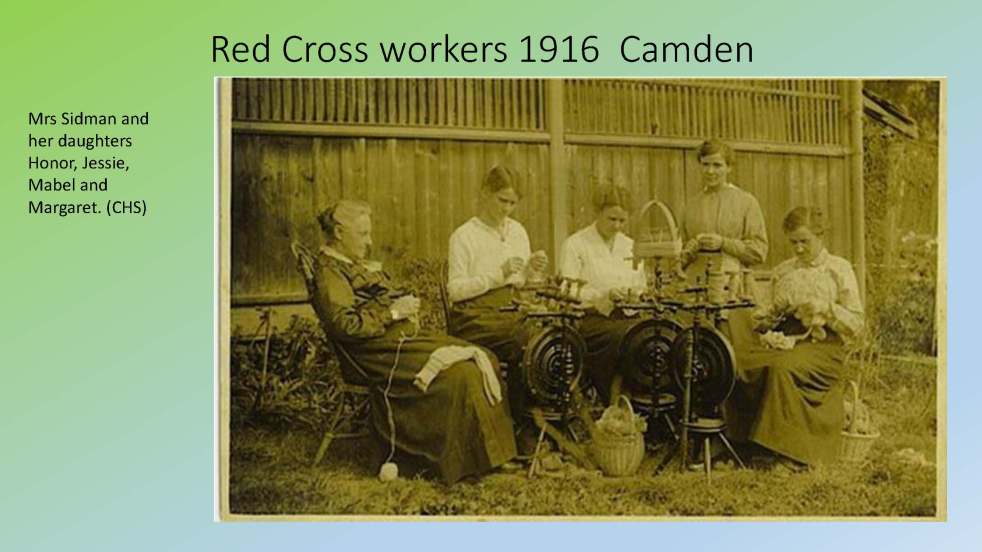
The Camden Red Cross exhibition at Camden Library in August 2024 showcased the historical contributions of local women to the Red Cross during World Wars I and II. Women from the Camden district played a pivotal role in supporting soldiers and shaping the narrative of the Australian Red Cross, creating over 20,300 articles in 40,000 volunteer hours during WWI.

20th century · Agricultural heritage · Agriculture history · Art · Attachment to place · Camden · Camden District · Camden Show · Camden Story · Church History · Collective Memory · Commemoration · Community · Community celebrations · Community Health · Community identity · Community organisations · Community work · Cultural Heritage · Disasters · Engineering Heritage · Engineering History · Families · Family history · Farming · Festivals · Floods · Folklore · Genealogy · Health History · Heritage · Historian · Historical consciousness · Historical Research · Historical source · Historical thinking · History of a house · History of Emotion · Hotel History · House history · Housing · Landscape · Landscape aesthetics · Legends · Living History · Local History · Local Studies · Macarthur region · Memorial · Memorialisation · Memorials · Monuments · Myths · Paintings · Photographs · Photography · Pictures · Placemaking · References · Small communities · Small town · Social History · Stereotypes · Stories · Storytelling · Urban growth · Women's agency · Women's art · Women's history · Women's stories

Exploring Historical Themes: Pictorial History Camden & District Presentation Summary

This presentation examined the role of the historian and researcher and presented the importance of history and the role of a historian. Dr Ian Willis discussed the significance of historical consciousness and collective memory, emphasising the role of a historian as a researcher, analyst, interpreter, and storyteller. The presentation also highlighted "Pictorial History Camden & District," a book by Kingsclear Books, and covered aspects such as structure, select bibliography, index of names, and district maps. Additionally, various related sources and themes, such as the Whiteman and Macarthur families, were explored. The presentation concluded with suggestions for experiencing the past through community festivals, local studies, and living libraries.

Attachment to place · Belonging · British Heritage · British Red Cross · Camden · Camden Red Cross · Camden Story · Collective Memory · Community Health · Community organisations · Community work · Cultural Heritage · First World War · Health History · Helen Munro Ferguson · Heritage · History · Humanitarianism · Ideology of Motherhood · Local Studies · Medical history · Medical Humanities · Memory · Metaphor · Motherhood · Myths · Nationalism · Patriotism · Placemaking · Red Cross · Red Cross Humanitarianism · Red Cross Movement · Social History · Stereotypes · Stories · Storytelling · Symbolism · Trauma · VAD · Voluntary Aid Detachment · Volunteering · Volunteerism · War · War at home · Wartime · Women's history · Women's stories · World War One

Ministering Angels, Myth and the Red Cross on the Australian Wartime Homefront

The paper presented at the 33rd Annual Conference of the Australian Historical Association at the University of Queensland in 2014 explored the role of Australian country women in supporting the Red Cross during the First World War. The paper focused on the Camden District Red Cross, emphasizing the conservative womenโ€™s empowerment in embracing the Red Cross, serving as ministering angels, and upholding patriotic values. Total words: 78

Book · Cobbitty · Community · Country town · Cultural Heritage · Elizabeth Macarthur · Elizabeth Macarthur Onslow · Gothic · Local History · Local Studies · Place making · Royal Tours · Sense of place · Small town · St Paul's Church Cobbitty · St Pauls Church Cobbitty · Storytelling · Uncategorized · Village · Women's history · Women's stories · Women's Writing

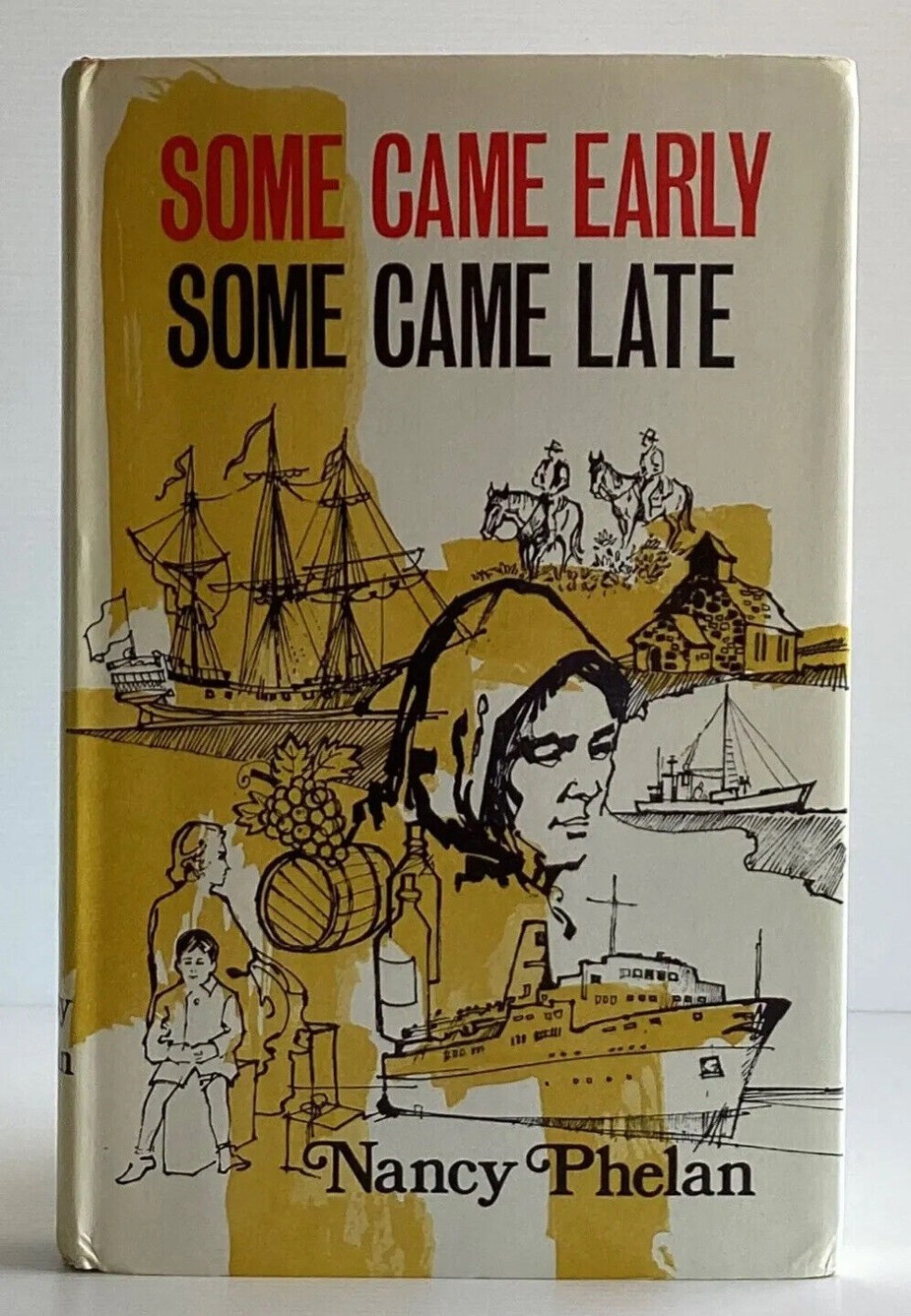
Nancy Phelan’s Reflections on the English Resemblance of Cobbitty, NSW

Australian writer Nancy Phelan's "Some Came Early Some Came Late" (1970) explores the historical significance of the Cobbitty region in New South Wales, focusing on the efforts of early colonial English immigrants to recreate a 'little England'. Phelan's unique perspective, influenced by her own experiences and observations, offers a fresh and captivating view of the region's history, accentuating the deep emotional ties and cultural significance.

Adaptive Re-use · Adaptive Reuse · Art · Artists · Artworks · Attachment to place · Belonging · Cascades Female Factory · Collective Memory · Colonialism · Community identity · Convicts · Cultural and Heritage Tourism · Cultural Heritage · Cultural icon · Grief · History · History of Emotion · Hobart · Hope and loss · Local History · Local Studies · Memorial · Memorialisation · Memorials · Memory · Monuments · Place making · Placemaking · Public art · Sense of place · Social History · Stories · Storytelling · Uncategorized · Women's history · Women's stories

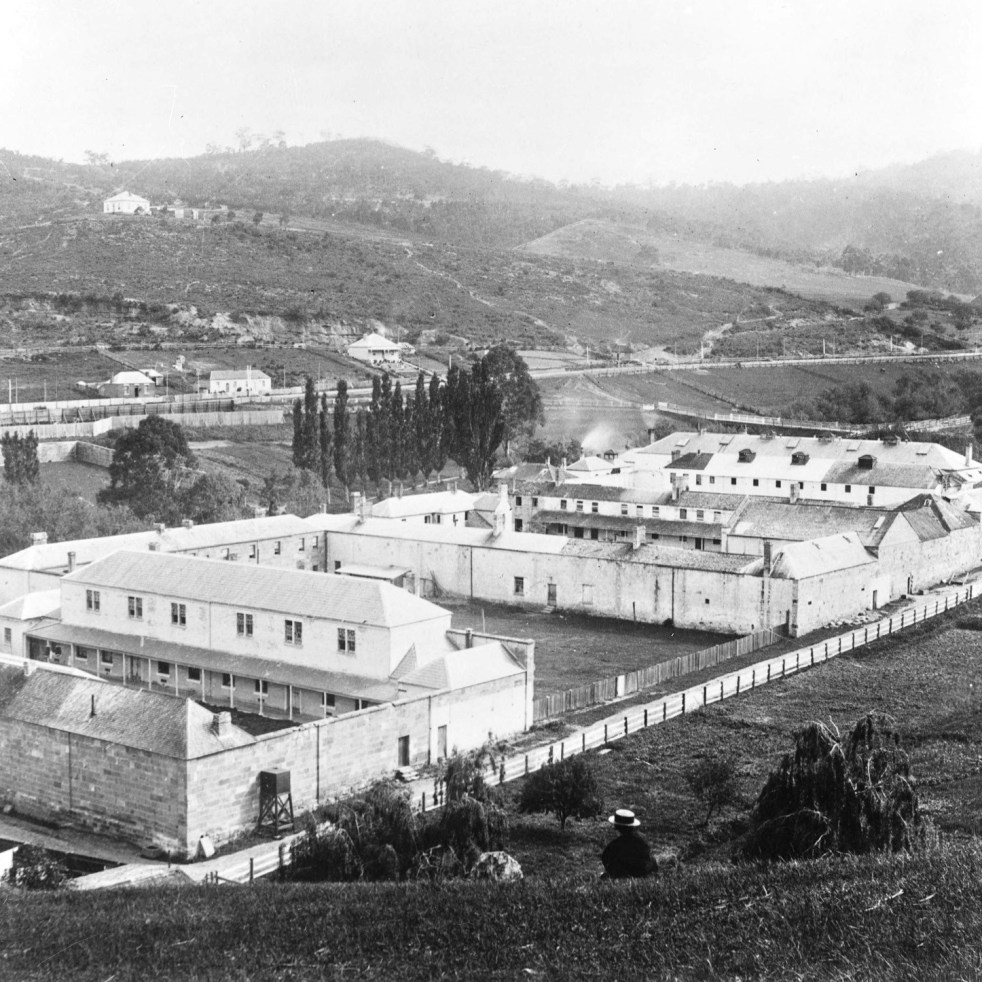
Public art in Hobart tells the story of female convicts in Van Diemen’s Land

Public art has been used in Hobart to reveal stories of female convicts that have been hidden in the shadows for decades on the Hobart waterfront and at the Cascades Female Factory.